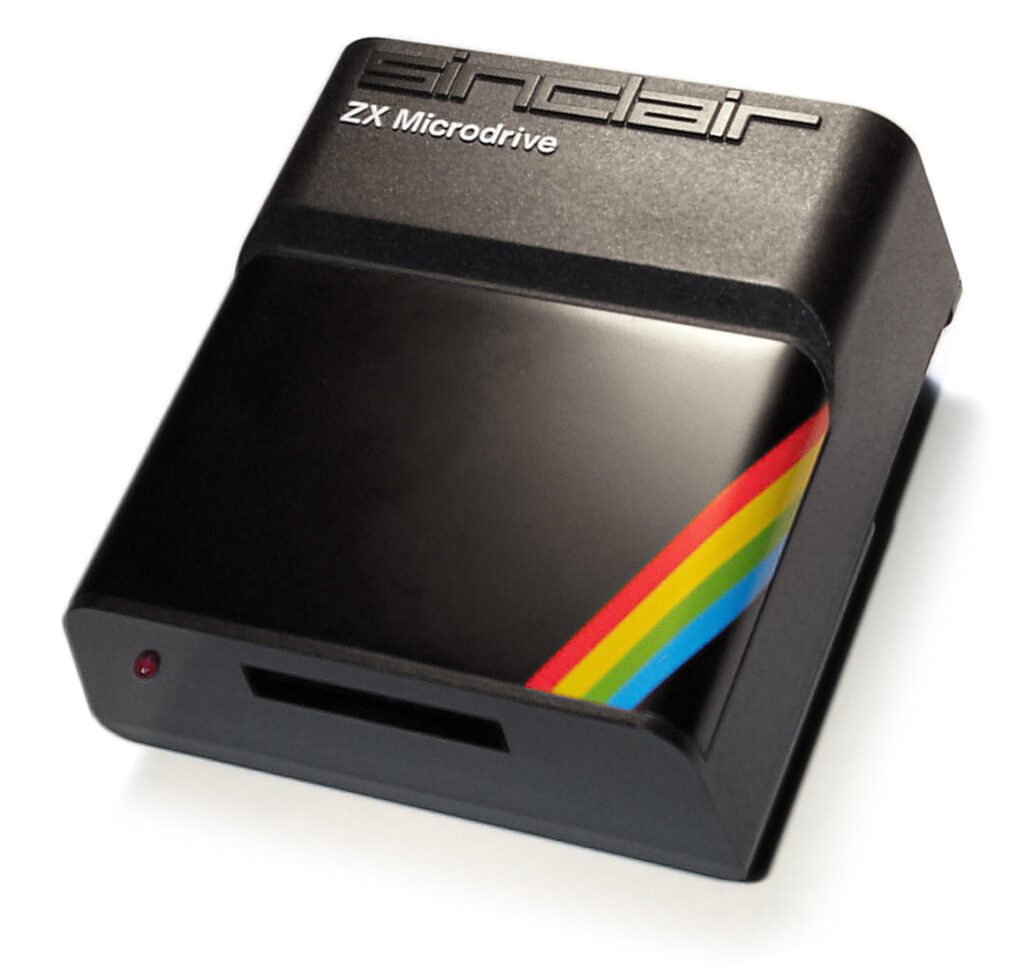
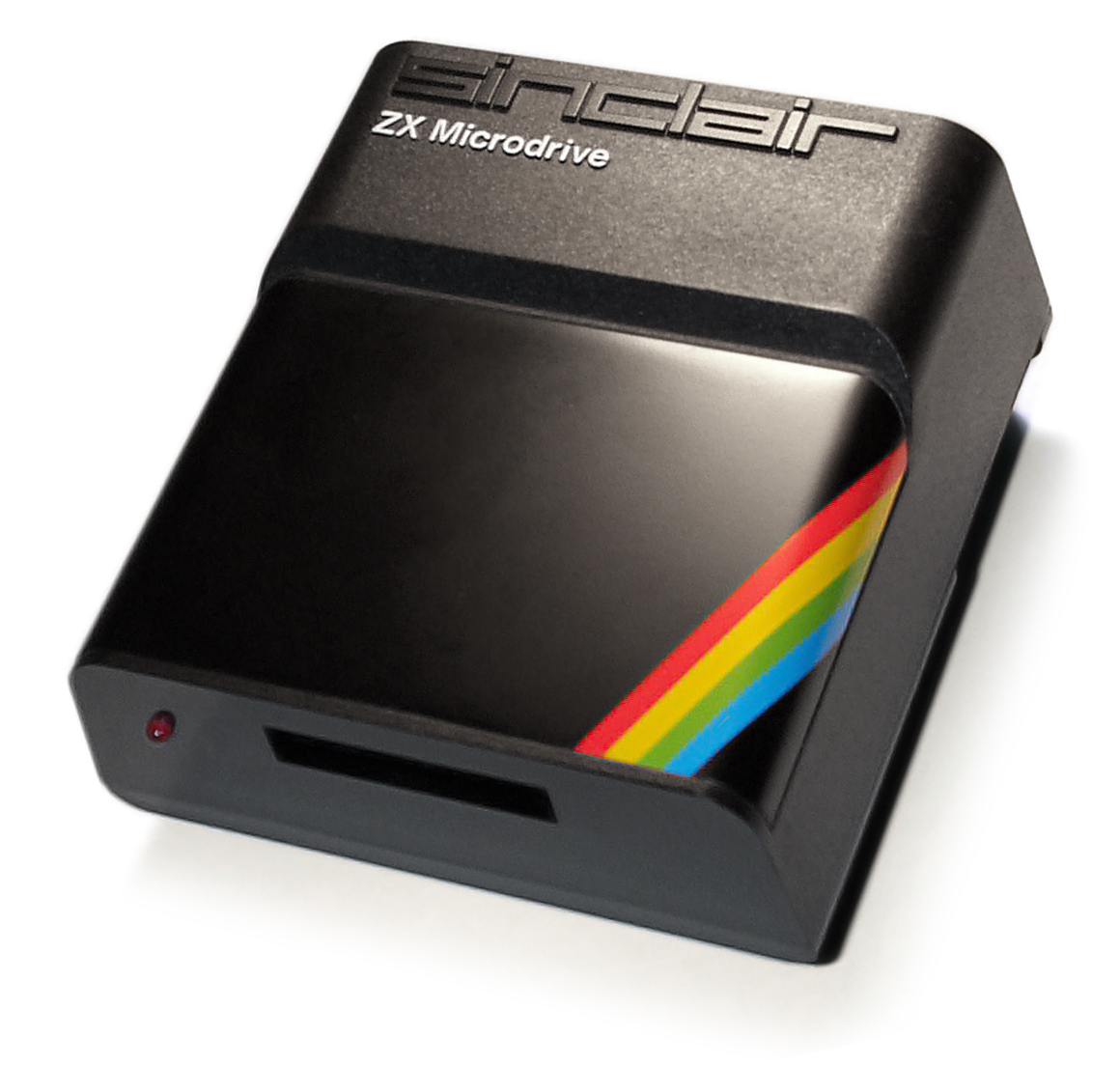
At a glance: vDriveZX · by Charles Ingley (vRetro Design) · ZX Microdrive emulator for the ZX Spectrum · requires a ZX Interface 1 · stores cartridge images (.mdr) on SD card · emulates up to eight drives · firmware updatable from the Spectrum itself
When Sinclair launched the ZX Microdrive in July 1983, it was a very Sinclair sort of miracle: a storage system built around an endless loop of tape inside a tiny cartridge, promising disk-like speed for under fifty pounds. What it delivered, too often, was a lottery — cartridges that stretched, jammed or simply declined to load, at prices that stung. Four decades on, original drives and their Interface 1 partners are treasured by collectors and feared by anyone who actually wants to use one. The vDriveZX is the elegant way out of that dilemma: a modern board, built by maker Charles Ingley, that emulates the Microdrive faithfully enough to fool the Spectrum completely — while quietly keeping your entire cartridge library on an SD card.
A Microdrive With Nothing Moving Inside
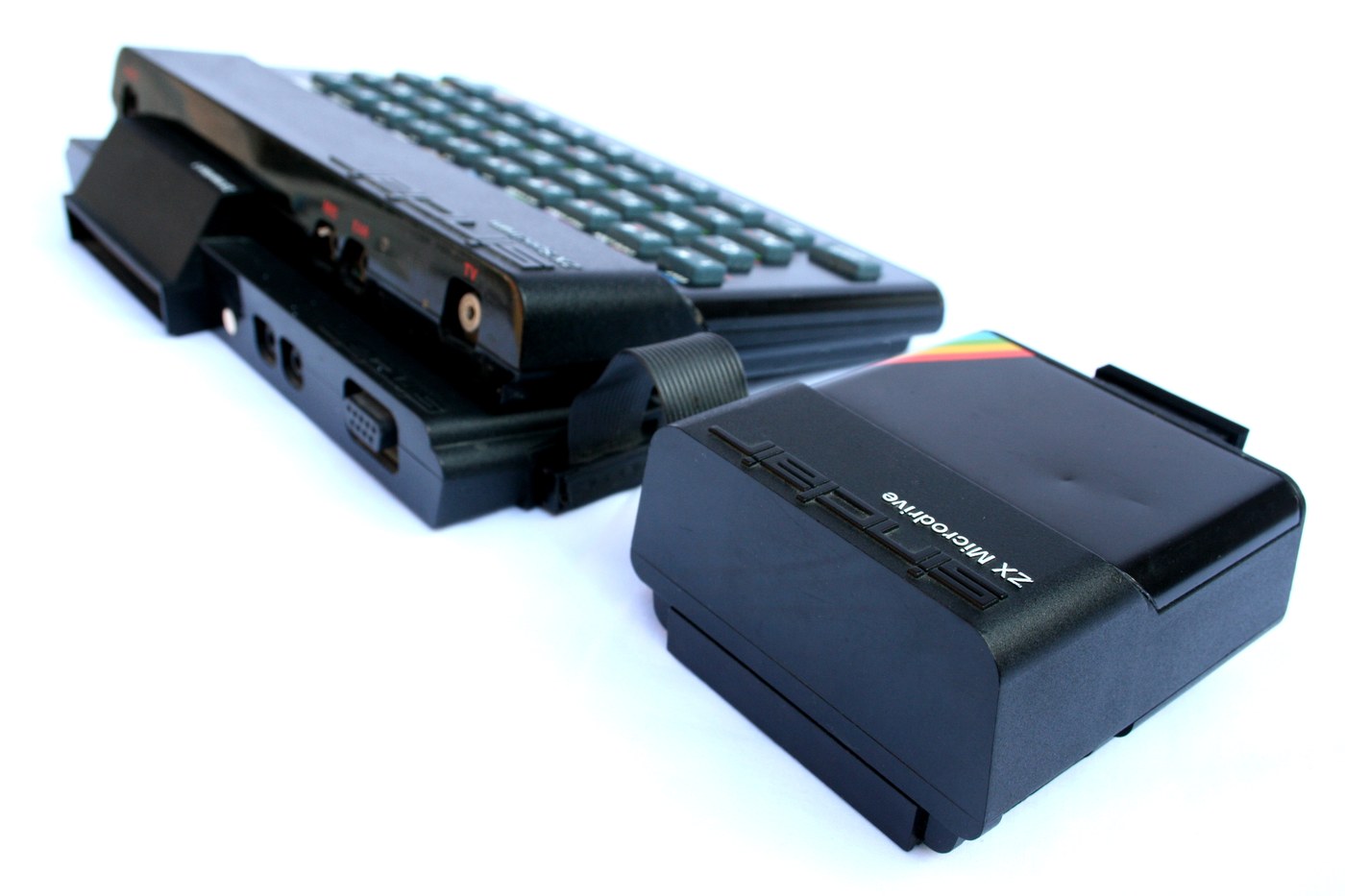
The unit arrives housed in a genuine Microdrive shell and connects the same way the original did — through a ZX Interface 1 on the Spectrum’s expansion port. From the computer’s point of view nothing has changed: the same Interface 1 ROM routines, the same BASIC commands, the same cartridge behaviour. Underneath, the device presents up to eight virtual drives, each holding a cartridge image in the standard .mdr format, all managed with a toolkit that runs on the Spectrum itself. A bundled Bank system lets you snapshot a whole arrangement of drives and recall it with a command — one bank laid out for documents and word processing, another holding four games ready to play. Firmware updates are equally painless: copy the new build onto the SD card and run the update command from BASIC, a mercy compared with the chip-swapping routine the developer’s own testers endured during development. A proper printed manual explains the principles as well as the keystrokes, and the whole thing is rounded off by an activity LED and an optional loading beep — the only sounds it makes, since there is no motor left to whir.
Living With It
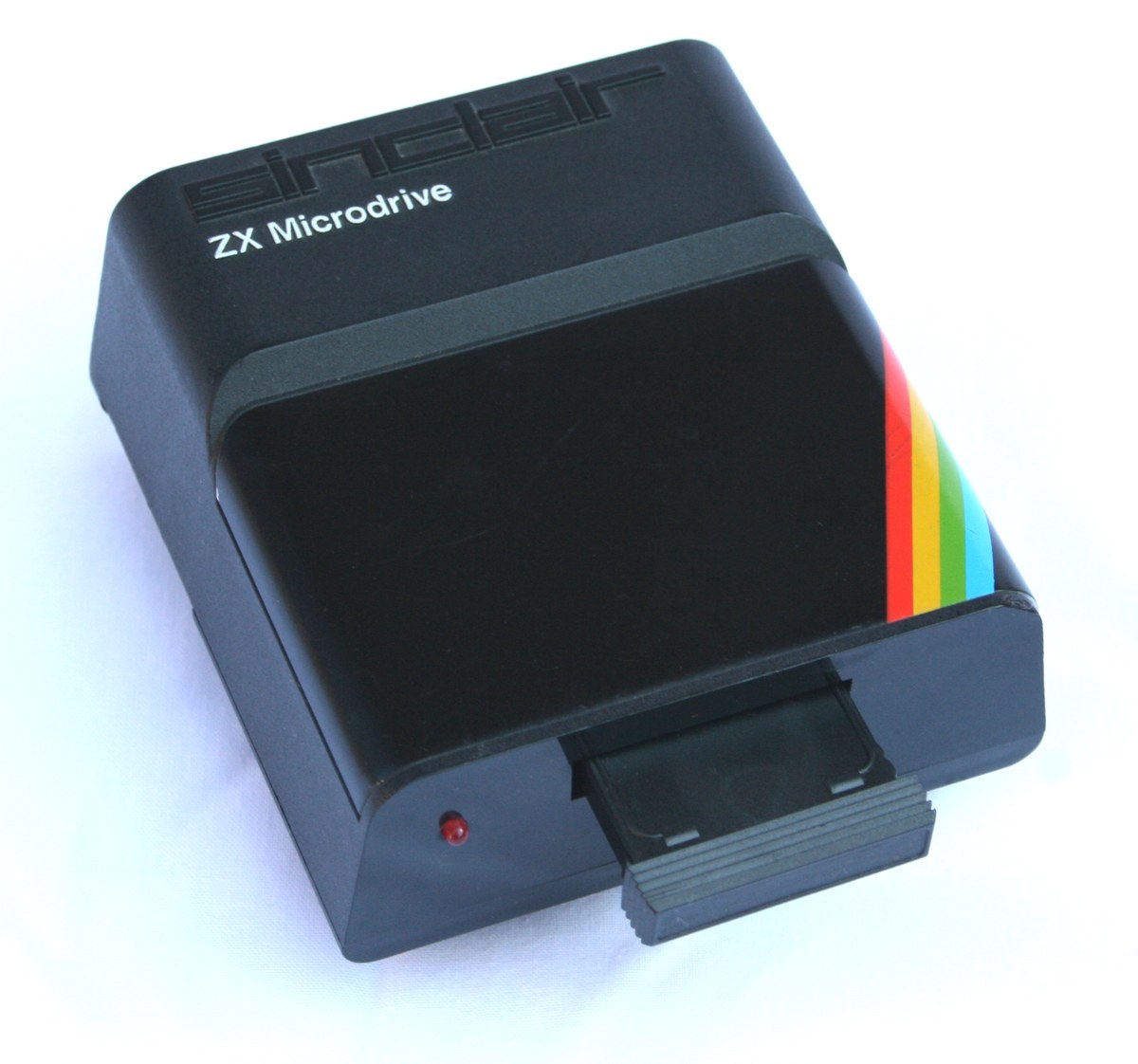
In daily use the illusion is close to perfect, and where it breaks, it breaks in your favour. Loads are faster, because no loop of tape has to spool its way round to the right file. Fresh cartridge images format to a generous 127KB or so — long-suffering Microdrive owners, used to coaxing perhaps 90KB from a healthy cartridge, may need a sit down. The device coexists happily with real hardware: add physical drives and they simply take the next drive numbers along the chain, and copying in either direction is straightforward. That turns the vDriveZX into a preservation tool as much as a convenience — archive a fragile original cartridge to an .mdr image, pull the SD card, and the file works in every major Spectrum emulator; or write an image back out to real tape for the full 1983 experience. Our original tester even pressed a Multiface 1 into service to snapshot games onto virtual cartridges, a reunion of two eighties peripherals that behaved as if they’d never been apart. Compatibility in testing covered the 16K and 48K machines, the Spectrum+, and both 128K models, the original “toastrack” and the +2.
The toolkit deserves its own paragraph, because it is where the device stops being a clever emulation and becomes a small storage operating system. From BASIC you can create and delete virtual drives, rename and delete files within images, and manage directories across the card — the housekeeping Sinclair never gave you, expressed in Sinclair’s own idiom. The Bank commands are the party trick: a Bank is a named snapshot of the whole eight-drive arrangement, so a single command swaps your desk from “accounts and letters” to “games night” without touching a cartridge. It is worth pausing on how much of the Microdrive’s original promise this finally fulfils. In 1983 the dream was a personal library of instant-loading software, filed and recalled like records on a shelf; the tape made that dream unreliable, and the dream quietly died. The vDriveZX is that same library with the failure engineered out — forty years late, and better late than never.
“It feels like a Microdrive, lists like a Microdrive and loads like a Microdrive — just one that starts first time, every time, and holds a shoebox of cartridges on a thumbnail of plastic.”
Caveats, and the Maker Today
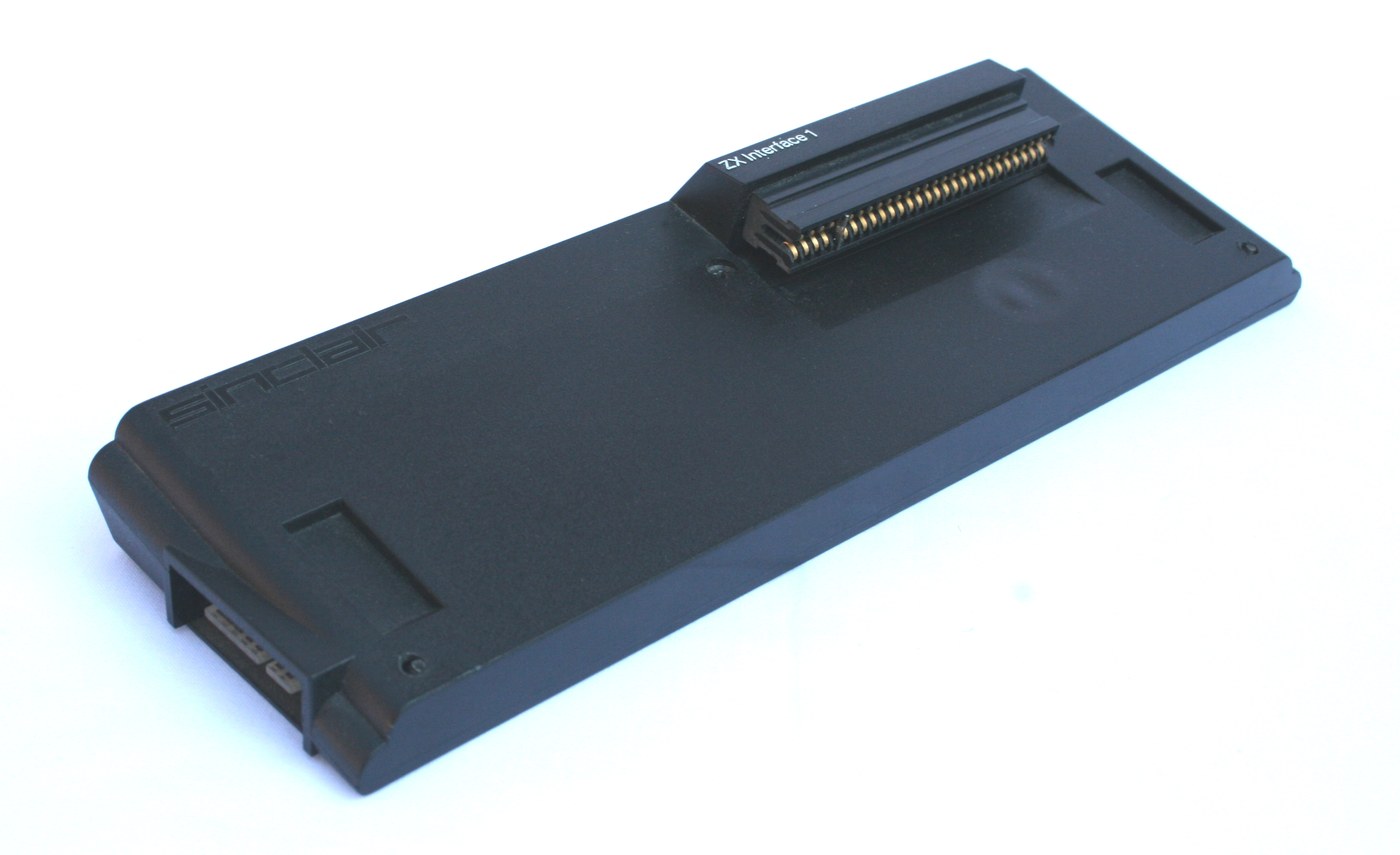
The dependencies are the honest downsides. There is no escaping the Interface 1: the vDriveZX is a Microdrive emulator, and a Microdrive needs its interface, so budget for one if your setup lacks it. Supply is the other caveat — this is a hand-built device made in small batches, not a mass-produced accessory, and batches sell through. The good news, checked again for this revival, is that Ingley is still at it under his vRetro Design banner (vdrivezx.com): units are built in runs and sold through his store and SellMyRetro, the firmware and toolkit downloads remain available, and the family has grown to include the vDriveQL for the Sinclair QL and the vMapQL companion board. One disclosure, carried over from our original review: our tester was involved in testing the vDriveZX during its development. The enthusiasm below is nevertheless, we think, earned entirely by the hardware.
The Verdict
Plenty of modern Spectrum storage exists, but almost all of it asks you to abandon the Microdrive’s peculiar workflow — or never to have experienced it. The vDriveZX is for the people who specifically want the Interface 1 world: the cartridges, the commands, the banks of drives — with the one component that always ruined it, the tape, pensioned off. It is a preservation instrument, a convenience and a small act of historical respect in a recycled shell.
Set against its rivals, the niche makes sense. DivMMC-style devices are superb general-purpose storage, but they bypass the Interface 1 world entirely; tape emulators serve a different master again. The vDriveZX is aimed squarely at the enthusiast whose shelf already holds the interface, the drives and the cartridges — the person Sinclair’s 1983 brochure was written for — and it serves that person with unusual fidelity, right down to arriving in a recycled original shell. If you have ever lost an afternoon to a cartridge that formatted at 78KB and failed at 80, you are the target audience, and you already know it.
Verdict: the Microdrive experience with the unreliability designed out — faithfully emulated, thoughtfully tooled, and still supported by its maker. 9.0.
Keep reading: One Thousand Games Promised, Eighteen Delivered: The ZX Spectrum Vega+, Revisited · the ZX Spectrum system archive