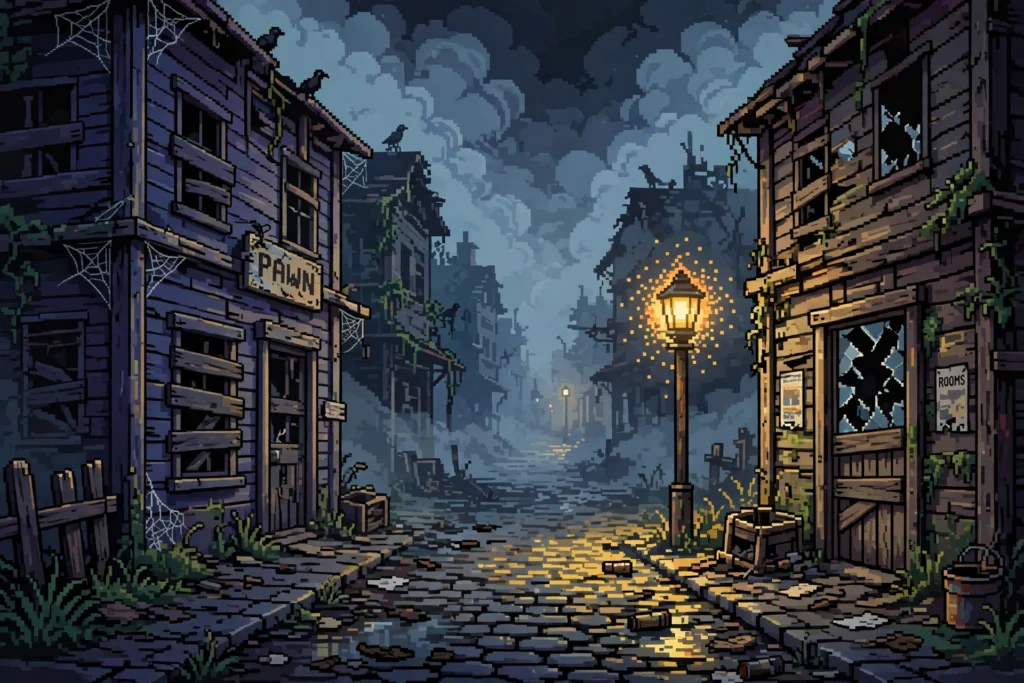
Horror games didn’t used to be about jump scares. They were about the long walk down a hallway that was slightly too quiet, the radio crackling with static that meant something was close, and the dawning realization that the monster you were running from was, in some way, you. Nobody understood this better than the generation of horror games that raised us — and Silent Hill 2 stands above them all.
The town as a mirror
Silent Hill 2’s genius is that the town isn’t haunted — James Sunderland is. Every grotesque creature, every rusted corridor, every impossible space is a projection of guilt and grief. The game never explains this outright. It trusts you to feel it, in the way the nurses move, in the way the hospital shifts, in the way the endings refuse to comfort you. It’s horror as psychology, and it remains unmatched.
The sound design deserves its own paragraph. The industrial drone, the radio static, the way silence itself becomes oppressive — this is a game you hear more than you see, and the fog that hides the town’s geometry hides it for a reason. What you can’t see, your mind furnishes. And your mind is crueler than any monster designer.
The class of its era
Silent Hill 2 didn’t emerge from nowhere. It was part of a golden age of horror that understood restraint:
- Resident Evil (1996): Fixed cameras and tank controls as deliberate vulnerability. The mansion is a puzzle box that happens to be full of zombies.
- Fatal Frame (2001): Your only weapon is a camera, which means you must face the ghosts to fight them. Mechanically brilliant, genuinely terrifying.
- Eternal Darkness (2002): Sanity effects that mess with the player, not the character — the game that pretended to delete your save file.
- Clock Tower (1996): No combat at all. Just hiding, running, and a pair of giant scissors. Pure helplessness, perfectly executed.
The replayability of dread
Here’s the strange thing about the great horror games: they’re the ones most worth replaying, even though you know every scare. Silent Hill 2 on a second playthrough isn’t about being frightened — it’s about noticing. The way a seemingly throwaway line reframes an entire character. The items placed just so. The endings you didn’t earn the first time because you weren’t ready for what they meant. Horror that relies on jumps is disposable; horror built on meaning rewards return visits.
Fatal Frame is the same. Once you know the ghosts, you start appreciating the cruelty of the design — how the game forces intimacy with what terrifies you. And Eternal Darkness’s sanity effects are funnier and more unsettling the second time, when you catch the tells you missed. These games were built by people who understood that the player brings half the horror with them.
What modern horror forgot
Too many modern horror games mistake intensity for fear. Louder stingers, more grotesque designs, faster chases — but fear isn’t intensity, it’s anticipation. The old games knew that the scariest moment isn’t the monster appearing. It’s the minute before, when the music stops and you realize you’re alone in the dark with whatever’s making that noise.
Fear isn’t intensity — it’s anticipation. The scariest moment isn’t the monster appearing. It’s the minute before, when the music stops.
Verdict: 9.5/10. Silent Hill 2 remains the high-water mark of horror gaming — a game about grief disguised as a game about monsters, and more unsettling now than the day it released. Play it in the dark. You’ll understand.