Short answer first, because I know why you clicked: yes — but only for a very specific kind of player, and almost certainly not in the way the eBay listings want you to buy it. The Sega CD is the most lied-about add-on of the 16-bit era. In 1992 it was sold as the future. By 1995 it was a punchline about grainy full-motion video and a US senator holding up Night Trap. In 2026 it sits somewhere stranger and more interesting than either story: a flawed, fragile, increasingly expensive machine attached to a library that is about one-third unmissable, one-third fascinating, and one-third genuinely unplayable — and knowing which third you are buying is the whole decision.
I have owned a Model 2 Sega CD since the era when they were being cleared out of Kay-Bee Toys for the price of a pizza night. I have watched the capacitors go, watched the prices climb, watched the flash-cart and FPGA revolutions quietly change what “owning” this library even means. So this is not a nostalgia lap. This is the honest buyer’s guide I wish someone had handed me before I started paying Sega CD money for Sega CD problems.
What you are actually buying
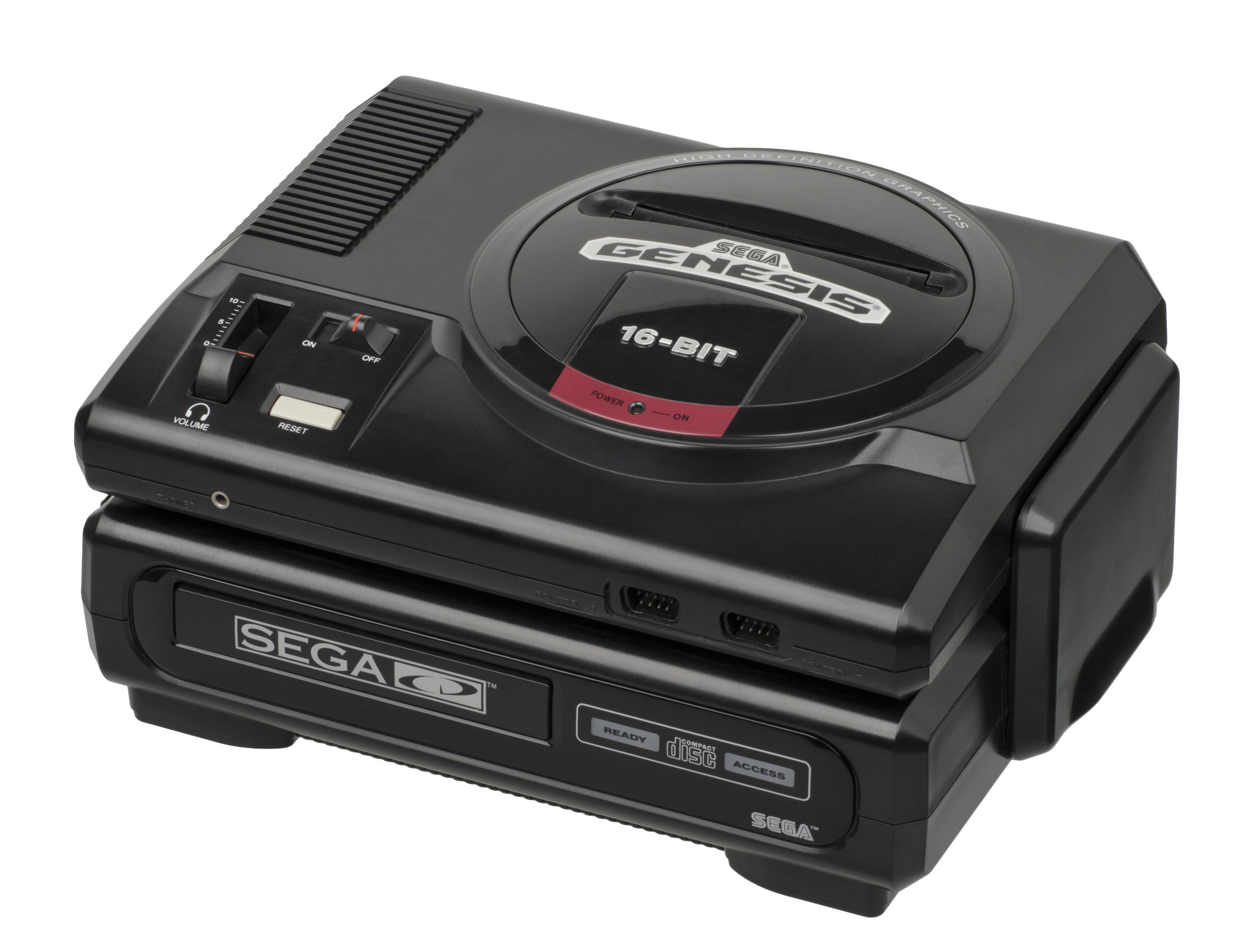
The Sega CD — Mega-CD outside North America — launched in Japan in December 1991 and in North America in October 1992 for $299, on top of the Genesis you already had to own. For that money you got a single-speed CD drive, an extra Motorola 68000 processor running alongside the Genesis’s own, extra RAM, hardware scaling and rotation the base machine could not do, and CD-quality audio. On paper it was not a toy. In practice Sega of America marketed FMV so hard that the genuinely good technology got buried under Sewer Shark.
There were three main forms. The Model 1 sits under an original Genesis, front-loading tray, gorgeous and now the most failure-prone of the lot. The Model 2 is the side-by-side unit most people picture, cheaper, louder, and rather more common. Then there are the novelties: the JVC X’Eye and the Sega CDX, a handsome all-in-one that costs real money now. Whichever one you find in 2026, understand the first rule of Sega CD ownership: you are not buying a console, you are buying a maintenance project with a disc drive attached.
The hardware truth in 2026
Every Sega CD is now over thirty years old, and they age in predictable, expensive ways. Capacitors leak — on Model 1 units they can quietly eat the board while the machine still powers on. Tray belts turn to chewing gum. Laser assemblies weaken until the drive reads original pressed discs fine and chokes on everything else, or reads nothing at all. A “working” listing that means “it spun up once for the photo” is the most common trap in this market, and I have fallen for a version of it myself.
Budget accordingly. A tested, recapped, genuinely healthy Model 2 with a Genesis will typically run you somewhere in the $250–$400 neighbourhood in 2026 depending on condition and region — and a unit that still needs its capacitors done is not a bargain at half that, because the recap is not optional maintenance, it is the price of admission. If you cannot solder, factor in paying someone who can. Anyone who tells you a thirty-year-old CD add-on is a plug-and-play purchase is selling you theirs.
The good news is that the ecosystem has your back in ways it never did in the nineties. Replacement belts, laser assemblies and recap kits are all readily available, the community documentation is excellent, and the machine’s region and copy-protection headaches have been thoroughly solved by modern accessories — which brings us to the part of this guide that changes the whole verdict.
The games that justify the whole contraption
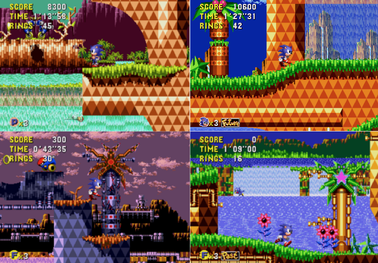
Start where everyone starts: Sonic CD. The time-travel level structure — every stage in past, present, good future and bad future forms — is still the boldest idea any Sonic game has had, and the Japanese soundtrack remains an argument all by itself. Yes, you can play a superb modern port almost anywhere now. On original hardware, through a CRT, with a real disc spinning underneath you, it still feels like an event in a way a menu selection never will.

Then there are the two Lunar games, and here I will plant a flag: Lunar: The Silver Star and Lunar: Eternal Blue are the Sega CD’s crown jewels, and the Sega CD versions are still my favourite way to play them. Game Arts built them specifically for this hardware — the CD audio, the animated cutscenes, the sheer sense in 1993 that a cartridge simply could not contain this. Working Designs’ translations have their detractors, and some of the jokes have aged like milk, but the heart of these games is undimmed. Eternal Blue in particular is one of the finest RPGs of the entire 16-bit era, full stop, and its true home is this add-on.
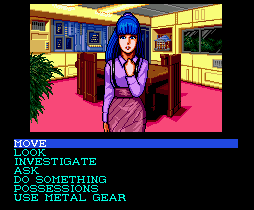
Snatcher needs no sales pitch from me beyond this: for decades, the Sega CD version was the only official English-language release of Hideo Kojima’s cyberpunk adventure, and it remains a superb port — moody, funny, violent in ways that startled people in 1994, and carried by voice acting that was genuinely ambitious for its day. Add Hideo Kojima’s other Sega CD curiosity, the fact that Konami bothered at all tells you the machine had real believers inside the industry.
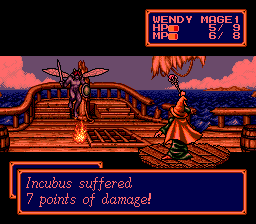
Round it out honestly and the must-play shelf is deeper than the machine’s reputation suggests. Final Fight CD is one of the best home conversions of Capcom’s brawler ever made, with an arranged soundtrack that slaps. Shining Force CD remakes the Game Gear strategy games into something grander. Robo Aleste is a first-rate Compile shooter. Lords of Thunder is a metal album you can play, and its Sega CD version trades blows with the celebrated TurboGrafx-CD original. Dark Wizard is a sprawling strategy gem almost nobody played. That is a real library — ten to fifteen games deep at the top end — and it is the reason this machine refuses to become a footnote.
The FMV problem, honestly
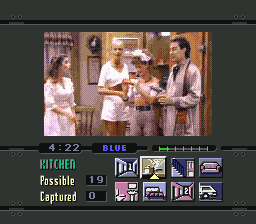
Now the other third. The FMV library — Night Trap, Sewer Shark, Ground Zero: Texas, Double Switch and their many cousins — is historically fascinating and mostly miserable to play in 2026. The video quality is a smeary postage stamp, the interaction is a memory test wearing a game’s clothes, and the novelty that sold magazines in 1993 evaporates in about eleven minutes. Night Trap earns a playthrough as a history lesson — it literally helped trigger the hearings that gave us the ESRB — ideally with friends and beverages. The rest of the FMV shelf is for completists and ironists.
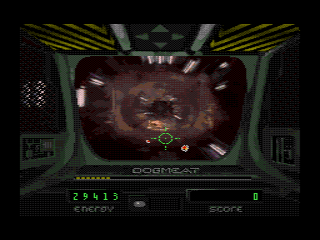
Here is the trap to avoid: do not judge the machine by this shelf, and do not buy the machine for this shelf. Too many first-time buyers pay real money chasing the FMV meme, discover exactly what I just described, and conclude the whole add-on was a scam. It was not. It was a good machine with a disastrous marketing department — Sega of America pushed the worst third of the library like it was the whole story, and the machine has been paying for that decision for thirty years.
The ways to play in 2026, ranked by sanity
Original hardware, real discs. The full ritual, and the most expensive road by a distance. The discs themselves are the problem now: Lunar and Snatcher in complete condition have been collector-grade expensive for years, and CD rot — discs quietly degrading — is a real, if sometimes overstated, risk with a thirty-year-old optical format. This road is for people who love the object as much as the game. Some of us do. Just go in with your eyes open and your wallet braced.
Original hardware, modern storage. This is the sweet spot, and it did not exist a decade ago. A Mega EverDrive Pro plays Sega CD games from a microSD card through the cartridge slot — the add-on’s CD hardware emulated in the cart, your real Genesis doing the rest — and the MiSTer FPGA platform does the whole Genesis-plus-CD stack in hardware simulation that is, for practical purposes, indistinguishable from the real thing. Both routes give you the real library, in full, on a TV, with none of the laser anxiety. If your goal is playing these games well rather than owning these objects, stop reading the listings and buy one of these.
Emulation and re-releases. Emulation of the Sega CD is mature and excellent in 2026, and the crown jewels keep resurfacing officially — Sonic CD has been ported everywhere, Lunar got a modern remastered collection, Snatcher is the stubborn holdout. This is the zero-hardware-cost door into the library and there is no shame in it whatsoever. What you lose is only the ritual: the tray, the spin-up, the loading hum that used to mean the future had arrived.
The verdict
Buy the library, not the liability. The Sega CD’s best games absolutely earn your time in 2026 — the fragile silver disc drive they shipped on is optional.
So: is the Sega CD worth it in 2026? The library, unquestionably — a dozen games that range from very good to all-time great, wrapped in the most interesting what-if story of the 16-bit era. The original add-on, only if you are the kind of hobbyist who finds joy in the maintenance itself, who wants the object on the shelf and the tray sliding open, and who budgets for a recap the way a classic-car owner budgets for brakes. That is a real and valid kind of fun. It is just not the same purchase as “I want to play Lunar,” and confusing the two is how people end up $400 poorer and weirdly angry at a piece of 1992 plastic.
My own Model 2, for the record, is staying. It is recapped, it is loud, it reads discs when it feels like it, and firing up Eternal Blue on it on a winter night is still one of my favourite things in this whole hobby. But if it died tomorrow, I would replace the experience with a flash cart long before I replaced the hardware — and that, in one sentence, is the most honest review of the Sega CD I can give you.