
There is a sentence Nintendo’s former marketing leads have been unusually candid about in recent years, and it deserves to be read slowly: after the Wii U, getting third-party publishers back for the Switch was really hard. Kit Ellis and Krysta Yang, who spent years inside Nintendo of America’s marketing operation, have described a transition in which the company effectively had to prove itself all over again – to partners who had watched the Wii U sell thirteen million consoles, pulled their games from its schedules, and concluded that Nintendo platforms were where third-party software went to die.
This feature reconstructs that collapse and its long shadow. The Wii had been so dominant that its successor’s failure stunned an industry; the Wii U’s empty release calendar then became a case study in how platform trust evaporates, and how slowly it returns. Understanding the flight of the third parties is essential to understanding everything Nintendo has done since – the Switch’s cautious courtship of publishers, its successor’s ‘new era’ confidence, and the relief, audible in those former marketers’ voices, that the proving-yourself years are finally over.
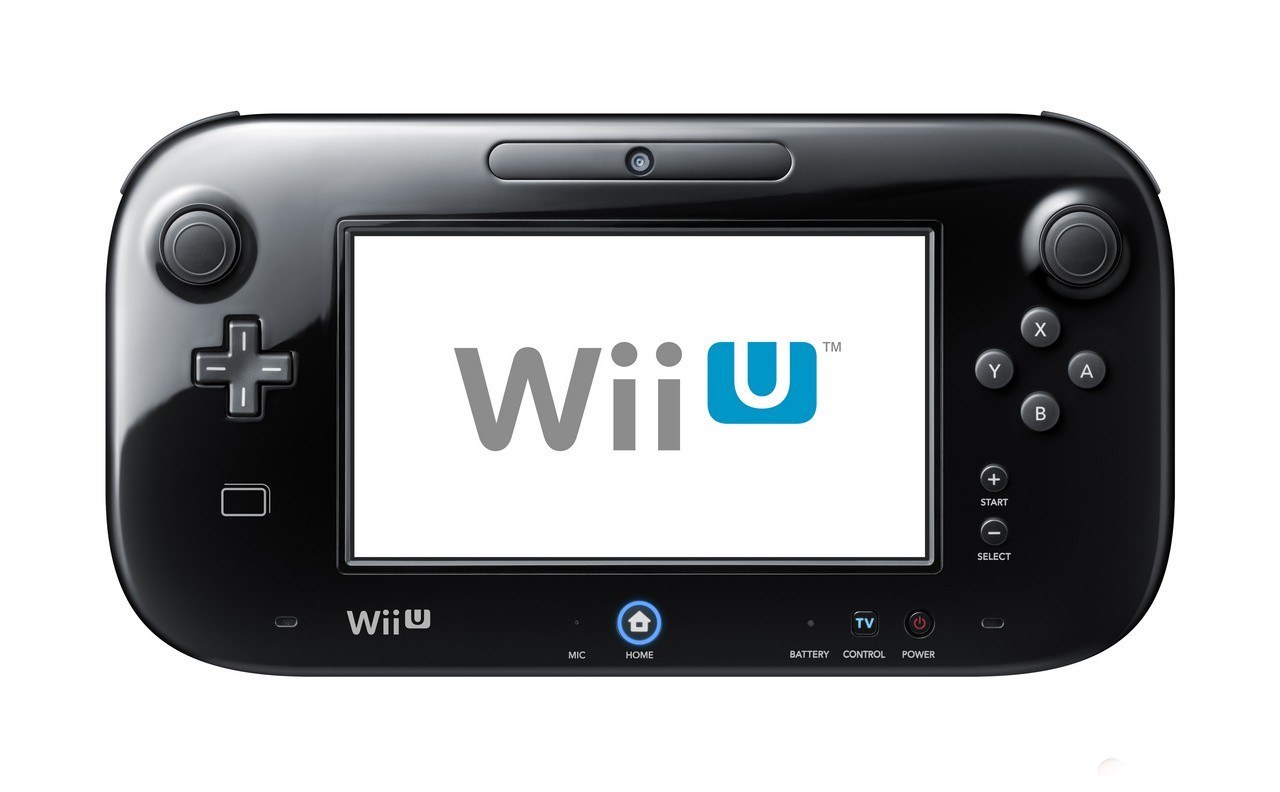
The cliff edge: 2012 to 2013
The Wii U’s launch, in November 2012, was not initially a third-party desert. Publishers hedged with ports – Assassin’s Creed, Call of Duty, Batman, Mass Effect – testing whether the Wii’s hundred-million audience would simply upgrade. They would not. The console’s confusing name and invisible marketing meant the Wii’s families never arrived, while core players saw dated hardware and waited. Within months the experiment ended in public: Electronic Arts, the industry’s largest publisher, effectively withdrew, its frosty comments about the platform becoming business-page news. Other publishers quietly cancelled, delayed or never announced, and the Wii U’s calendar developed the gaps that kill consoles.
The mechanics of the collapse are worth understanding because they are never really about one machine. Third parties do not sell consoles; they follow installed bases with stopwatches. A platform that stalls in its first year hands every publisher’s finance team a chart, and the chart makes the decision. Nintendo’s first-party brilliance – and the Wii U’s catalogue was brilliant – could not interrupt the arithmetic. Each absent publisher made the console less attractive; each month of unattractiveness justified the next absence. By the time Mario Kart 8 and Smash Bros. performed heroically in 2014, the third-party story had already been written in past tense.
What the Wii had promised, and the Wii U broke
The betrayal publishers felt had a history. The Wii had been a third-party paradox itself: a hundred million consoles, yet much of its third-party software sold modestly beside Nintendo’s own evergreen titles, and its motion-control market filled with cheap opportunism. Publishers entered the Wii U era already wary, carrying a theory that Nintendo audiences only buy Nintendo games. The Wii U’s collapse seemed, from a certain boardroom angle, to confirm the theory – unfairly, since the audience had never been given a findable console to buy for, but boardrooms run on outcomes, not fairness.
Nintendo’s own habits deepened the wound. The company historically built hardware around its internal teams’ desires – the GamePad existed because Nintendo’s designers wanted it – and asked partners to adapt afterwards. In the Wii U’s case the adaptation was expensive: a unique second screen, a modest CPU, an audience that never materialised. Former staff have since described the Switch era as a deliberate inversion of that posture, with partner needs surveyed early and courted seriously. The Wii U taught Nintendo, at ruinous cost, that a platform is a promise made to other companies as much as to players.
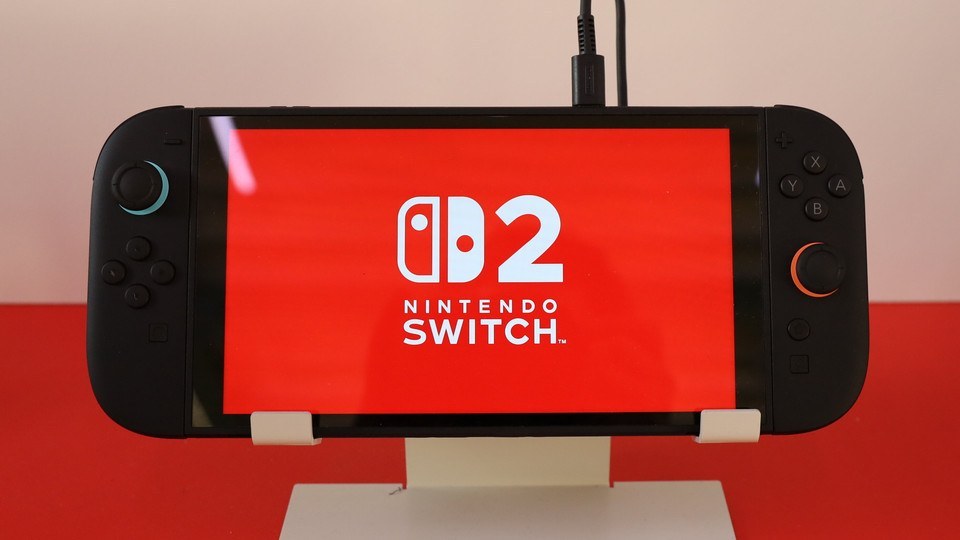
The proving years: Switch’s cautious courtship
Read the Switch’s 2017 launch with this history in mind and its strategy glows. Nintendo led with its own masterpieces, yes, but the machine’s messaging courted partners relentlessly: development tools made friendlier, an architecture publishers’ engines could embrace, indie developers elevated into headline partners through dedicated showcases. Bethesda – a publisher with essentially no Nintendo history – became a launch-window emblem, bringing Skyrim and Doom as proof of concept. Each announcement was a brick in a bridge back to an industry that had written Nintendo off as a first-party-only island.
The former marketing leads’ account fills in the emotional register of that work: relationship repair, conducted partner by partner, with the Wii U’s numbers sitting in every meeting like an uninvited colleague. It worked because the Switch gave partners the one argument that ends all arguments – an installed base growing faster than anyone’s projections, and software attach rates that finally included third-party hits. By the time the Switch passed a hundred million consoles, the question had inverted. Publishers were no longer asking why they should support Nintendo. They were asking how quickly they could.
A new era, and what it cost to buy
Which brings us to the present confidence – the sense, voiced by those same former marketers, that the Switch’s successor marks a new era in which there is no more proving yourself. Publishers now arrive at a Nintendo launch expecting success, plan their calendars around the platform, and treat its audience as a first-class market for everything from indie roguelikes to flagship shooters. After the Wii U, that normalcy is the real headline. Nintendo spent a decade and a generational humiliation earning back the industry’s most boring compliment: of course we’re releasing on it.
The cost ledger should not be forgotten, though. A generation of players grew up with Nintendo as a one-company console, and a generation of studios lost the habit of designing for Nintendo’s peculiar strengths – the local multiplayer, the family sofa, the joyful low-spec ingenuity the Wii had demanded. The new era is richer in volume and poorer, perhaps, in that specific weirdness. Whether the current harmony produces games as distinctive as the Wii’s best third-party experiments – the Zack and Wikis, the No More Heroes, the de Blob – is the open question the Wii U’s long shadow still asks.

The other exodus, remembered
The Wii U flight also had a mirror image worth recording: the indies who stayed, or arrived. While the major publishers withdrew, smaller teams found in the Wii U a quiet, underserved audience and a company increasingly willing to court them – a courtship that matured into the Switch’s indie golden age. Several of the relationships that later headlined Nintendo’s indie showcases were first rehearsed on the Wii U’s eShop, where a good game could still find its thousands. The lesson complicates the collapse story in a useful way. The platform’s problem was never that nobody would develop for Nintendo. It was that the industry’s biggest tenants left, and took the footfall with them.
Those indie years also changed Nintendo’s instincts permanently. The company that once treated third parties as guests in its own house learned, across the Wii U’s humbling, to build the house partly to its partners’ measurements – tools, terms, showcases and all. The fruits are visible in every modern Nintendo presentation, where external studios share the marquee as a matter of course. If the Wii U’s flop purchased that transformation, its thirteen million consoles may yet be remembered as the most instructive tuition the industry ever paid.
The lesson platform holders keep relearning
Every console maker eventually relearns the Wii U’s lesson, usually at similar tuition: third-party support is not a resource you own, but a confidence you rent, renewable annually, payable in installed base and good faith. Nintendo’s version is simply the most dramatic on record, because the fall began at the industry’s summit. One hundred million Wiis could not guarantee one sequel’s welcome mat. The name on the box, the clarity of the pitch, the honesty of the courtship – the unglamorous virtues – turned out to be the whole game.
So credit the candour of the people who lived it. When former Nintendo marketers say the transition was tough, and that the proving is finally over, they are describing the repair of the industry’s central relationship, conducted in public, over a decade. The Wii U sits in the middle of that story as the necessary wound – the flop that taught the most successful company in games how easily success can be spent, and how patiently it must be earned back.