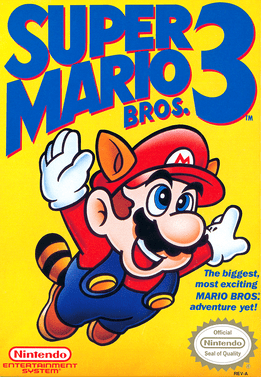
Super Mario Bros. 3 has been finished, speedrun, dissected and rebuilt more than perhaps any game of its generation — yet every few years a fan project arrives that makes the old cartridge feel new again. In February 2018, that project was Super Mario Ultimate, a full-scale conversion of SMB3 by the hacker Silas. The stub this feature replaces gave it a single truncated paragraph. It deserved better: eight entirely new worlds, more than ninety new levels, redrawn graphics, new enemies and a handful of quality-of-life ideas that Nintendo itself never got around to. Ultimate is what the top tier of ROM hacking looks like when it aims at “new game” rather than “new coat of paint.”
A Whole New Mushroom Kingdom
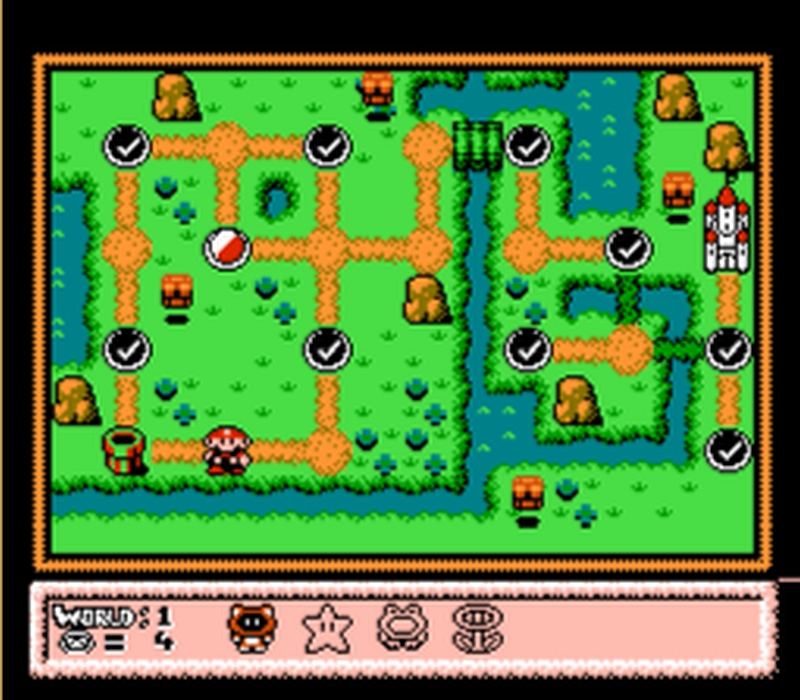
The scale is the first thing to register. Many SMB3 hacks swap palettes, shuffle sprites or rebuild a world or two. Ultimate replaces the entire campaign: eight worlds of fresh level design wrapped in substantially reworked artwork, from the overworld maps down to individual tiles. The world maps alone announce the intent — redrawn in a richer, storybook style, with cleared stages ticked off as you conquer them, they make the journey feel charted rather than merely traversed. New enemies join the returning cast, and the level design leans on tricks and obstacles the 1988 original never attempted, arranged with a confidence that reviewers of the hack repeatedly compared to Nintendo’s own hand. Not every stage reaches that bar — even sympathetic coverage concedes the quality is uneven, with genuine gems scattered among merely good levels — but the hit rate across ninety-plus stages is the achievement.
The Ideas Nintendo Left on the Table
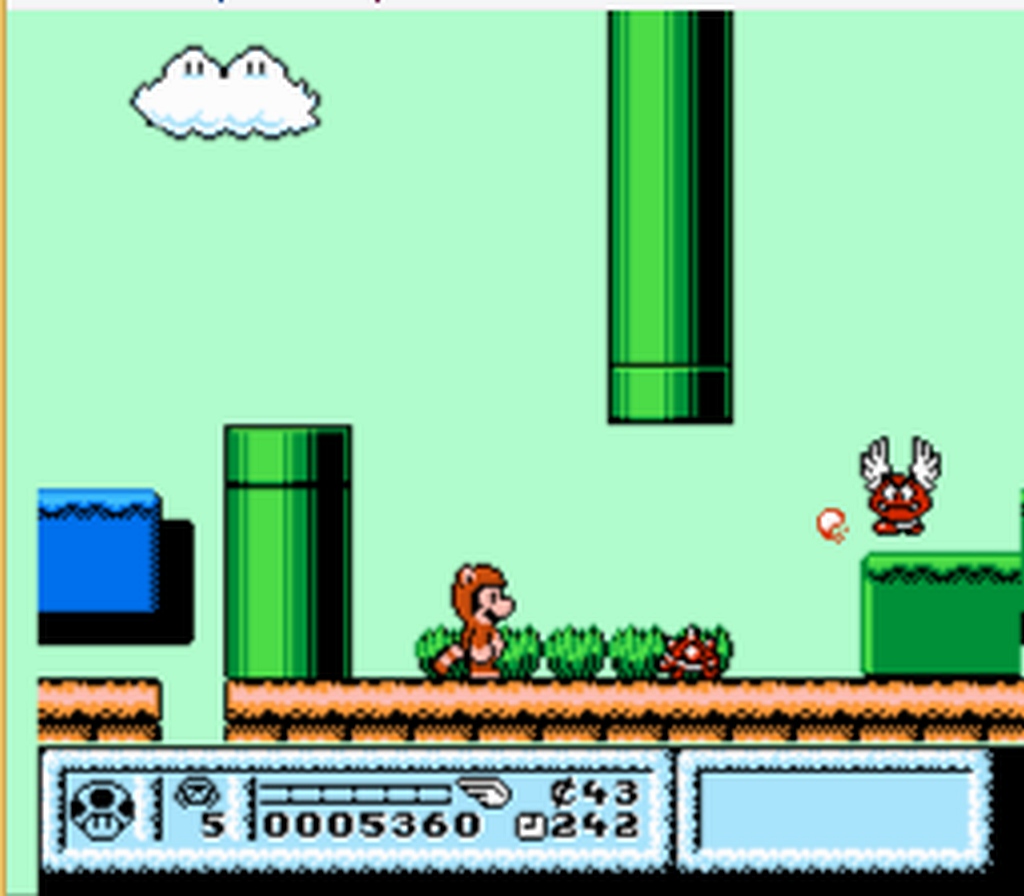
What lifts Ultimate above a level pack is its systems. It adds a proper save game, retiring the NES era’s finish-it-in-one-sitting marathon (or the warp-whistle shortcut around it). It adds a difficulty selection — a feature so rare in ROM hacks that coverage singled it out — letting the hack’s considerable challenge be tuned rather than endured. And it borrows a piece of later Mario design: an item stock slot, holding a power-up in reserve to deploy when a stage turns nasty. Each addition sounds small. Together they recast SMB3 as a modern campaign, one that respects a player’s evening instead of confiscating it.
Beauty, and the Bill for It
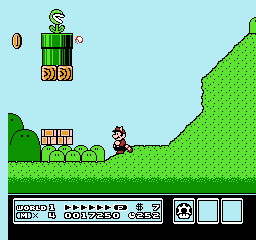
Ultimate’s calling card in the SMB3 scene quickly became its look — contemporaries called it one of the most visually striking hacks of the game, a full graphical makeover rather than a remix of the original tileset. That ambition comes with the genre’s traditional tax: difficulty. The hack is tuned for players who know SMB3 deeply — momentum, flight, the precise weight of a Koopa shell — and late worlds test fortress discipline in ways that will bounce newcomers straight off. The difficulty options soften the edges, but Ultimate remains a connoisseur’s game: a love letter addressed to people who had already finished the original often enough to want it rebuilt harder and prettier.
Under the Hood
None of this happens by accident. SMB3 became the NES hacking scene’s favourite donor game for sound engineering reasons: a large, well-documented codebase, a flexible object system, roomy level data and an engine robust enough to absorb ideas it was never designed for — provided the hacker understands it deeply enough. By 2018 the game’s internals had been mapped for years, editors had matured, and the community’s accumulated knowledge meant a solo creator like Silas could plausibly attempt what once took teams: a total conversion, alone, with redrawn art, reworked systems and ninety levels of level design on top. Ultimate is best understood as a product of that maturity. Its new enemies, reserve item and difficulty settings are not decorations on a level pack; they are engine work, and the ease with which they sit inside a 1988 game is the quiet technical flex underneath the whole project.
The reception matched the ambition. Indie Retro News returned to the hack in a later spotlight slot and went further than its original news coverage, calling it possibly the finest SMB3 hack its writer had played — praising level design that felt plausibly Nintendo-authored and obstacles the series itself had never thought of — while roundup lists of the game’s best hacks have kept it near the top ever since, usually with the same caveat about uneven stretches and the same admiration for the presentation. In a scene that releases hundreds of patches a year and forgets most of them by spring, that staying power is the real trophy.
There is a discipline underneath the spectacle that deserves naming, too. Ninety levels is not ninety good ideas typed into an editor; it is eight themed worlds that must each teach their gimmicks, escalate them and pay them off, at a difficulty curve that assumes mastery without curdling into cruelty — the exact craft Nintendo’s own designers practised on the same hardware constraints. Where Ultimate wobbles, it wobbles the way ambitious games do: a world whose theme outruns its mechanics, a fortress that asks one attempt too many. Where it lands, it lands at a level that makes the “fan game” label feel like a category error. This is not a tribute act. It is a ninth SMB3 campaign, arriving twenty-eight years late, from outside the building.
Where It Sits
SMB3 hacking has its monuments — Mario Adventure set the early standard, 3Mix later blended the series’ history into one cartridge — and Ultimate earns its place in that conversation by choosing polish over gimmickry: fewer headline stunts, more total conversion. It is also, like everything in this scene, a patch rather than a product — a file applied to a copy of the original game, shared between hobbyists, existing in the cheerful legal twilight Nintendo tolerates until it doesn’t. Thirty years after release, Super Mario Bros. 3 keeps generating new games the way a jazz standard keeps generating performances. Ultimate is one of the essential takes.
And there is something fitting in the timing. Ultimate arrived in 2018, into a hobbyist scene swollen with mini-console nostalgia and a wider culture rediscovering the NES — yet it was not chasing that market. It was built the slow way, by hand, for the small audience that never left. If you finished SMB3 sometime in the last three decades and felt the faintest itch for it to be 1990 again — same cartridge, new kingdom — this is the hack that scratch-built the itch a home. Few fan works earn the word in their title. This one spent ninety levels arguing its case.
Keep reading: the NES system archive