The TurboGrafx-16 lost the console war in North America, and it didn’t lose close. In Japan, the same machine — the PC Engine — was a phenomenon that went toe-to-toe with Nintendo. Over here, NEC arrived late in 1989 with a timid marketing budget, spotty distribution, and a library most American kids never got within a mile of. Sega and Nintendo split the country between them, and by the time the TurboGrafx became affordable, the fight was already a memory.
So the canon got written small. Bonk. Splatterhouse. R-Type. Ys Book I & II. Devil’s Crush. A handful of CD games for the lucky few with a TurboDuo. Fine games, all of them — but a canon is just the stuff that had witnesses. Underneath it sits a HuCard library full of games that reviewed well, played great, and vanished anyway, shipped in tiny print runs to an audience that had already left the store.
These are the fifteen I’d rescue first. Not the merely decent, and not the famous ones wearing a trench coat — genuinely overlooked games, every one of them better than its reputation. Which, in most cases, is no reputation at all.
The TurboGrafx-16 didn’t lack great games. It lacked witnesses.
The buried treasure
1. Cadash (1991)
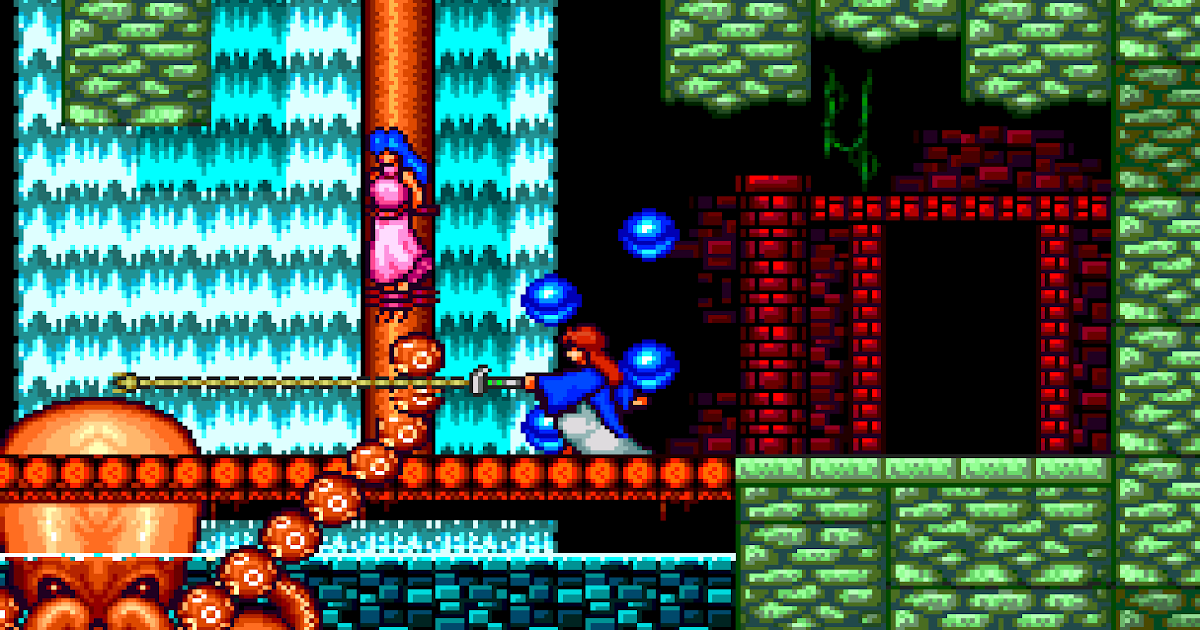
Taito’s arcade action-RPG, brought home with its soul intact. Pick from four heroes — fighter, mage, priest, ninja — then hack through a side-scrolling kingdom with real leveling, gold, inns, and weapon shops underneath the combat. Add a second player through the TurboTap and it becomes one of the finest co-op experiences on any 16-bit system, full stop. It flew under the radar because it was a port of a cabinet few Americans ever saw, on a console few Americans ever owned. Working Designs published it here, and even they couldn’t sell water in a desert this dry.
2. The Legendary Axe II (1990)
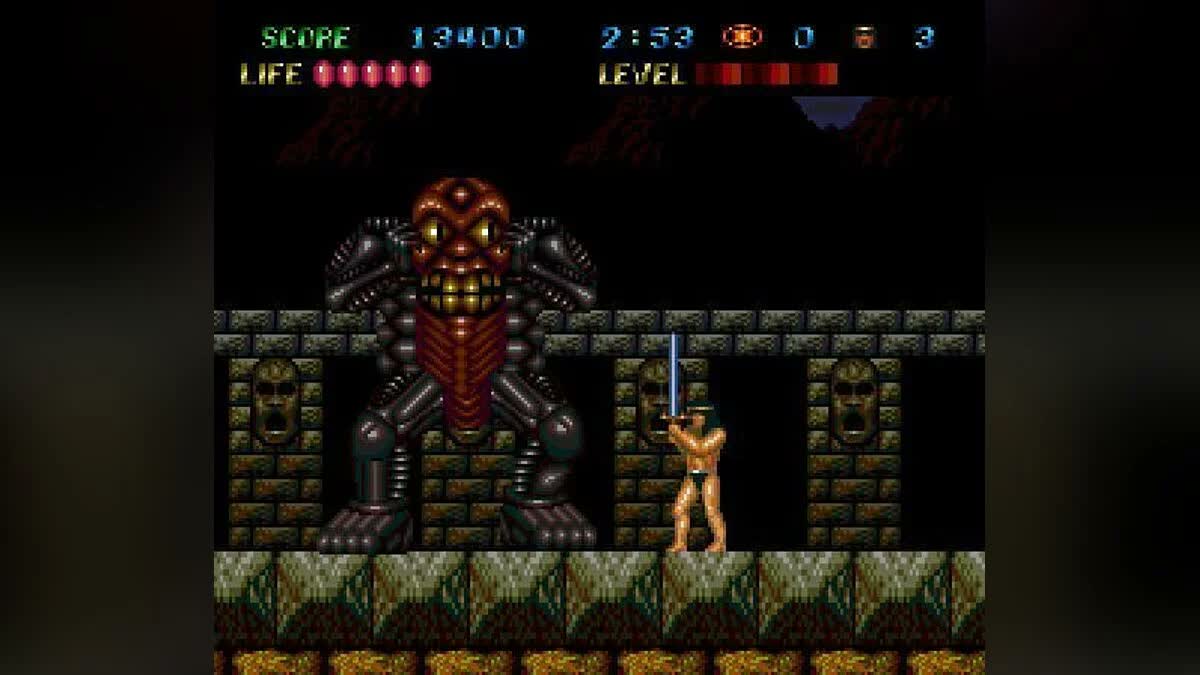
The first Legendary Axe collected awards and became the system’s early showpiece, so the sequel had a hard act to follow — and mostly, it followed it in a darker direction. You play a prince fighting his own brother for a stolen throne, sword in hand, through lightning-lit stages with a gothic streak the original never had. Everything is bigger, moodier, meaner. It got shrugged off at the time as more of the same by reviewers in a hurry. Play it today, back to back with its famous sibling, and you’ll wonder what they were looking at.
3. Bloody Wolf (1990)
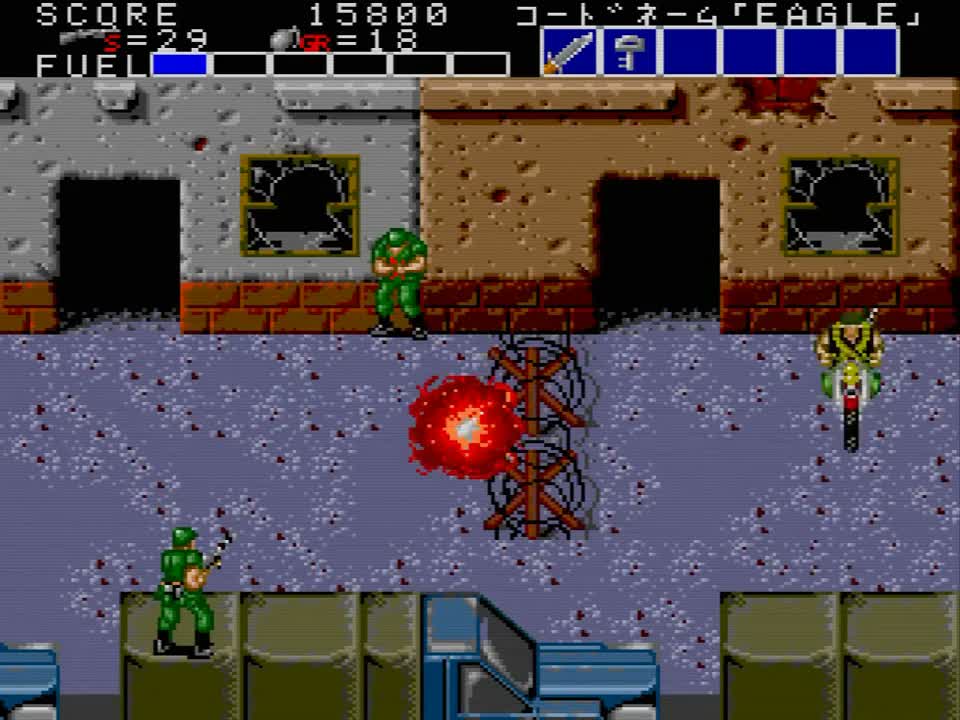
Data East’s overhead commando shooter takes the Ikari Warriors formula and feeds it espresso. Two commandos — codenames Snake and Eagle — blast through enemy territory rescuing hostages, dueling with knives, commandeering a motorcycle, and eventually saving the President himself, because of course they do. The cutscene dialogue is gloriously stiff and the soundtrack pounds. It missed its moment because it arrived early, on a small install base, while Contra owned the entire conversation. As pure run-and-gun craft, it stands shoulder to shoulder with anything on the NES.
4. Jackie Chan’s Action Kung Fu (1992)
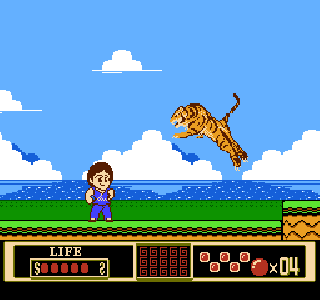
Everyone saw the name and assumed a cheap celebrity cash-in, and everyone was wrong. Hudson Soft built one of the prettiest, tightest platformers on the system: huge, expressive sprites, a Jackie who picks up new techniques as he goes, and boss fights — including a gloriously unfair tiger — that demand real skill. The control is so good it feels like a game from a bigger, richer console. It flew under the radar precisely because the license that should have sold it made serious players skip it on principle. Their loss. This is top-tier TurboGrafx.
5. Galaga ’90 (1989)
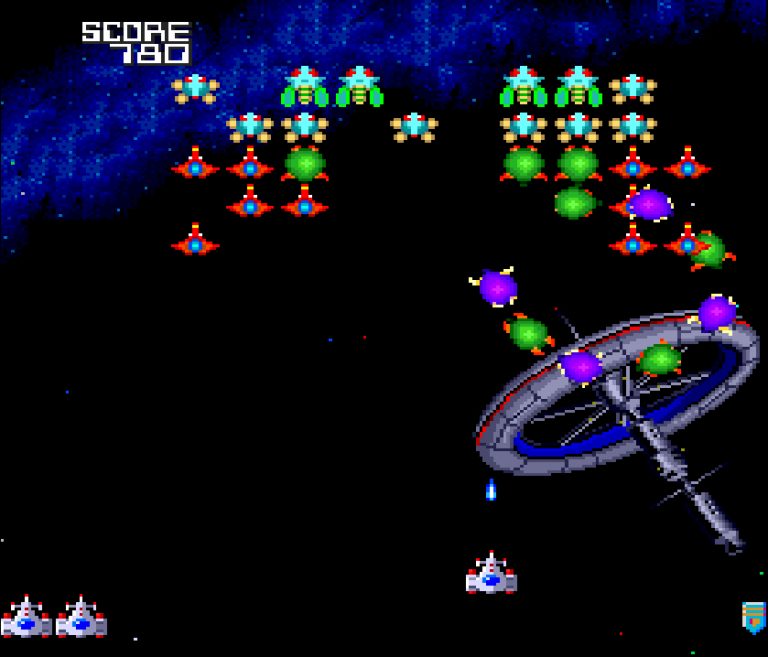
Namco’s Galaga ’88, renamed and sent to a system that was busy selling itself as the future — which is exactly why a sequel to a 1981 arcade game got walked past. Big mistake. You get triple-fighter formations, dimension warps that reroute the entire campaign, screen-filling bosses, and the purest score-attack loop of its generation. Nothing here is wasted and nothing here is broken. In an era of licensed platformers and half-baked ports, Galaga ’90 is a master class in how to update a classic — and quietly the best home Galaga of the whole 16-bit age.
6. Parasol Stars (1991)
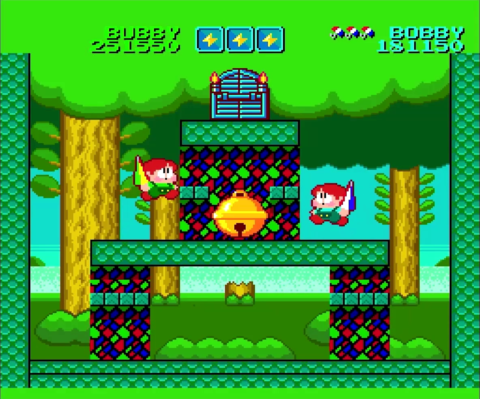
The third game in the Bubble Bobble family — after Rainbow Islands — and in North America, this HuCard was the only place to play it. No SNES port, no Genesis port, nothing. Bubby and Bobby return armed with parasols that block, catch, and launch, and the water-drop mechanics chain into screen-clearing torrents once you learn to read a stage. The scoring system has layers most players never peel back. It stayed obscure because cute Taito platformers on a dying system got tiny print runs. A shame — it’s arguably the best game in the entire series.
7. Time Cruise (1992)
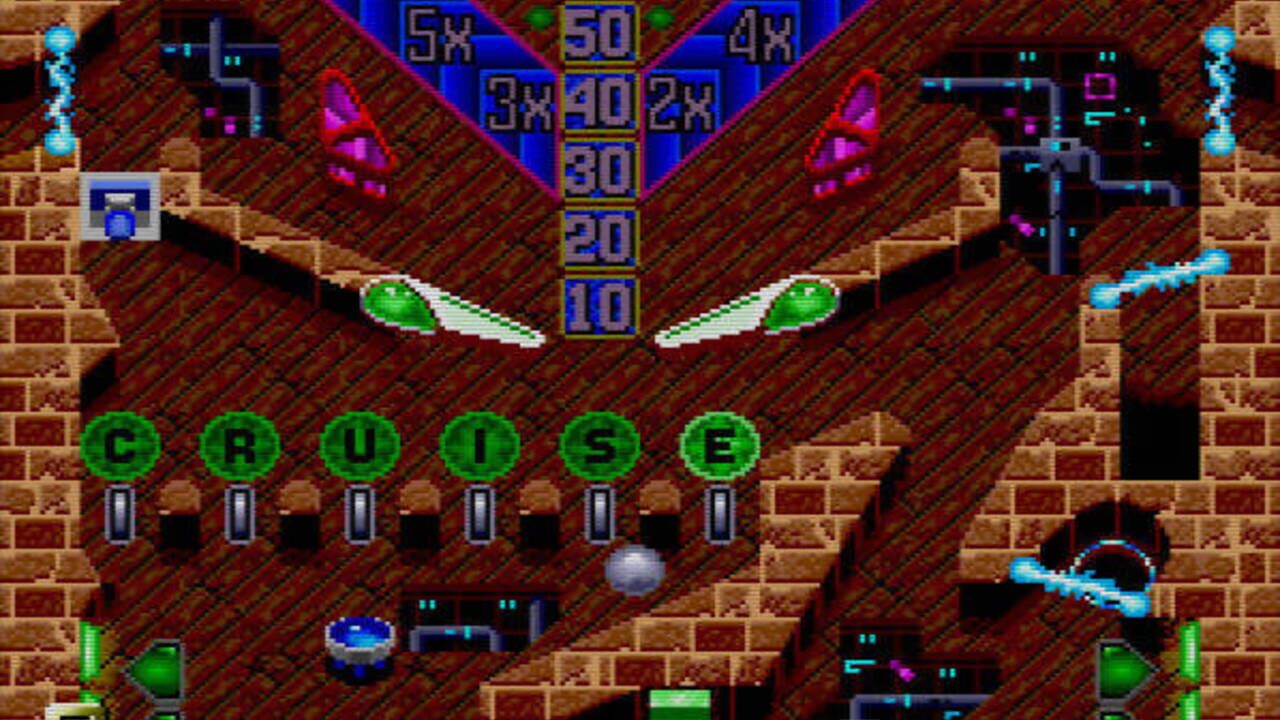
Devil’s Crush wears the TurboGrafx pinball crown, but Time Cruise aimed higher and, in ambition at least, cleared it. This is a sprawling, multi-screen table built around time travel, with bonus stages that fling your ball into prehistory and the far future and physics that reward patience over luck. The main table alone is enormous — you’ll still be discovering ramps and secrets hours in. It got forgotten because history apparently only has room for one pinball game per console, and the other one had a dragon skull on the box. Play both. This is the deeper game.
8. Dead Moon (1992)
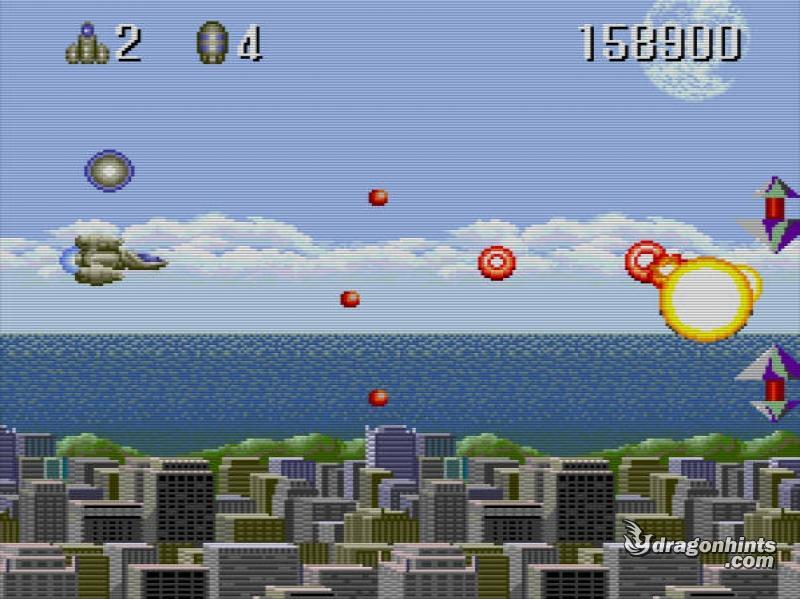
A horizontal shooter built on a premise worth the price alone: something has been hiding inside the Moon, and it’s coming down. Dead Moon opens with your ship skimming over a sleeping city at dawn — parallax everywhere, the great pale moon hanging over the whole campaign — and keeps that dreamy, melancholy mood through six stages of fair, learnable challenge. This is a shooter a normal human can actually finish, and feel great about finishing. It vanished because 1992 was late, the publisher was a nonentity, and there was no arcade original to trade on. Shooter fans who find it tend to become evangelists.
9. Silent Debuggers (1991)
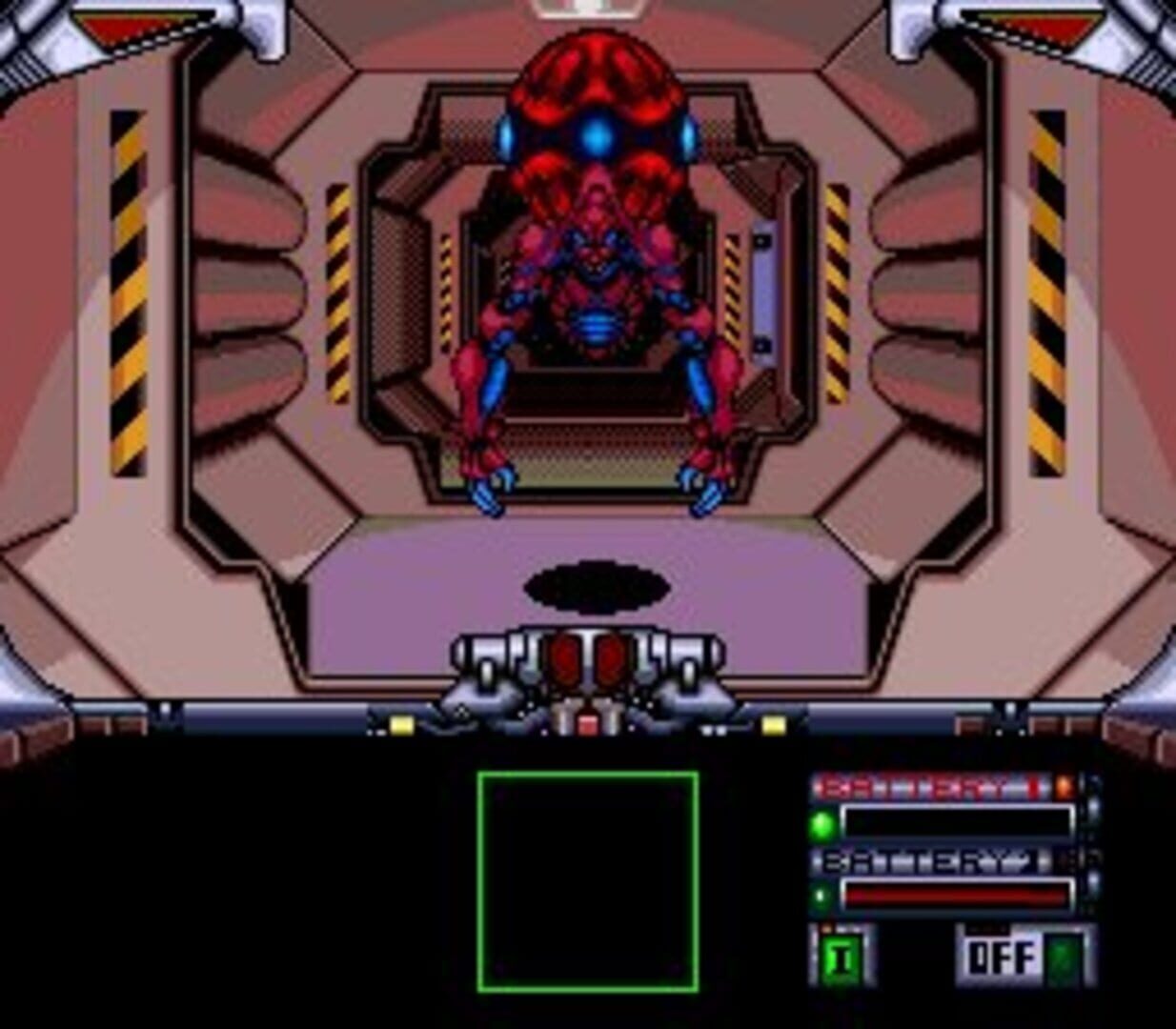
First-person sci-fi horror, in real time, on a HuCard, in 1991 — a decade before the genre had a name for what this is. Alien “bugs” have infested a space station, and you hunt them corridor by corridor, navigating by sound cues and sensor sweeps, swapping between two hunters, watching your battery charge like it was your own heartbeat. It is genuinely frightening in a way almost nothing on a 16-bit console even attempts. It scared its audience off in its own day, too — demanding, disorienting, and utterly unlike anything else in the store. That’s exactly why it still feels startling now.
10. Order of the Griffon (1992)
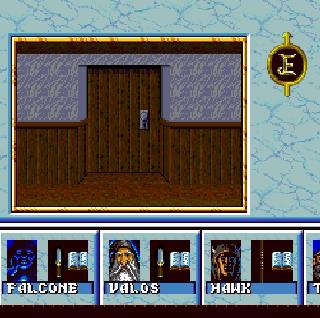
Westwood and SSI put a real Dungeons & Dragons campaign on a HuCard — Mystara setting, a proper party of four, first-person exploration, and turn-based grid combat with Gold Box DNA in every encounter — and console players walked straight past it. This is the deepest role-playing game on the system that doesn’t spin on a CD: spell management, tactical positioning, dungeons that punish the unprepared. It missed because the TurboGrafx’s RPG reputation begins and ends with Ys, and computer-style RPGs weren’t what kids asked for at the counter. If modern dungeon crawlers are your thing, this is their console ancestor.
11. Somer Assault (1992)
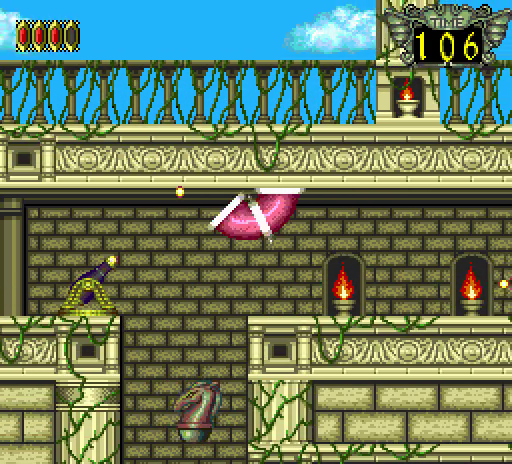
You play a slinky. Let’s get that out of the way, because Atlus did, and then built a brilliant game around it anyway: your slinky climbs walls, crosses ceilings, and somersaults through twelve zodiac-themed stages — one for every month of the year — shooting stars at bosses who have clearly never been threatened by a toy before. The miracle is how natural it feels; the whole moveset grows out of that one ridiculous idea. It flew under the radar because nobody in 1992 knew how to sell a weaponized slinky, and honestly, fair enough. It’s the most original platformer on the system precisely because nobody could tame it.
12. Cratermaze (1990)
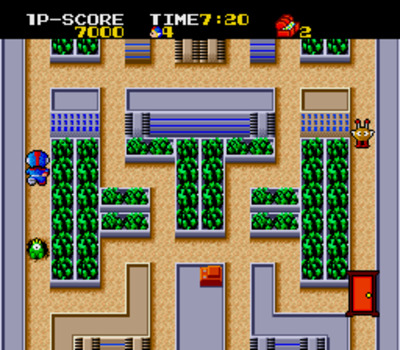
Hudson’s maze-chase charmer runs on the same simple, compulsive circuitry as Bomberman and Lode Runner. Monsters are hunting you through the maze; your only weapon is a shovel — dig a pit, let a pursuer tumble in, bury it, grab the treasure, find the exit. (In Japan this wore a Doraemon skin, which tells you how big it was back home; the reskin changed nothing that matters.) It stayed hidden because nobody bought a TurboGrafx for a maze game, so a genuinely addictive arcade puzzler sat in plain sight. Sixty stages in, you will still be saying “one more.”
13. Veigues Tactical Gladiator (1990)
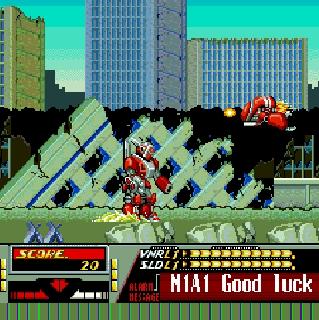
A giant-robot game with something most mecha games never find: weight. Your Veigues unit takes location damage — arms, legs, torso — and limps accordingly, earning repairs and upgrades between stages before stomping back into ruined cities against screen-filling bosses. It comes from Game Arts, a few years before Lunar made their name, and you can feel the ambition in every heavy footstep. It got skipped because it was slow and deliberate in an era selling speed, under a name nobody could pronounce on the first try. Give it twenty minutes. The heft wins you over.
14. Moto Roader (1989)
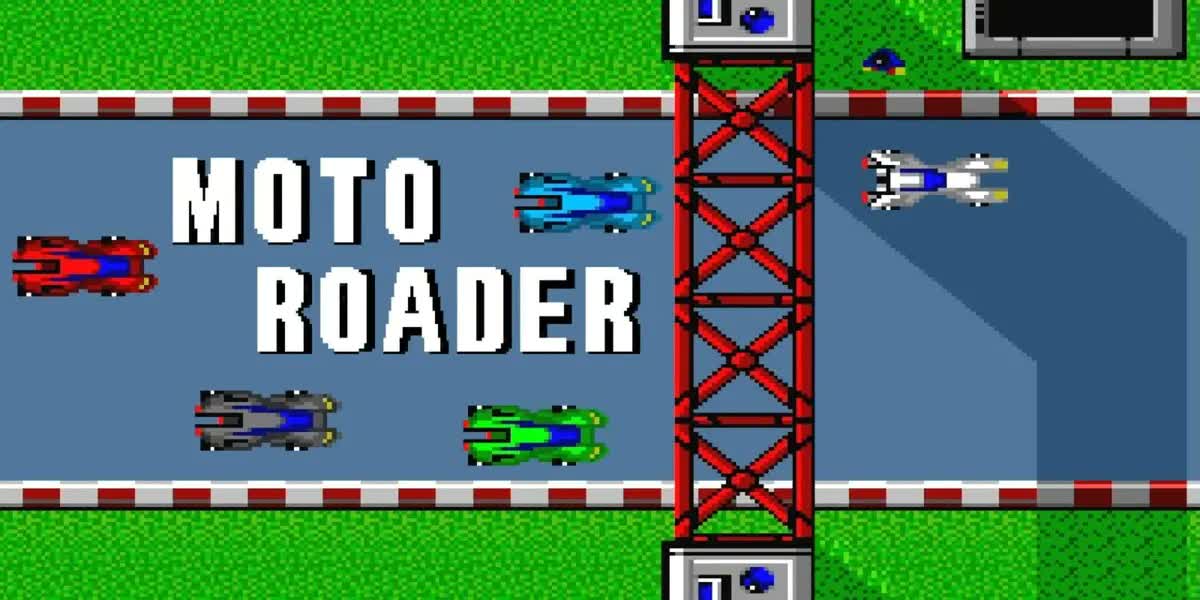
A top-down racer from the system’s launch window, built around one gloriously unfair idea: five players, one screen, via the TurboTap. Moto Roader’s handicap system hands the trailing racers better parts and weapons between heats, so nobody runs away with the championship and every race curdles into a grudge match. The racing underneath is sharp and fast, closer to a demolition derby with lap times. It missed because it demanded the multitap and four friends from a tiny install base — a big ask in 1989. As a party game it was years ahead of its time, and the chaos has not aged a day.
15. Tricky Kick (1990)
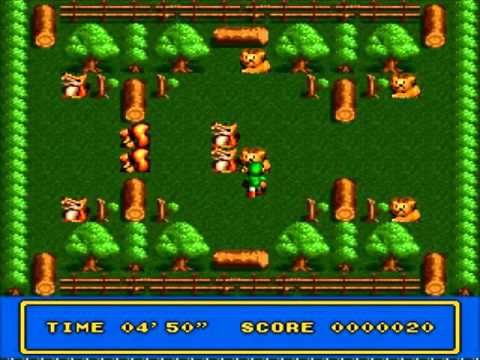
A puzzle game with no mascot, no license, and no mercy. You kick creatures across a grid to pair each one with its match — animals, robots, spooks, six different heroes’ worth of them — through 120 stages of escalating brain-bend, every solution landing as a little “oh, of course” moment. There’s nothing to hide behind: no reflexes, no luck, just design so clean it feels inevitable once you see it. It vanished because quiet thinkers were never going to be discovered on a system desperate for flash. If you love puzzle games that respect your intelligence, this is the deepest cut on this list.
Where to start
If you only chase three, make it these: Cadash with a friend in co-op, Parasol Stars for the sheer concentrated joy of it, and Silent Debuggers alone, late, with the lights off. Then work your way down the list — there isn’t a dud in the fifteen.
The TurboGrafx story in America gets told as a failure, and commercially, sure, it was. But the library never got that memo. It’s deep, it’s weird, and a startling amount of it is still waiting to be discovered by people who would love it. Some of the best 16-bit games ever made are hiding on the console nobody bought. Go be a witness.