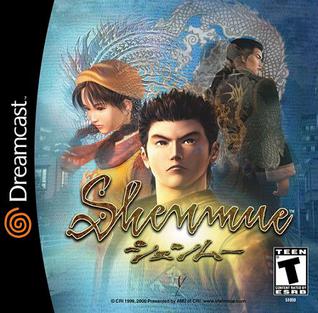
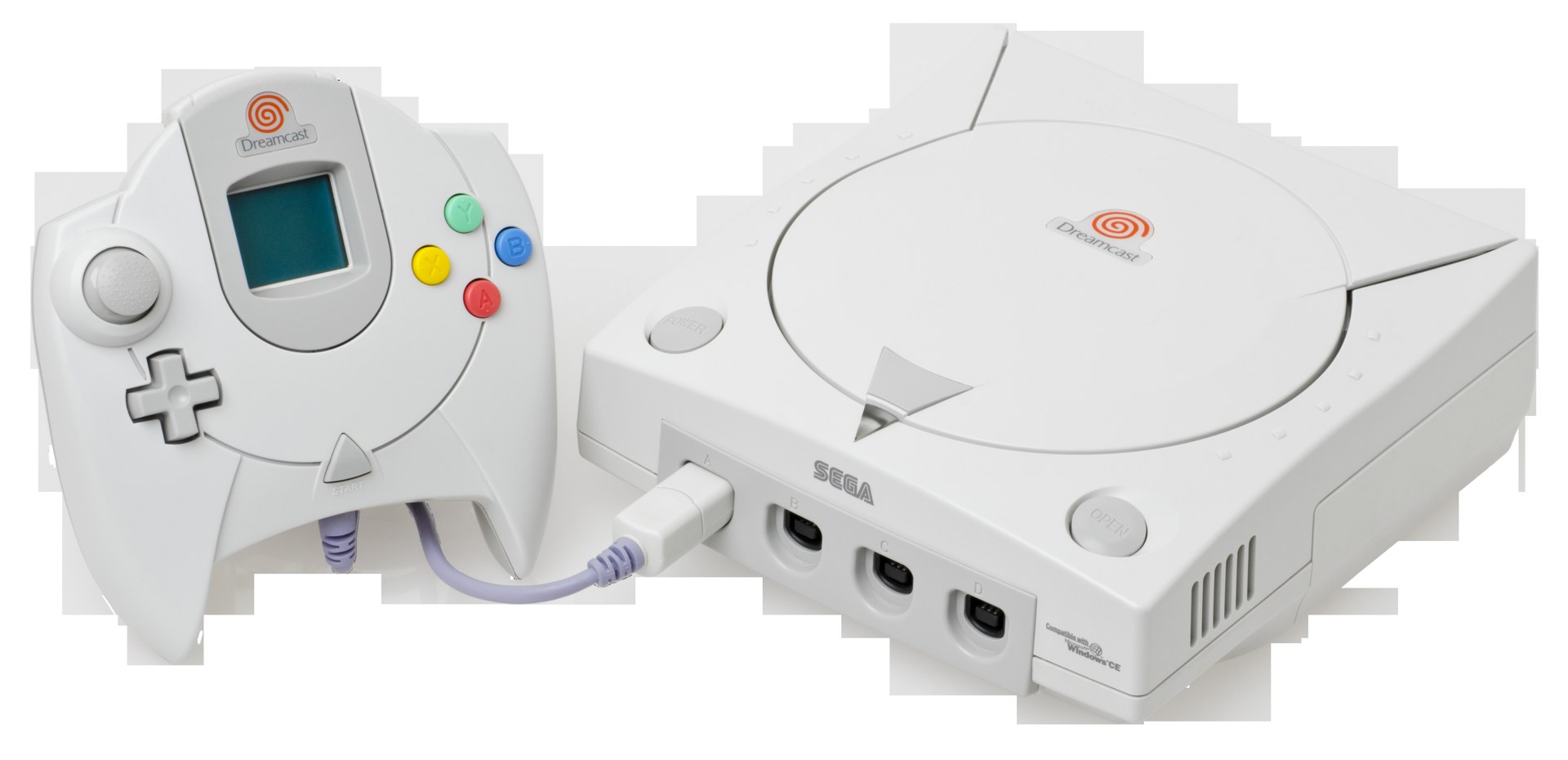
On 9 September 2014 — Dreamcast day, fifteen years after the console’s famous North American launch — this site noted a small, happy piece of fan archaeology: What’s Shenmue, the Japanese-only demo disc Sega had given away in 1999, had been fan-translated into multiple languages. It is worth slowing down over that sentence, because almost every part of it hides a story. A demo, but not of the game it advertised. A giveaway, but one that became a collector’s item. A translation, but of a twenty-minute joke scenario starring a real Sega executive, which turns out to be one of the most charming documents of the Dreamcast era — and one that, without the fans, most of the world simply could not read.
A Demo Sega Owed Its Fans
Start with why the disc exists at all. Yu Suzuki’s Shenmue, Sega AM2’s enormously expensive open-world epic, was meant to reach Japanese shelves on 5 August 1999. It did not — the game slipped, first to October, eventually to 29 December 1999. Sega’s apology was a game in itself. Pre-order customers received, on the original release date, a special disc titled What’s Shenmue: Search for Yukawa (Former) Senior Managing Director, and a second edition followed through Famitsu magazine. The two editions are identical inside; only the covers differ, blue for the pre-order disc and orange for the Famitsu one — a distinction that matters now, because the orange Famitsu version has become genuinely valuable while the blue one remains an affordable curiosity.
Most demo discs of the era were slices cut from the finished product. What’s Shenmue is something stranger and better: an original scenario, written for the disc, that never appears in the real game. Alongside it sit four real-time character movies — monologues by Ryo Hazuki, Nozomi, Xiuying and Mark explaining the world and systems of the coming game — which Sega later recycled onto the Shenmue Passport disc bundled with the retail release.
Find the Executive, Save the Executive
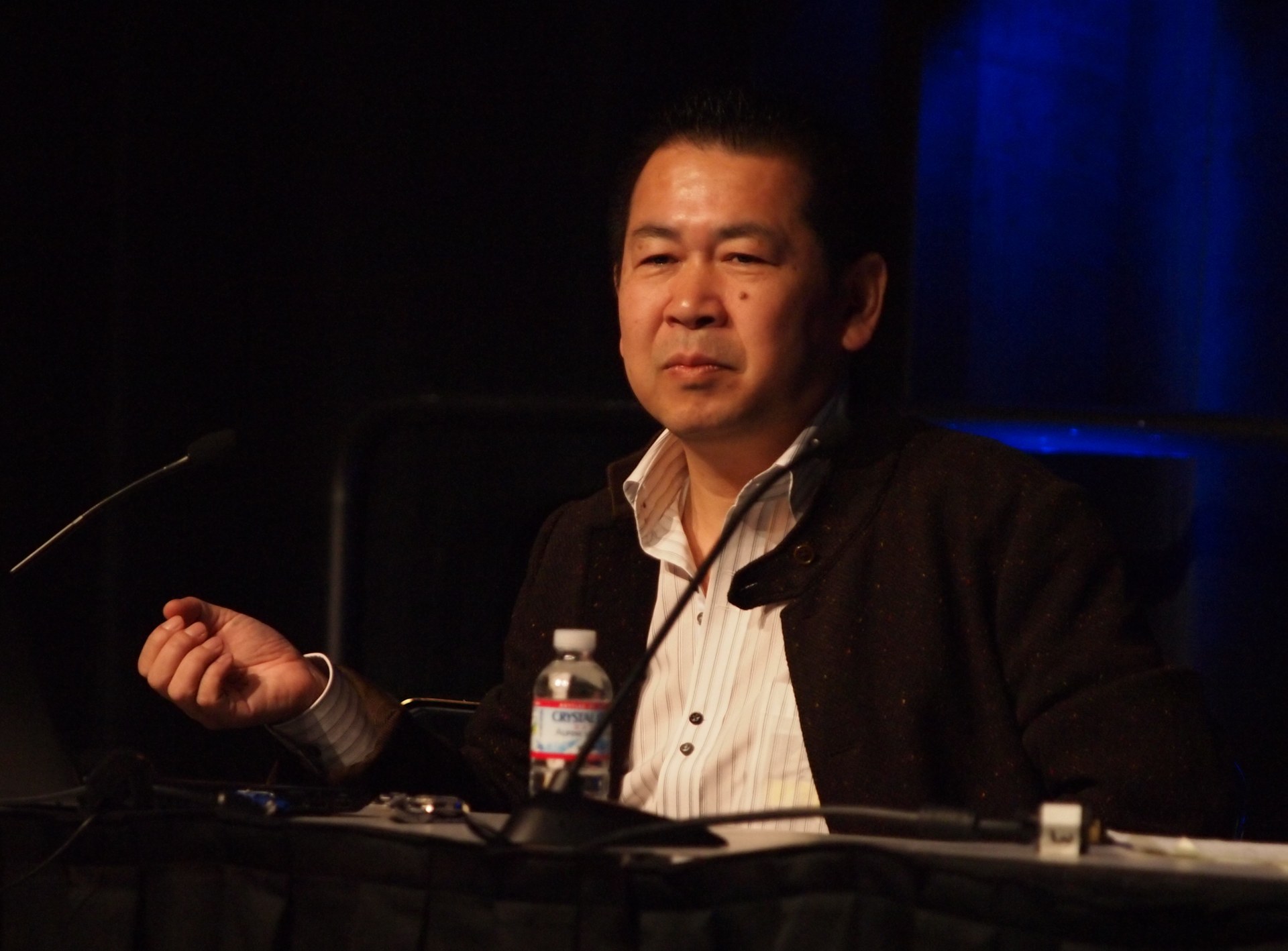
The scenario is a miniature Shenmue campaign, compressed into roughly half an hour in a fenced-off slice of Dobuita, the shopping street at the heart of the full game. Ryo is given a deadline — find Mr Yukawa by 7:00 pm — and a motive with a wink in it: Yukawa is carrying something valuable, and somebody dangerous wants it. The Yukawa in question is no ordinary non-player character. Hidekazu Yukawa was Sega of Japan’s real senior managing director, the public face of the Dreamcast in Japan, star of its television commercials and a man whose face appeared on Japanese Dreamcast packaging. Sega, in other words, built its flagship game’s demo around rescuing its own boss.
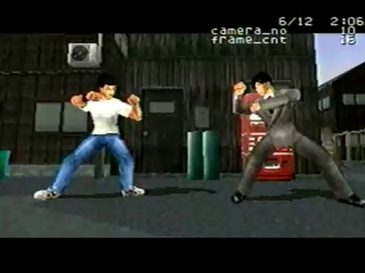
The search plays as a tutorial in Shenmue’s whole vocabulary, disguised as a detective story. Ryo questions the locals, starting with Tom Johnson at his hot dog stand, follows the trail through the street’s shops and faces a Quick Time Event scuffle with the delinquent Enoki and his friend Nagashima — faces and encounters arranged differently from the finished game, which is part of the disc’s fascination for historians. Details are subtly wrong everywhere, in the way only a pre-release build can be: Tom’s shirt carries a different design, Ryo can crouch with a button for no reason the final game ever found, businesses stand shuttered in daylight, and whole side streets are politely barricaded by citizens who will not let you pass. It is Shenmue as a rough draft of itself.
Then comes the set piece everyone remembers. Yukawa is finally spotted leaving the Asia Travel Company, assumes Ryo is the villain of the piece, and runs. The chase that follows is a long QTE pursuit through Dobuita’s bar district and main street — fail it once and you may retry; fail it twice and the demo ends — cornering the executive at last outside the You Arcade, where the genuine attacker arrives demanding the valuable disc Yukawa carries, and Ryo settles the matter the Hazuki way. Whereupon the whole adventure collapses into its punchline: Yukawa wakes at his office desk, surrounded by stacked Dreamcast boxes, realises it was all a dream, and throws himself into selling as many Dreamcasts as he possibly can so that Shenmue will succeed. As corporate marketing goes, it is disarmingly honest about what it is.
The Translation Problem
All of this charm was locked behind a language barrier for fifteen years. What’s Shenmue was distributed only in Japan, with Japanese text and voices and no official translation of any kind — Sega had no reason to localise an apology. For the growing international cult that formed around Shenmue in the Dreamcast’s afterlife, the disc was a known treasure they could play but not understand, piecing the plot together from walkthroughs and guesswork.
The fan version that this site reported in September 2014 changed that in the most thorough way available. Rather than a single English patch, the fan-hacked release offered a choice of languages from within the one disc image: English, Spanish, German and Brazilian Portuguese, text translated while the Japanese voices remained — which, most Shenmue fans would tell you, is how the series sounds best anyway. The same set of four languages is what later reference works record as the translation’s coverage, and it transformed the disc from a collector’s shelf item into something the whole international fanbase could actually play as intended: a joke you are finally in on.
Why a Twenty-Minute Joke Endures
Perspective helps here. Shenmue itself cost, by Suzuki’s later accounting, around $47 million including marketing; it sold about 1.2 million copies, was adored, and lost money anyway. What’s Shenmue is the same production’s sense of humour at miniature scale — a studio so deep into its world that, asked for a stopgap, it produced a self-contained short story with exclusive encounters, altered locations and a dream ending, starring its own management. Nothing about that was necessary. All of it is why people still care.
The fan translation, arriving fifteen years later and in four languages, is the other half of the preservation story. Sega never reissued What’s Shenmue; it was not part of the later high-definition re-releases of the main games, and officially it remains a Japanese promotional disc from the summer of 1999. Everything that keeps it playable and legible to the world — the translation, the documentation of its differences from the finished game, the guides to its chase sequence and its fail states — is fan labour. When this site covered the translation on Dreamcast day in 2014, it was reporting a small news item. With hindsight it was reporting the moment a piece of Sega’s strangest marketing became, permanently, part of the international Shenmue story. The executive got his dream. The fans made sure everyone else could share it.