At a glance: Nintendo Switch (also PS4/PS5, Xbox, PC) · Publisher: ININ Games · Developed with Tozai Games · Released: 2023 · Three games, multiple versions · Genre: vertical and horizontal shoot ’em up · Players: 1–2 · Price at launch: $24.99
There is a version of this review that writes itself in one sentence: no R-Type. ININ’s Irem Collection Vol. 1 opens a planned multi-volume raid on one of the great arcade catalogues and pointedly leaves the crown jewel in the vault, leading instead with Image Fight and its sequel and the magnificently weird XMultiply. That is either admirable confidence or a hostage situation, depending on your temperament. Having lived with the collection, we call it confidence, mostly: these are three of the toughest, most distinctive shooters of their era, presented in more versions than any sane person requires. The question is whether three games, however deep the bench of ports, makes a collection.
Three Games, Many Lives
The contents, precisely: Image Fight (1988) in its arcade, PC Engine and NES/Famicom incarnations; Image Fight II: Operation Deepstriker (1992) in its sole PC Engine CD form; and XMultiply (1989) in Japanese and World arcade variants. The version-stacking is the collection’s thesis statement. Playing Image Fight across three formats is a genuine education in late-eighties porting, the PC Engine version running the arcade close, the NES edition a fascinating act of compression, and collectors who have chased the original PC Engine CD of the sequel will feel a small financial weight lift. This is the anniversary-edition approach: fewer songs, every take.
Image Fight: The Taskmaster
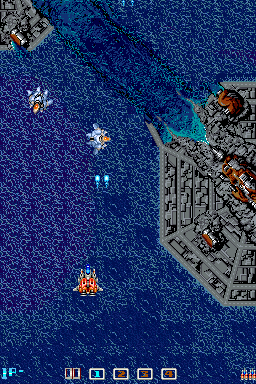
Image Fight itself deserves its reputation twice over. It is a vertical shooter of unusual discipline: four pilot-selectable speeds, detachable red pods that flank your ship and can be flung forward as a weapon, a scoring system that grades your destruction rate after every stage and banishes underperformers to a penalty zone, and a two-loop structure that treats survival as the entry fee for mastery. It is famously, proudly hard, a memoriser in the strictest sense, and its influence is written into genre history: Treasure’s Hiroshi Iuchi has cited it as an inspiration for Radiant Silvergun, and you can feel the lineage in every demanded pattern. On the Switch it plays beautifully, in portrait if you are properly equipped, and the collection’s rewind and save states let modern players practise the way arcade veterans once practised with a pocket of coins.
The Sequel and the Odd One In
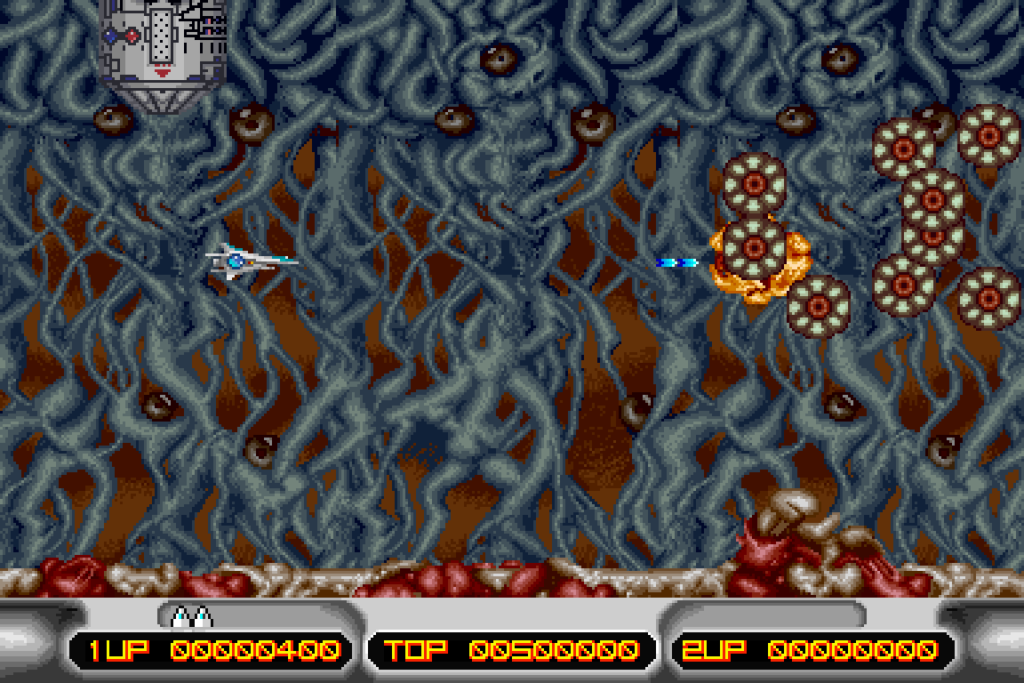
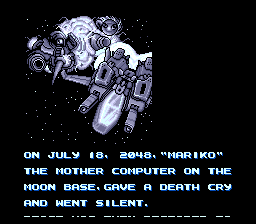
Image Fight II doubles down on everything: bigger bosses, crueller stages, the indignity of rebuilding your armament from scratch at each stage’s start, all wrapped in lengthy anime cutscenes that chart a genuinely sombre little war story. Those cutscenes are also the collection’s most avoidable own goal: the Japanese speech arrives with no English subtitles, a missed trick that several critics flagged and that a patch could still fix. XMultiply, arriving last, is the palate cleanser and arguably the secret star: a horizontal shooter set inside a human body, your ship’s twin tentacles flexing around corners to strike enemies above and below, drenched in organic horror imagery that owes R-Type a debt and pays it with interest. It is friendlier than its stablemates, stranger than both, and the game newcomers will actually finish.
The Versions, Examined
Linger on the version list a moment longer, because it is doing more than padding a bullet point. The arcade Image Fight is the purest object here, but the PC Engine port, handled with the fidelity that made Hudson’s machine the connoisseur’s import of its day, is close enough to argue about, and the argument is the fun. The NES edition, meanwhile, is a small miracle of reduction, its flicker and compromises mapping exactly which parts of the design were load-bearing. One port is conspicuously absent: the Sharp X68000 version, long considered among the finest home conversions, is not included, and completists will register the gap. Even so, this is how back-catalogue releases ought to behave, treating ports as texts worth comparing rather than rounding errors to be hidden. Image Fight II benefits most from the rescue treatment. Its PC Engine CD original became an expensive import trophy; here it simply boots, its brooding campaign intact, untranslated cutscenes and all, for the price of a pizza.
A word about who should apply. These are memorisation shooters from the genre’s sternest school, and the collection’s difficulty settings, rewind and cheats soften the landing without changing the destination: you will still be studying patterns, still dying to the same ambush until it becomes choreography. Players raised on bullet-hell’s generous hitboxes should know that Image Fight’s ship is honest-sized and its stages are corridor-tight. This is not a flaw. It is the product. But it does mean the collection’s true audience is the already converted and the genuinely curious, and its score reflects that narrower church.
The Package
Emulation across the set is strong, the display and filter options are as adjustable as ININ’s releases have led us to expect, and the quality-of-life suite, save states, rewind, optional cheats for invincibility and infinite lives, lowers the drawbridge on games that were built to keep you out. Purists will note, correctly, that infinite lives rob a memoriser of its meaning; the rest of us will note, also correctly, that the drawbridge is optional. Presentation is where the wheels wobble: the game-select screen is bare to the point of looking unfinished, complete with odd slowdown as it cycles, and there are no manuals, galleries or historical notes to speak of. At twenty-five dollars for three titles, however many versions deep, the value argument leans heavily on how much of your heart belongs to Irem’s hardest era.
“Three great shooters, one of them a landmark, preserved in every version that matters — inside the plainest box ININ has ever shipped.”
It is also worth placing Vol. 1 in the series it started. ININ has framed the Irem Collection as a multi-volume project, and this first instalment’s shmup-only focus is a deliberate opening statement rather than the whole argument: the catalogue it is mining includes platformers, brawlers and oddities that later volumes exist to cover. Judged as episode one, the narrowness makes a certain sense, a genre, a developer, a house style, presented whole. Judged as a standalone purchase, which is how most buyers will meet it, the narrowness is the caveat that follows it out of the shop. Both judgements are in the score.
Verdict
IREM Collection Vol. 1 is a connoisseur’s release wearing a generalist’s price tag. The games are excellent and historically significant, the emulation and options are beyond reproach, and the multi-version archaeology is exactly the treatment this material deserves. But three titles, however exhaustively presented, is a thin shelf, the headlining pair are difficult enough to wall off casual buyers entirely, and the untranslated sequel and bargain-bin menus suggest the budget ran out before the ambition did. Shmup faithful: add a point, and consider the physical edition for the shelf, because this is your history being written down properly. Everyone else, wait for a sale and bring patience. 6.5/10