Every games console dies. The Master System died in North America in the early 1990s, faded in Europe and Japan not long after — and in Brazil, it simply never got the news. Thanks to one licensee, TecToy, the Master System was manufactured, marketed and sold in Brazil for decades after Sega itself had moved on: through the Mega Drive era, the PlayStation era, and into a present where Brazilian shops have stocked new Master System hardware, in evolving forms, within living memory of the PlayStation 4. It is the strangest afterlife in console history, and it made the Master System, in one enormous country, something it never quite was anywhere else: the people’s console.
TecToy was founded in 1987 by Daniel Dazcal, starting out in electronic toys before signing the licensing deal that defined it: in 1989 it became Sega’s Brazilian partner, and the Master System launched there that September, manufactured locally. Local production mattered enormously. Brazil’s import taxes made foreign electronics punishingly expensive, and a console built in the country — much of the industry clustered around the Manaus free-trade zone — could undercut imported rivals while looking, to Brazilian families, like the attainable one. The Mega Drive followed, Sega’s partnership deepened, and by TecToy’s own oft-quoted figures the company commanded a dominant share of the Brazilian games market in the early 1990s. Rivals arrived late, expensive, or both. The Master System arrived Brazilian.
Localisation With a Capital L
TecToy’s real genius was not manufacturing; it was translation, in every sense. Games were localised into Portuguese, still a rarity at the time. And TecToy commissioned games the rest of the world never saw — most famously by re-skinning Sega titles with Brazil’s beloved Turma da Mônica comic characters, so that Wonder Boy in Monster Land became a Mônica adventure and Brazilian children played a national institution inside a Sega classic. There were other local exclusives and adaptations besides, games built for Brazilian television and Brazilian heroes, the kind of catalogue no import-only competitor could match. A console is a library plus a price tag, and TecToy worked on both.
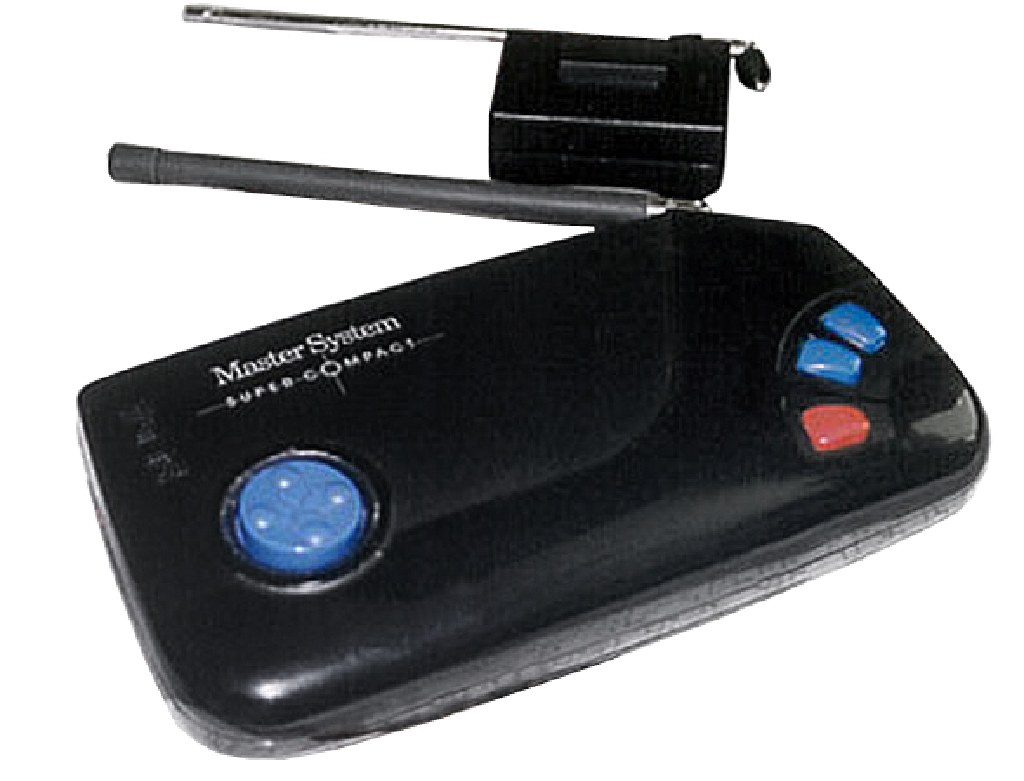
The hardware mutated just as freely. There was the Master System Girl, a pink edition aimed at girls in 1994 — clumsy by modern marketing standards, but evidence of a company still actively segmenting a market for a machine the rest of the world had retired. There was the Super Compact, a wireless handheld take on the console that beamed its picture to the television. And as the years rolled on, the line settled into its most famous Brazilian form: consoles with the games built in, no cartridge slot required, libraries growing with each revision.
The Machine That Kept Shipping
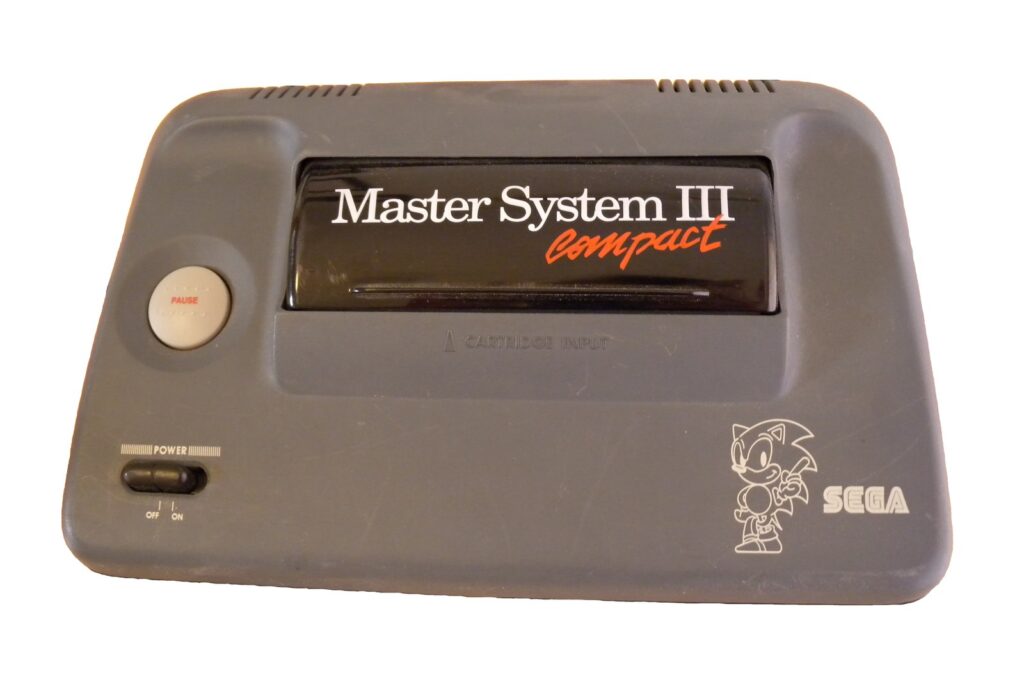
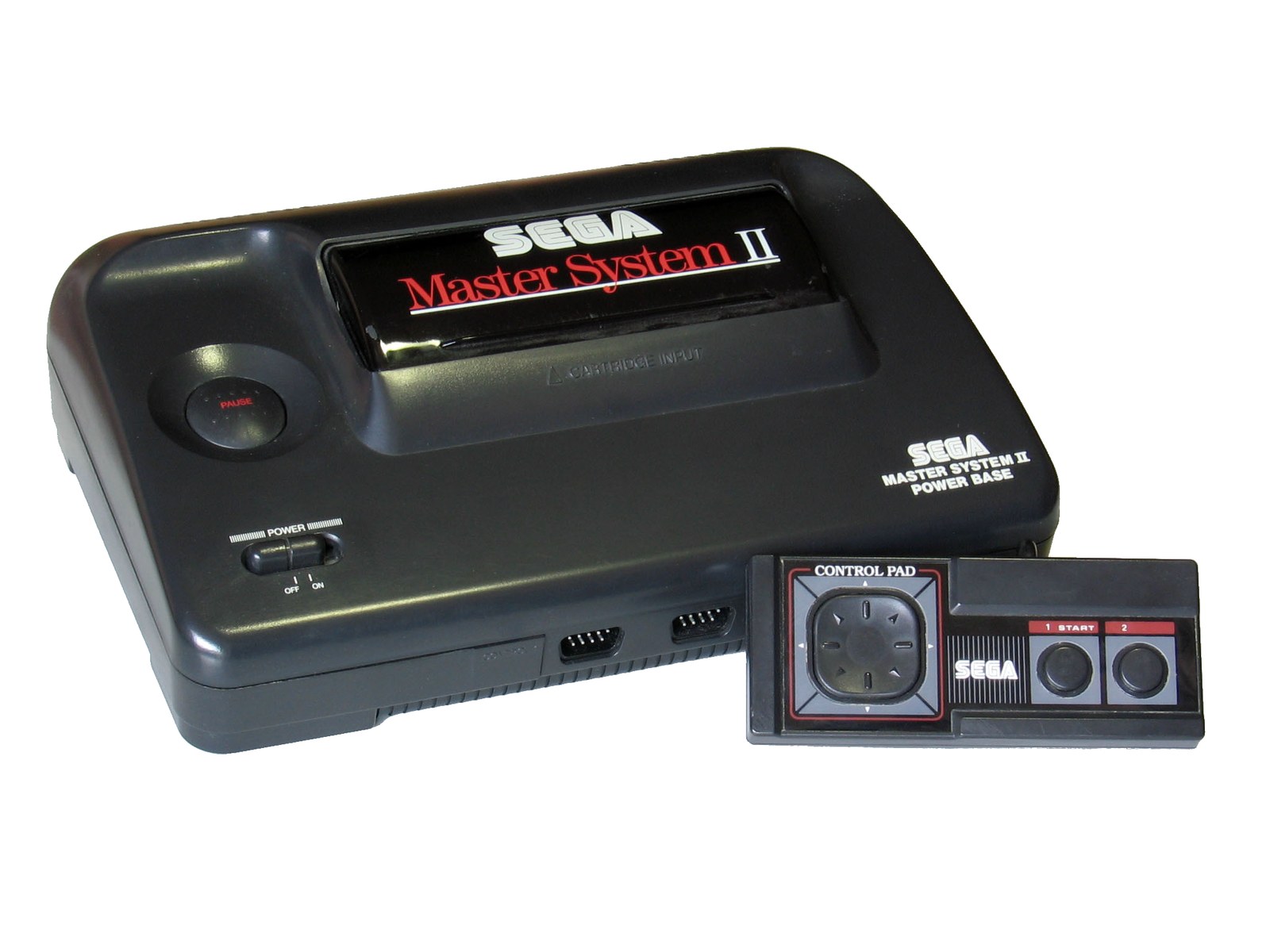
The Master System III Compact — grey, friendly, Sonic etched into the shell beside the cartridge slot — is the emblem of the era: a real Master System, sold new, in the 2000s. Later TecToy models dropped the cartridge slot entirely and leaned into built-in libraries, some carrying well over a hundred games, and the line continued through revisions such as the Master System Evolution in the 2010s, by which point the “console” was effectively a plug-and-play descendant of itself. Purists can argue about where the Master System ends and the tribute act begins. The Brazilian market, which kept buying them as affordable family machines, was never much interested in the distinction.
Why did it work for so long? Partly price, always price: each generation of TecToy hardware was engineered down to a cost that imported consoles could not touch. Partly infrastructure: a country where clone consoles and local champions were normal, and where Sega — via TecToy — had built genuine brand loyalty in the years when Nintendo had no comparable local operation. And partly the library: hundreds of games, many translated, some exclusive, fronted by Sonic in the years when Sonic was the most famous hedgehog on Earth.
A Second Life, Honestly Earned
The Games Brazil Got to Keep
One more strand deserves its own space: the software catalogue TecToy built around the hardware. Beyond the Mônica conversions, Brazil saw localised editions, exclusive releases tied to Brazilian television personalities and shows, and Sega titles that never reached other western shelves in the same form — the kind of catalogue depth that turns a console into a culture. When a Brazilian player lists their Master System memories, the list diverges from a British or American one in ways that are entirely TecToy’s doing: different cover stars, different pack-in games, different playground legends. Two children in 1993, one in São Paulo and one in Ohio, both “had a Master System” — and owned meaningfully different libraries for it.
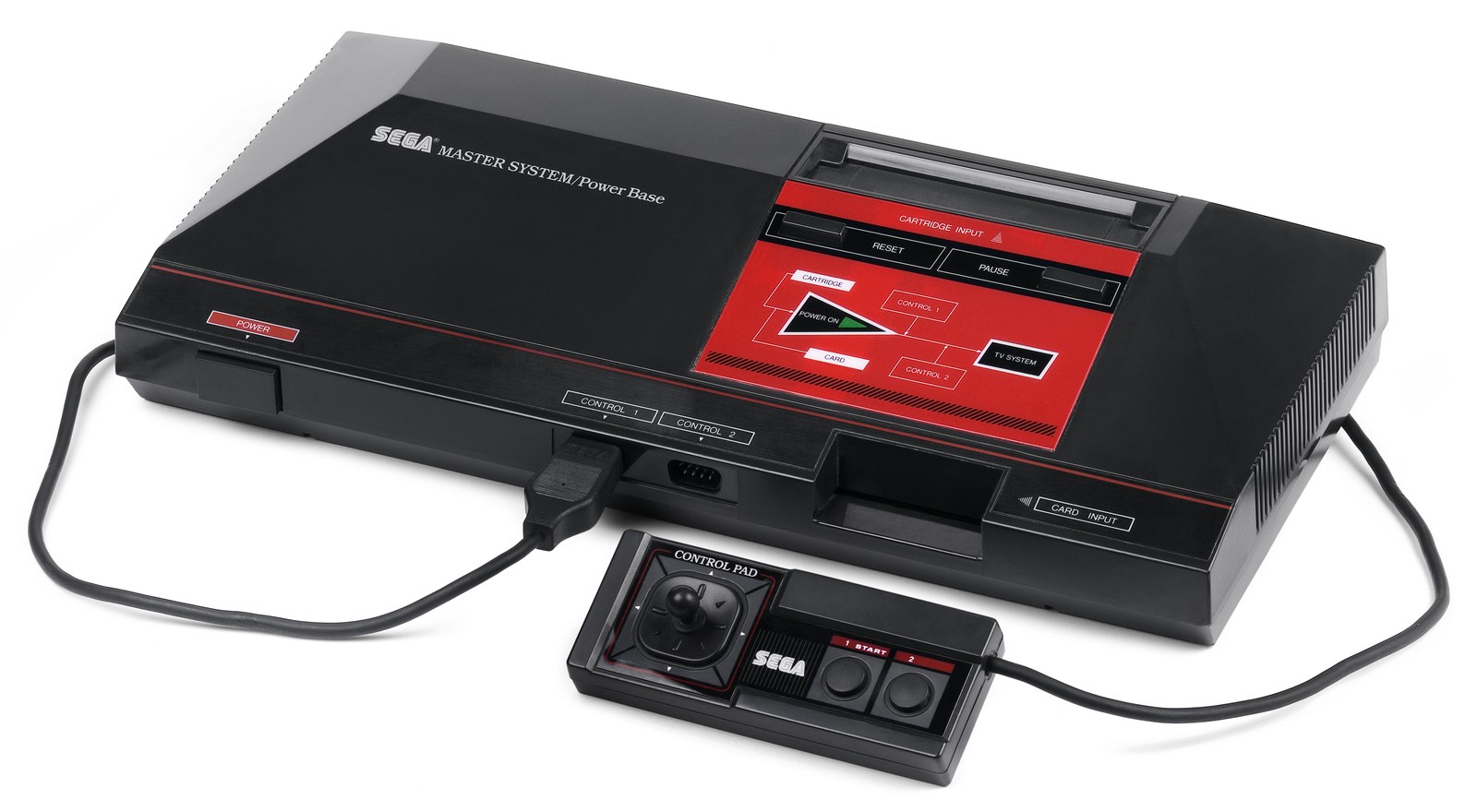
That divergence is why the Brazilian story matters to the console’s global one. The Master System was never a single fixed thing; it was a platform that regional partners interpreted — the FM-equipped Japanese edition, the long European tail, the Brazilian reinvention. TecToy simply interpreted it longest and boldest, treating an 8-bit machine not as legacy stock to be cleared but as a living product deserving new models, new marketing and new games. Every modern retro revival — the mini consoles, the plug-and-plays, the licensed throwbacks — is, knowingly or not, walking a path TecToy had already worn smooth in Brazil.
What the Numbers Cannot Quite Say
Hard figures for the Brazilian adventure are, honestly, hard to come by — TecToy’s market-share claims from its peak years are company figures, repeated so often they have hardened into folklore, and they should be read as such. But the visible evidence needs no spreadsheet: a licensed production line that ran for decades, shelf space in mainstream Brazilian retail long after the format’s obituaries were written elsewhere, and a second-hand market today in which TecToy variants — the Girl, the Super Compact, the successive Master System IIIs with their ever-growing built-in libraries — are collected as distinct editions in their own right. Longevity on that scale is not a statistical artefact. Something real was being bought, by real families, for a very long time.
For collectors outside Brazil, the TecToy line has become a field of its own — Brazilian-market consoles, Portuguese-language boxes and the local-exclusive games command attention precisely because they represent a parallel history that actually happened. Handle a Master System Girl or a Super Compact and you are holding evidence that the console wars had a southern front, fought by a local champion, on terms the northern histories rarely mention. That front held for decades.
TecToy itself had hard years — the company went through financial restructuring in the late 1990s, later re-emerged, and even took one more swing at new hardware with the Zeebo in 2009 — but the Master System line outlasted every corporate weather system thrown at it. That is the point of the story. Consoles are supposed to be replaced. In Brazil, one was adopted — manufactured locally, translated lovingly, priced honestly and revised endlessly — until its lifespan stopped being a product cycle and became a piece of national gaming culture. When collectors elsewhere hunt a Master System III Compact with Sonic etched on its shell, they are not buying a curiosity. They are buying the receipt for the longest console life ever lived.