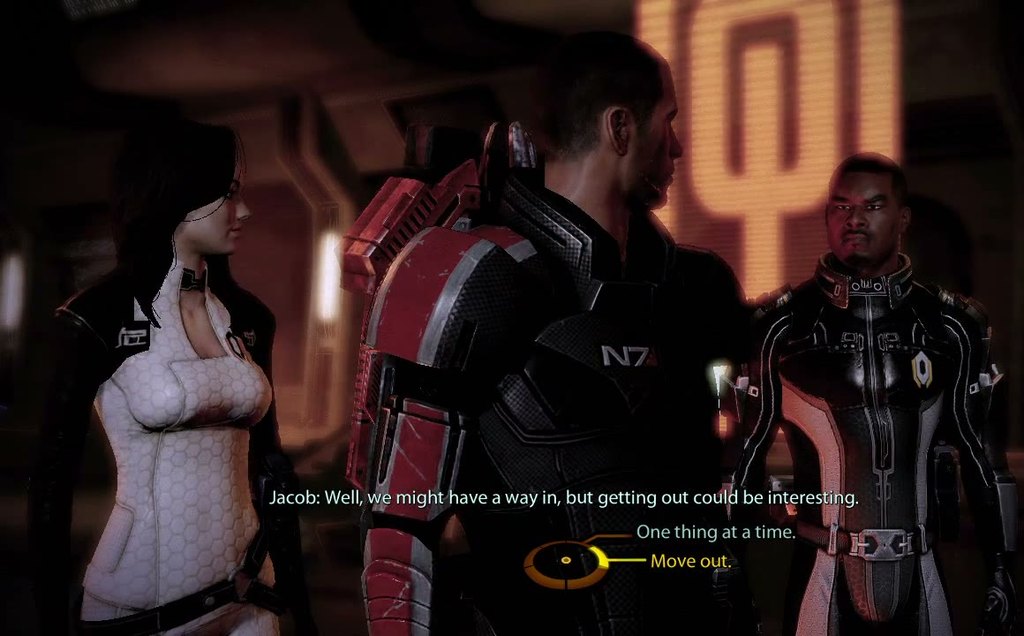
At a glance: Mass Effect 2 · Xbox 360 · BioWare / Electronic Arts, 2010 · Action RPG · Score: 9.5/10
Mass Effect 2 opens by killing you. Commander Shepard — your Shepard, imported face, history and all from the first game if you have the save — dies in the Normandy’s destruction in the opening minutes, is rebuilt by a terrorist organisation, and is sent to assemble a dozen dangerous specialists for a mission nobody expects to survive. It is the boldest possible way to begin a sequel, and it announces exactly what BioWare intended: everything about the first game, questioned; everything that worked, sharpened; everything that didn’t, left in the wreckage with the old Normandy.
A dirty dozen in space
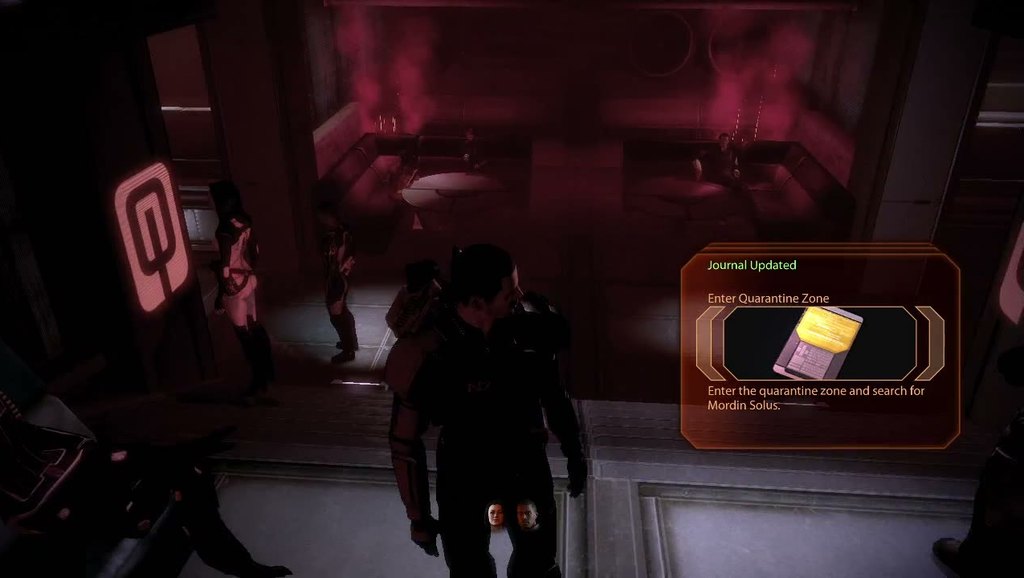
The structure is the game’s genius. Rather than a single linear quest, Mass Effect 2 is built as a recruitment drive: dossier by dossier you track down the galaxy’s most capable killers, scientists and lunatics — the krogan warlord Grunt, grown in a tank; the dying assassin Thane; the vigilante Garrus, your old squadmate turned one-man siege; the justicar Samara; the thief Kasumi; Mordin Solus, the singing salarian geneticist who may be the best-written character in the trilogy. Each recruit brings a mission, and each can be given a second, personal loyalty mission that decides whether they will live through the finale. The middle of this game is a dozen short stories, and nearly all of them are excellent.
Then comes the Suicide Mission itself — still the benchmark for RPG finales. Every choice compounds: ship upgrades bought or skipped, loyalties won or lost, specialists assigned to vents, fire teams and escort duty according to their actual skills. Play it carelessly and beloved characters die in cutscenes you cannot rewind. Play it well and the whole crew walks out of the Collector base together. It is the rare game ending that is genuinely yours, assembled from fifteen hours of decisions.
Streamlined — in the good way (mostly)
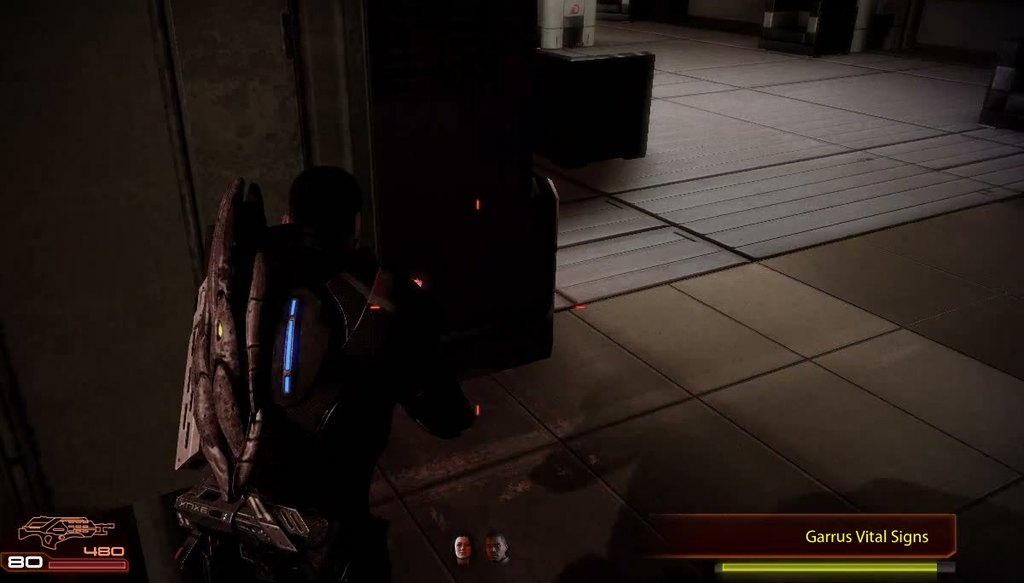
BioWare’s response to the first game’s clunk was radical surgery. The Mako’s planetary trundling is gone. The inventory flood is gone — weapons are now a curated arsenal of distinct-feeling guns rather than ten thousand stat-sticks. Combat itself is rebuilt as a proper cover shooter: powers on a shared cooldown, squad abilities fired in real time, ammo as a resource. Purists mourned the RPG systems, and some of the mourning was justified — character builds are slimmer, and the sequel is unquestionably more shooter than RPG. But minute to minute, Mass Effect 2 simply plays better than its predecessor at everything it attempts, and on the 360 it runs and loads dramatically better too.
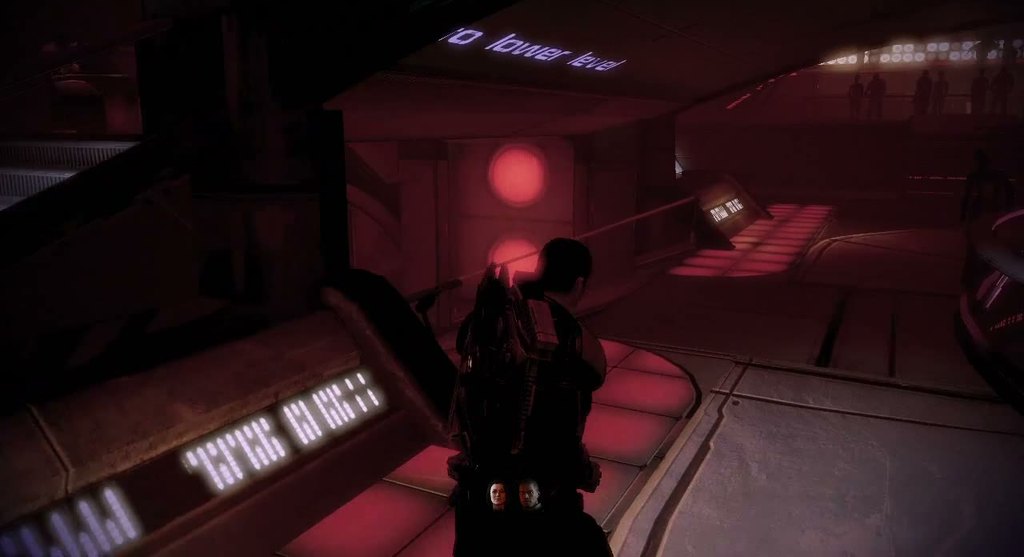
The presentation carries the same confidence. Omega — the grimy, neon pirate station that serves as the game’s hub — is one of the great locations in sci-fi games, all rust and vice under the rule of Aria T’Loak. Jack Wall’s score mixes orchestra and synth into something more cinematic than the first game’s, and the voice cast (Martin Sheen’s Illusive Man above all) is uniformly superb. The 360 version shipped on two discs you swapped mid-campaign — a small period inconvenience that somehow added ceremony.
Your Shepard, carried forward
The save import deserves its own paragraph, because in 2010 it felt like magic. Decisions from the first game — who lived on Virmire, whether the council survived, a dozen smaller kindnesses and cruelties — echo through Mass Effect 2 in characters, emails and encounters. It made the trilogy feel like one continuous novel with your name in it, and it set an expectation for RPG sequels that the industry has chased ever since.
The downloadable afterlife
Mass Effect 2 also became the era’s case study in how to extend a big RPG. Its downloadable episodes ranged from the disposable to the essential — and the essential ones are very essential indeed. Lair of the Shadow Broker, which reunites Shepard with Liara T’Soni for a noir chase across Illium’s skies, is regularly ranked among the finest DLC ever released for any game: funny, spectacular and quietly pivotal to the trilogy’s plot. Overlord mixes vehicle exploration with a horror story about a rogue AI; Arrival bridges directly into Mass Effect 3’s opening and carries a decision with consequences for a star system. On the 360 all of it arrived through the Marketplace and the in-game Cerberus Network — a period curiosity now, since the console store has closed, which makes a well-stocked second-hand hard drive or a later complete edition the practical way to own the whole story today.
That completeness matters, because Mass Effect 2 is the middle of a trilogy designed as one work. Its save exports into Mass Effect 3 with the same fidelity it imported from the first game — who survived the Suicide Mission being the largest variable the sequel has ever carried between instalments. Players who send a full crew forward get a different war than players who send ghosts. It remains the boldest structural bet in mainstream RPG history, and this game is where the bet pays out.
The case for the defence, on streamlining
Since the argument has run for fifteen years, let it be settled here with the fairness it deserves. What Mass Effect 2 removed — granular weapon statistics, sprawling skill trees, planet-roving in the Mako, inventory Tetris — it traded for pace, clarity and character focus, and the trade bought the best-reviewed RPG of its year (96 on Metacritic) and the trilogy’s broadest audience. What it kept is what mattered: the dialogue wheel’s moral geometry, the interrupt system that let a Paragon pull a trigger at the perfect dramatic moment, the codex’s deep lore, and above all the cast. If the first game is the better role-playing system, the second is the better role-playing experience — the difference between a simulation of a space opera and being in one. New players should absolutely begin with the first game for the import alone. But it is the second they will quote.
The verdict
One of the finest sequels ever made: a recruitment drive, a heist movie and a dozen character studies, ending in a finale assembled entirely from your own choices.
Mass Effect 2 is the trilogy’s peak and one of the 360’s essential games — the rare RPG in which the side stories are the main event and the ending is a report card on your leadership. If you have a Mass Effect 1 save, it becomes something close to personal. If you don’t, it generously builds you a legend anyway. Either way: assemble your team. Nobody else can do this mission.
A closing practical note for the 360 shelf: this is the trilogy’s middle volume and it behaves like one — start with the original, carry the save, and treat the downloadable episodes (Shadow Broker above all) as chapters rather than extras. The two-disc original pressing has a small ceremony of its own in the mid-game swap, and its performance on the console it was built for remains the reference version of the generation. Whatever route you take to it, take it seriously and take your time: the Suicide Mission grades the whole run, and the crew you save is the crew you were.
Score: 9.5/10