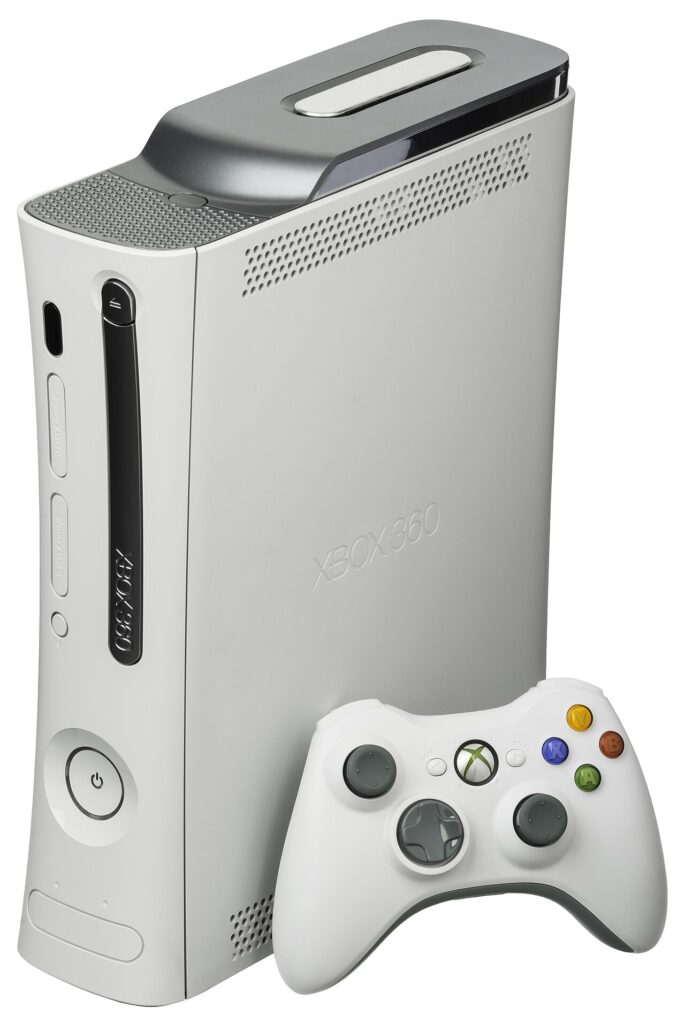
The Xbox 360 is the console that won America and lost its hardware to a blinking red light. Microsoft launched it a full year before the PlayStation 3, priced it $200 cheaper, wrapped it in the generation’s defining online service, and stocked it with Halo 3, Gears of War and the indie explosion of Xbox Live Arcade. It also shipped with a design flaw so widespread that Microsoft eventually wrote a $1.05 billion cheque to apologize for it. Both stories are true, and they are the same story: a platform holder in a hurry – to beat Sony, to define HD gaming, to own the living room – that ran faster than its engineering and its audience alike. The 360 sold around 84 million units, effectively tied the PS3 worldwide, beat it decisively in the United States, turned the gamepad into the PC’s standard controller, and ended the generation being chased by its own company toward television and Kinect casuals. Its successor’s launch disaster was written in the 360’s final years. Its games, protected by the best backwards-compatibility programme in the industry, never really left. This is its complete story. It begins with the most aggressive launch plan the industry had attempted, passes through an autumn so strong it nearly ended a console war in a single season, survives a hardware scandal that would have killed a less-loved machine, and ends with a camera peripheral, a television fixation and a store closing to fan ceremony a decade after the platform’s peak.
The Year Head Start: November 2005 and the HD Bet
The 360’s strategy was written in a single word: first. Unveiled on MTV in May 2005 and launched November 22, 2005 in North America, it beat the PS3 and Wii to market by a full year – a year Microsoft used to define the terms of the generation. The terms were high definition (every game at 720p minimum), online as default (Xbox Live integrated into every unit, a hard drive in the premium SKU), and developer comfort: a tri-core IBM PowerPC and an ATI Xenos GPU with unified memory, an architecture PC developers could actually program, in pointed contrast to the Cell maze Sony was building. The machine abstained from the format war in hardware (an external HD DVD drive came later, and died with the format) and fought it with price: $299 for the tardy, hard-drive-less Core, $399 for the Pro most people bought. The launch library was honest about the transition year it was – Perfect Dark Zero and Kameo were pretty, thin Rare fare; Call of Duty 2, a war shooter at 60 frames a second, was the real system-seller; and the sleeper was a $5 download, Geometry Wars: Retro Evolved, which announced Xbox Live Arcade as a creative venue in its own right. Shortages and scalping did the marketing. By the time Sony’s $599 machine arrived a year later, the 360 had an installed base, a friends-list culture, and a software cadence. The head start was the strategy, and it nearly worked completely.
Even the name was strategy: “360” promised total immersion and dodged the arithmetic of “Xbox 2” versus “PlayStation 3,” while the console’s concave white shell and swappable faceplates sold customisation to a generation raised on phone covers. The reveal machinery – an alternate-reality game (OurColony) feeding an MTV special fronted by Elijah Wood – announced a marketing department as fluent in internet culture as Sony’s was in cinema. Under the theatre, the positioning was surgical: every choice (price, timing, developer tools, the free Silver tier of Live as an on-ramp) targeted a specific PS3 vulnerability that Sony, incredibly, kept supplying.
Live, Achievements and the Shooter Republic
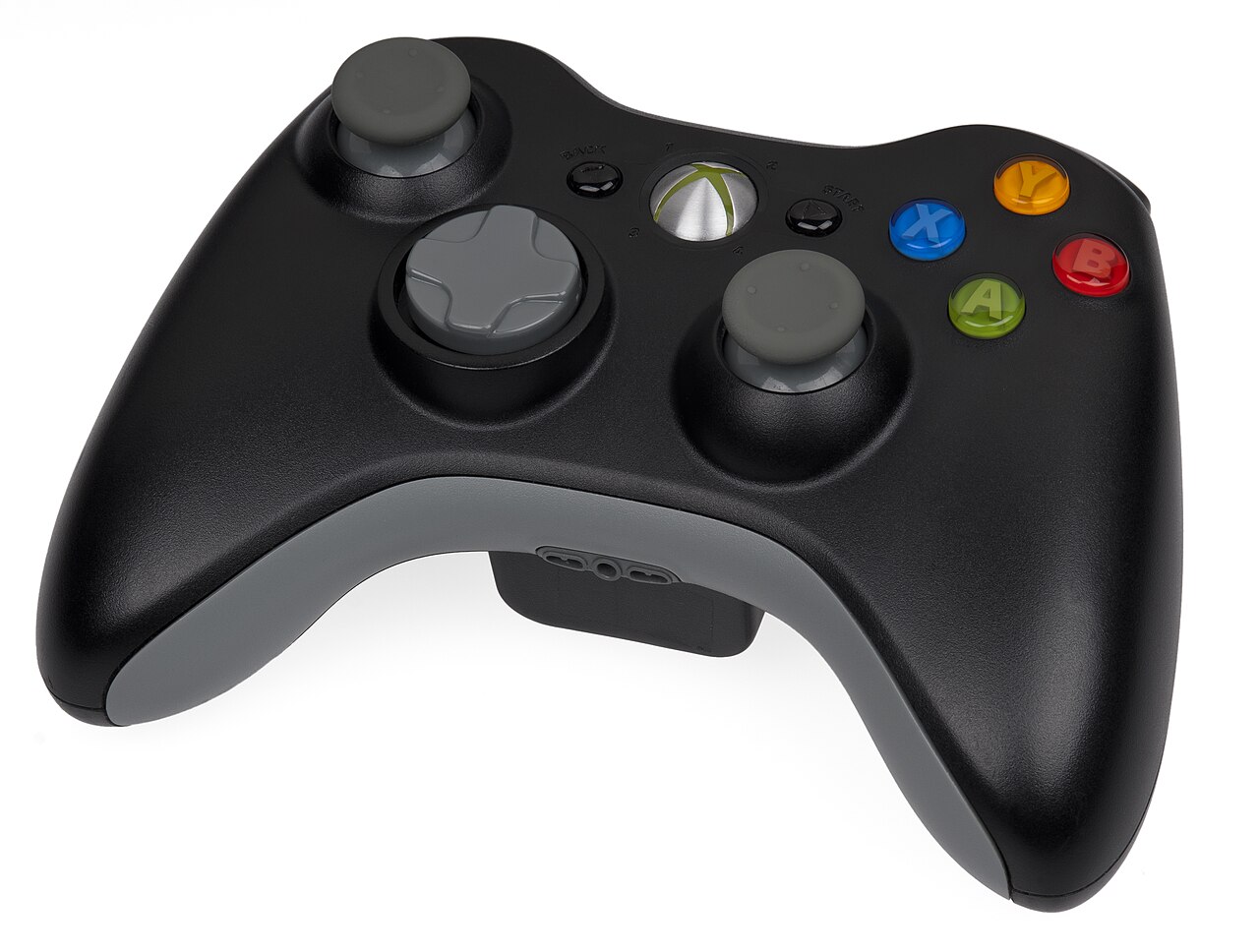
What the 360 owned outright was the social layer. Xbox Live on the 360 was not a feature; it was the platform – one friends list across every game, universal voice chat, party chat (from the 2008 NXE dashboard), and achievements, whose Gamerscore turned play itself into a persistent public record and remains one of the generation’s most copied inventions. The dashboard evolved in public – jaunty Blades, the avatar-led New Xbox Experience (2008), the Metro tile era – and the services followed: XBLA’s golden age (Braid, Castle Crashers, Limbo, Trials) made the 360 the indie console of record years before that was an industry; Netflix streaming arrived in 2008 and quietly converted the games machine into the living room’s media hub, the first draft of the industry’s next decade. The catalogue matched the culture: Halo 3 (September 2007) was the biggest entertainment launch in history to that date and the generation’s defining multiplayer; Gears of War (2006) set the era’s visual and mechanical template – Unreal Engine 3, cover shooting, co-op campaign; Mass Effect, BioShock, Forza Motorsport and Fable gave the box range; and Microsoft’s money bought timed exclusivity across the map. The costs of the identity were real too: the “shooter republic” reputation narrowed the audience, and Japan – courted expensively with Sakaguchi’s Blue Dragon and Lost Odyssey – never came. The 360 was America’s console, the Anglosphere’s console; its map had borders.
The Red Ring of Death: A Billion-Dollar Apology
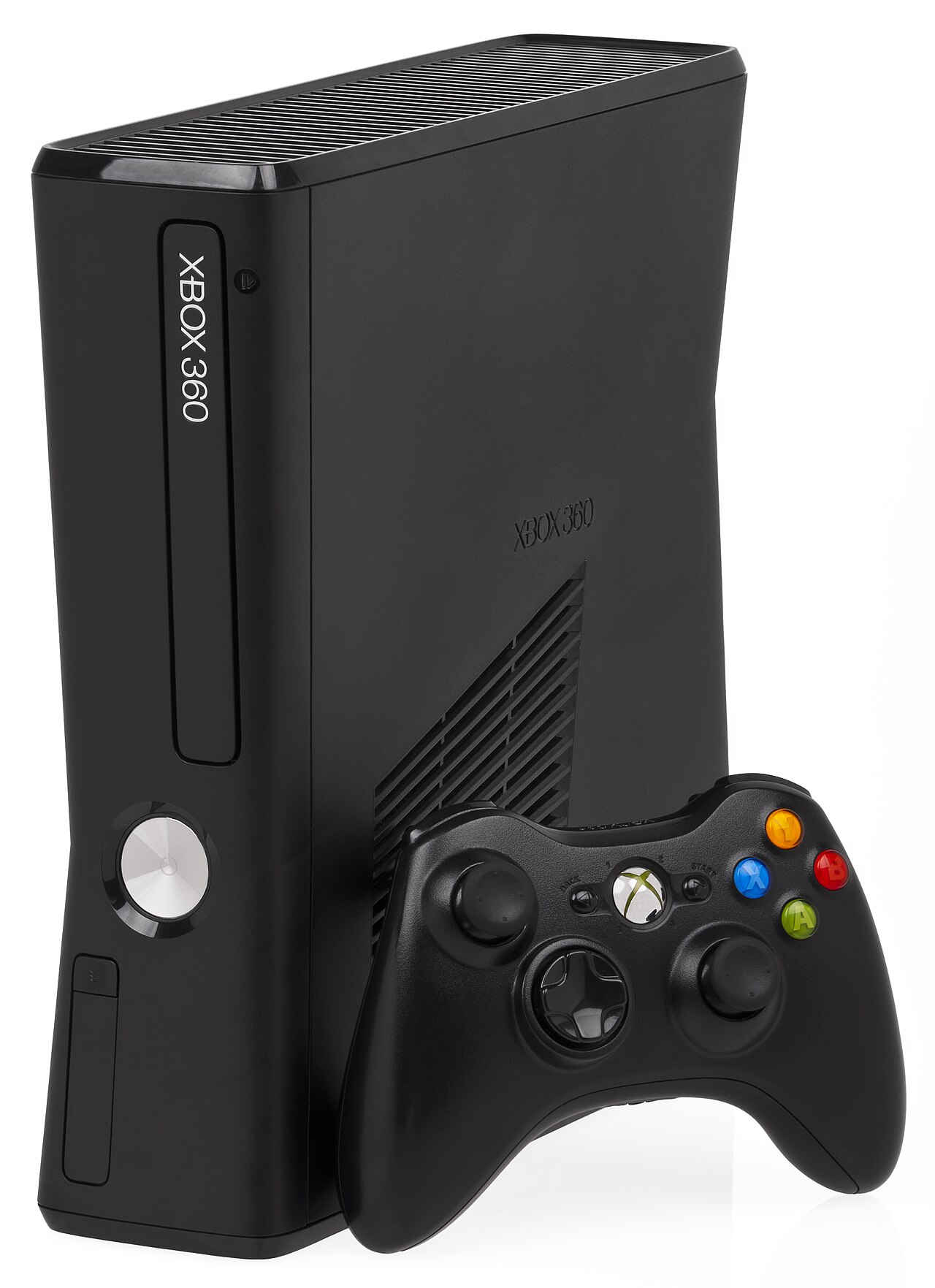
And then the machines started dying. The Red Ring of Death – three red lights around the power button signifying general hardware failure – became the generation’s most infamous failure mode: launch-era 360s succumbed in numbers that turned anecdote into epidemic, as heat and flexing solder joints around the GPU did their work over months of play. Owners developed folk remedies (the towel trick, baking the board to reflow solder); journalists ran surveys; failure-rate estimates ranged from an alarming 16% to a catastrophic majority depending on the sample, with later retail surveys settling around one in four early units – still the worst of any major console. Microsoft’s response, after two years of mounting shame, is the reason the brand survived it: in July 2007 Peter Moore published an open letter extending the warranty to three years for the failure, and Microsoft took a charge of $1.05-1.15 billion to fund it. It remains the largest hardware apology in industry history, and it worked as apologies should – owners got repaired and revised machines, and the revisions (Falcon, then Jasper, with smaller, cooler chips) steadily tamed the failure. The final fix was cosmetic as well as thermal: the Xbox 360 S (2010), a glossy black redesign with the ring redesigned right off the front (its error light now a mere red dot), closed the saga. The Red Ring is the tax on the head start, itemized: the year Microsoft bought with rushed hardware cost a billion dollars and a permanent asterisk – which, given the alternative was losing the generation to a $599 rival, the company has never suggested it wouldn’t pay again.
The Games Shelf: The 360 Canon
The 360’s library is the definitive catalogue of its decade’s dominant tastes, with cult corners the stereotype forgets. The spine is shooter royalty: Halo 3 and Halo: Reach (Bungie’s farewell and finest), the Gears of War trilogy (the second game’s Horde mode inventing a genre staple), Call of Duty 4: Modern Warfare – whose multiplayer community made Live the default home of the console FPS – and Valve’s Left 4 Dead games as console exclusives. The RPG bench ran deeper than the “shooter box” label admits: BioWare’s Mass Effect trilogy lived its definitive years here, Bethesda’s Fallout 3 and Skyrim sold their console millions primarily on 360 (the site’s own Fallout 3 retrospective sits on this shelf), Rockstar’s Grand Theft Auto IV launched with 360-exclusive episodes, and Red Dead Redemption found its biggest audience in the same living rooms. Rare – the studio purchase the original Xbox flagship chronicles – delivered the catalogue’s colour: Viva Piñata, a gardening game of genuine genius that the 360’s audience met with a shrug, and Kameo and Banjo-Kazooie: Nuts & Bolts, craft objects in a library of gunmetal. Crackdown bribed its way to a hit by bundling the Halo 3 beta and turned out to deserve the players; Forza Motorsport 3 and 4 quietly out-reviewed Gran Turismo on the rival’s shelf. And the download shelf was a second library: Geometry Wars, Braid (the indie era’s opening statement), Castle Crashers, Limbo, Trials HD, Fez – and in 2012, Minecraft’s console debut, which became one of the platform’s biggest sellers full stop. Read as a whole, the 360 catalogue is the moment the Western industry consolidated its modern shape: online-first, shooter-led, indie-fed, and increasingly uninterested in Japan.
The Greatest Autumn: 2007 and the Release Rhythm
If one season explains the 360’s ascendancy, it is the autumn of 2007 – the densest concentration of landmark releases any platform had ever hosted. Between August and November the 360 received BioShock, Halo 3, The Orange Box, Call of Duty 4: Modern Warfare, Mass Effect, Assassin’s Creed, Rock Band and Skate, virtually all of them definitive or best on Microsoft’s machine, in a single quarter that converted the head start into a rout: the PS3, a year old, spent that Christmas with Uncharted and Ratchet & Clank against an avalanche. The season also established the 360’s release rhythm for the generation – the autumn blockbuster cadence, anchored by an alternating Halo/Gears November and filled in by the increasingly 360-first third-party calendar – and the platform’s hardware matured underneath it in the usual untidy way: the Elite model and HDMI ports arriving in 2007 (Zephyr), the unloved Core replaced by the Arcade, storage creeping from 20GB to 250GB as the download era demanded. Japan got its own dedicated push in those years – Tales of Vesperia and Star Ocean timed exclusives, a genuinely improved local catalogue – and still declined the invitation, a refusal the flagship’s map never solved. By the time Kinect arrived to extend the platform’s life in 2010, the 360 had already assembled the essentials of its legend: the service, the shooters, the indie shelf, and the red ring. The autumn of 2007 is when it stopped looking catchable.
From Moore’s Tattoos to Mattrick’s Television
The 360’s executive story foreshadows its ending. Peter Moore – the marketer who announced launch dates with literal tattoos (Halo 2 on one arm, Grand Theft Auto IV on the other) – fronted the platform’s brashest years and signed the Red Ring letter on his way out, departing for EA Sports in the summer of 2007. His successor, Don Mattrick, was a different animal: an entertainment-industry operator whose tenure refocused the box from games-with-media to media-with-games. Under Mattrick came Kinect’s comet, the NXE’s social polish – and the dashboard’s slow colonization by advertising and video apps, the Netflix-and-ESPN era in which the 360 spent its final years functioning, for many households, primarily as a streaming box that also played Call of Duty. The commercial cunning was real (the 360 was America’s best-selling console for 32 consecutive months across 2011-2013, a streak built substantially on Kinect bundles and media positioning), but the strategic bill came due in May 2013, when Mattrick unveiled the Xbox One as a television machine with games attached, and the audience the 360 had built – the Live faithful, the shooter republic – revolted within the hour. The 360’s biography thus contains its successor’s tragedy in embryo: a platform that won by being first, social and game-obsessed, gradually reimagined by its owners as an entertainment portal, at exactly the moment its rival was learning the opposite lesson from its own humbling.
Kinect: The Comet
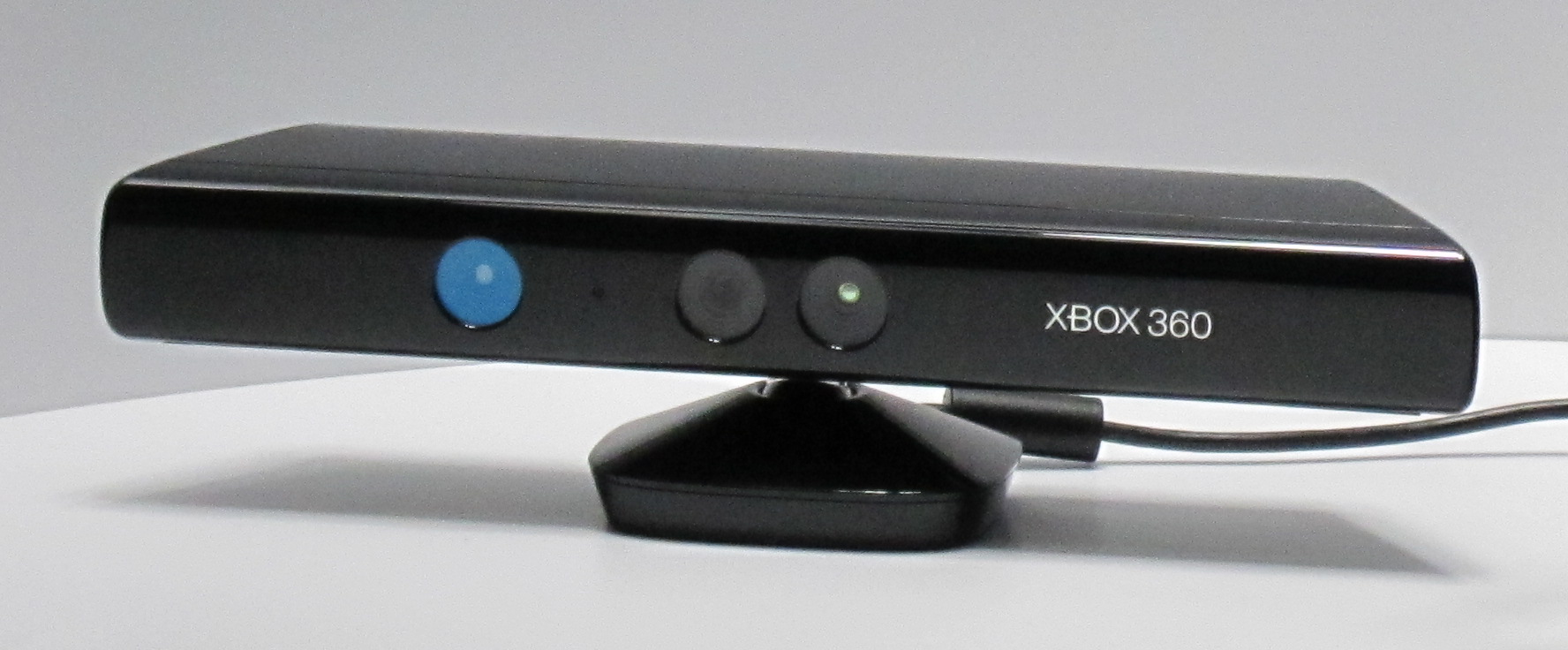
The 360’s late-life gamble was its most spectacular. Kinect – a depth-sensing camera bar that read players’ bodies and deleted the controller entirely – launched November 2010 on the audacious pitch that the interface was you. It sold eight million units in sixty days, a Guinness-certified record for consumer electronics, and for a holiday season it made the five-year-old 360 the industry’s growth story again: Dance Central, Kinect Sports and a wave of family software reached the Wii’s casual audience on Microsoft’s hardware. The comet burned out fast. The casual buyers didn’t become catalogue buyers; the sensor’s space demands and lag frustrated core genres; Microsoft’s first-party energy visibly pivoted from core games to Kinect and media apps, and the faithful noticed. Kinect’s legacy split in two: inside gaming, a cautionary tale so potent Microsoft would repeat its error by force-bundling Kinect’s successor with the Xbox One; outside gaming, a research phenomenon – the cheap depth camera became a standard tool in robotics, academia and art, a second life as unlikely as any peripheral has had. The 360’s final years drifted under the same gravity – dashboards rebuilt around video apps, “TV, TV, TV” waiting in the wings – and production ended in April 2016 with the platform at roughly 84 million lifetime sales, second in America for its generation and effectively level with the PS3 globally.
Afterlife: The Best-Preserved Generation
No console of its era is better kept than the Xbox 360. Microsoft’s backwards-compatibility programme brought hundreds of 360 titles – eventually over 600 – to the Xbox One and Series X|S, many enhanced (higher resolutions, FPS Boost), and the commitment became a corporate identity the site still covers as it expands. The afterlife has its griefs: the Xbox 360 digital store closed in July 2024, stranding hundreds of digital-only items and sending physical prices for the delisted catalogue climbing – the generation’s preservation argument in miniature, answered in part by that same BC programme and by community projects restoring individual games to PC, a scene this site’s own Sonic coverage follows. The controller outlived everything: XInput made the 360 pad the PC standard for a decade, a reign whose effects still shape how PC games assume you’ll play them. The farewells have been ceremonial. When 343 Industries switched off Halo 3’s original Xbox Live servers in January 2022, the community marked the sunset with vigils and full lobbies – a sixteen-year-old matchmaking service mourned like a closing venue – and the 360 Marketplace’s final sale season in 2024 had the valedictory air of a last week at a beloved shop. On the second-hand market the platform’s history is priced in: late Jasper and Slim units, the revisions that beat the Red Ring, are the collector’s quarry, while emulator Xenia’s steady progress brings even the un-ported residue toward permanence. Few consoles have been this commemorated while this playable – the 360’s afterlife is less a retirement than a residency.
What the 360 means now is the hinge of modern gaming – the console that moved the centre of gravity online, made the shooter the default genre of a decade, proved a platform could survive a billion-dollar hardware failure by apologizing properly, and demonstrated both halves of the casual lesson: how fast the expanded audience arrives, and how little it stays. America kept it. Its library never left.