
The Xbox 360’s library is remembered for its giants — Halo, Gears, Forza, the great multi-platform epics. But the console lived for a decade, and its second and third shelves are stacked with games that reviewed well, sold modestly and were buried by a release calendar that never stopped moving. These are ten of the best: games the charts forgot, the adverts skipped and the algorithm never resurfaces — every one of them worth hunting down today, most of them for loose change.
A word about why this console, specifically, grows gems like a garden. The 360’s long life — a full decade as a primary platform — overlapped three different industries: the tail of the big-budget disc era, the downloadable revolution it hosted in its own Arcade, and the moment Japanese and Western studios alike were experimenting with what high definition could do. Games slipped between all three stools. A launch title could be forgotten by Christmas; a masterpiece of 2007 could be buried under the most stacked release calendar in history; a download-only marvel could vanish when the storefront politics changed. Fame on this system was a lottery run at sprint speed for ten years. Quality, as this list demonstrates, was distributed far more fairly.
1. Kameo: Elements of Power (2005)
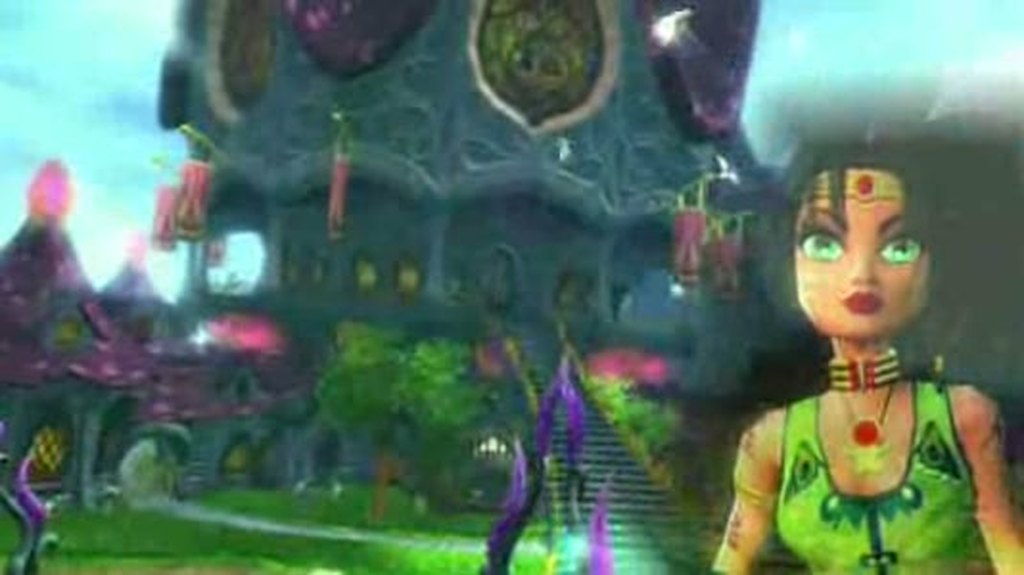
Rare’s launch-day adventure spent so long in development it crossed three consoles (it began life on the GameCube), and its long journey shows in the best way: this is a polished, generous action-adventure in which Kameo transforms into ten different elemental warriors — a rolling rock beast, a boxing plant, an ice yeti — to solve puzzles and brawl through one of the most beautiful fantasy worlds of 2005. It sold respectably and was still forgotten, filed as a kids’ game in a launch line-up of shooters. Play it now and it plays like a lost Nintendo classic that happens to run on an Xbox: inventive, colourful and far tougher than its looks suggest.
2. Condemned: Criminal Origins (2005)
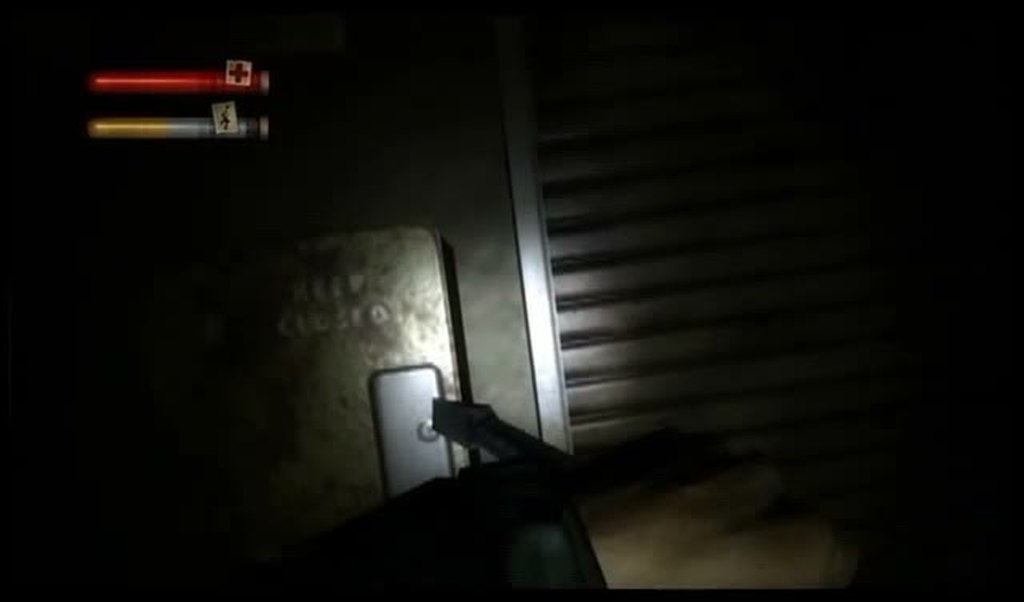
The other great launch title nobody talks about. Monolith’s first-person horror game casts you as an FBI forensic investigator hunting a serial killer through condemned buildings full of violent squatters, armed mostly with pipes, planks and a flashlight that never feels powerful enough. Its melee combat — blocking, timing, taser, desperation — remains some of the most physical in the genre, and its crime-scene investigation sequences were years ahead of their time. Criminal Origins is genuinely frightening in a way its more famous sequel, and most horror games since, never quite matched. A masterpiece of the launch window hiding in plain sight.
3. Earth Defense Force 2017 (2007)
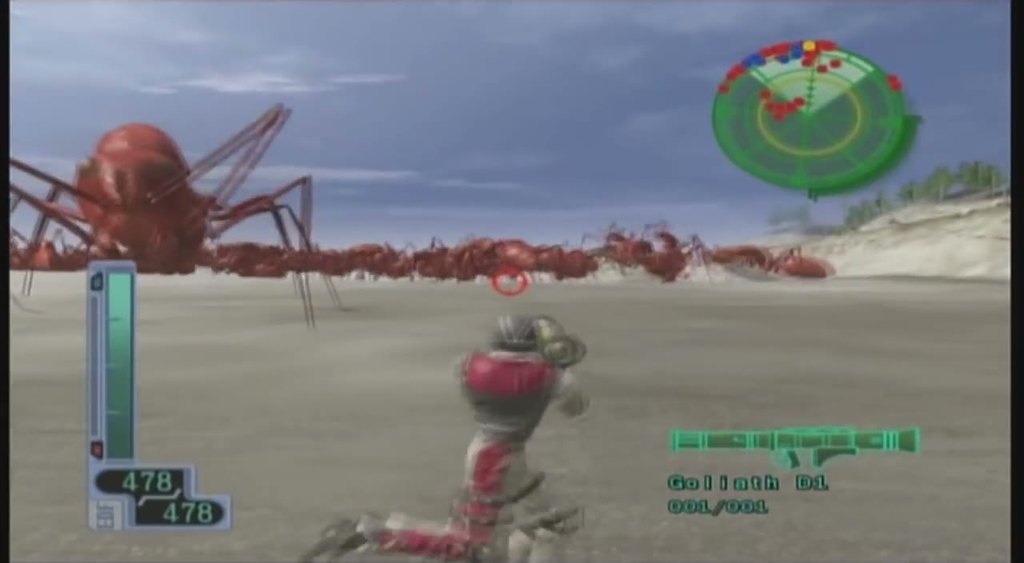
Giant ants are eating Tokyo. You have a machine gun, a rocket launcher and absolutely no production values, and it does not matter at all. Sandlot’s budget wonder is fifty-three missions of escalating insect, robot and mothership carnage, with buildings that crumble, a frame rate that heroically does not, and weapon drops that turn grinding into gambling. EDF 2017 is the purest co-op shooting on the 360 — split-screen, two players, hundreds of enemies, one unforgettable battle cry. The series later became a cult institution; this is where the West met it, and its scrappy sincerity has never been improved on, only polished.
4. The Darkness (2007)

Starbreeze, fresh from Riddick, adapted the Top Cow comic into a Mafia story possessed by a demon — literally. Jackie Estacado’s Darkness manifests as two serpentine demon arms that impale, devour hearts and hurl cars while Jackie handles the twin pistols, and the interplay of mob drama and supernatural horror produced one of the most distinctive shooters of the decade. Its New York is small but dense, its voice work (Mike Patton as the Darkness itself) is extraordinary, and it contains a quiet scene of domestic tenderness that games twice its budget wouldn’t dare attempt. Overshadowed in the great shooter pile-up of 2007; unjustly.
5. Project Gotham Racing 4 (2007)
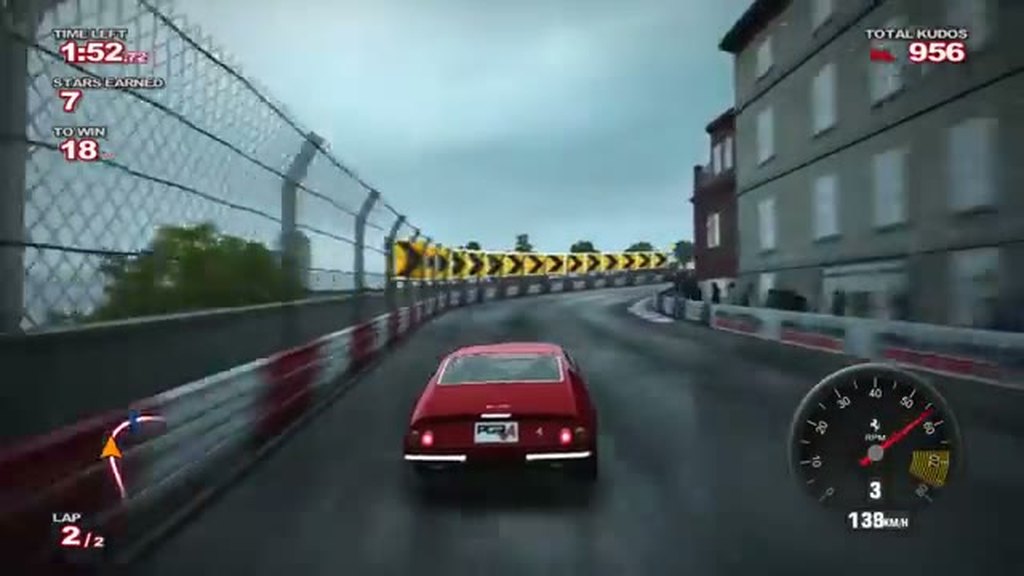
Bizarre Creations’ final Gotham is the series perfected: the kudos system rewarding style as much as speed, a dynamic weather engine that could turn a Nürburgring race into a snowstorm mid-lap, motorbikes woven seamlessly into the car racing — and a career structured as a calendar of seasons that made every event feel placed. It reviewed superbly and then vanished under the autumn pile-up of Halo 3 and its peers; the studio’s closure in 2011 froze the series forever. PGR4 remains one of the finest arcade racers ever coded, and it only exists on this console.
6. Ninja Gaiden II (2008)

Tecmo’s Team Ninja built the most ferociously technical action game of its generation and the charts shrugged. Ninja Gaiden II is a blood opera: Ryu Hayabusa’s arsenal of katanas, scythes and claws disassembles enemies limb by limb, wounded opponents fight on more desperately, and the camera demands mastery as surely as the bosses do. It is difficult, occasionally unfair and completely unwilling to compromise — which is exactly why its legend has grown every year since. The Sigma reworkings on other platforms softened its edges (and its blood); the 360 original is the pure, savage article, and for purists the only one that counts.
7. Deadly Premonition (2010)

Is it a masterpiece or a catastrophe? Deadly Premonition is gaming’s great critical Rorschach test: a Twin Peaks-haunted open-world investigation whose technical jank is undeniable and whose writing, characters and sheer oddball sincerity built one of the most devoted cults in the medium. Agent Francis York Morgan talks to his imaginary friend Zach, studies omens in his coffee, and investigates a murder in a town where every resident keeps a simulated daily schedule. Critics scored it everywhere from 2 to 10. The people who love it, love it like a relative. The 360 original — the version before later ports sanded and shuffled it — is where the cult began.
8. Nier (2010)
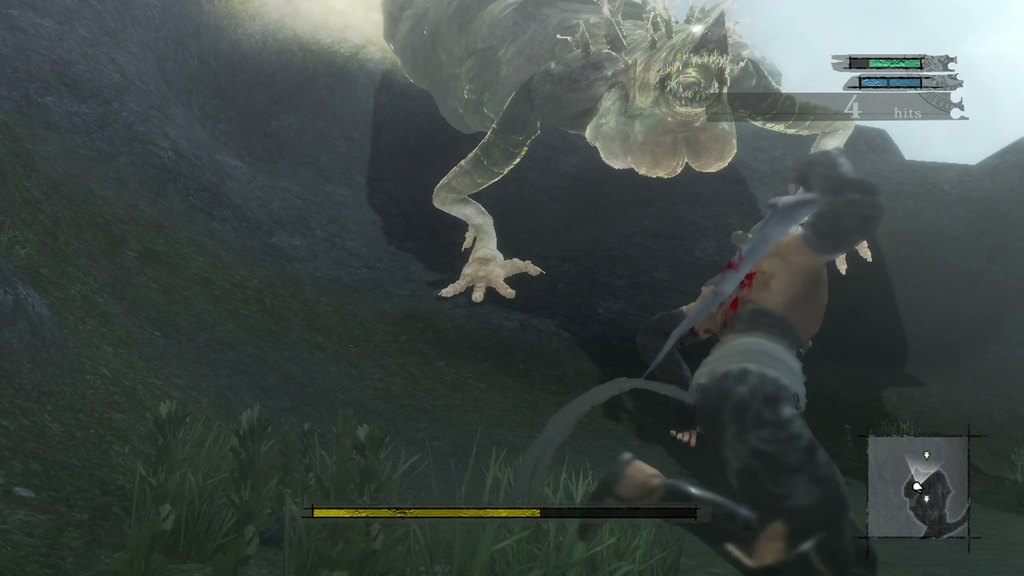
Before Automata made Nier famous, there was this: a strange, sorrowful action-RPG about a father (in the West’s Gestalt version) trying to cure his daughter in a world dying by inches. Nier shapeshifts constantly — dungeon crawler, bullet-hell shooter, survival horror, even text adventure — and lands its experiments through the strength of its characters and a score, by Keiichi Okabe, that players regularly call the greatest in games. It sold poorly, reviewed middlingly and then refused to die, carried by word of mouth until its creator became an industry star. Playing the 360 original today is watching a legend in its rough, heartfelt first draft.
9. ‘Splosion Man (2009)

Every button makes you explode. That’s the entire control scheme of Twisted Pixel’s XBLA platformer: ‘Splosion Man detonates himself to jump, wall-bounce and turn pursuing scientists into raining meat, across fifty levels of timing puzzles and a co-op campaign of fiendish coordination. It arrived in XBLA’s golden summer era with almost no marketing and charmed everyone who touched it — the humour (there is a song about donuts), the speedrun-friendly design and the sheer audacity of building a whole game on one verb. A reminder that the download era’s gems hide on hard drives, not shelves, and vanish when stores close. This one deserved better than obscurity.
10. Enslaved: Odyssey to the West (2010)
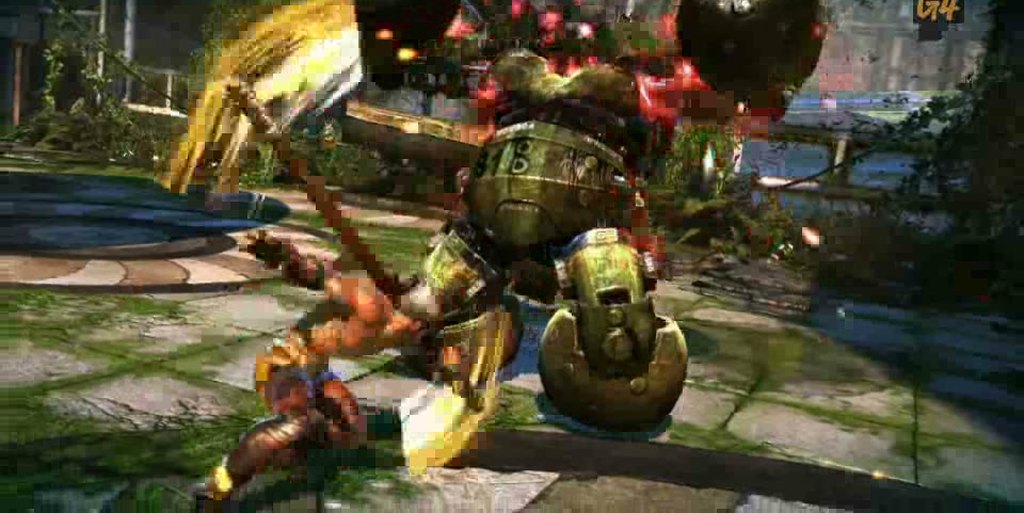
Ninja Theory’s post-apocalyptic take on Journey to the West pairs the brutish Monkey with the tech-savvy Trip, who enslaves him with a slaver’s headband: if she dies, he dies. Andy Serkis co-directed and stars, Alex Garland wrote it, and the result is a character-led adventure of unusual warmth, set in an America reclaimed by jungle and patrolled by war machines. Its platforming is gentle and its combat simple, which muted its reviews; its storytelling, performances and ravishing colour palette are why it is still talked about. Enslaved sold a fraction of what it needed to. It deserved a series. What it got is a cult — join it.
How this list was chosen
Three rules governed the selection. First, quality is not in dispute — every game here reviewed well or has been reclaimed by critics since; these are not ironic pleasures. Second, each must be meaningfully better than its fame: if the average 360 owner can describe the game unprompted, it is not hidden enough. Third, availability counts. Every title below exists on a physical disc (the one download-era entry, ‘Splosion Man, survives on the hard drives and in the download histories of its owners, which is its own kind of preservation emergency) and circulates at prices that make curiosity cheap. That is the hidden-gem bargain: the market mispriced them once, and the mispricing is permanent, because fame — not scarcity — is what drives retro prices up.
One pattern is worth naming before the closing word. Look at the studios: Rare, Monolith, Starbreeze, Bizarre, Team Ninja, Ninja Theory, Cavia, Sandlot, Access Games. The 360’s hidden shelf is not a shelf of lucky accidents — it is where major talents worked between their famous games, with smaller budgets and, often, stranger briefs. The A-list got the marketing. The gems got the freedom. Revisit them and you can feel the difference in every one: these games play like they were made by people with something to prove and nobody watching closely enough to stop them.
Honourable mentions, for the completist
Ten slots cannot hold the whole second shelf, and the arguments in the office were long. El Shaddai: Ascension of the Metatron brought painterly, watercolour visuals to a biblical action game nobody bought. Shadows of the Damned paired Suda51 and Shinji Mikami in a demonic road movie. Binary Domain built a shooter around shooting robots apart piece by piece and a genuinely good squad story. Resonance of Fate turned gunplay into choreographed turn-based acrobatics. Asura’s Wrath sold interactive anime rage years before it was fashionable. And Alpha Protocol — buggy, brilliant, the spy RPG whose choices outclass games with ten times its budget — may be the most 360 cult object of all. Any of them could headline this list for a different writer; all of them reinforce its thesis, which is simply that this console’s depth has no bottom. When you have finished the ten above, the shelf keeps going.
The shelf beneath the shelf
Ten games, ten bargains: at the time of writing every title on this list circulates cheaply and commonly, because the second-hand market prices fame, not quality. The full set can typically be assembled for less than one special edition of a modern release — which makes the hidden shelf not just the most interesting way to explore this console, but the most economical collection in retro gaming. The 360’s depth was its era’s best-kept secret — a decade-long library in which even the B-teams were staffed by Monolith, Starbreeze, Rare and Team Ninja. Build the famous shelf first, by all means. But leave a gap underneath it. That’s where the interesting games live.