
Begin with the launch arithmetic, because everything in this story is arithmetic wearing nostalgia’s clothes. In September 1994 the Neo Geo CD launched in Japan at ¥49,800 (and $399 in the US) against the AES home system’s reputation as the most expensive console in gaming — a machine whose games cost $200 to $300 each because each cartridge was, essentially, the arcade board’s ROM in a handsome shell. The CD’s proposition was those exact games on compact disc at $50 to $75, on a machine that cost less than two AES cartridges. SNK was not competing with Sega or Sony in that sentence; it was competing with itself, offering its own catalogue at a fifth of the price in exchange for one concession — the wait, administered by a juggling monkey, at 150 kilobytes per second.
The market’s verdict arrived in instalments. The CD sold respectably — several hundred thousand machines across its three models, respectable for SNK’s scale — and for a certain kind of player it was the revelation of the decade: Metal Slug, Samurai Shodown II, Pulstar, the whole arcade pantheon, ownable on a mortal salary. But the concession compounded. As cartridge games ballooned past 300, then 500, then 700 megabits, the wait grew with them, and the CD’s price advantage could not outrun the PlayStation’s arrival with cheaper games, faster loads and 3D’s new glamour. By the late nineties the CD line was a Japanese niche and the AES, kept alive for the faithful until 2004, had won the war for SNK’s identity while losing, catastrophically, on price per game for anyone buying in.

Now: the great inversion
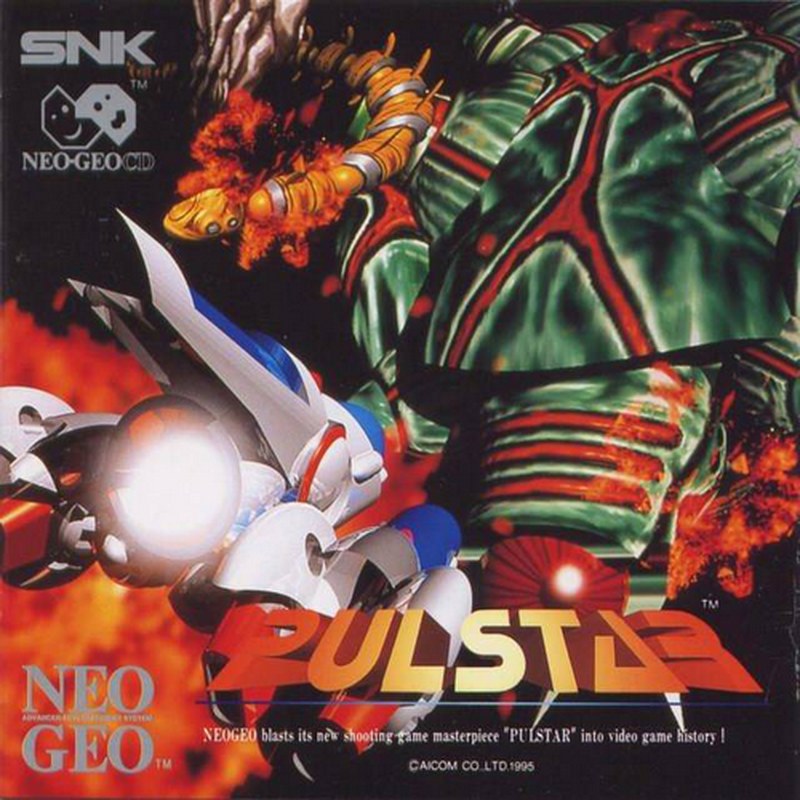
Thirty years on, the collector market has performed the neatest inversion in retro gaming. The machines swapped roles: a working AES is a serious purchase, while a top-loading Neo Geo CD — the common model — remains one of the most affordable ways into any major retro library, with the front-loader a step up and only the scarce CDZ commanding real money (for reasons its feature in this collection explains, heat and all). And the games? The famous AES cartridges became blue-chip artefacts — Metal Slug, Neo Turf Masters and Pulstar on AES trade at four figures in honest condition, with the rarest titles priced like the classic cars they are sometimes displayed beside. Their CD pressings, containing — the reviews in this collection verify it game by game — the same code, the same animation, frequently a better soundtrack, trade at a tenth or less.
The rational collector’s conclusion writes itself, and has been quietly driving CD prices upward for a decade: the disc is the play copy and increasingly the smart copy. But honesty demands the other column. CD ownership carries format risks cartridges do not — disc rot is rare with these pressings but not mythical, drives are thirty-year-old mechanisms with belts and lasers that age, and a scratched CD is a smaller, sadder object than a scuffed cartridge. The market prices these truths in: CD games have appreciated steadily, not explosively, and the smart money treats them as playable assets rather than vault pieces. Meanwhile the AES market’s top end answers to investment logic the games themselves can no longer explain, which is precisely what makes the CD shelf interesting — it is still priced by people who intend to play what’s on it.

The hidden economics: region, completeness and the cost per hour
Three collector subtleties decide real money on this format. First, region: the Neo Geo CD is region-free by design — the console’s own region setting, not the disc, decides language and censorship — so the typically cheaper and far more plentiful Japanese pressings play, in English where the game supports it, on any machine in the world. No other major format of the era offers its import library this cleanly, and it flattens prices in the buyer’s favour. Second, completeness: Japanese CD releases came with spine cards (obi) whose presence moves prices out of proportion to their size; a ‘complete’ copy is case, manual, disc and obi, and collectors should price the strip of paper consciously rather than discovering it emotionally at auction. Third, the metric that actually matters: cost per hour of the monkey. A Windjammers disc that loads in seconds and gets played weekly is, by any sane accounting, the best-value object in retro gaming; a giant late fighter bought to complete a shelf and loaded twice is the opposite, whatever it appreciates.
Set against the AES, then, the CD’s 2026 position is almost absurdly strong for players: real hardware, real games, arranged soundtracks, import freedom, and a library whose headline titles sit at prices the cartridge market left behind in another century. The AES remains the artefact — the arcade board in the living room, gaming’s most beautiful excess. The CD remains what it was in 1994: the same games, for people who would rather play them than insure them. The $200 question was never really about money. It was about which kind of owner you are, and the market, thirty years later, still lets you answer it either way — just at opposite ends of the price list from where the answer started.
The third option and the modern middle
No honest economics of Neo Geo collecting in 2026 can ignore the third door: the MVS arcade cartridges themselves, long the connoisseur’s route — arcade boards and consolised setups delivering the identical games at prices that sat, for years, between the CD’s sense and the AES’s splendour — plus the modern middle of licensed re-releases, mini consoles and digital storefronts that have made the library’s famous names legally playable for the price of a pizza. Each new route reprices the others. What none of them reproduces is the specific historical object the CD represents: the mid-nineties home edition, arranged soundtrack and all, that a generation actually owned.
That is the final turn of the $200 question. In 1994 the CD was the cheap way to play real games; in 2026 it is increasingly the authentic way to own a real era — the difference between a library and a museum being that the library still gets read. Prices have followed the readers, steadily and sanely, which is the healthiest sentence in retro collecting. Buy the games to play them, in the format whose order this collection’s ranked list describes, and the economics will look after themselves. They usually do, once the playing starts.
A note on evidence, since this feature trades in prices: every figure quoted here is a hedged range drawn from the shape of the 2026 market rather than a promise about any individual listing, and the collector who treats them as starting points for their own sold-listing research will end up better informed than one who treats any guide’s numbers as gospel — including this one’s. What does not wobble with individual auctions is the structure underneath: cartridges priced as artefacts, discs priced as games, machines priced inversely to their 1994 selves. Structures outlive listings. Collect the structure and the listings will take care of themselves.
Disclosure, in this collection’s standing spirit: the author of this feature owns the discs, not the crown-jewel cartridges, and the argument above was assembled to be checked rather than believed — every conversion claim in it is tested game by game in this collection’s reviews, where the scores are the evidence. Economics persuades; evidence decides.