
The CD-i’s reputation was written by four Nintendo games and a price tag, and the joke has buried a deeper shelf than most failed formats ever got. Beyond the reviews in this series sit the discs that launch coverage ignored: Dutch shooters, anime laserdisc conversions, a Cinemaware epic, a beat-’em-up from the Zelda animators, and the last game the platform ever received. None of these ten headline the system’s story. All of them belong in it. Bargain bins and auction lots are still full of CD-i discs at pocket-money prices — these are the ones worth digging out.
A note on method before the digging starts: every entry below is a game this series did not review — no repeats from the sixteen above — and every one was chosen because it still plays, not merely because it is obscure. Obscurity is the entry fee on this format. Playability is the prize.
1. Alien Gate
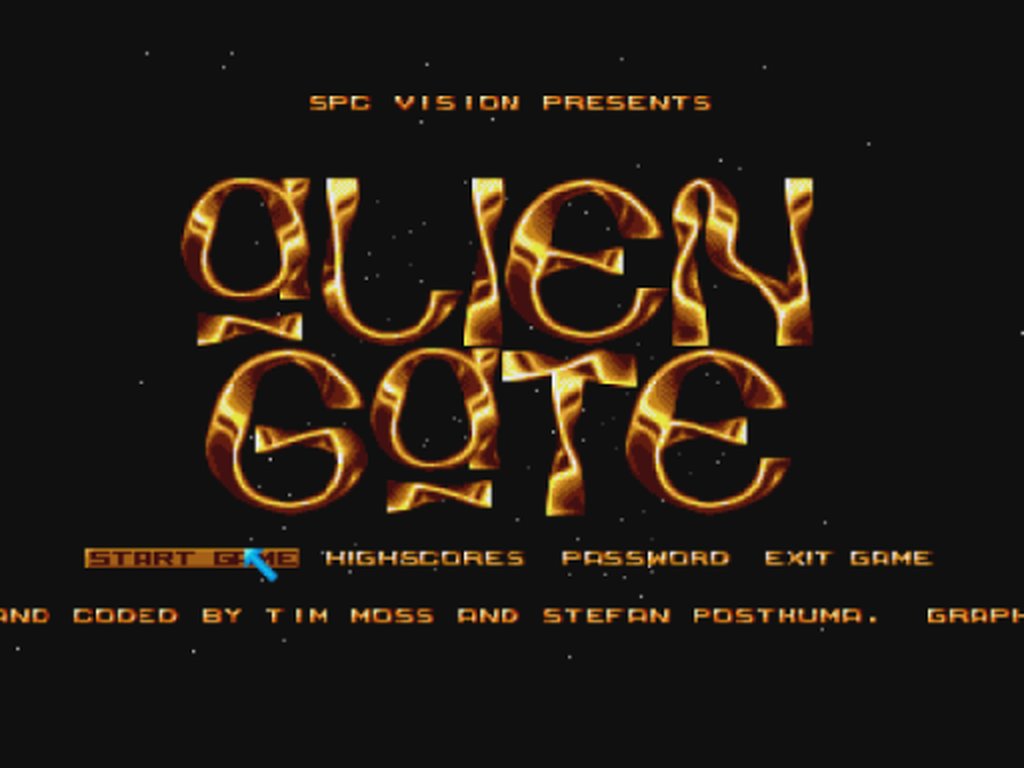
SPC Vision, the Dutch studio behind half the format’s competent software, made the CD-i’s most straightforwardly enjoyable arcade game in 1993 and almost nobody noticed. Alien Gate is a vertical-scrolling shooter of the old school: one ship, waves of alien attackers in formation, power-ups, screen-filling bosses and a difficulty curve that assumes you came to work. There is no FMV, no multimedia garnish, no famous licence — just a well-built shooter running on a machine whose catalogue desperately needed one. It plays with the urgency the format’s pointer-designed software so often lacks, and it remains the easiest disc on this list to recommend to a sceptic: put it on, and for twenty minutes the CD-i is simply a games console, doing a games console’s job properly.
2. Solar Crusade

Infogrames built Solar Crusade as the sequel to Chaos Control — the Orbital Defence Forces flying again against the Kesh Rhan — released it for Windows in 1996, and then shelved the finished CD-i version for three years. When it finally appeared in 1999, it became a genuine piece of history: the last official game released in the CD-i’s lifetime, the format’s final word. It is also, on the evidence, an improvement on its parent: bigger rendered environments built in Softimage on Silicon Graphics workstations, a brisker pace, and CD-i Magazine-era reviewers giving the CD-i edition scores in the eighties. It requires the Digital Video Cartridge, which is why so few were sold and why finding one feels like finding the platform’s tombstone with a game inside.
3. Pac-Panic
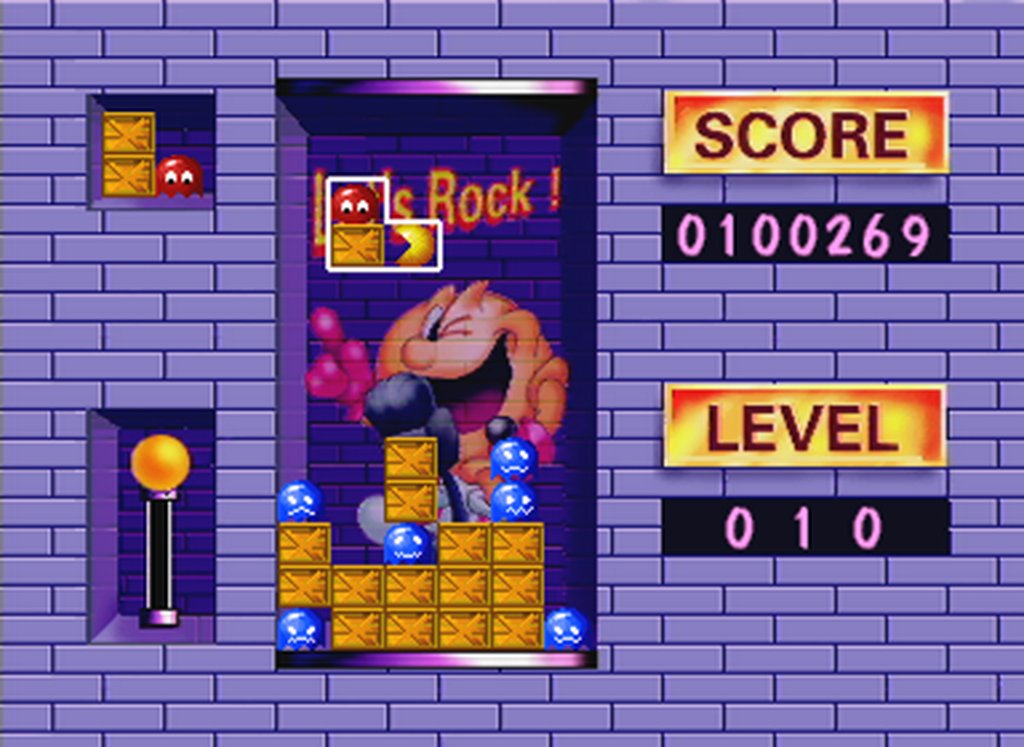
Namco’s Pac-Attack — released as Pac-Panic in Europe — is the falling-block puzzler that time filed under “also-ran” and players keep rediscovering. Blocks, ghosts and Pac-Man pieces fall in threes; line up the ghosts, drop a Pac-Man, and he eats the whole row in a chain-reaction that is one of the most satisfying mechanics in the genre. The CD-i edition, published by Philips in the mid-nineties, is a faithful, colourful conversion with the series’ cheerful presentation intact and a two-player versus mode that turns it into a genuine living-room contest. It never had Tetris’s fame to trade on, which is precisely why it sits in bargain bins at a fraction of the price of the format’s famous puzzler — and plays better than it.
4. Mutant Rampage: Bodyslam

The most interesting credits line on the CD-i belongs to this 1994 beat-’em-up: Animation Magic, the studio of Faces of Evil and Wand of Gamelon, applying its cartoon pipeline to an original game. In a post-apocalyptic America where mutants rule the streets and television’s biggest show is a fighting tournament, you brawl through side-scrolling stages with wrestling-inflected moves — throws, slams and the titular bodyslam — between animated cutscenes made by the same hands that drew Koridai. The brawling is workmanlike rather than inspired, but the presentation is pure Animation Magic: colourful, expressive and cheerfully unhinged. As a playable footnote to the Zelda story and as one of the format’s few proper brawlers, it earns its shelf space twice over.
5. Kingdom: The Far Reaches

Inside this 1995 Interplay release hides one of gaming’s great lost epics. Kingdom is a reworking of Thayer’s Quest, the 1984 laserdisc adventure Rick Dyer built for the Halcyon home system — Dragon’s Lair’s designer’s attempt at a true laserdisc role-playing game, with places to explore, people to question and an inventory to manage. For the CD-i, 3DO and PC versions, Dyer renamed the cast (hero Thayer Alconred became Lathan Kandor), redubbed the voices and rebalanced the quarter-eating into a point-and-click adventure. What survives is the scope: a hand-drawn fantasy kingdom, hours of exploration, and a design ambition from 1984 that most 1995 adventures never approached. Slow, strange and genuinely absorbing.
6. Inca
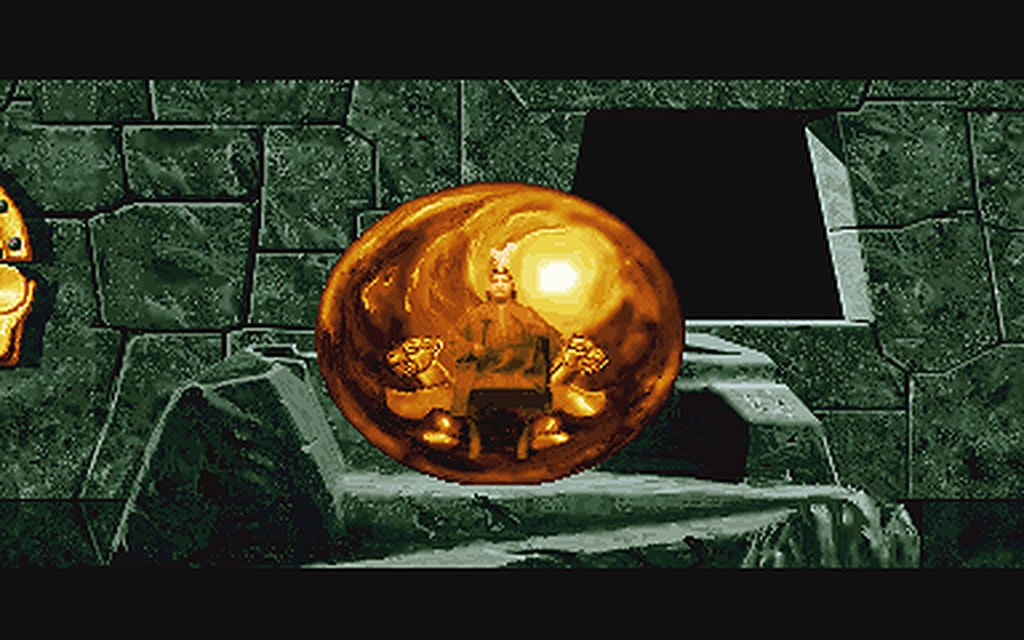
Coktel Vision’s Inca is the most gloriously French object on the CD-i. Its premise: the Inca emperor Huayna Capac awakens in the distant future to find his people’s enemy — the Spanish conquistador Aguirre — also reborn, and their war continues across the galaxy aboard the golden ship El Dorado. The game alternates graphic-adventure sequences, all mysticism and rendered splendour, with first-person space-combat simulation as you duel Aguirre’s fleet between worlds. Neither half is flawless, and the join between them is pure early-CD exuberance, but the whole is like nothing else on any format: a space opera built from Andean mythology, made by a studio that treated the CD as a licence to dream in public. The CD-i version delivers it complete, soundtrack and all.
7. Creature Shock

Argonaut’s 1994 epic was one of the first truly huge CD games — over a gigabyte across two discs, mixing on-rails shooting through pre-rendered environments with first-person FMV exploration of an alien-infested station. The CD-i version, a European release from 1997 requiring the Digital Video Cartridge, makes an editorial decision worth knowing: it keeps the three exploration levels and drops the rail-shooter stages that the PC and 3DO versions carry. What remains is arguably the better half — a slow, atmospheric, monster-haunted crawl with light-gun support and production values that still impress. It is the format’s biggest game in every sense, and its European-only release makes the CD-i edition one of the shelf’s genuine rarities.
8. Escape from CyberCity

The CD-i’s most unlikely import began life in a 1987 arcade. Millennium’s Freedom Fighter was a laserdisc rail shooter built from footage of the two Galaxy Express 999 compilation films — Leiji Matsumoto’s space-opera classic, re-edited into a game in which you shoot your way through a machine city as its hero. Fathom Pictures brought it home in 1992 as Escape from CyberCity, one of the CD-i’s earliest action titles: full-screen cel animation, a crosshair in place of the arcade’s gun, split-second reactions and absolutely no interest in explaining itself. It is brutally hard, defiantly minimal and utterly unique in the catalogue — a playable anime film from the format’s first wave, made before anyone had decided what CD-i games were supposed to be.
9. Lords of the Rising Sun
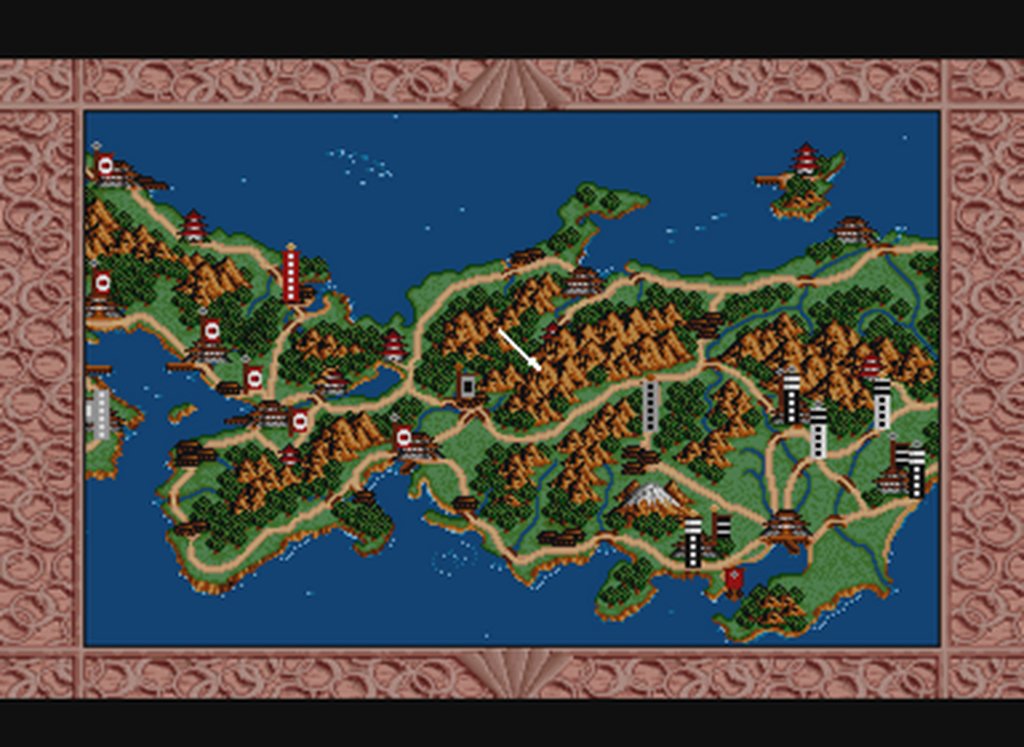
Cinemaware’s 1989 epic of the Genpei War found an unlikely second home on CD-i, and the format suits it. As Minamoto no Yoritomo or his brother Yoshitsune, you fight to unite twelfth-century Japan and claim the Shogunate: a campaign map of provinces and armies, diplomacy and sieges, broken up by arcade sequences — castle assaults, horseback pursuits, duels — in the Cinemaware house style of playable cinema. The CD-i edition adds the format’s presentational polish to a design that was already one of the Amiga’s grandest strategy-adventures. It asks for evenings rather than minutes, it rewards patience over reflexes, and on a platform starved of depth it may be the deepest disc Philips ever published.
10. Micro Machines

Everyone knows Micro Machines from the Mega Drive, which is why the CD-i version hides in plain sight. Codemasters’ top-down toy-car racer — speedboats in the bathtub, formula cars across the breakfast table, tanks in the garden — reached Philips’ format in the mid-nineties in a conversion that keeps the essentials exactly where they belong: the tabletop circuits, the ruthless screen-edge elimination rule, the head-to-head mode that has ended friendships on every format it has touched. It lacks the cartridge versions’ fame and their J-Cart convenience, and the CD-i pad is not the ideal instrument, but the game underneath is one of the most reliably joyful racers of its generation — on the one platform where nobody thinks to look for it.
How to dig: a short field guide to the bin
A few rules for the hunt itself, learned from the format’s peculiar market. First, CD-i job lots are the bargain hunter’s friend: because the famous discs are cherry-picked out of collections, the gems on this list routinely survive inside mixed lots priced for their encyclopaedias, and a patient buyer can assemble half of this top ten for the cost of one trophy Zelda. Second, check the Digital Video column before you fall in love: Solar Crusade and Creature Shock both need the cartridge, and a gem you cannot play is a paperweight with good art. Third, condition matters more than completeness at this end of the market — a clean, tested disc in a scuffed case beats a mint-looking coaster every time, and CD-i’s FMV titles show their scratches as missing film. Fourth, the European market is the deep end of this pool: Coktel, Infogrames and SPC Vision were European stories, several of these discs are European releases, and importing them has historically been cheaper than chasing the thin American supply.
And a closing word for the sceptic who has read this far out of politeness. The CD-i will never be rehabilitated into a great games console; the library’s centre of gravity is too strange and too video-bound for that, and this series’ reviews have scored it without sentimentality. But a format does not need to be great to be worth digging in. It needs corners the consensus never priced — and no format in the hobby has more of those than this one. Ten of them are listed above. The bin is waiting.