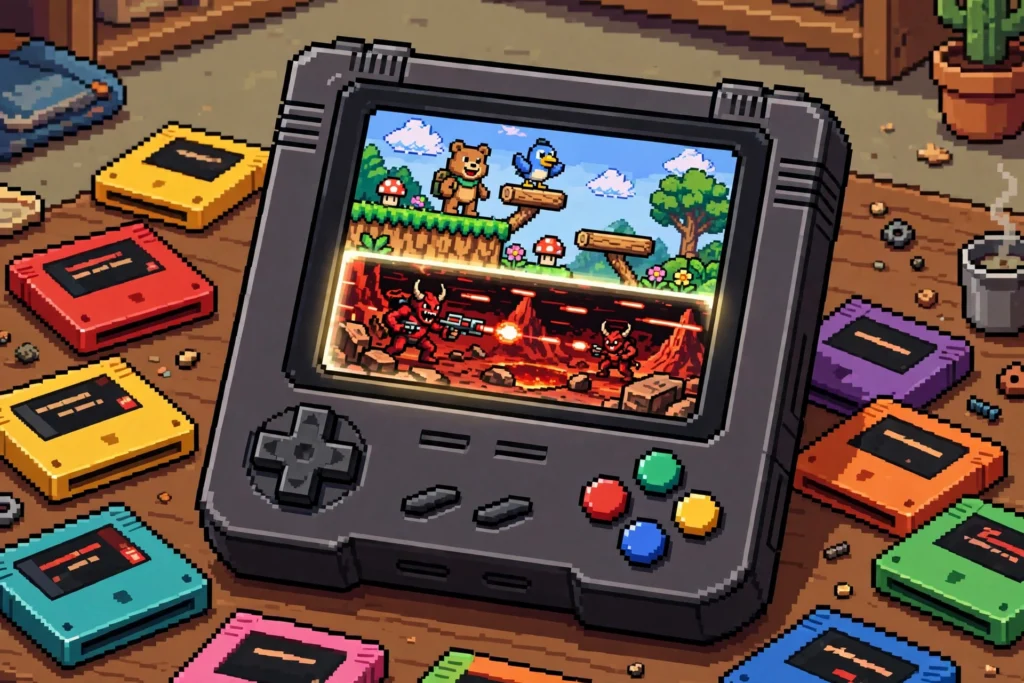
It is launch day for the most ambitious thing Blaze Entertainment has ever put in a plastic shell. The Evercade Nexus is on sale from today, October 30, at $199.99 / £169.99 / €199.99 — the highest price Evercade has ever asked for a handheld — and it arrives carrying the most interesting pack-in cartridge in the platform’s history: native, Rare-assisted rebuilds of Banjo-Kazooie and Banjo-Tooie. Alongside it, the DOOM Collection cartridge lands the same day for $29.99, and the two limited editions — the 2,000-unit 64 Edition and the 3,000-unit DOOM Edition — are already gone or going. Back in August, and again in our anticipation piece earlier this month, the Nexus was a promise. Today it is a product, with reviews in the wild. So: did Blaze’s biggest swing connect?
Mostly, yes — with caveats that matter, and one honest disappointment. Here is the launch-day picture, gathered from the first reviews and hands-ons, and what it means depending on which kind of Evercade fan you are.
The hardware, in numbers
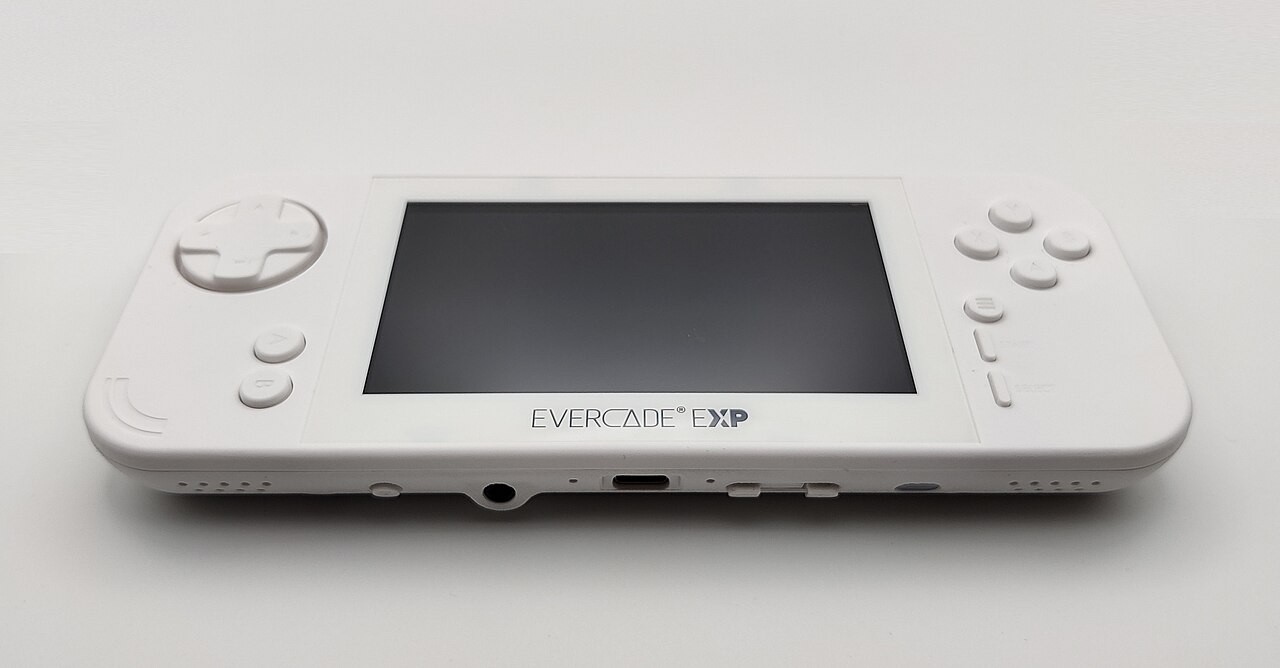
The Nexus is built, explicitly, for the 32- and 64-bit end of the Evercade library — the games the D-pad-only EXP and EXP-R always slightly struggled to do justice. The headline change is the one everybody asked for: proper dual analogue sticks, a first for an Evercade handheld. Around them sits the biggest screen Blaze has ever fitted, a 5.89-inch IPS panel at 840×512 and a bright 500 nits, in a body measuring 215×111×34mm and weighing 410g — substantial, closer to a small tablet with controls than to the pocketable Super Pocket, and unapologetic about it. Front-facing stereo speakers replace the usual downward-firing afterthought. There’s WiFi 6, wireless headphone support alongside the 3.5mm jack, USB-C charging, roughly five hours of battery, and a TATE mode that flips the screen vertical for arcade shooters — a feature hands-on testers keep singling out, because on a screen this size, vertical shmups finally feel like events rather than compromises.
Two deliberate absences define the machine as much as its spec sheet. There is no TV output — playing Evercade on a television remains the VS-R console’s job, and Blaze is content to keep the family divided that way. And the silicon is evolutionary rather than revolutionary, in the same class as the EXP line: the Nexus is a refinement of a proven platform, not a generational leap. Whether that reads as focus or as caution depends on your expectations at $199.99, and the first reviews split exactly there.
What the first reviews actually say
The consensus from launch-week coverage is warmer than a $200 cartridge handheld has any right to expect. Destructoid’s hands-on from Blaze’s London first-play event called it a premium-feeling, focused retro machine and judged it a good deal at the price with the Banjo pack included — while flagging, as nearly everyone has, the lack of a sleep or suspend mode at launch: you can save states freely, but ending a session means powering down. Blaze has since said sleep mode is coming in a firmware update, which softens the complaint without erasing it; a handheld launching in 2026 without sleep is a handheld launching with homework. Time Extension and Stuff, in their earlier verdicts, landed on the Nexus as the best entry point the platform has ever had for newcomers, and the day-one roundups at Pocket Tactics and Retro Dodo have broadly echoed that: vivid screen, controls that finally fit the library’s upper end, and a machine that feels like a flagship rather than a refresh.
The criticisms, where they come, are consistent and fair. It is the most expensive Evercade handheld ever, full stop, and it asks that money in a year when FPGA handhelds and cheap emulation devices crowd the same shelf. The battery’s five hours is adequate rather than generous. And the 64-bit library it is built to showcase is still, today, more promise than catalogue — which is precisely why the pack-in matters so much.
Banjo is the real launch title
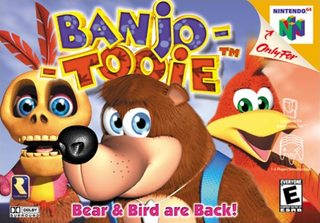
Let’s be clear about what is actually in the box, because it is not an emulation two-pack. The Banjo-Kazooie Double Pack cartridge bundled with every standard Nexus contains both of Rare’s N64 platformers rebuilt as native Evercade releases, developed from the original code with Rare’s involvement: running at 60fps, with widescreen support and a reworked camera — the two things the N64 originals most needed and could never have. Hands-on reports from the London event were genuinely surprised by how well they play, and there is a lovely footnote for the budget-minded: the same enhanced Banjo also runs on the little Super Pocket, D-pad and all, and reportedly plays better than it has any right to. The cartridge is also sold separately from today, for anyone whose Evercade already lives in a drawer.
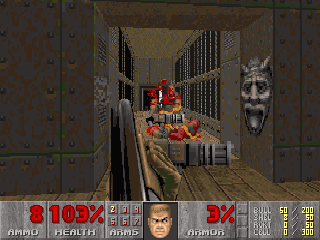
And then there is the other cartridge launching today, the one existing owners should care about most. The DOOM Collection, $29.99 / £24.99, packs DOOM, DOOM II, TNT: Evilution, The Plutonia Experiment, the Master Levels, No Rest for the Living, both SIGIL episodes and a deathmatch map pack onto one Evercade cart, with split-screen local multiplayer — a feature that once required two consoles, two copies and a link cable, now running on one handheld. It works across the whole Evercade family, and it had already sold out at Funstock US before launch day. If you own any Evercade at all, this cartridge, not the console, is today’s essential purchase.
One cartridge, every machine — the ecosystem is the argument
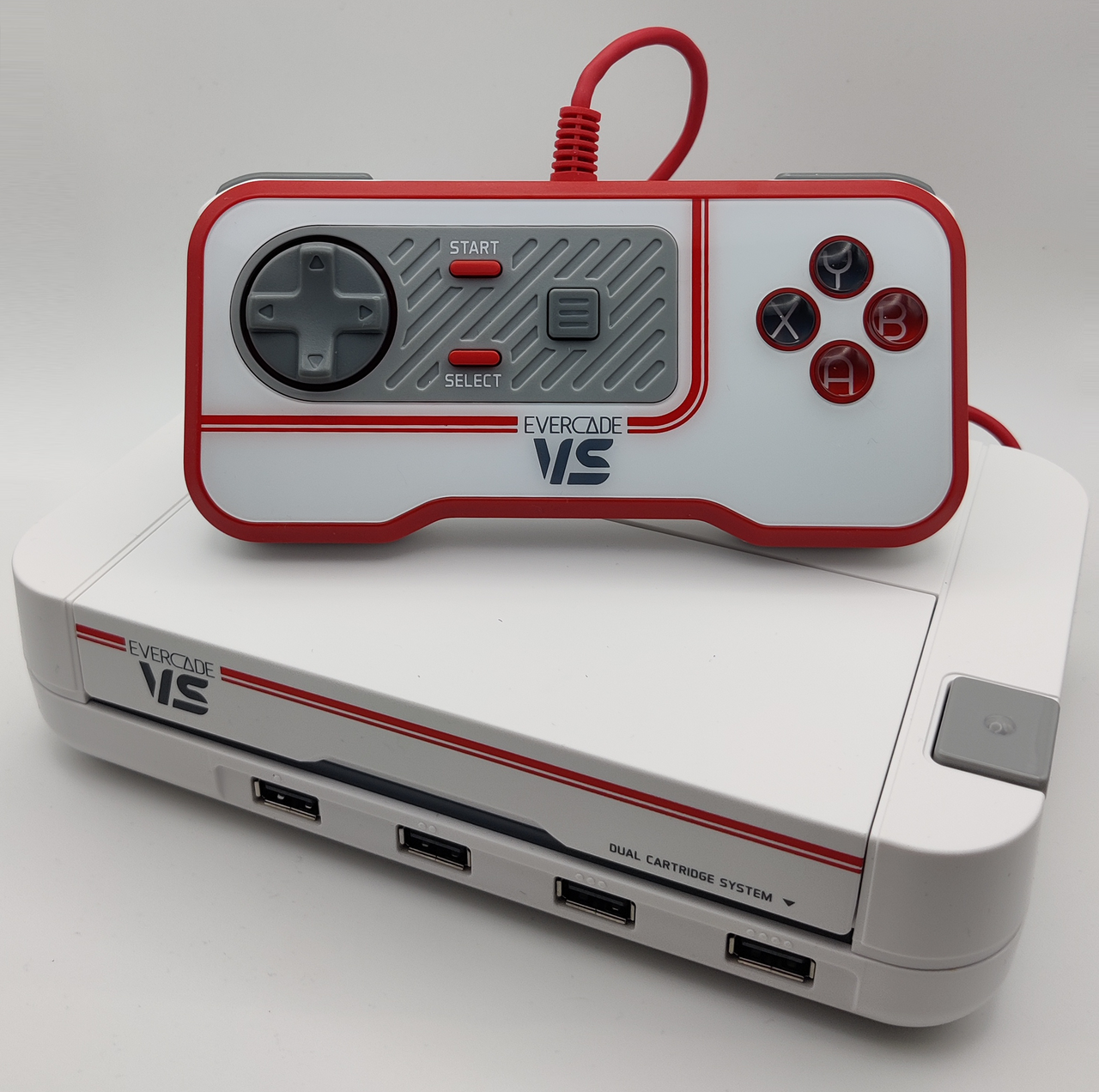
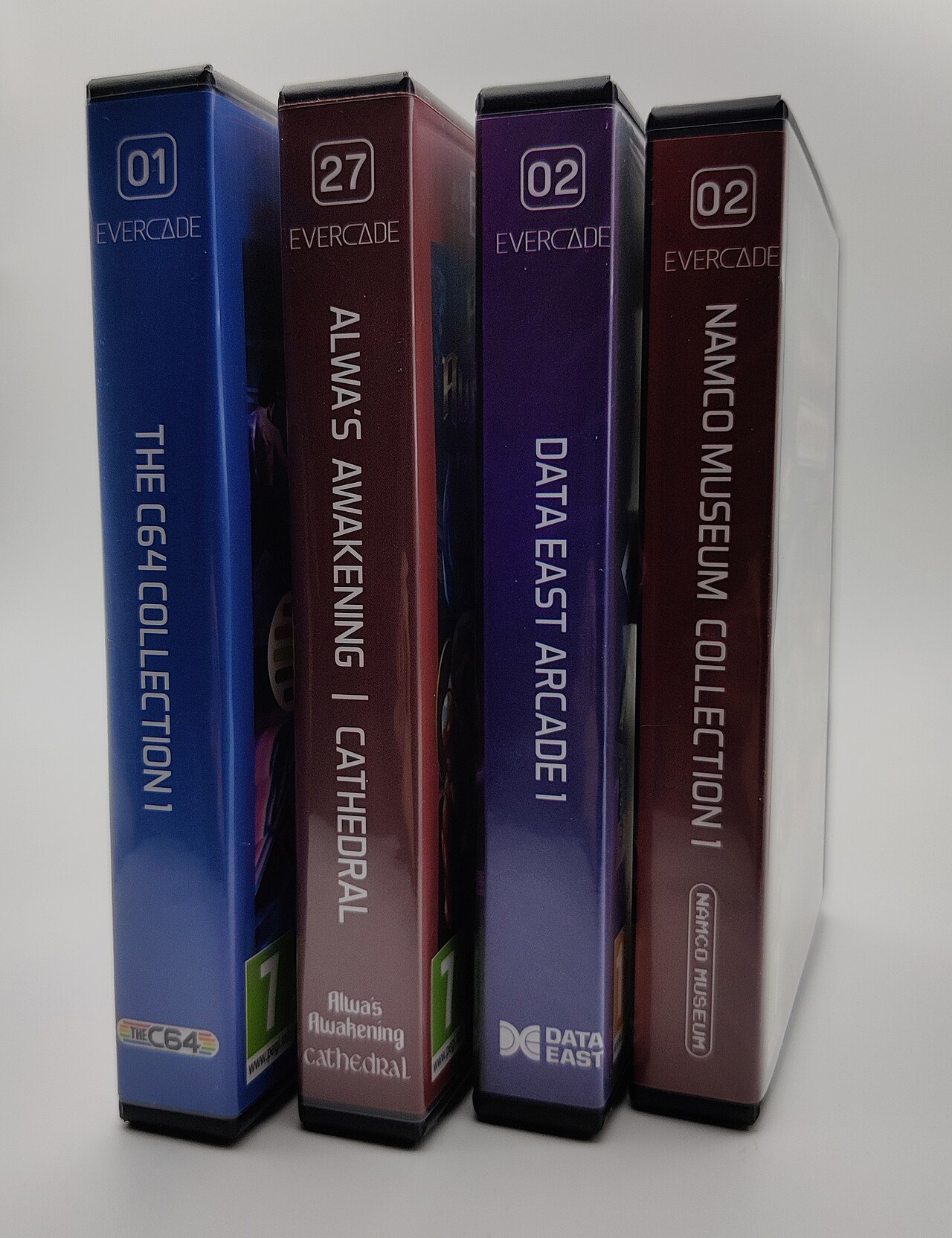
It is worth pausing on the thing no rival handheld can copy, because launch days are when it matters most. Every cartridge you already own — all 80-plus of them, 700-plus games — works in the Nexus on day one, exactly as it worked in your EXP, your VS, your Super Pocket. Blaze’s EverSync system goes further still: a single cartridge can serve two Evercade machines wirelessly, so a two-player household does not need two copies of the same cart to play together, and the DOOM Collection’s split-screen modes are built to exploit exactly that trick. October’s firmware updates rolled DOOM improvements across the entire family — VS, VS-R, EXP, EXP-R, Alpha and the Nexus alike — which tells you how Blaze sees this launch: not as a replacement for the machines in people’s hands, but as a new flagship for a fleet. In a hobby increasingly defined by disposable hardware revisions that orphan your library every three years, a launch whose headline feature is “everything you bought still works, and works better” is a genuinely radical pitch. It’s also, not coincidentally, why the second-hand Evercade cartridge market stays as healthy as it does.
Practicalities for launch-day buyers, briefly: the standard edition is the one in general retail — Amazon, Best Buy and GameStop in the US, Argos in the UK with an exclusive carry case — while both limited editions were Funstock exclusives and are effectively gone. If a listing for the 64 or DOOM Edition appears at a heavy markup this weekend, our advice is the same as it was in August: buy the standard machine and the DOOM cartridge, keep the change, and let somebody else pay the scarcity tax. The Banjo pack-in, remember, is in the standard box.
The editions game, and who should buy what
The limited editions played out exactly as August’s sell-outs predicted. The 64 Edition — N64 colours, hard case, poster, certificate, $229.99, 2,000 units through Funstock — is sold out. The DOOM Edition — Mars-red, $249.99, 3,000 units — is the collector’s trap of the launch, and worth naming plainly: it does not include the Banjo pack-in, so its premium buys presentation, not more game. The standard edition is the rational buy, and Blaze’s own pricing makes it so.
So the launch-day verdict shakes out by audience. New to Evercade? This is the entry point the platform has been waiting for: the biggest screen, the right controls, the best pack-in, and 80-plus cartridges and 700-plus games of back catalogue waiting behind it. Already own an EXP-R? The honest answer is wait, or don’t: the sticks and screen are real upgrades, but your library plays today, and the DOOM cart gives you launch-day joy for $29.99. Play on TV? The VS-R remains your machine; the Nexus was never aimed at you. And collectors already know what they did about the limited editions, and did it weeks ago.
Seven years in, Blaze is still making the thing the industry insists nobody wants: games on plastic cartridges, in boxes, on a machine that does one job. The Nexus is that idea at its most confident and its most expensive. The first reviews say the confidence is earned. The cartridges, as always, will have the final word.
🕹️ Shopping for the hardware?
We keep current prices and a full buying guide for this one over at our sister store, My Arcade Cabinet.