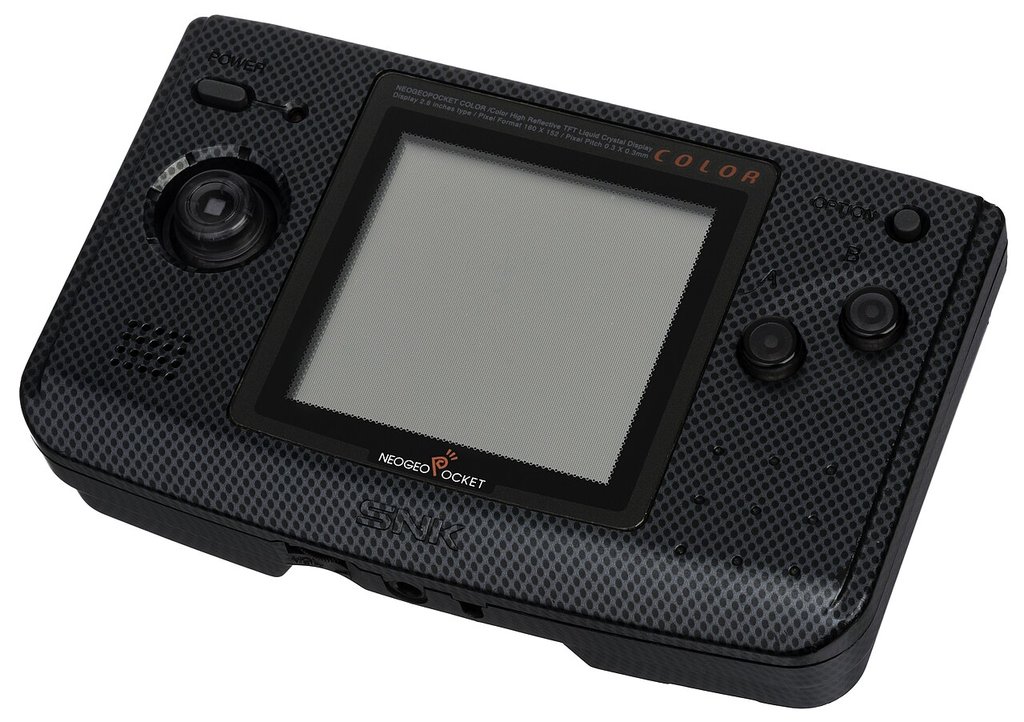
The Neo Geo Pocket Color has crossed the line from retro curiosity to established collectible, and its market has the traps to prove it: three hardware variants that look alike, two incompatible-looking packaging traditions, a price ceiling set by three or four genuinely rare games, and a thriving modern scene of screen mods and flash carts that changes what ‘original hardware’ even means. This guide walks the whole landscape: which machine to buy, what to pay attention to, where the money pits are, and how to build a library without feeding the worst of the market.
The hardware: NGP, NGPC and the Slim
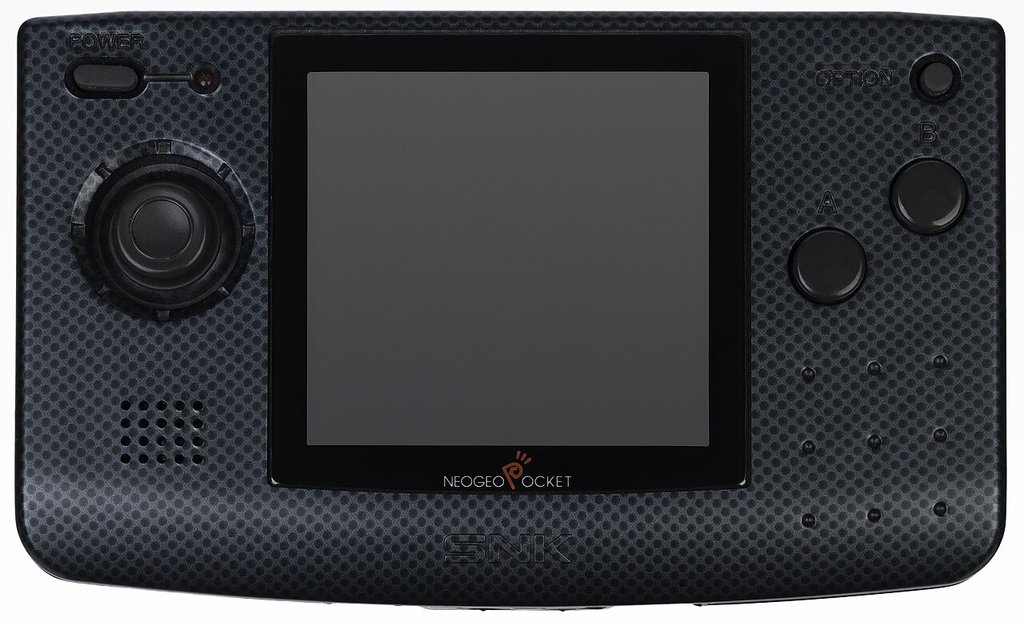
First, know the family. The original Neo Geo Pocket (1998) is a monochrome machine, sold only in Japan and Hong Kong: a historical piece, not the one to buy for playing the famous library. The Neo Geo Pocket Color (1999) is the main event — 160×152 colour screen, around forty hours on two AA batteries, the micro-switched clicky stick, and full backward compatibility with the mono library. The New Neo Geo Pocket Color, the ‘Slim’ (2000, Japan only), is a slightly smaller, sleeker revision with a better speaker and identical internals: lovely, pricier, functionally the same.

Buying checks, in order: the stick (eight clean clicks, no mushy directions — this is the machine’s soul and its least replaceable part); the screen (look for scratches on the lens, dead lines, and the dimming that comes with age — the stock screen is reflective and needs decent light, which is normal, not a fault); the battery contacts (corrosion from forgotten AAs is the most common killer); and the cartridge slot (games should read first time). The CR2032 cell under the battery cover keeps the clock and system settings; if the machine asks for the date on every boot, that cell is dead — a trivial, cheap fix, and a fair negotiating point.
Screens and mods in 2026
The defining question of modern NGPC ownership is the screen. The original reflective display is charming in sunlight and murky indoors, and the aftermarket answered with backlit IPS kits: full kits replace the display with a modern, bright, larger-viewable-area panel, typically requiring shell trimming or a pre-cut aftermarket shell, while simpler front-light and lens options exist at the gentler end. A well-installed IPS NGPC is, honestly, the best way to play this library in 2026 — the games’ colours were always this good; the 1999 screen just couldn’t show you. Purists should keep one unmodified machine; players should mod without guilt. Buy a pre-modded unit only from sellers who show the work, and price in that a modded machine’s value is in use, not in originality.

Flash carts and the modern way to play
Two flash solutions anchor the scene. The Neo Pocket Flash Masta is a compact, long-running option that carries a curated set of games per flash — ideal for the core library. The Neo Geo Pocket SD from RetroHQ carries the whole catalogue on microSD and adds the convenience modern players expect. Both also open the door to the system’s homebrew and to fan translations — including, significantly, English access to games like Ogre Battle Gaiden that never officially left Japan. A flash cart plus an IPS machine is the enthusiast’s endgame: original stick, original hardware, every game, no shelf of £300 cartridges required.
The games market: regions, boxes and the price tiers
Hardware is region-free — any cartridge plays on any machine — so region is a question of language and packaging, not compatibility. Japanese releases are the most plentiful and usually the cheapest, and for fighters, puzzlers and sports they play perfectly without a word of Japanese. UK and European releases came in SNK’s beloved hard plastic clamshell cases and are the collector’s standard; American releases shipped in flimsier cardboard boxes (a notorious cost-cutting decision) and complete US copies in good condition carry a premium for the box’s survival alone. Beware the 2003-era blister-pack loose cartridges — genuine games, sold stripped of case and manual during the stock liquidation: fine for players, worth far less than complete copies, and sometimes priced as if they weren’t.
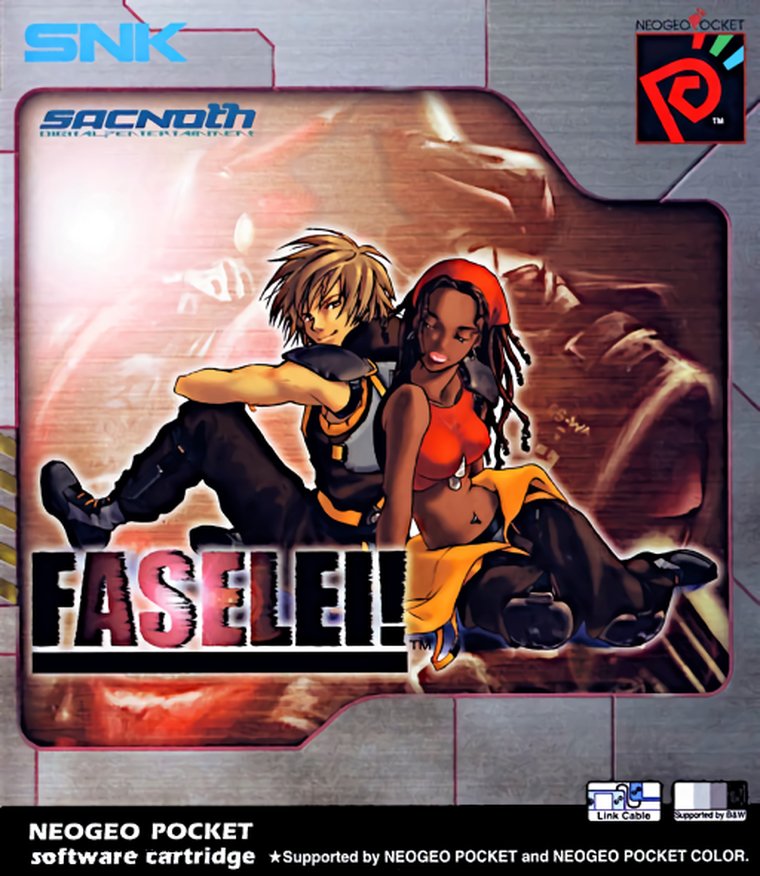
The price tiers, honestly drawn. Tier one, the everyday library: the fighters, Metal Slugs, Sonic, the puzzlers — loose cartridges are affordable, complete copies moderate. Tier two, the sought-after: UK-edition RPGs and late releases, where complete copies climb steeply. Tier three, the grails: Faselei! in its UK clamshell (the North American release was cancelled; the English UK edition is the one that exists), Evolution: Eternal Dungeons in English, and Cotton’s European edition — three games whose Western stories were all cut short by the June 2000 withdrawal, and whose complete copies sit at the top of the market. Set alerts, buy the best condition you can, and never pay grail money for a loose blister-pack cart in a reproduction case.
Traps, fakes and final advice
The traps are the usual ones, sharpened. Reproduction cartridges exist for the grails — check board edges, label print quality and case moulding against known-good photographs. ‘Tested’ should mean the seller played past the title screen; ask. Screen-modded machines sold as ‘mint original’ are a growing genre of listing — ask directly whether the unit has been opened. And the mono NGP is occasionally listed at Color prices by sellers who count on the similar shells: check for the COLOR branding under the screen before you pay.

Emulation, compilations and trying before you buy
Not everyone needs hardware, and 2026’s happiest development is that the library is legally buyable again. The Neo Geo Pocket Color Selection volumes on Switch and PC gather many of the system’s peaks — the fighters, the Metal Slugs, Dark Arms, Biomotor Unitron and more — with good emulation and modern conveniences, at a fraction of one grail cartridge. They are the sensible first step: play the canon, learn whether the library’s charms are your charms, and let that knowledge steer your hardware hunt. What they cannot give you is the stick — the micro-switched click is a physical thing, and if the games take hold of you, that click is what will eventually send you shopping. Consider yourself warned, happily.
Building the library on a budget
The collector’s arithmetic is friendlier than the grail prices suggest. Loose Japanese cartridges of most of the library remain genuinely affordable, the hardware is region-free, and the fighters and puzzlers — the games you will actually play weekly — sit in the market’s reasonable tier in every region. Spend your money in this order: the machine (stick first), the screen (mod when ready), the flash cart (for breadth), then complete copies of the handful of games you love most, bought slowly. That sequence keeps every pound working and leaves the grails as the final exam rather than the entrance fee.
Accessories worth knowing
The accessory shelf is small but characterful. The link cable is common and cheap — buy one on sight if you ever expect to know another owner. The Dreamcast link cable is neither: it is the system’s signature rarity among peripherals, and while its unlocks are novelties, as a piece of cross-company history it is the collection’s best story. The AC adapter saves batteries at home, the official carry cases survive well, and the Japan-only wireless adapter belongs to the museum tier — if you see one boxed at a sane price, you are looking at one of the rarest objects in the system’s whole story. Skip the third-party screen magnifiers and lights of the era unless nostalgia demands them; a modern IPS kit does their job immeasurably better.
What to pay, and when to walk away
Prices move, but principles don’t. A tested, clean Color with a crisp stick is worth a premium over an untested gamble every time — the stick cannot be cheaply replaced, and ‘untested’ in this market usually means ‘tested, failed, relisted’. Budget the CR2032 and a lens as consumables. For games, condition-grading is the whole skill: a complete UK clamshell in fine shape is a different object from a loose blister-pack cartridge, and honest listings say which they are selling. Walk away from stock photos on grails, from sellers who won’t show a board, and from any Faselei! priced like a miracle. The system’s community is small and knowledgeable; the reputable sellers are known, and patience is the collector’s actual currency.
The library, tiered for buyers
Build the shelf in the order the market rewards. Start with the players: loose or Japanese copies of the fighters, the Metal Slugs and Sonic — the games that justify the hardware — all in the market’s friendly tier in playable condition. Add the puzzlers next; they are cheap, eternal and region-proof. Then the RPGs in Japanese or via flash cart, where the language toll is lowest. Save the complete UK clamshells — Faselei!, Evolution, Cotton and the late releases — for last and buy them one at a time, from known sellers, with board photographs, at prices you have watched for a month. That sequence turns a frightening market into a pleasant hobby with a syllabus.
One last principle, and it is the one that separates collectors from accumulators: this library is small enough to finish. Eighty-some games, nearly all worth owning, most worth playing — the NGPC is the rare system where a complete, considered collection is an achievable ambition rather than a life sentence. Buy slowly, play everything, keep the stick clicking. That was the deal in 1999. It is a better deal in 2026.
A note on documentation, because it pays: photograph your grails, keep receipts from reputable sellers, and record serials on the hardware. The NGPC market is small enough that provenance matters and friendly enough that documented copies move between known collectors at fair prices. Your future self — upgrading, completing, or one day selling — will thank the archivist you were. Every great collection is two collections: the objects, and the paper that proves them.
Welcome to the smallest great library in gaming. Buy well, play everything, and mind the click — it is the sound of a machine that was always better than its fate, waiting in your pocket to prove it one more time.
Our recommended path in 2026: a Color or Slim in honest condition, a fresh CR2032, an IPS kit when you’re ready, a flash cart for the deep cuts, and a small shelf of complete favourites bought slowly and well. The NGPC rewards that approach like no other system: a tiny library, nearly all of it worth playing, on the best-feeling handheld ever made. Buy the stick. The games will follow.