
Some sales records take decades to finish. On May 8, 2026, Nintendo published the financial results for its fiscal year ended March 31, 2026, and buried in the accompanying results briefing was a line that quietly rewrote one of the oldest settled totals in the Pokemon catalogue: Pokemon FireRed and Pokemon LeafGreen, released for Nintendo Switch on February 27, 2026, had together recorded global cumulative sell-through exceeding 4 million units in their first six weeks. Add that to the 12.00 million copies the pair sold on Game Boy Advance, a figure that had not moved in well over a decade, and their combined lifetime total rises above 16 million — enough, on the published numbers, to lift a pair of 2004 remakes back into the all-time top ten of the best-selling Pokemon games, in ninth place. Our earlier coverage dealt with the surprise Pokemon Day launch itself; what follows is purely the sales story that launch produced.
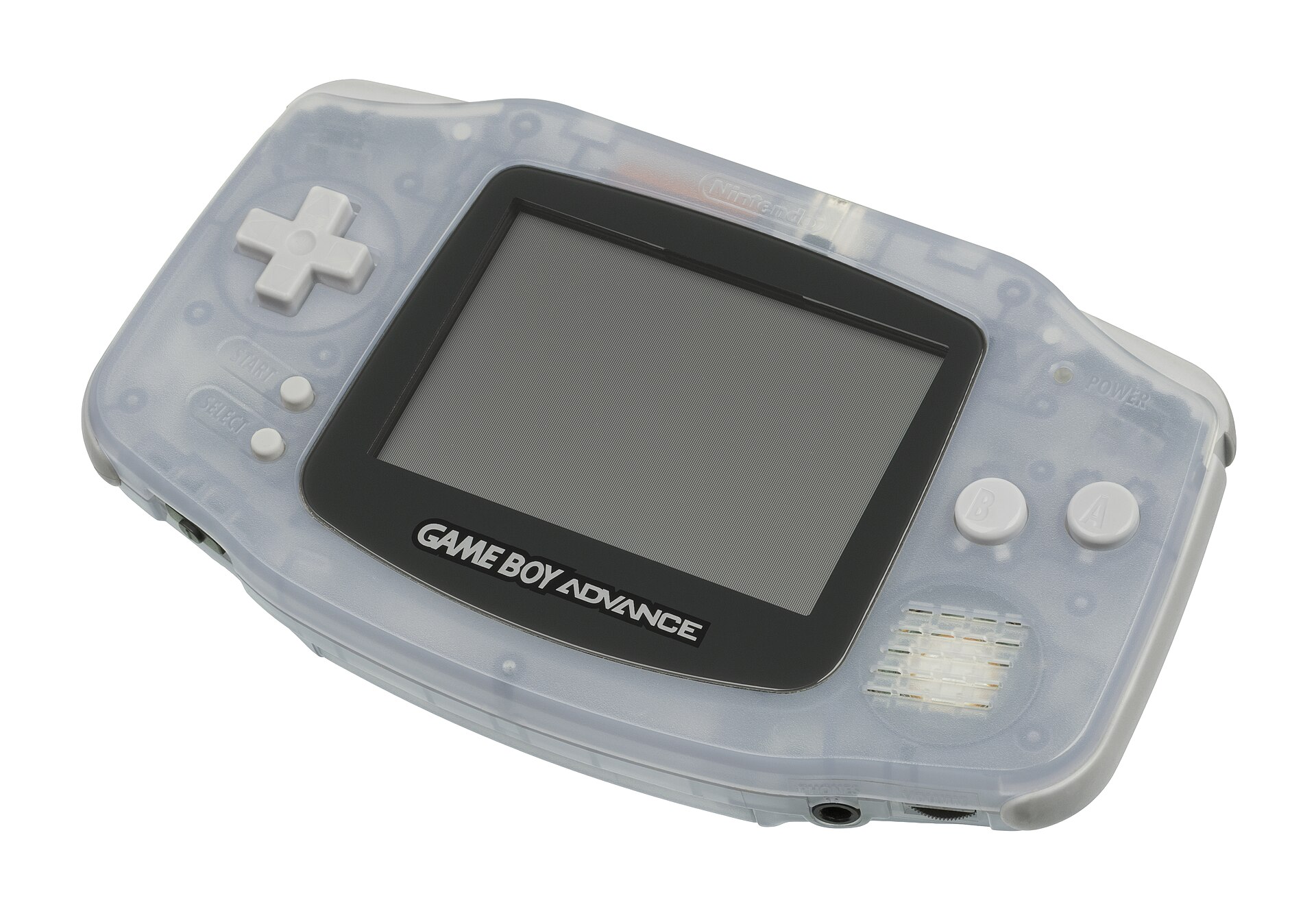
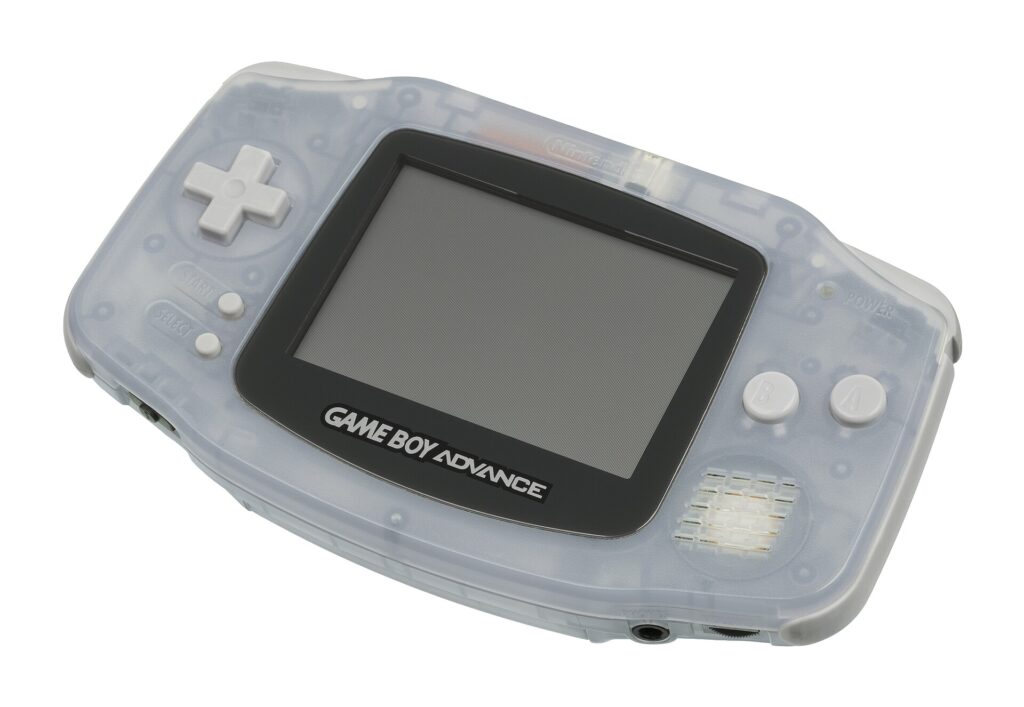
A translucent milky-blue Game Boy Advance, the hardware FireRed and LeafGreen were built for in 2004. The pair’s first 12 million sales happened on machines like this one. Photo: Wikimedia Commons.
Where the new figure actually came from
Reporting chains matter with a number like this, because Nintendo never issued a press release headlined with a FireRed and LeafGreen total. The figure comes from investor material. The primary document is Nintendo’s Financial Results Briefing for the fiscal year ended March 2026, the presentation published alongside the annual earnings release on May 8, 2026. On its Pokemon sell-through page, the briefing states that FireRed and LeafGreen, released for Nintendo Switch on February 27, 2026, together recorded global cumulative sell-through exceeding 4 million units in the first six weeks, with a note that in Japan the software is released and sold by The Pokemon Company. The wording was then repeated in public by Nintendo’s president: in the question-and-answer session following the results, Shuntaro Furukawa described the pair as a download-only title that had sold over 4 million copies worldwide in the six weeks since launch. Same-day coverage from Nintendo Life, Polygon, TheGamer and others on May 8 was all reporting that one briefing line, not separate retail data.
Two words in that sentence do heavy lifting. The first is "together": Nintendo reported the pair as a combined figure, with no official split between FireRed and LeafGreen individually. The second is "sell-through". Most Nintendo software totals are sell-in — units shipped to retailers, including digital copies sold through Nintendo’s own storefront accounting — but the briefing deliberately used sell-through, meaning copies actually bought by players. For a download-only release sold at $19.99 per version, that is the cleanest demand signal Nintendo could have given, and it is a floor rather than a precise count: exceeding 4 million could mean 4.01 million or considerably more, and Nintendo has not said which.
The arithmetic Nintendo never quite printed
The 16 million headline is an addition, not a quotation, and it is worth showing the working. The first addend is the Game Boy Advance total: 12.00 million copies worldwide as of March 31, 2013, the figure carried in Nintendo-derived sales listings and repeated by Bulbapedia’s sales records ever since. That number had every appearance of being final. The GBA was long discontinued, no new copies were being manufactured, and the pair sat in the record books with an unwanted distinction Bulbapedia still records: at 12 million, they were the lowest-selling remakes in the core Pokemon series. The second addend is the briefing’s exceeding-4-million Switch sell-through. Twelve plus four gives a combined lifetime total of more than 16 million — roughly a third as many copies again, added in six weeks, twenty-two years after the games first went on sale.
The combined chart was assembled publicly within hours of the results. Serebii’s Joe Merrick flagged the updated series sales table on social media shortly after Nintendo published the report, and the combined listing — 16.00 million, credited across both platforms, dated March 2026 — is how Bulbapedia’s sales list now carries the pair in its combined reckoning. Simple multiplication also explains the trade press excitement: four million downloads at $19.99 each is around $80 million in gross spending, an estimate TweakTown derived from the unit figure and the price. That is arithmetic performed by reporters, not a revenue number Nintendo disclosed, and the draft of history should keep it labelled that way.
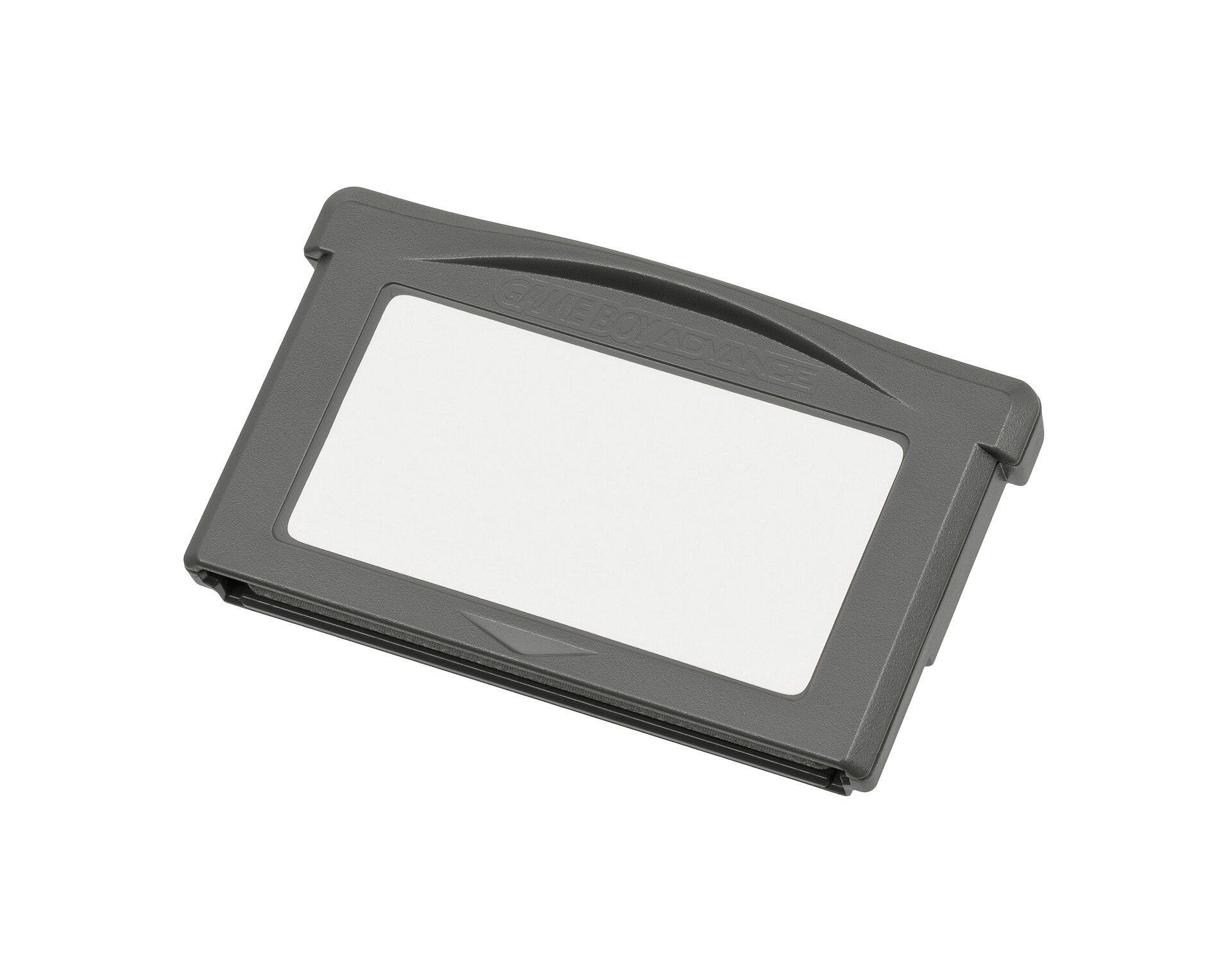
A Game Boy Advance cartridge with a blank label — the format the original 12 million copies shipped on in 2004. The Switch versions added their four million-plus with no cartridge at all. Photo: Wikimedia Commons.
The all-time table, and where ninth place sits
Ranked as combined entries — a pair of versions counted together, the way Nintendo and the series’ chart-keepers have always counted them — the top of the all-time Pokemon table, on the figures published by May 2026, reads as follows. Pokemon Red, Green and Blue remain first with a commonly cited combined 31.38 million. Pokemon Scarlet and Violet stand second at 28.28 million as of March 31, 2026, ahead of Pokemon Sword and Shield at 27.16 million. Pokemon Gold and Silver are fourth at 23.73 million. Then comes a long gap to Pokemon Diamond and Pearl at 17.67 million, followed by Pokemon X and Y at 16.80 million, Pokemon Sun and Moon at 16.34 million and Pokemon Ruby and Sapphire at 16.22 million. Immediately behind Ruby and Sapphire sits the new combined FireRed and LeafGreen entry at over 16.00 million — ninth — and behind it, pushed down a place, Pokemon Black and White at 15.64 million, with Pokemon Let’s Go, Pikachu! and Let’s Go, Eevee! at 15.07 million and Brilliant Diamond and Shining Pearl at 15.06 million completing the group the GBA pair jumped over.
Two honest caveats belong with that ranking. First, ninth is where the published floor lands the pair: because the Switch contribution is an "exceeding" figure with no exact value, the true combined total could sit a little higher, and if the Switch versions have in fact passed 4.22 million, the pair would already be eighth, ahead of Ruby and Sapphire. Nobody outside Nintendo knows. Second, the table mixes measures at its edges — lifetime shipped totals for most entries, a sell-through floor for the newest one — so it should be read as the best public reconstruction of the chart, not an official Nintendo league table. What is not in doubt is the direction of travel: a pair that spent years outside the top ten is back inside it.
The remake sub-table tells an even sharper story. On Game Boy Advance alone, FireRed and LeafGreen’s 12.00 million trailed every other core remake: HeartGold and SoulSilver reached 12.72 million, Omega Ruby and Alpha Sapphire 14.68 million, and the Switch-era remakes Let’s Go and Brilliant Diamond and Shining Pearl both passed 15 million. Counting both of its lives together, the combined FireRed and LeafGreen total of over 16 million moves past all of them. The lowest-selling remake pair in the series has become, on combined numbers, its best-selling one.
Twenty-two years, in one sales curve
The long view explains why the total froze for so long. FireRed and LeafGreen launched in Japan on January 29, 2004, with North American and European releases following in September and October of that year. They were full remakes of the 1996 Game Boy originals, rebuilding Kanto with the third generation’s presentation, adding the Sevii Islands as a post-game region and bundling the Game Boy Advance Wireless Adapter so players could trade and battle without a link cable. They sold quickly at first — more than a million copies in Japan within their first four days, according to Bulbapedia’s Japanese sales records — and Nintendo later remarketed them as Player’s Choice titles. But 12 million, respectable as it was, left them looking up at Ruby and Sapphire’s 16.22 million on their own system, and as later generations stacked up 15 and 16 million totals of their own, the remakes drifted down and eventually off the all-time top ten entirely.
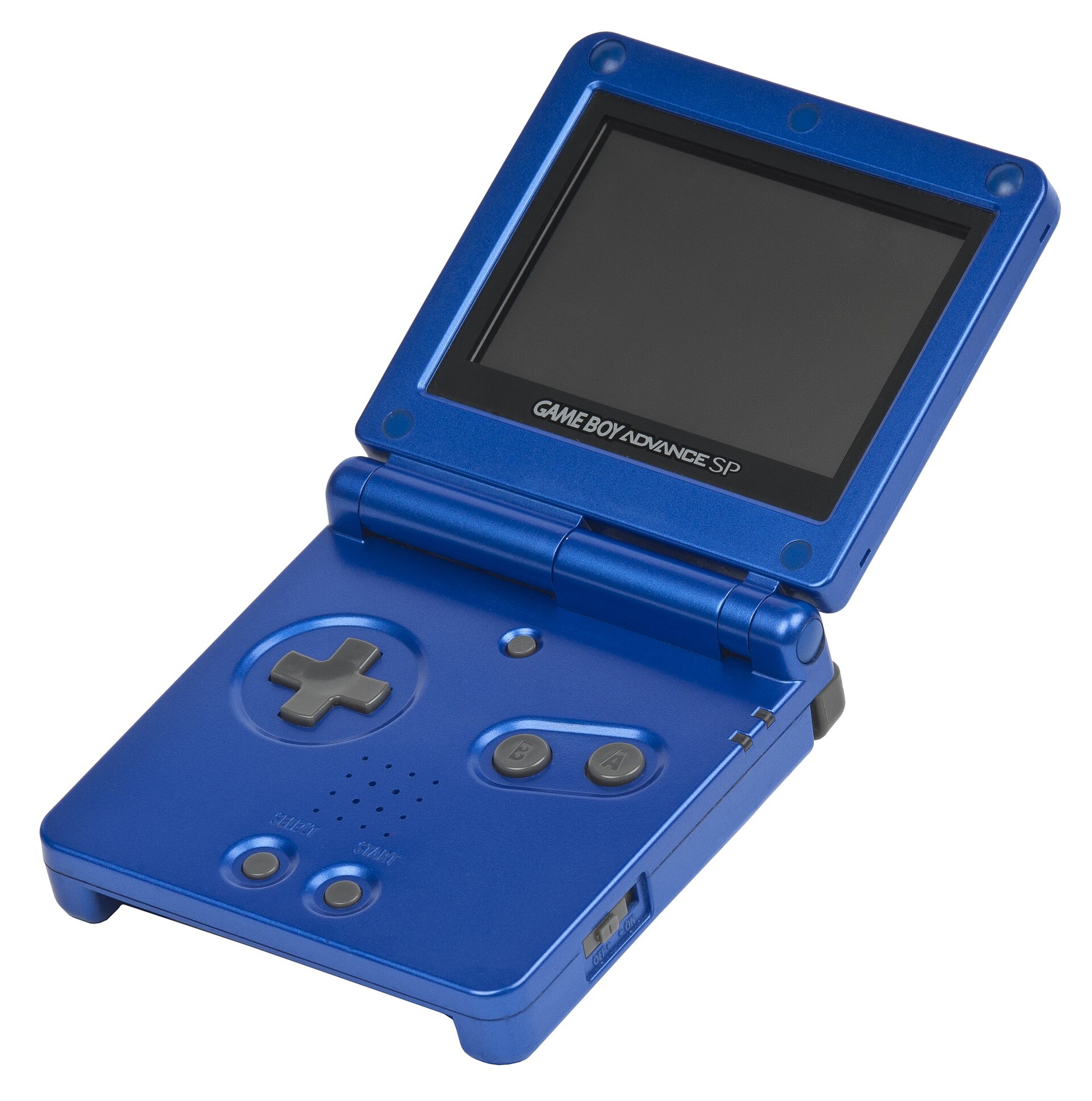
A blue Game Boy Advance SP, open. The folding SP was current hardware when FireRed and LeafGreen arrived in 2004, twenty-two years before the Switch re-releases. Photo: Wikimedia Commons.
The Switch chapter began on February 27, 2026 — Pokemon Day, and the series’ 30th anniversary — when both versions went on sale as standalone downloads at $19.99 each rather than as part of a subscription library. The pricing drew criticism, with Nintendo Life noting the bare-bones presentation of a download it measured at 33.4 megabytes, but the charts answered immediately: in the United States eShop rankings reported in March 2026, FireRed and LeafGreen held the top two places. Context helped them. The original Switch had sold more than 150 million systems by then, so the potential audience dwarfed the one Pokemon Pokopia — a brand-new Switch 2 game that matched the remakes’ feat, exceeding 4 million in five weeks — could reach on a young console’s install base. Even so, parity with a new release is a remarkable outcome for a pair of downloads whose contents date to 2004, and whose design roots date to 1996.
What has — and has not — changed since May
Nintendo’s next scheduled update came on August 6, 2026, with the first-quarter results for the fiscal year ending March 2027, covering sales through June 30, 2026. Those results moved other lines on the Pokemon table — Scarlet and Violet rose to 28.46 million and Sword and Shield to 27.26 million as of June 30 — but they contained no new FireRed and LeafGreen figure, and none has appeared since. Bulbapedia’s sales list, updated in September 2026, still carries the Switch versions at the same 4.00 million, March 2026 entry, which is the clearest sign that Nintendo has simply stopped updating this particular number in public. The pair’s story did gain one late chapter when Pokemon HOME compatibility arrived in October 2026, giving the Switch copies an onward route for their catches, but as a sales matter the record stands exactly where May left it: a verified floor of more than 16 million combined, an exact total unknown, and a ninth-place ranking that rests on a number Nintendo described only as "exceeding".
That is, in the end, the real milestone. Twenty-two years on, the GBA remakes did not just sell again — they sold at a scale that forced the all-time chart to be redrawn around them, on the strength of six weeks of downloads of games old enough to have grandchildren in the catalogue’s release order. Whether Nintendo ever publishes the precise figure, the floor alone was enough to make it.