The Sega Saturn’s library has two histories. The first is the one the industry wrote in the 1990s: a Western catalogue thinned by a dying console, in which major games simply never arrived — sequels unreleased, trilogies truncated, whole genres left in Japan. The second history is still being written, by fans, in patches: the fan-translation scene that spent the following three decades quietly finishing the Saturn’s library, one script at a time, until the console’s English-language catalogue became larger in retirement than it ever was in life. This feature surveys that movement — its landmarks, its methods and its meaning — because today, no honest account of the Saturn is complete without it.
The scale of what was missing explains the scale of the response. The Saturn thrived in Japan long after its Western fade, and its Japanese library runs to well over a thousand releases, dense with exactly the genres that travel worst without translation: RPGs, strategy games, adventure games, visual novels. Western Saturn owners of the era made do with imports, printed guides and faith. What changed, slowly and then all at once, was tooling. Saturn emulation matured to the point where hackers could extract, study and rebuild game text reliably; the console’s CD format made patching a matter of distributing altered files rather than hardware; and a generation of bilingual fans who had grown up on the console decided that waiting for official localisations — for games on a dead Sega system — was a plan with an obvious flaw. The scene they built works the way the best fan scholarship always has: translators, hackers, editors, testers and artists, credited in readmes, working for years per title, for an audience of whoever still cares.
The landmarks
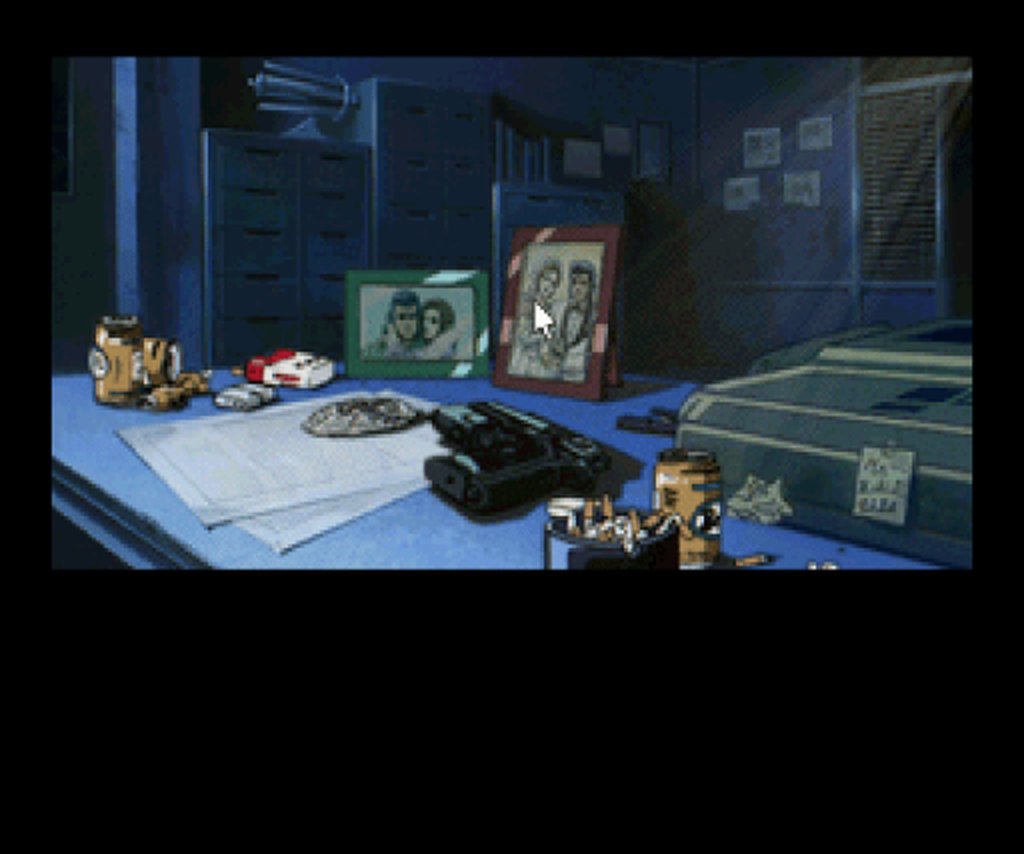
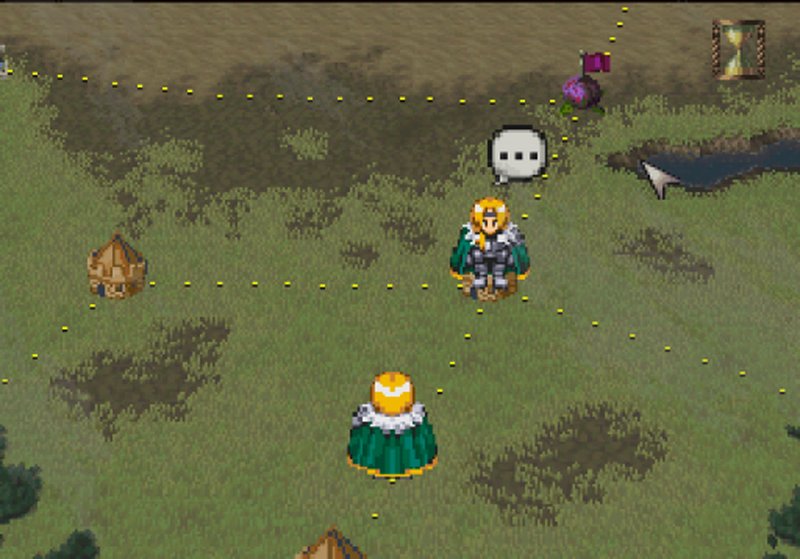
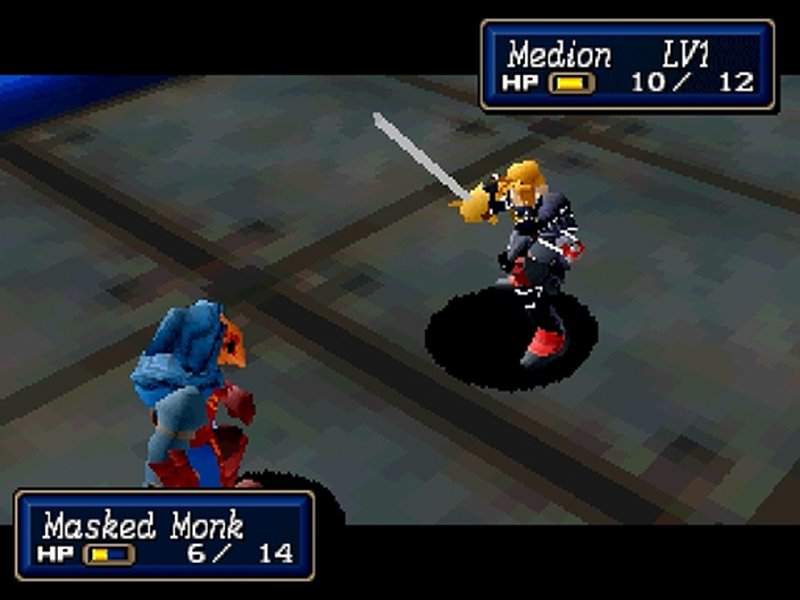
Every scene has its monuments, and the Saturn’s are games this site has covered as news over the years — milestones in a movement, worth gathering in one place. Hideo Kojima’s Policenauts, the great adventure game that the West was denied in the 1990s, reached the Saturn in English through a landmark fan patch, its dense, novelistic script — hundreds of pages of it — rendered playable on the console version many consider definitive. Dragon Force II, the sequel to the West’s beloved strategy epic, was conquered the same way: years of work by a dedicated team turned a Japanese-only campaign into an English one, closing the most painful gap in the Saturn’s strategy shelf. And Shining Force III — the trilogy the West received only a third of — was made whole by the Shining Force III Translation Project, which rendered Scenarios 2 and 3 and the Premium Disc into English, so that Camelot’s three-army epic can finally be played end to end, in English, on Saturn hardware, as designed in 1997.
Around those monuments stands a catalogue that keeps growing, and its range is the real story. Sakura Wars, Sega’s own strategy-dating phenomenon, crossed over through fan effort. Grandia’s Saturn original — the version the game was built for, before its PlayStation port became the West’s text — has been translated, letting players meet the superior original in English. Lunar: Silver Star Story’s Saturn edition, adventure games, dungeon crawlers, and obscurities like Linkle Liver Story have all received the same care. Each project is a small act of historical repair: a script translated, fonts rebuilt for English text the original code never expected, manuals and packaging sometimes restored alongside. The scene’s standards have risen to meet professional localisation — playtesting on real hardware, save compatibility, printed-manual projects — because the audience it serves is precisely the audience that notices.
The industry left the Saturn’s library unfinished. Its fans picked up the pen — and thirty years on, the Saturn has a bigger English library in retirement than it ever had in the shops.
How the work gets done
For readers who have never watched a translation project from the sidelines, the labour deserves a sketch. A hacker first opens the game’s data and finds the text — rarely stored plainly, often compressed, encoded in Japanese character sets, woven into the game’s own code. Scripts are extracted, translated by people who must be both bilingual and literate in the game’s world, then edited for length, because English will not fit where Japanese lived: fonts are redrawn, text routines rewritten, menus rebuilt. Then comes the longest season — testing, on emulators and on real Saturns, through ODE devices and burned discs, hunting the crash on disc three that only happens if a particular character survived a particular battle. Projects measure themselves in years. Teams form, drift and hand their files on. The finished patch is released free, as a patch — the player supplies their own game — a legal and ethical shape the scene guards carefully, because its whole legitimacy rests on being preservation, not piracy.
The timing has its ironies. The same years that saw fan patches complete the Saturn’s library also saw officialdom rediscover it — remasters, mini-consoles, and a broader industry turn toward preservation as a selling point. Yet the Saturn remains, for rights and source-code reasons, one of the least re-released of the great consoles; Panzer Dragoon Saga’s lost source code is the famous case, but the pattern is general. Which leaves the fan scene not as a stopgap but as the Saturn’s primary living archive: the people keeping its library legible. Sega’s own posture toward fan translation has, to its credit, generally been the industry’s most tolerant — a company that learned early that its oldest fans are its most valuable historians.

The craft, up close
It is worth dwelling on what a finished Saturn patch actually contains, because the craft is easy to underestimate. Saturn games store their text in the encodings and compressions of mid-nineties Japanese development, often without anything resembling a script file — text can live in overlays, in graphics, in the data of a hundred separate scenes. The hacker’s first job is cartography: building the tools to extract it all and put it back without disturbing the timing of a CD-ROM game that streams from disc. The translator’s job is then doubled by the hardware: every line must survive a second pass for space, since English rendered in a redrawn font must fit windows, menus and memory budgets drawn for Japanese. Editors rewrite for voice — a Kojima script, a Camelot script and a Sakura Wars script cannot sound alike — and artists redraw the text baked into images. By the final testing pass, a major project has touched thousands of files across every disc. That this labour is donated, credited in a readme and released for free is the scene’s founding ethic, inherited from the emulation community’s earliest days: the work is the reward, the library is the monument, and the patches belong to everyone who kept the faith. The Saturn, a console built by a company and abandoned by an industry, is maintained now by exactly that ethic.
The library, finished
What does the scene mean for a Saturn owner today? Practically, it means the console’s collecting logic has inverted: the Japanese library — cheaper, deeper, better stocked — is now the English library too, for anyone willing to patch a disc image and play on real hardware. Culturally, it means the Saturn’s story no longer ends in 1998. A console whose Western life was cut short has had its second act written by its audience, in the most literal way available: they wrote the words. When this wave of reviews covers Shining Force III, it can speak of a complete trilogy, because fans made it one. When it covers Dragon Force, its sequel is no longer a rumour. That is the translation scene’s gift, and it is still being given — new Saturn patches arrive every year, each one a small headline in a story that began with a console the West under-bought and its fans refused to under-love. The library is finished now. It just took the readers to write the ending.