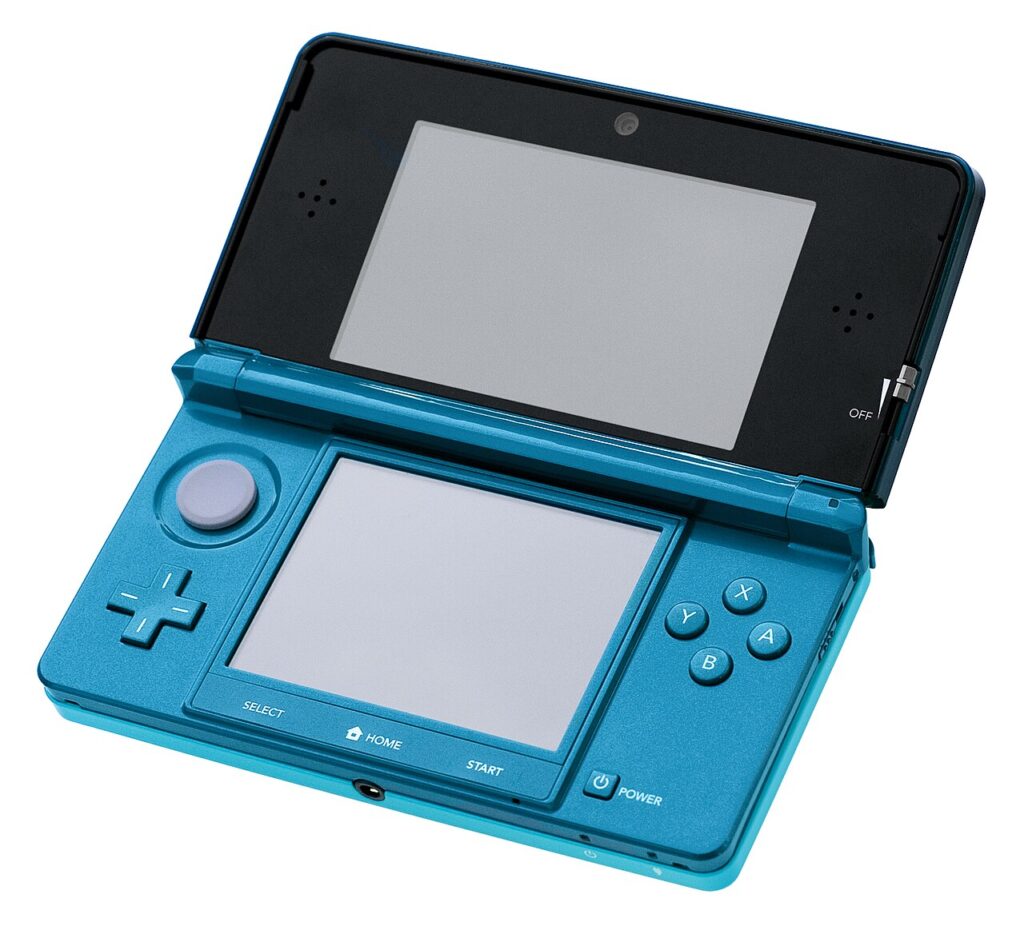
Sonic Boom: Fire & Ice — at a glance · Developer: Sanzaru Games · Publisher: Sega · Platform: Nintendo 3DS · Released: 27 September 2016 (North America), 30 September 2016 (Europe), 27 October 2016 (Japan) · Series: Sonic Boom
Here is a sentence nobody expected to write in 2016: Sonic Boom: Fire & Ice is a good game. Not a guilty pleasure, not a “well, for a Boom game” — an honest, well-made 2D platformer that understood its assignment and delivered it. To understand why that was such a shock, you have to remember what the Sonic Boom name meant by then, and what Sanzaru Games did differently when Sega handed them the series for a second time.
The wreckage Fire & Ice had to climb out of
The Boom project was Sega’s big transmedia push of 2014: a redesigned Sonic, a cartoon series, a toy line, and two launch games. The Wii U’s Rise of Lyric, from Big Red Button, arrived broken and bewildering and settled at a Metacritic score of 32. Sanzaru’s own 3DS companion, Shattered Crystal, was the better of the pair and still only managed 47. Between them they sold poorly, reviewed terribly and turned “Boom” into a punchline. When Sega announced a third Boom game in June 2015, the reaction was less excitement than disbelief.
Then something unusual happened: Sega listened. In September 2015 the game was delayed, with producer Omar Woodley explaining that the extra time would let the team polish and improve — and, not coincidentally, push the launch into Sonic’s 25th anniversary year. In an industry where licensed tie-ins ship on the marketing date no matter what state they’re in, a delay granted specifically for quality was a genuine statement of intent.
Fire & Ice: five characters, two elements, one good idea
Fire & Ice is built around a single clean mechanic. Sonic and his friends — Tails, Knuckles, Amy and newcomer Sticks, all five playable — can switch between fire and ice auras at the touch of a button. Fire melts the ice blocks that seal paths and douses nothing; ice freezes the water geysers that block others. Levels are threaded with both, and flipping between states becomes a rhythm: melt, run, freeze, climb. It’s simple enough for the young audience the Boom cartoon courted, and quick enough that experienced players fall into a flow state swapping elements mid-sprint.
Around that core, Sanzaru fixed Shattered Crystal’s mistakes one by one. Stages are shorter and denser. The emphasis shifts from slow exploration to momentum, with collectables tucked along fast lines rather than scattered through mazes. Boss fights against the hulking robot D-Fekt punctuate the islands, there’s a set of bot-racing side events, and hammer-wielding Amy remains, as in Shattered Crystal, a quiet highlight — her moveset gives the platforming a different weight than Sonic’s speed.
“Fire & Ice is the game the Boom brand needed two years earlier — Sanzaru took the extra time Sega gave them and spent every month of it well.”
How it landed
The reviews, when they came, told a remarkable story by Boom standards. Fire & Ice settled at a Metacritic score of 62 — nearly double Rise of Lyric, and a full fifteen points clear of Shattered Crystal. IGN gave it 7.5, Game Informer and Destructoid both scored it 7, while GameSpot and Nintendo Life were cooler at 6. Set those numbers in context and they’re modest; set them against the brand’s history and they represent the only time a Boom game was received as a success at being what it tried to be: a colourful, competent platformer for younger players that older fans could enjoy without wincing.
The studio that learned in public
Part of Fire & Ice’s interest is who made it. Sanzaru Games arrived at Sonic with a platforming pedigree — the studio had handled the Sly Cooper Collection and made Sly Cooper: Thieves in Time — and Shattered Crystal was its first attempt at translating that craft to Sonic’s speed. The sequel shows a team applying its own post-mortem in public: where Shattered Crystal sprawled, Fire & Ice tightens; where the first game made exploration a chore of backtracking, the second turns its levels into raceways with secrets laid along the racing line. Even the cast handling improved — Sticks, the conspiracy-minded badger created for the Boom cartoon, makes her playable debut here, and the five characters swap mid-level so their abilities combine rather than gate progress behind the wrong hedgehog.
Built for its audience, judged by another
The most persistent misunderstanding about Fire & Ice is in its review scores. Read the notices closely and a pattern appears: critics repeatedly praised the craft — the level flow, the generous extras, the way fire and ice stop being a gimmick and become grammar — and then marked the game down for being what it was designed to be, a gentle, bright platformer for the cartoon’s young audience. Sanzaru had shipped precisely the game Sega needed in the 25th anniversary year, when the Boom cartoon was the face of the franchise for children: approachable, funny, and impossible to get stuck in. The D-Fekt boss encounters, the bot races, the explorable islands between stages — everything is in service of momentum and confidence. Judged as a children’s platformer, it’s close to exemplary. Judged as a sequel to the classics, it was never in that contest, and said so on the box.
It also closed the Boom games’ story with a useful precedent. After Rise of Lyric, the obvious corporate move would have been to ship the sequel on schedule and let the brand die anyway. Sega instead delayed, listened, and let a good studio fix its own work. Fire & Ice is the evidence that the unglamorous option worked.
Time has been kind to its reputation in one more way: the 3DS library has only grown more appreciated since the eShop closed, and Fire & Ice sits in it as a small, polished exclusive that nobody can impulse-buy any more — physical copies are the only copies now. Scarcity flatters many worse games, but this one doesn’t need the flattery. It was good in 2016, when nobody believed it, and it is good now.
The last Boom game standing
Fire & Ice turned out to be the end of the line. No further Boom games followed; the cartoon wrapped in 2017, and the sub-series quietly closed with its reputation oddly inverted — the games were a byword for failure, while the TV show and this final game were genuinely liked. Sanzaru, for its part, had demonstrated something worth remembering: the same studio, the same licence and the same hardware produced a 47 and then a 62, and the difference was time.
Revisited today, Fire & Ice holds up as exactly what it was built to be. The fire-and-ice switching is still neat, the level design still respects your momentum, and the whole thing still carries the faint, pleasant shock of a tie-in that somebody cared about. It will never top a list of the greatest Sonic games — but on the list of gaming’s most improved sequels, it has earned its place.
The verdict: a polished, good-natured platformer that rescued a doomed sub-series’ reputation at the last possible moment. If you own a 3DS and skipped it because of the name on the box, you skipped one of the handheld’s most pleasant surprises.