Found in an Attic, Sold for $360,000: The SNES PlayStation Prototype That Refused to Stay a Rumour
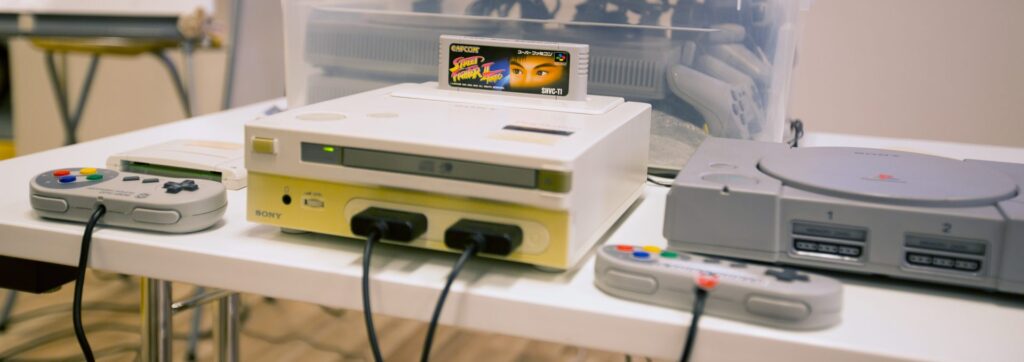
Every console generation has a ghost machine, a piece of hardware that was announced with confidence, photographed for magazines, and then quietly erased before a single shop shelf ever saw it. For the 16-bit era, no ghost looms larger than the machine in the photograph at the top of retro gaming’s strangest story: a Super Nintendo that plays compact discs, wears Sony branding, and carries the name PlayStation years before that name conquered the world on entirely different hardware. In July 2015, what had long survived mainly as paperwork, press clippings and a handful of promotional pictures suddenly became a physical object again. A prototype had surfaced in the United States, in an attic, in a box of office clearance clutter its owner had bought for next to nothing. This feature looks back at how that improbable machine came to exist, how it embarrassed two giants of Japanese electronics in front of the whole industry, and what happened to the one unit the whole world got to inspect, photograph, repair and eventually bid on.
A Sound Chip, a Daughter, and an Idea That Grew Too Big
The partnership began, improbably, with music rather than pictures. Sony engineer Ken Kutaragi had watched his daughter playing Nintendo’s Famicom and started thinking about the quality of sound home consoles could produce. The result, developed without the full blessing of his employers at first, was the audio chip that would sit inside the Super Nintendo: the S-SMP, the component behind the SNES console’s warm, echoing, instantly recognisable soundtracks. Sony’s then-president Norio Ohga backed Kutaragi when the unauthorised side project came to light, and a supplier relationship became something warmer. If Sony could design the ears of Nintendo’s new machine, why not help it read a new kind of disc as well?
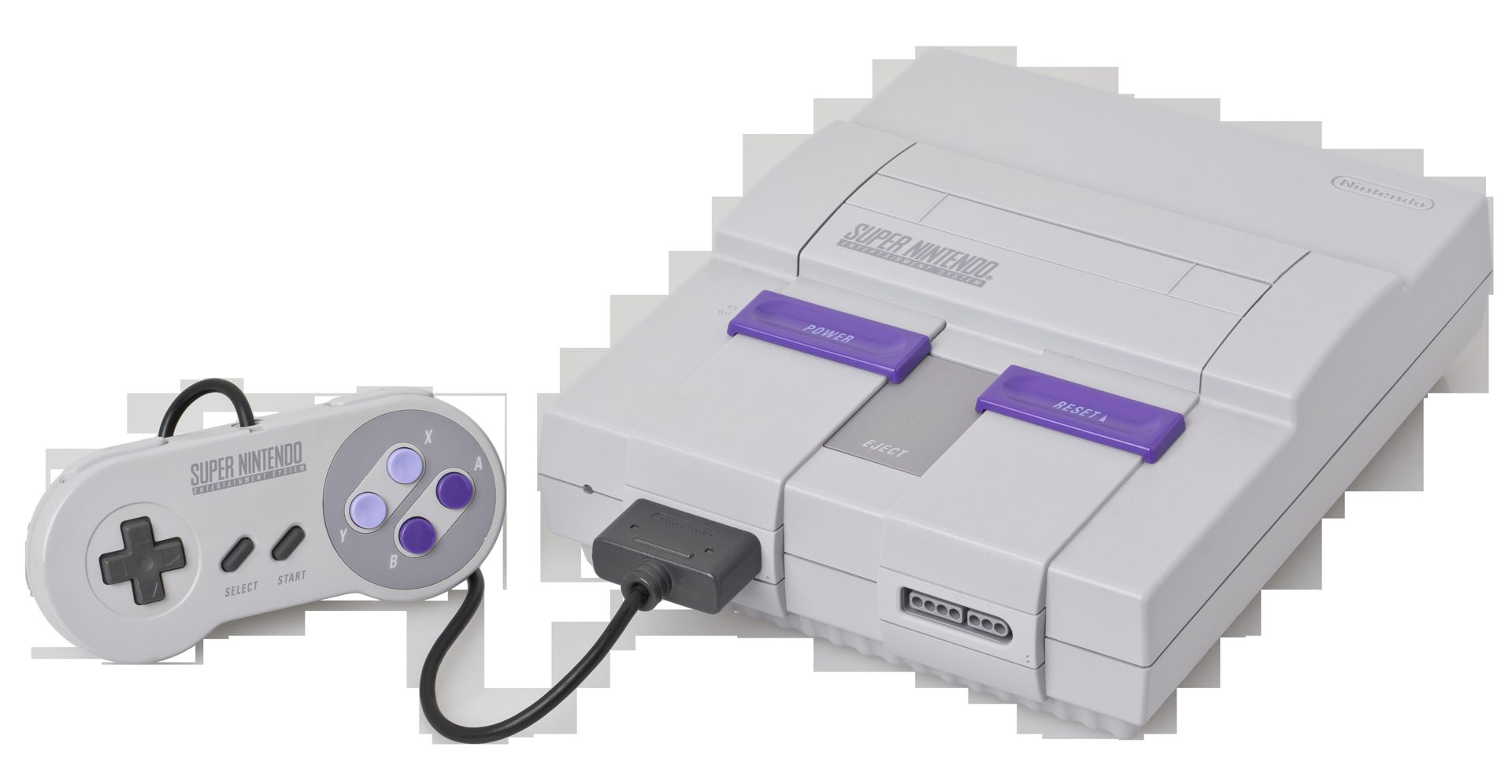
Timing made the idea feel inevitable. Compact discs held hundreds of times more data than a typical game cartridge, cost little to manufacture, and were already reshaping music retail. NEC had shown the way with a CD add-on for the PC Engine in Japan in 1988, and Sega was preparing its own Mega-CD hardware. Nintendo, protective and methodical as ever, could not simply watch rivals claim the future. Talks that had begun in the late 1980s produced an agreement for Sony to build a CD-based Super Nintendo system, playing ordinary SNES cartridges alongside a new Sony-controlled disc format called Super Disc. On paper, everyone won: Nintendo gained disc technology without developing it alone, and Sony gained an entrance into an industry it had previously supplied from the sidelines.
The Clause That Poisoned the Wedding
The trouble was written into the small print. Under the arrangement, Sony would control licensing for software on its Super Disc format and stood to benefit handsomely from music and film content as well as games. For most companies that would be a negotiable detail. For Nintendo under president Hiroshi Yamauchi, it struck at the foundation of the business. Nintendo’s empire rested on strict control of what appeared on its machines, who manufactured it, and who took a cut of every sale. Reading the agreement again with fresh eyes, Yamauchi saw a partner quietly positioned to collect revenue from an entire medium of Nintendo software, and to learn the games business from inside Nintendo’s own house, at Nintendo’s expense.
His response was not a renegotiation request. While Sony prepared its big reveal, Nintendo of America’s Minoru Arakawa and Howard Lincoln were sent to the Netherlands to strike an alternative arrangement with Philips, Sony’s great rival in consumer electronics. The Philips deal was designed, as historian David Sheff later summarised the thinking, to restore Nintendo’s grip on its own software while sticking it to Sony in the process. Crucially, Sony was told nothing. Its executives learned that something was wrong only days before the show, far too late to change a presentation built around a partnership they believed was solid.
Twenty-Four Hours at CES 1991
The Summer Consumer Electronics Show in Chicago in June 1991 remains the most retold double-cross in games industry history, and the retelling has not dulled it. On the first day, Sony took to the stage and proudly unveiled the Play Station — two words, in its original styling — a hybrid console that would play Super Nintendo cartridges and Super Disc CDs, the fruit of its collaboration with Nintendo. Trade press took photographs. The machine existed; journalists could see it. Sony had every reason to go home satisfied.
The following morning, Nintendo’s Howard Lincoln addressed the same show and announced that Nintendo would be working with Philips on CD technology for the Super Nintendo. There was no joint stage, no gentle phasing-out, no face-saving ambiguity. In the space of roughly a day, Sony had been publicly engaged and publicly jilted, in front of the exact retailers, developers and reporters whose respect it needed to enter the business. The episode is still routinely described as the industry’s greatest betrayal, and whatever allowances are made for Yamauchi’s commercial logic, the humiliation was real, personal and unforgettable for the people on the receiving end — above all for Kutaragi, whose project it had been.
Two Hundred Machines and No Future
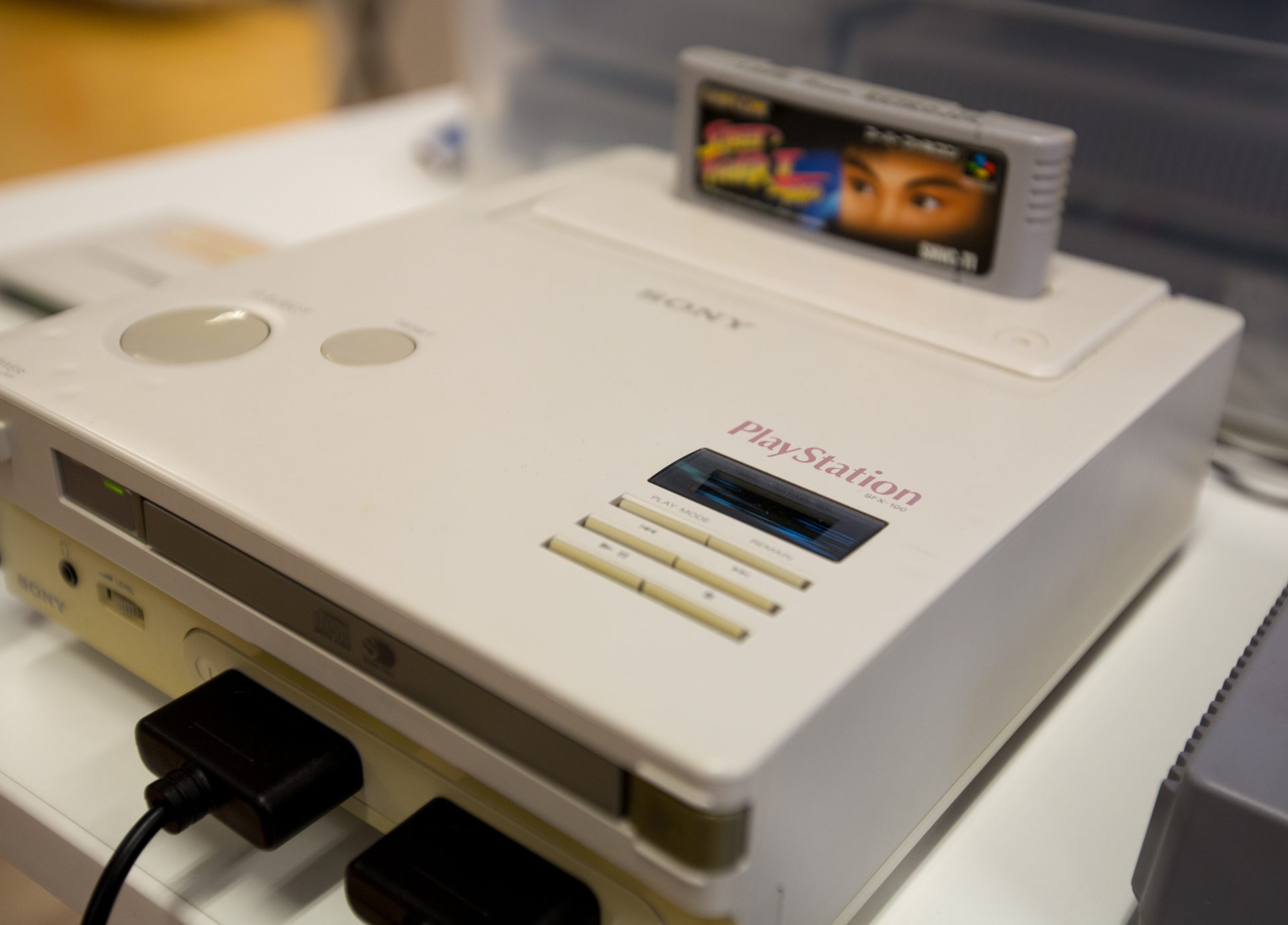
Here is the part the mythology often skips: the story did not end on that Chicago stage. Talks between the companies limped on for months afterwards, because both sides still had something the other wanted. During that extended, frosty afterlife, Sony manufactured a substantial run of prototype hardware — estimates consistently fall between two hundred and three hundred units, each bearing the model designation SFX-100. Software work proceeded too. An early-1992 compromise even sketched out terms under which Sony could build SNES-compatible hardware while Nintendo kept control of the games themselves. It changed nothing fundamental. Trust, once spent so publicly, did not replenish, and in May 1992 Sony walked away to pour everything it had learned into a console of its own.
That console, launched in Japan in December 1994 under the now single-word name PlayStation, needs no introduction here. The Philips partnership that had been worth such drama produced its own SNES disc project on paper, complete with a proposed 32-bit coprocessor and a format called Nintendo Disc, yet no prototype hardware was ever built before Nintendo quietly shelved the whole idea by 1993. Philips instead received licences to use some Nintendo characters on its CD-i system, a consolation prize remembered mainly for producing some of the most mocked Mario and Zelda spin-offs ever released. Nintendo itself stayed with cartridges for the Nintendo 64 and did not ship an optical-disc console until the GameCube in 2001. Judged with hindsight, the CES ambush protected Nintendo’s licensing model for a few years and handed its most dangerous future competitor a motive, an education and a grudge, all gift-wrapped.
What the Prototype Actually Is
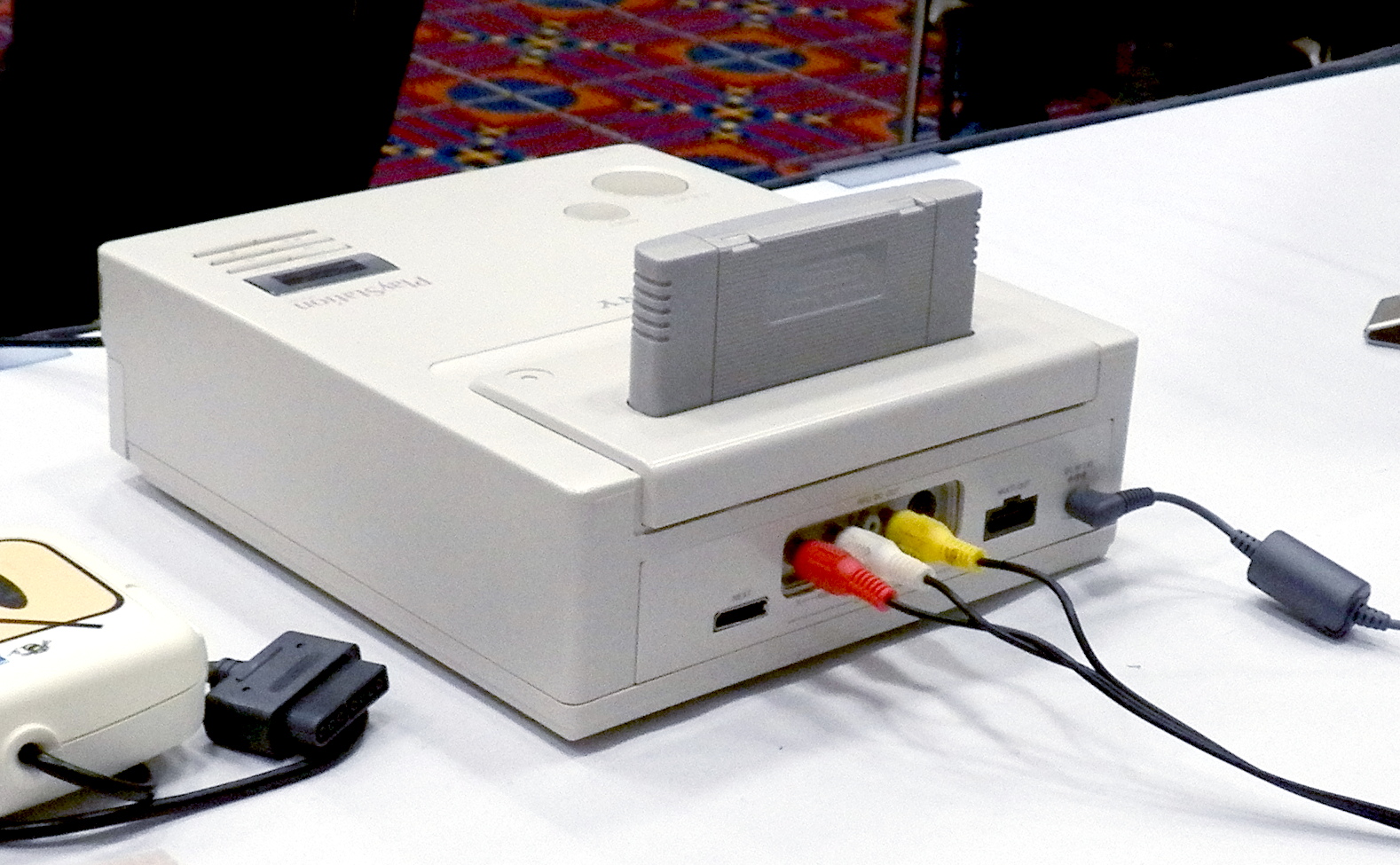
Strip away the legend and the SFX-100 is a fascinatingly modest object. It is essentially a Super Nintendo in a sleeker, more angular Sony shell, with a tray-loading, double-speed CD-ROM drive set into the top, a cartridge slot for Super NES and Super Famicom games, two controller ports, and a Sony-branded version of the familiar SNES pad. Around the back sit the connections of its era: composite and S-Video outputs, the same multi-out socket Nintendo used across several generations, an RF connection, and a curious serial port marked NEXT, most likely intended for development and debugging rather than anything a customer would touch. There is an expansion port underneath, just as on a stock SNES. Nothing about its computing power was revolutionary — later examination suggested a machine roughly comparable to a standard Super Nintendo, and not obviously stronger than Sega’s CD hardware — because the revolution was never really about raw power. It was about the disc: storage, audio, cost, and who got paid.
The Attic, the Bankruptcy Sale and a $75 Masterstroke
Which brings us back to that attic. The unit that reappeared in 2015 had originally belonged to Olafur Olafsson, who had led Sony Computer Entertainment in its early PlayStation days and later moved to the American financial company Advanta. When he left Advanta in 1999, the prototype stayed behind, an executive souvenir absorbed into office property. A decade later Advanta went bankrupt, and its effects were auctioned off in lots. Terry Diebold, who had worked at the company, bought a batch of assorted items in 2009 — reportedly for $75 — and among the keyboards and office miscellany sat a strange Sony-branded Nintendo console he did not immediately investigate. It went into the attic, where genuinely extraordinary things go to be forgotten next to Christmas decorations.
There it stayed until 2015, when Terry’s son Dan Diebold came across it, recognised that the odd hybrid in the box matched a machine that was supposed to barely exist, and posted photographs online, initially on Reddit. The reaction followed the now-familiar arc of a great rediscovery story: scepticism first, because the internet has been fooled before; then close reading of labels, ports and mouldings against the few historical photographs; then mounting excitement as specialists concluded that the details were right. This was the real thing — the first of the CES-era prototypes to reach public hands, quite possibly, as far as anyone could then prove, the only one left.
Repair, World Tour, Auction Gavel
Hindsight, clearly separated from the 2015 moment: everything after the rediscovery belongs to the machine’s second life. The Diebolds took the prototype on tour to retro events around the world, letting thousands of people see in person an object most knew only as a footnote. In 2016, hardware specialist Benjamin Heckendorn opened the unit on camera, documenting its internals; the cartridge side worked, but audio faults and a dead CD drive limited it, and its original power supply was long gone. In 2017 he returned to it, replaced faulty components, built a suitable power supply solution, and coaxed the drive back to life — audio CDs played, cartridges played, and homebrew written for the platform could run, a poignant demonstration given that no official Super Disc games are known to exist for it to play.
In February 2020 the Diebolds consigned the machine to Heritage Auctions, where bidding blew past early expectations within days. Terry Diebold said he had previously turned down a private offer reported at $1.2 million, which makes the ending pleasingly unpredictable: on 6 March 2020 the hammer fell at $300,000, or $360,000 including the buyer’s premium — at the time a record sum for a games console sold at auction. The buyer was Greg McLemore, founder of Pets.com and Toys.com, a collector with hundreds of arcade machines who spoke of his collection one day forming a museum. Oculus co-founder Palmer Luckey was among the underbidders, publicly and cheerfully bidding against what he called fellow nutters. A machine bought sight-unseen for the price of a modest restaurant meal had become, eleven years later, the most valuable console on Earth.
One more hindsight note, because it corrects the record this site would have printed in 2015: the Diebold unit was never, strictly, proven to be the last one. In March 2025 Ken Kutaragi himself showed off a second prototype he had kept in a closet for three decades, in visibly finer condition, with slightly different logo colouring. Two survivors out of two or three hundred is still a staggering attrition rate, and the Diebold machine remains the one with the story — bankruptcy lot, attic, world tour, resurrection, record auction. Objects accrue value from narrative as much as rarity, and no other console carries a narrative quite like this: the machine that two companies built together, one company disowned in public, and history refused to throw away.