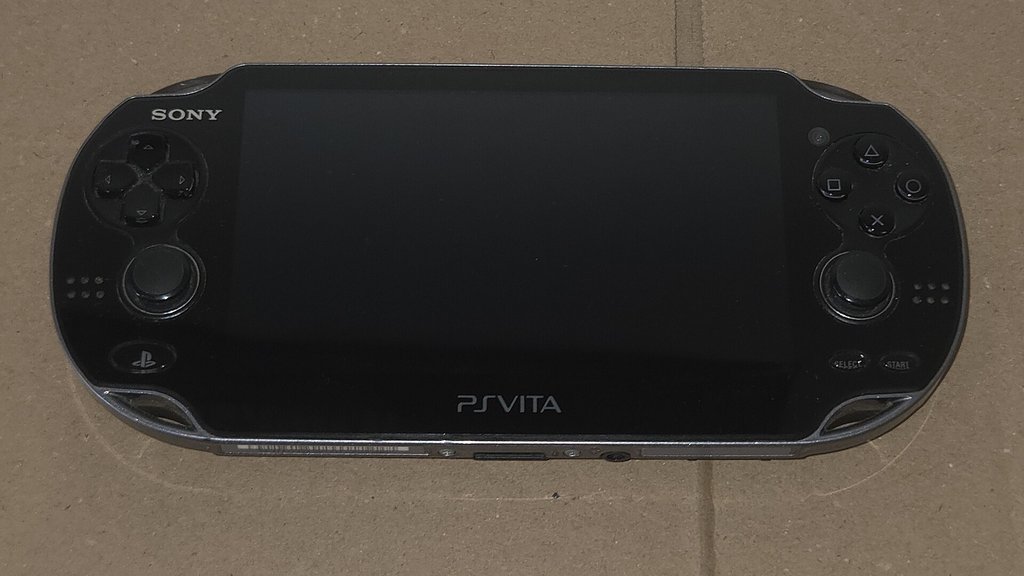
Buying a PlayStation Vita in 2026 is one of retro gaming’s best decisions and one of its easiest to overpay for. The machine was discontinued in 2019, sold roughly sixteen million units, and left behind a library, a screen and a homebrew afterlife that keep demand climbing while supply only shrinks. This guide covers the whole purchase: which model, what to pay, the memory-card tax and its famous workaround, battery health, the current state of the Vita’s own store (checked for this guide, because it is changing), Japanese imports, and a five-check routine to run on any unit before money moves. Prices are given as hedged ballparks drawn from recent sold listings — the market moves, condition is everything, and any seller quoting this guide a fixed price has missed its point, which is the range and the reasoning.
Step one: the two models
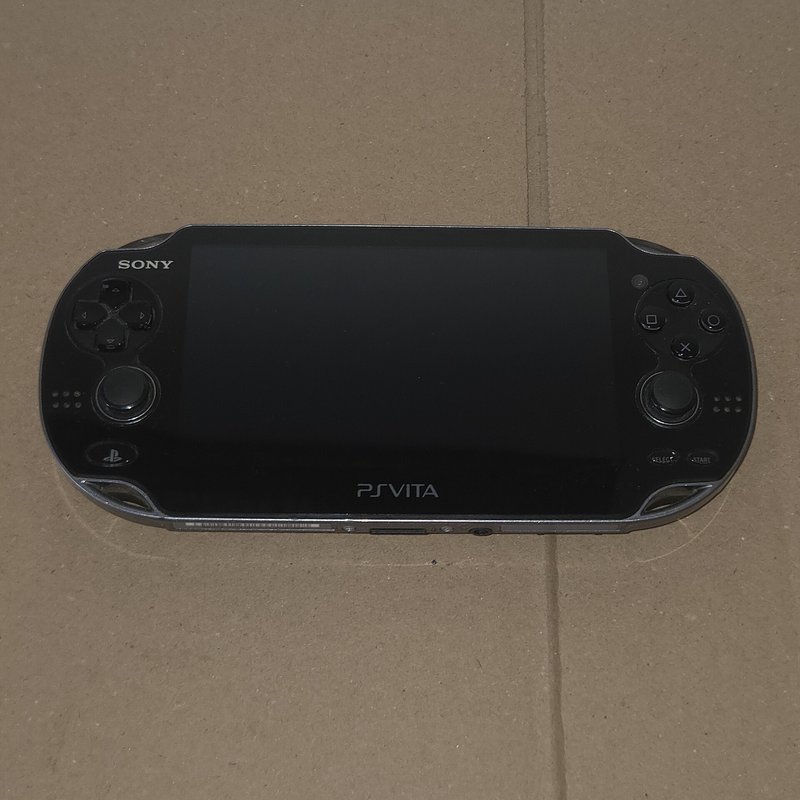
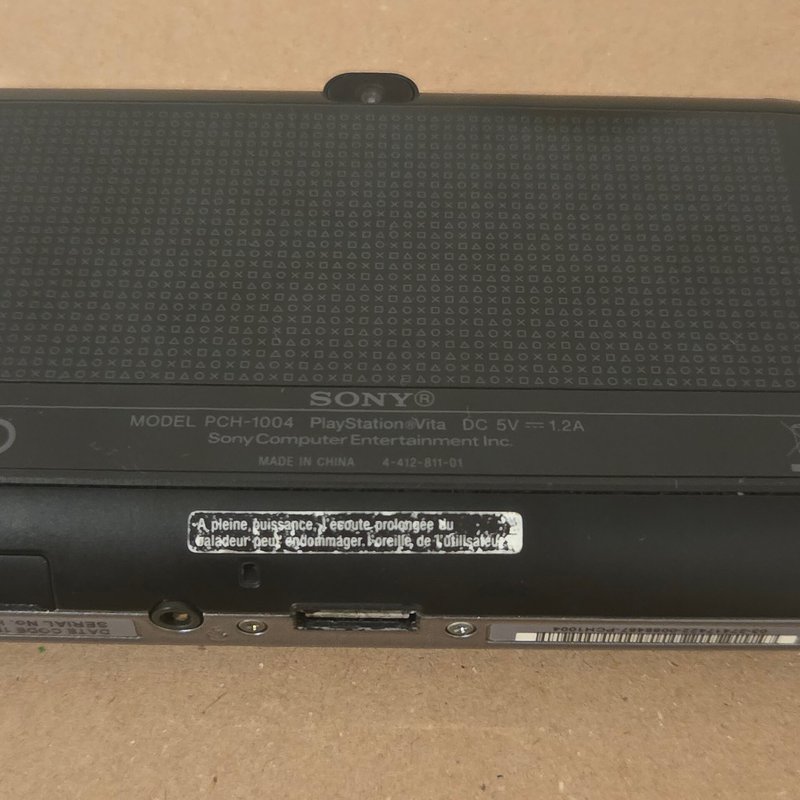
Every Vita is one of two machines. The original PCH-1000 (2011–12) carries the famous five-inch OLED screen, a denser, glass-fronted build, and in its 3G variant a mobile radio whose networks are now history; it has no built-in storage, so a proprietary memory card is mandatory from day one, and it charges through a proprietary cable you must keep safe. The PCH-2000 ‘Slim’ (2013–14) is thinner, lighter, and longer-lasting on battery, charges by ordinary micro-USB, includes 1GB of internal memory (enough for saves and small downloads), and trades the OLED for a good LCD. The full comparison is its own feature in this collection; the buying summary is short. For picture glory and evening play, the 1000. For travel, battery and blind-buy safety, the 2000. Neither is a mistake, and the games — cartridges being universal — do not care which you choose.
The memory-card tax, and SD2Vita
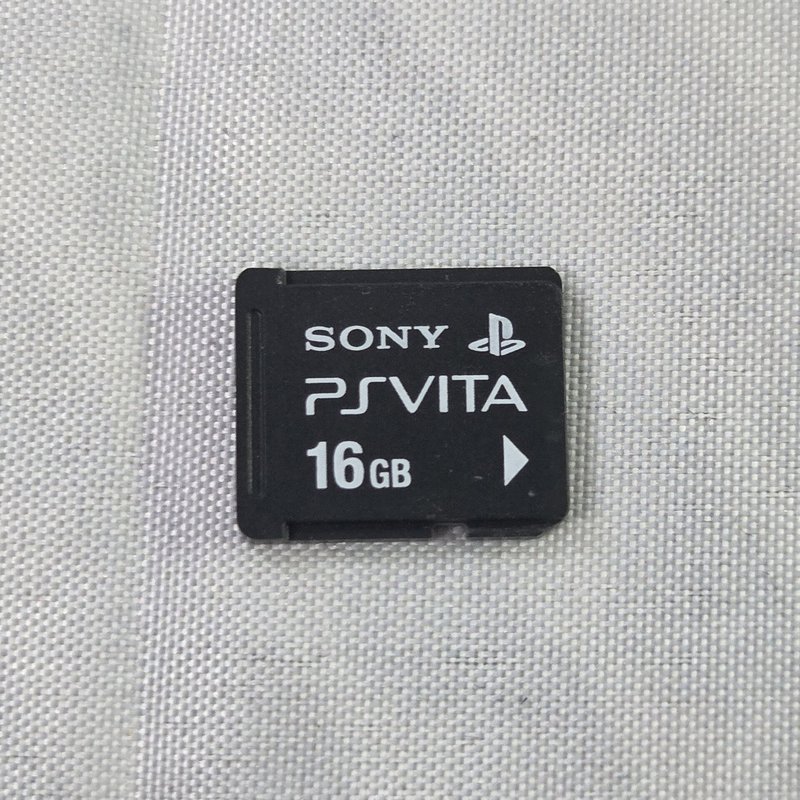
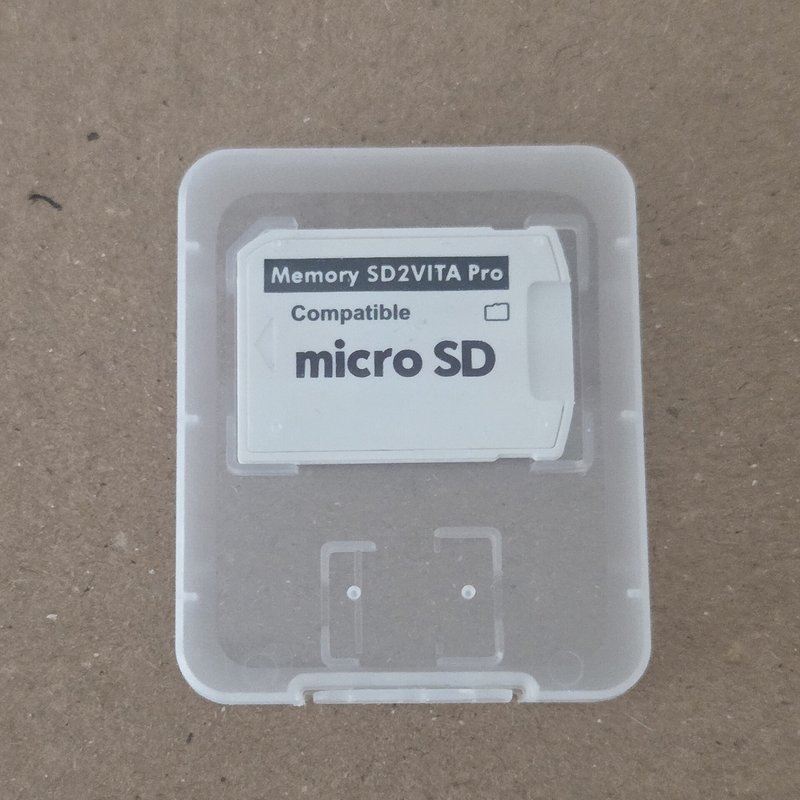
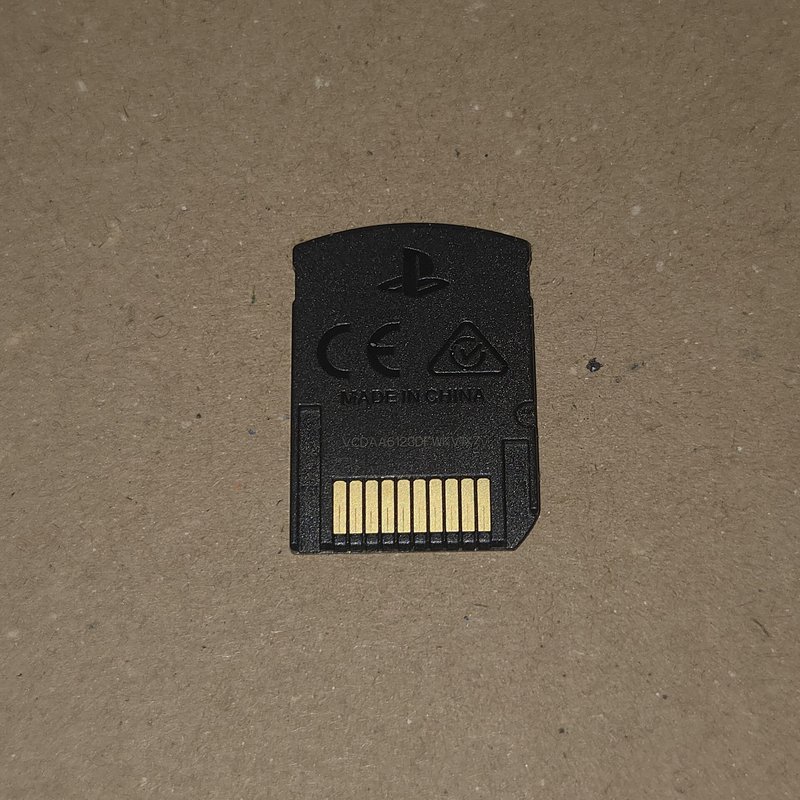
The Vita’s original sin was storage: Sony’s proprietary memory cards, sold at launch at prices that made headlines, in 4, 8, 16, 32 and (Japan-led) 64GB sizes. They are long out of production, and the tax is still collected on the second-hand market: as a hedged 2026 ballpark, expect roughly $20–35 for 8GB, $35–55 for 16GB, $60–90 for 32GB and well north of $100 for the 64GB card, with sealed cards carrying collector premiums on top. Budget for a card in every total you compare — a ‘cheap’ Vita with no card is a down payment, not a bargain. The famous workaround is the SD2Vita adapter: a microSD card in a game-card-shaped shell, costing a few dollars, which with homebrew software lets the Vita treat cheap, capacious microSD storage (128GB and far beyond, for the price of a pizza) as its memory card. It occupies the game slot, so it suits digital libraries and PlayStation TV-style setups best; cartridge collectors who swap games constantly often keep a real Sony card for saves and use SD2Vita machines as their digital twin. Either route is legitimate ownership of your own hardware; the guide’s homebrew feature tells the scene’s story. What matters at the till is this: never let a seller charge you a ‘rare storage included’ premium without checking which kind of storage it is.
Battery health and the wear points
The Vita’s battery is internal and not user-swappable without tools, so health is a condition item, not an accessory question. A healthy unit should deliver roughly three to five hours of play depending on model, game and brightness (the Slim toward the top, a launch OLED under load toward the bottom), and days to weeks of sleep standby. Ask the seller for a simple drain report; in person, ten minutes of a demanding game should cost a believable slice of the gauge, not a cliff. Replacement batteries exist, are inexpensive, and fitting one is a moderate screwdriver job — factor a tired battery as a discount, not a dealbreaker. The other wear points, in order: analogue stick drift and dead zones (test in the system’s own calibration or any twin-stick game), the rear touch pad’s responsiveness (Tearaway will tell you in a minute), shoulder-button mush, a charging port that only works at an angle (a 1000’s proprietary port is the pricier fix; a 2000’s micro-USB the cheaper), and OLED screens with blotch, fade or burn-in, which is why the OLED model is an inspect-in-person purchase whenever possible.
The store in 2026: buy your downloads now
The Vita’s own PlayStation Store has a deadline, and a 2026 buyer must plan around it. The store still sells games today in the United States, the United Kingdom, Japan and most other regions — the situation as verified for this guide in October 2026 — but Sony announced in July 2026 that purchases on the Vita store will end in a phased closure concluding in July 2027, with previously purchased games remaining available to re-download for the foreseeable future after each region’s deadline. The practical consequences: if your Vita plans include digital-only games (and some of this collection’s gems are digital-first), buy and download them sooner rather than later, onto the memory you intend to keep; ensure your purchases are tied to your account and downloaded, not merely wishlisted; and treat any ‘the store is already dead’ claim — in either direction, panic or complacency — with the suspicion it deserves. Cartridges, of course, are forever: the physical library needs no store, no account and no deadline, which is part of why the collector market prices it the way it does.
Regions, imports and editions
The Vita is region-free for cartridges, and its Japanese library is its secret second catalogue: role-playing games, visual novels and editions the West never got, many with fan translations in the homebrew scene, plus Japan’s rainbow of limited-edition consoles (the 2000 shipped in a spectrum of colours the West barely saw). Import hardware works worldwide with a local charger solution; import games play identically, though DLC and store content remain tied to the store region of your account — a one-account-per-machine quirk worth knowing before you build a cross-region digital library. Special editions of the hardware (the Persona, Final Fantasy and Metal Gear variants among them) command collector premiums that are about the object, not the play: buy them as objects, with object-grade scrutiny of boxes and serials, or save the premium for games.
The five-check buying checklist
Run these, in order, on any unit before you commit. One: the screen — power on, a dark scene and a white scene; on an OLED look for blotch, burn-in and fade, on any model for dead pixels and touch dead zones (draw across the whole surface in a paint or notes test). Two: the sticks and buttons — a full twin-stick game or calibration screen, both triggers, the D-pad’s diagonals; drift or mush is your discount to negotiate or your reason to walk. Three: the rear pad and cameras — Tearaway or the system’s own welcome park will expose a lazy pad in a minute, and both cameras should focus and expose sanely. Four: the slots and ports — a cartridge reads first time, the memory card (if included) formats and holds a save, the charging cable seats firmly and the battery takes and holds charge through a short session. Five: the account and the paperwork — the machine should be deactivated from the seller’s account and factory-reset in front of you or delivered reset, the serial should match the box if a box is claimed, and a Japanese import should be sold as one. A seller who welcomes the checklist is selling a good Vita. A seller who rushes it is telling you why.
What to pay in 2026
Ballparks, hedged as promised, from recent sold listings and certain to vary by region, colour and completeness. A loose 1000 in honest working order: roughly $130–190. A loose 2000: roughly $120–180, with the rarer colours above that band. Complete-in-box units of either model: add $50–100, more for special editions. A PlayStation TV: roughly $90–140 loose, boxed units above it — it was once clearanced for the price of a sandwich, and the market has spent a decade apologising. Games follow the collection’s logic: the launch staples and Vanillaware titles are friendly, the late and localised rarities (the Tales of Hearts R and Soul Sacrifice Delta physical editions among them) are not, and sealed anything is a different hobby from playing. Buy the playing copy, play it, and let the sealed market keep its own counsel.
Accessories worth the money
Three extras earn their keep. A grip — ideally one with L2/R2 triggers that press the rear pad’s zones — transforms Remote Play and long sessions, and the better Japanese grips are worth their import cost. A hard travel case is unglamorous insurance for a glass-fronted machine whose screens are no longer manufactured. And a spare proprietary charging cable, if you buy the 1000, is the cheapest peace of mind in this entire guide: they fail, they vanish, and the aftermarket replacements vary from fine to fire hazard, so buy the genuine article while genuine articles circulate. Screen protectors divide owners; the 2000’s plastic-framed screen argues yes, the 1000’s glass argues owner’s choice. What you do not need: the camera toys, the cradle (charming, optional), or any storage ‘bundle’ whose card sizes go unexamined — see the tax, above.
Your first five games
New owners ask, so the guide answers, briefly: Persona 4 Golden, because it is the platform’s defining hundred hours. Gravity Rush, because nothing else plays like it and the gyroscope is in your hands. Tearaway, because it uses every input the machine has and will make you feel something. WipEout 2048, because a Vita without its best racer is a sentence this guide will not serve. And one from the gems list — TxK or Velocity 2X by temperament — because the second shelf is where this platform’s soul increasingly lives. All five are reviewed or listed in this collection, all five remain findable at sane prices in at least one format, and together they make a starter library with no weak hour in it. Add Killzone: Mercenary when the shooters call, and Muramasa Rebirth the first evening you want to show someone the screen. You will know the evenings. They are why you are buying the machine.
The bottom line
The Vita in 2026 is that rare retro purchase that is also a living platform: a finished library to collect, a store with a closing date to shop before, and a homebrew scene still shipping new reasons to charge the battery. Choose your model by your evenings, budget honestly for storage, check the five things, secure your downloads while securing is simple, and buy the best condition you can afford rather than the cheapest you can find. Sixteen million were made. The good ones are spoken for a little more every year. Join the speakers.