The PlayStation Vita’s Western story is usually told as a shortage — of support, of marketing, of luck. But look at the library from the other end and a different picture emerges: a machine that quietly accumulated one of the strangest, strongest benches of small games ever assembled, many of them barely advertised, some of them never released physically in the West at all, a few of them stranded in single regions or single storefronts. The seventeen full reviews elsewhere in this collection cover the headliners. This list digs underneath them: ten games the West nearly missed — imports, indies, experiments and one rhythm game about a girl, a piano and the end of the world. None of them is reviewed at full length in this collection. All of them belong in yours.
1. TxK
Jeff Minter’s love letter to Tempest, and to the tube shooters he has refined for forty years, is the Vita’s purest arcade game. You are a claw on the rim of a geometric well; things climb towards you; you shoot them, in time with a thumping techno soundtrack, while the well bends, folds and re-forms into beasts and grids, and the screen blooms with the Llamasoft signature — particles, rainbows, the occasional sheep. TxK adds the series’ best ideas: power-ups that grant AI drones and rim-jumps, bonus rounds flown in first person, and a scoring system that rewards nerve. It is also a legal legend: Atari’s lawyers came for it, claiming Tempest’s inheritance, and the fight kept TxK from other platforms for years — which makes the Vita original, where the game was born and where its tilt-and-touch flourishes live, the historically correct way to play a masterpiece its own genre’s landlord tried to evict.
2. Luftrausers

Vlambeer’s dogfighter is a hundred tiny decisions disguised as chaos. Your plane turns by killing its engine and falling — gravity is your steering wheel — while battleships, jets, blimps and aces fill a sepia sky straight out of a propaganda poster. The genius is the build system: dozens of unlockable parts (weapons, bodies, engines) combine into named aircraft with real trade-offs, so one player’s Luftrauser is a laser-sniper glider and another’s is a melee bomber that heals by ramming. Missions for each combination, a combo meter that punishes cowardice, and runs measured in glorious minutes make it the Vita’s definitive score-attack game, the one that lives on the home screen forever. It reviewed quietly, sold modestly, and has outlasted louder games on the strength of a single perfect loop: fall, turn, burn, repeat.
3. OlliOlli

Roll7’s skateboarding gem rebuilt the skate game around a single stick: tricks are flicked, grinds are held, landings are timed, and a perfect run is a sentence typed at speed on a five-inch screen. OlliOlli’s fifty levels and five worlds teach a language — the Tricktionary — with unusual patience, then examine you in Spots mode, in the Daily Grind (one run, whole world ranked) and in a RAD mode that deletes every safety net. It was a Vita-first release, a deliberate bet by a small London studio on a dismissed platform, and it paid off in a sequel, a series and a studio legacy. The original remains the purest: clean pixel art, a jazz-and-electronica soundtrack, and the cruellest, fairest ‘one more go’ on the system. Your thumbs will learn tricks your brain doesn’t know it knows.
4. Earth Defense Force 2017 Portable

The EDF series is gaming’s happiest B-movie: giant ants, giant spiders, giant robots, a city that exists to be levelled, and soldiers chanting ‘EDF! EDF!’ as the buildings fall. 2017 Portable is the Vita port of the Xbox 360 cult classic, and it is no cut-down job — it adds Pale Wing, the jetpack trooper, with her own campaign’s worth of missions, taking the total past 230 stages of glorious, frame-rate-defying mayhem. Hundreds of absurd weapons, four-player online co-op in its day, and a difficulty ladder from sightseeing to Inferno make it one of the Vita’s biggest games by hours and its most cheerful by disposition. The West nearly missed it entirely — a digital-first release on a dismissed handheld, from a series with no marketing army. It is, pound for pound, the most fun per gigabyte the platform offers. The bugs, as always, are coming. Bring friends, or at least bring the rocket launcher with the blast radius of a postcode.
5. Deemo
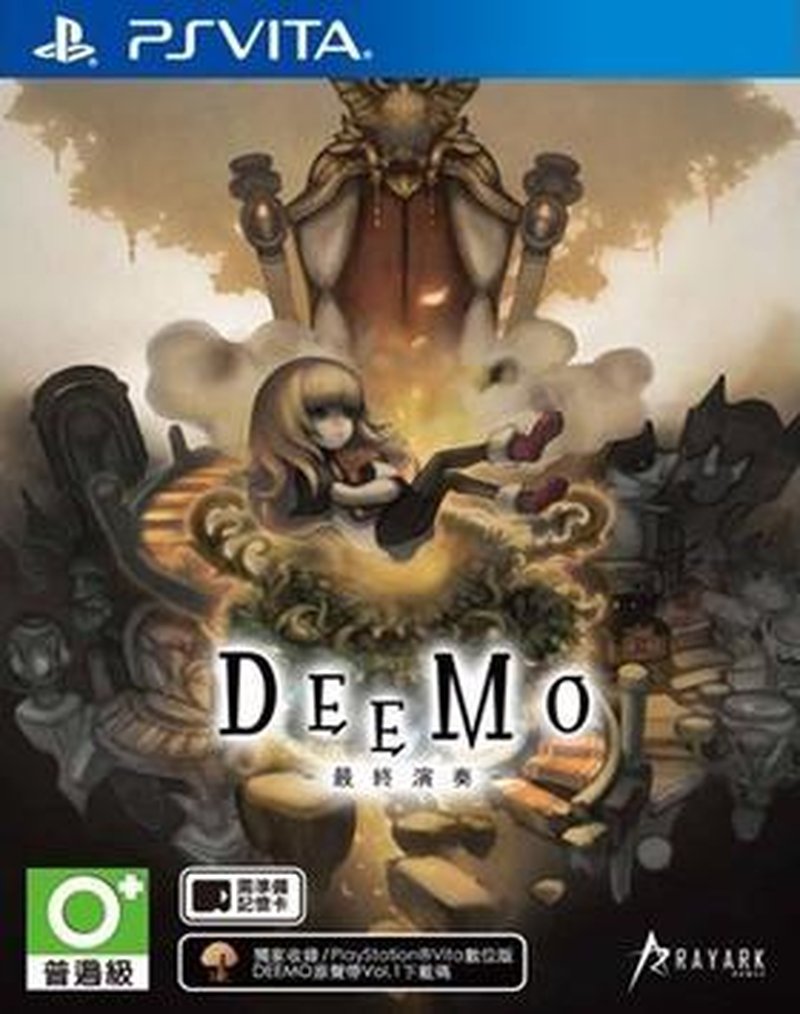
Deemo began as a phone rhythm game and became, on Vita, something rarer: a story told entirely in piano keys. A shadowy figure, Deemo, plays in a castle’s hall; a girl falls from a window in the ceiling; every song played grows the tree that might carry her home. The rhythm mechanics are piano-lesson pure — notes fall in lanes, black keys and gold, tapped and slid on the touchscreen with the Vita held like an instrument — and the catalogue runs to hundreds of pieces across the base game and its packs, classical to J-pop to the composer’s own heartbreakers. The Vita edition, The Last Recital, adds console framing, multiplayer duets and the fullest story cutscenes. It barely troubled Western charts. It has made grown adults cry on trains on three continents, which is a review score no chart records.
6. Sound Shapes

Sound Shapes is a platformer where the music is the level. Every coin chimes a note, every enemy beats a drum, every surface sings its part of the track — so playing well literally performs songs by Beck, deadmau5, Jim Guthrie and I Am Robot and Proud, across albums of themed worlds drawn by guest artists. Jonathan Mak’s design is the synaesthesia ideal Mizuguchi chased, miniaturised: you don’t play along to the music, you assemble it by moving. The campaign is short and perfect; the editor and its community levels (the good ones are extraordinary) stretch it indefinitely; and the Death Mode challenges examine your mastery at knifepoint. It launched in the Vita’s first year to strong reviews and gentle sales, and it remains the platform’s most purely joyful object — a toy, an instrument and a game in one cartridge, still unlike anything on any other system.
7. Velocity 2X
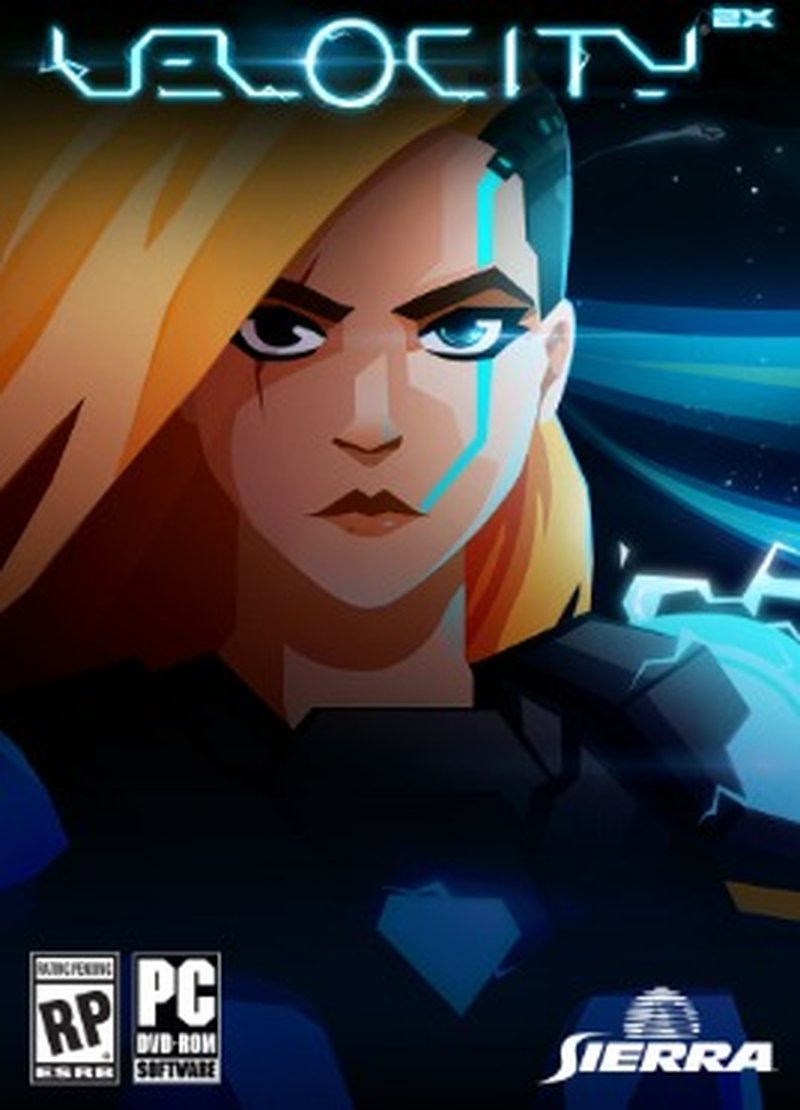
FuturLab’s sequel performs the neatest trick on this list: it is two great games welded together. In space, Velocity 2X is a vertical shooter built on teleportation — your Quarp Jet blinks through walls, drops telepod bookmarks, backtracks at will — at a speed that makes the genre feel new. On foot, it becomes a run-and-gun platformer starring the same pilot, Lt. Kai Tana, sprinting through the ships she docks with, and the levels braid the two halves mid-stage without a loading screen or a dropped frame. Fifty levels, perfect-run medals, a synth soundtrack that slaps, and a comic-book story with a real heroine at its centre: Velocity 2X reviewed superbly and was promptly overshadowed by its own PS4 version’s publicity, though the Vita edition — native, flawless, portable — is every bit its equal. This collection’s verdict is simple: it is one of the finest action games on the machine, hiding in plain sight.
8. Tales of Hearts R
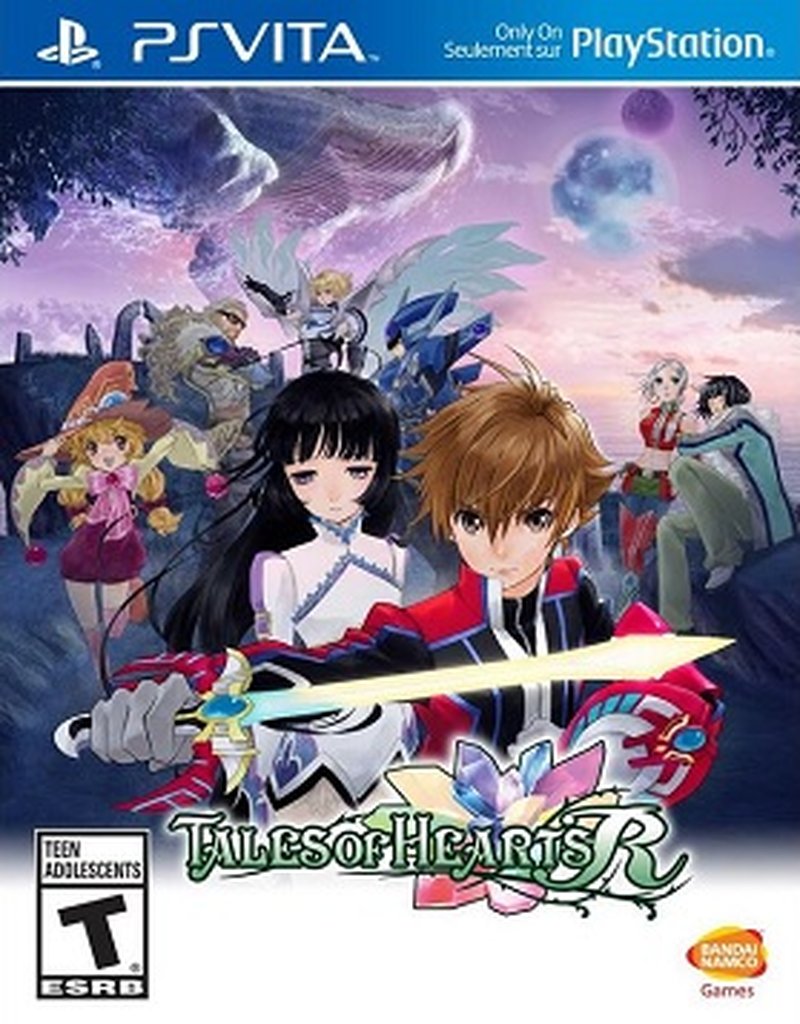
Tales of Hearts R is the import the West nearly didn’t get at all: a full remake of the Nintendo DS’s Tales of Hearts, rebuilt in 3D for the Vita, localised after sustained fan campaigning, and released in the West in 2014 in modest numbers that have made its physical edition a collector’s piece. It earns the effort. The Tales formula — real-time Linear Motion battles, here at their fastest and most aerial — wraps a story about Spiria, the crystal of the heart, and a boy named Kor whose earnestness powers a genuinely affecting plot about emotional honesty. The Chase Link system triggers cinematic team attacks mid-combo, the levelling is built around developing each character’s heart along chosen paths, and the whole adventure runs forty hours. Western Vita owners got it because they asked, loudly, for years. Asking worked. The game was worth it.
9. Child of Light
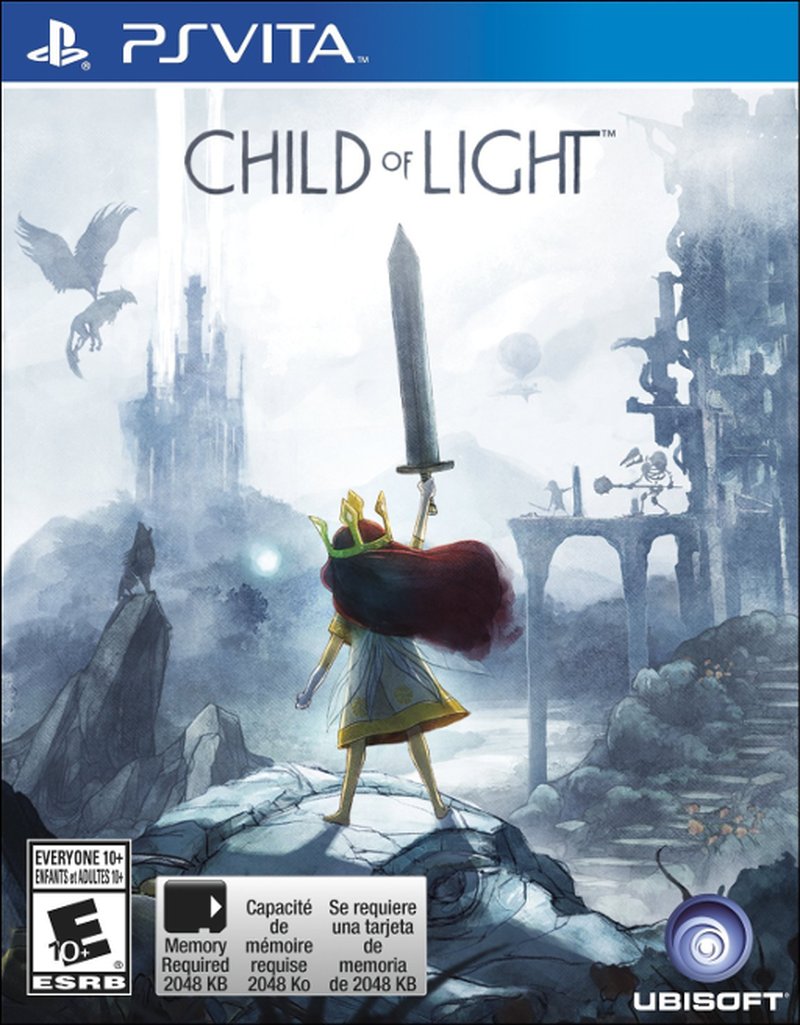
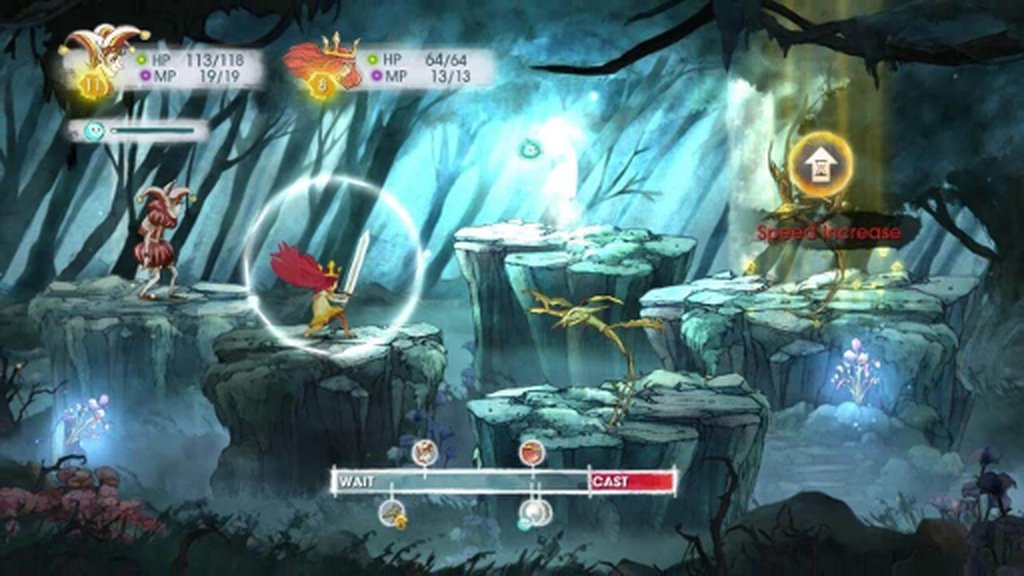
Ubisoft’s watercolour fairy tale is the list’s most beautiful entry and its most quietly radical: a turn-based RPG written entirely in rhyming couplets, painted in storybook washes, from a small team inside a giant publisher. Aurora, a lost Austrian duke’s daughter, wakes in Lemuria and must steal back the sun, moon and stars, with a firefly (Igniculus, playable on the touchscreen — guiding him to blind enemies and gather light is the Vita version’s sweetest touch) and a travelling company of jesters, mice and melancholy giants. The battle system is a refined Grandia-style timeline duel; the writing commits to its verse with more success than sceptics expected; Patrick Plourde’s team made the game Ubisoft’s accountants would never have greenlit twice. On the Vita it is complete and gorgeous, the OLED turning its washes to stained glass. The West didn’t miss it, exactly — it simply filed it under ‘pretty’ and moved on, which for a game this good is missing enough.
10. Puyo Puyo Tetris (Japanese import)
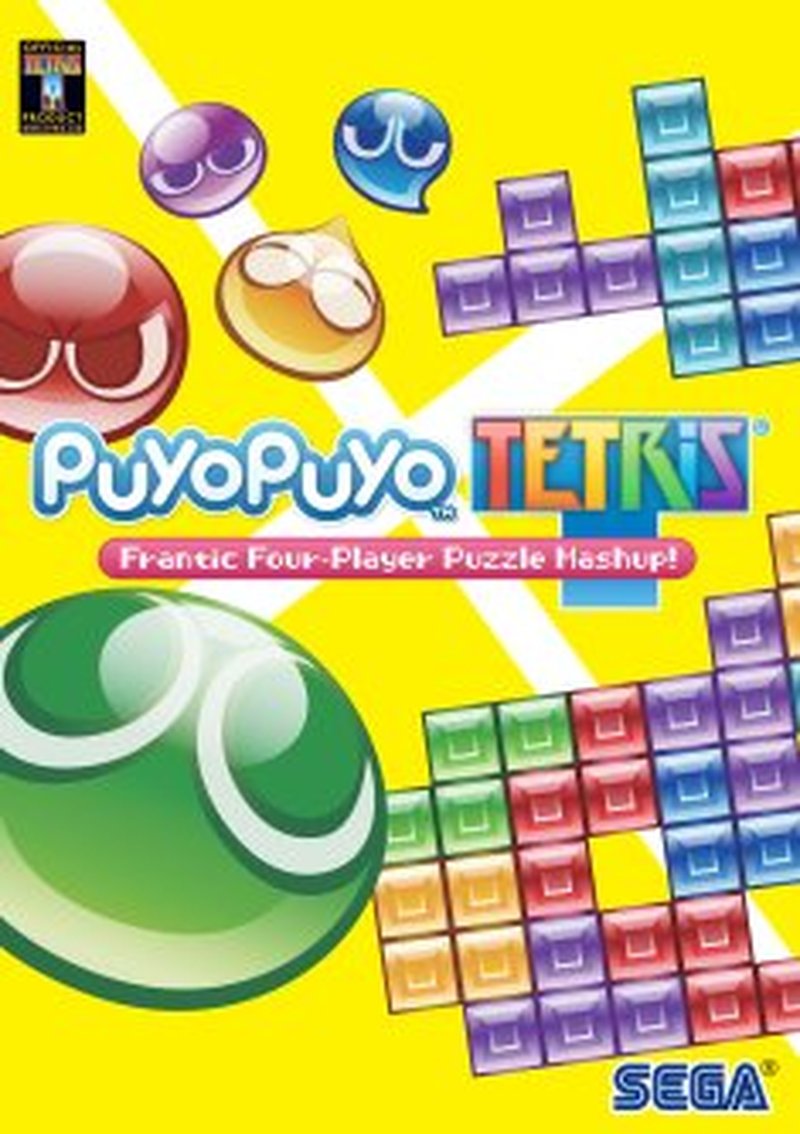
We close with the import shelf’s crown jewel. Puyo Puyo Tetris — Sega’s mash-up of the two greatest falling-block games ever made, playable separately, fused, swapped mid-match, and against each other in versus modes of beautiful cruelty — reached the Vita in Japan in 2014, years before the West got the game on other systems, and the Vita’s region-free design made it the import of choice for puzzle fans worldwide. The Vita edition is complete: adventure mode (in Japanese, though the modes are friendly to the illiterate), arcade ladders, lessons, local multiplayer, and the full Fusion mode, where Puyos and Tetriminos rain into the same well and chaos files the paperwork. Language is the only barrier and it is a low wall: the menus yield to an evening’s pattern-recognition, and the gameplay needs no translation at all. It remains the definitive handheld version of a modern classic, and the standing proof that the Vita’s library is bigger than any single region’s store.
How this list was chosen
Three tests, as ever in this collection. First, quality with obscurity: every game here reviewed well or has been reclaimed by its players, and none received the Western attention it earned. Second, Vita identity: natives, best versions, or releases whose story is the platform’s story — TxK’s exile, OlliOlli’s Vita-first bet, Hearts R’s fan campaign, Puyo’s import route. Third, the seventeen reviewed games were excluded by design, as were the platform’s famous names: this is the second shelf, the one you find after the essentials. The bench, for the record, is deep — Hotline Miami’s perfect port (its own legacy review already lives on this site), Guacamelee!, SteamWorld Dig, Fez, Terraria, Rogue Legacy and a dozen more could each anchor a second list. A library is loved for its depth. Dig.
One more pattern deserves naming before we close the cabinet. Count the routes these games took to reach a Western Vita: a legal dispute, a fan campaign, a Japanese import, a phone conversion, a studio’s deliberate bet, a publisher’s quiet experiment. The Vita’s official story says the games stopped coming. The second shelf says they never did — they just arrived by side doors, for the owners who kept looking. Keep looking. That is what the machine is for, and it is what this list is for: ten side doors, opened.