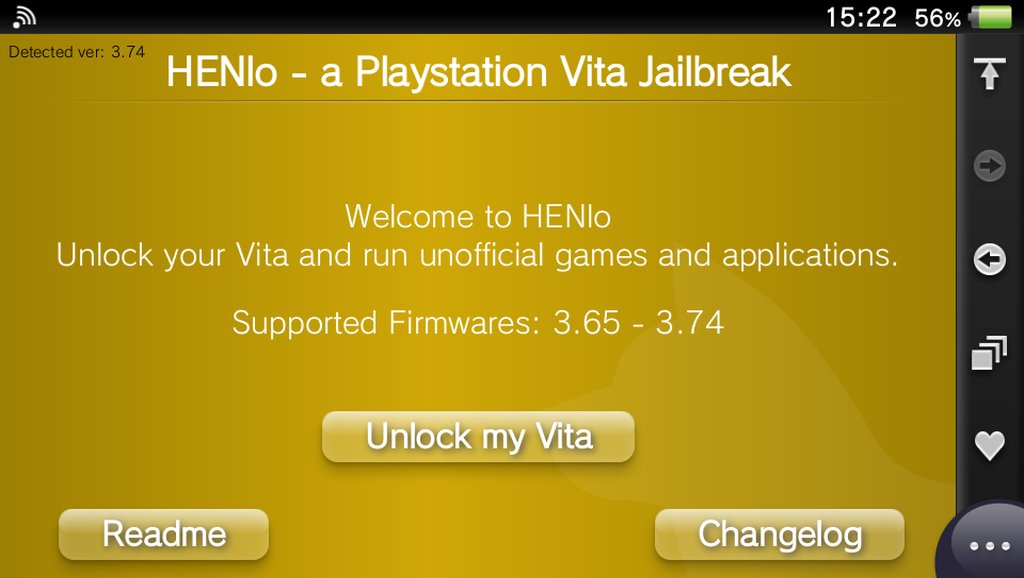
Most consoles die twice: once when the manufacturer walks away, and once when the owners do. The PlayStation Vita died once, in 2019, when production ended — and then simply declined to die again. What kept it alive is one of the great homebrew scenes in gaming history: a global, volunteer effort that has spent a decade unlocking the hardware Sony abandoned, porting games Sony never commissioned, translating games Sony never localised, and turning a discontinued handheld into the most capable five inches in retro gaming. This is the story of the Vita homebrew renaissance — ports, plugins and a scene that won’t die.
The technical foundation is a fully opened system. The scene’s landmark releases — the HENkaku exploit of 2016, which opened the Vita’s native environment to unsigned code through the browser, and its successors refining the process for later firmwares — transformed what owners could do with their own hardware. From that foundation grew the ecosystem’s load-bearing tools: custom firmware enablers that persist across reboots, a homebrew browser for one-tap installs, and VitaShell, the file manager that became the scene’s desktop. None of this exists primarily for piracy, whatever the lazy assumption says — the scene’s own institutions (its stores, its forums, its port bounty culture) are built around preservation, translation and ports, and its elders are famously stern about the distinction. What it exists for is ownership: the proposition that a discontinued console belongs to the people who bought it.
The ports: a second library
The ports are the renaissance’s cathedrals. Working from open-source releases, reverse engineering and sheer devotion, Vita porters have brought an astonishing second library to the machine: Grand Theft Auto III, Vice City and San Andreas running natively; Max Payne; Bully; the Android and PC back-catalogues of a dozen classics; fan-favourite source ports of Doom, Quake and their descendants in forms the hardware eats alive; and, in the scene’s most recent wave, an accelerating stream of decompilation-driven ports that would have been unthinkable a few years ago. Each port is a small act of alternate history — the Vita Sony might have kept, running the library it might have had. The quality bar, policed by the community’s own reviewers, is high: these are native applications with proper controls, sleep support and trophy-free humility, not emulation party tricks.
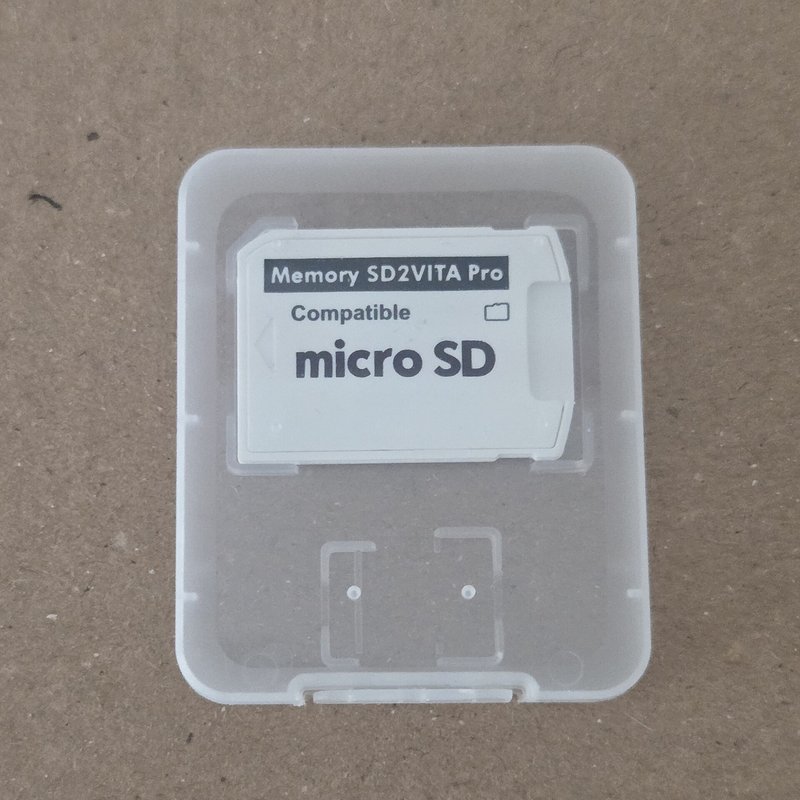
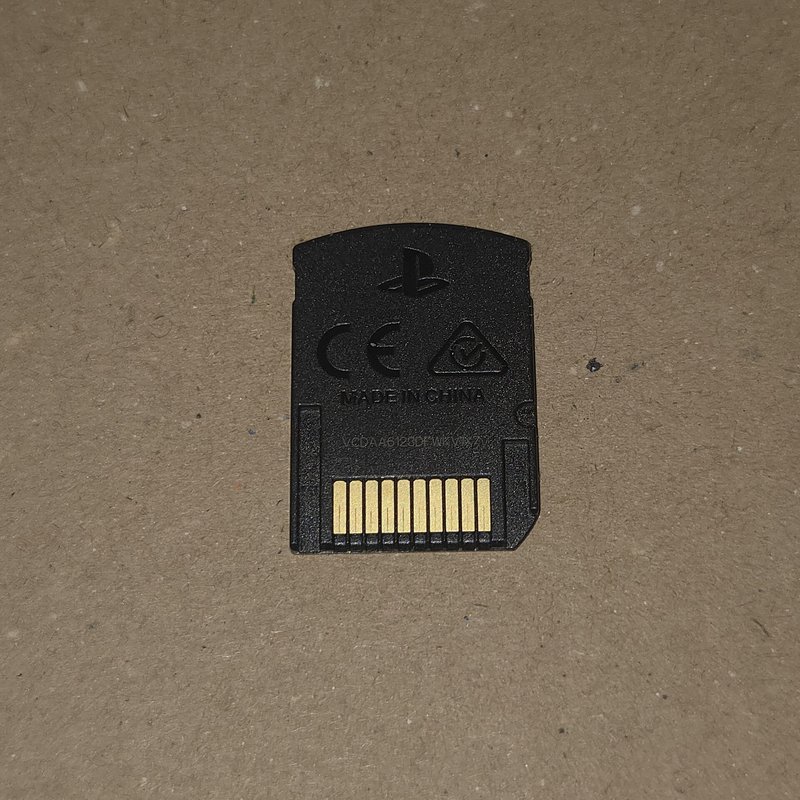
Then there are the plugins and patches, the renaissance’s daily bread. Overclocking tools let demanding games use the hardware’s full clock speeds — speeds Sony reserved and homebrew liberated, smoothing frame rates across the official library. Resolution patches lift PSP games; fan translations have delivered, in English, games the Vita’s Western catalogue never got; save managers, screenshot tools, battery and display utilities, and quality-of-life fixes by the hundred circulate in the scene’s repositories. The SD2Vita adapter — a microSD card in a game-card shell — ended the proprietary memory-card tax for good, and with it removed the single greatest barrier to owning the machine in the modern era. The Vita that homebrew hands you in 2026 is faster, cheaper to feed, and broader in library than the Vita Sony sold at any price.
Why the Vita, why still
Scenes this durable are not accidents; they are fits between a community and a machine. The Vita offers what modern hardware denies: a fully documented, permanently offline-capable, delightfully over-powered-for-its-era device with a perfect screen, real controls, and a walled garden whose walls, once opened, reveal excellent soil. Its failure in the market is precisely its fortune in the afterlife — no successor competes for the scene’s attention, no rolling firmware war burns out its developers, and its owners are, by selection, the people who loved it most. The result is a preservation culture with a flagship: when a game is ported to Vita in 2026, it is news on the gaming internet’s front pages, fourteen years after the hardware launched.
The honest caveats belong in the record. Modifying a console carries risk: a careless install can brick a machine, Sony’s account infrastructure was never designed with custom firmware in mind (prudent users keep their modified machines and their main accounts at a respectful distance), and the legal ground varies by country and by use — the scene’s own ethic, and this feature’s, is that you port, patch and preserve what you own. Nor is homebrew a substitute for the official library’s preservation: the store’s phased closure, now dated by Sony to 2027 for most regions, makes the scene’s work more urgent and its limits clearer. Downloads you own should be secured while securing is simple.
The translation wing of the scene deserves its own salute, because it quietly repaired one of the Vita’s great injustices. The handheld’s Japanese library was always deeper than its Western one — role-playing games, visual novels and oddities that the market case never justified localising — and fan translators have spent years closing that gap, patch by patch, with a professionalism (dedicated editors, testers, typography) indistinguishable from commercial work. Combined with the Vita’s region-free design, the result is a library without borders: a Japanese cartridge, an English patch, a machine from anywhere. Sony designed the region freedom; the scene supplied the languages. Between them, more of the Vita’s true library is playable in English today than at any moment of the platform’s commercial life — the renaissance, measured in shelves, is literal.
Newcomers get one paragraph of orientation, offered in the scene’s own spirit. Work from the community’s maintained guides, not from random videos; back up everything before you change anything; treat your official downloads and saves as the treasures they are, especially with the store’s closure on the calendar; and give back where you can — a bug report, a translation credit, a donation to a port’s bounty. The renaissance runs on reciprocity. It has run for a decade, on a dead console, in defiance of every prediction, and the surest sign of its health is that its elders still answer beginners’ questions with patience. That, more than any port, is why it won’t die.
One boundary, stated plainly so the celebration stays honest: this feature celebrates the scene’s ports of open and owner-owned games, its translations, its tools and its preservation — the work its own community is proudest of — and that work needs no shadow economy to justify it. The renaissance is a library built in daylight, by named people, for a machine they own. That is precisely why it has lasted, and why it will.
The scene that won’t die
Every year since the obituaries, the Vita scene has shipped something that made the obituaries look sillier: a port nobody predicted, a translation nobody commissioned, a plugin that fixed the unfixable. There is no roadmap and no finish line, which is the point — a community, not a company, sets the schedule now. Sony built a remarkable machine and left it in the rain. The owners brought it inside, dried it out, taught it new languages and new games, and it runs still: the little handheld that could, long after it was told it couldn’t. If you own a Vita, the renaissance is yours for the price of an afternoon’s careful reading. If you don’t, the scene is one more reason — this feature counts it among the best — to join the owners.