
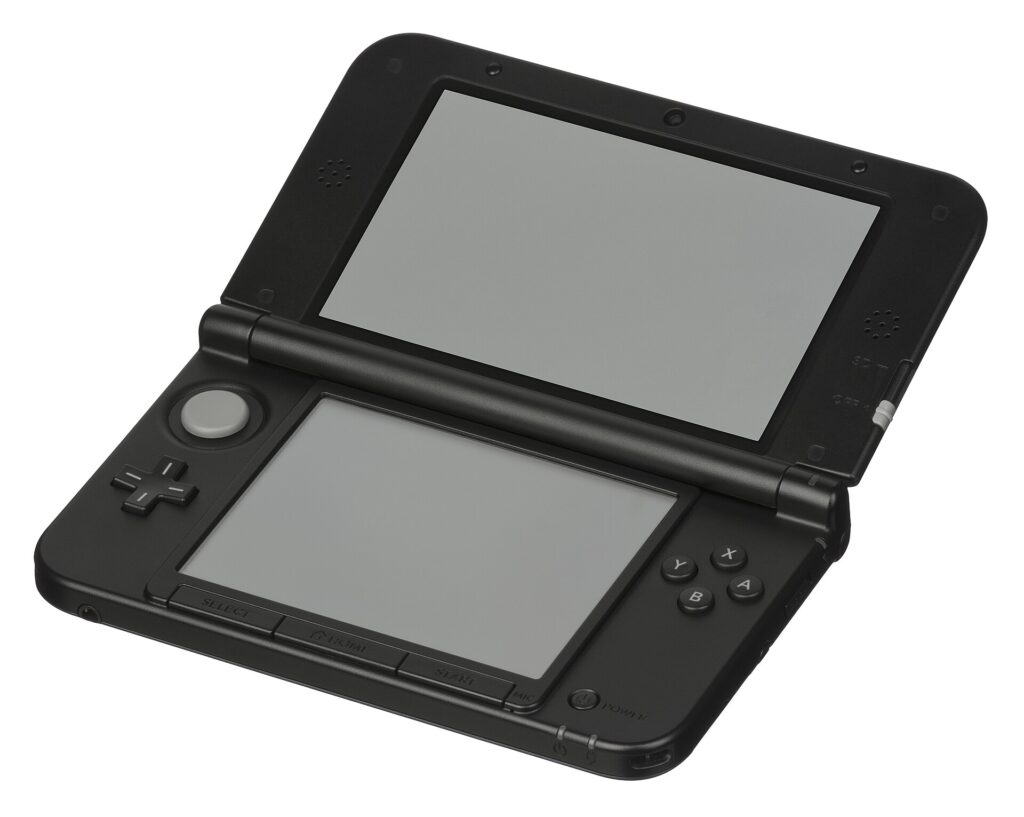
Of all the projects Sega undertook in its years of looking backwards, the Sega 3D Classics line on Nintendo 3DS may be the most loving — and the most technically absurd. The concept sounds simple: take Mega Drive favourites and rebuild them so the 3DS’s glasses-free 3D screen can give their flat sprites real depth. The reality involved a small Japanese studio, M2, disassembling each game and reconstructing its graphics layer by layer, by hand, until 2D art could be sliced into depth planes without breaking. When Sega announced the final wave in April 2015 — 3D Sonic the Hedgehog 2, 3D Streets of Rage 2 and 3D Gunstar Heroes, the announcement this page originally carried — it was completing one of the finest retro series ever made. It is also, since the closure of the 3DS eShop, a series you can no longer buy.
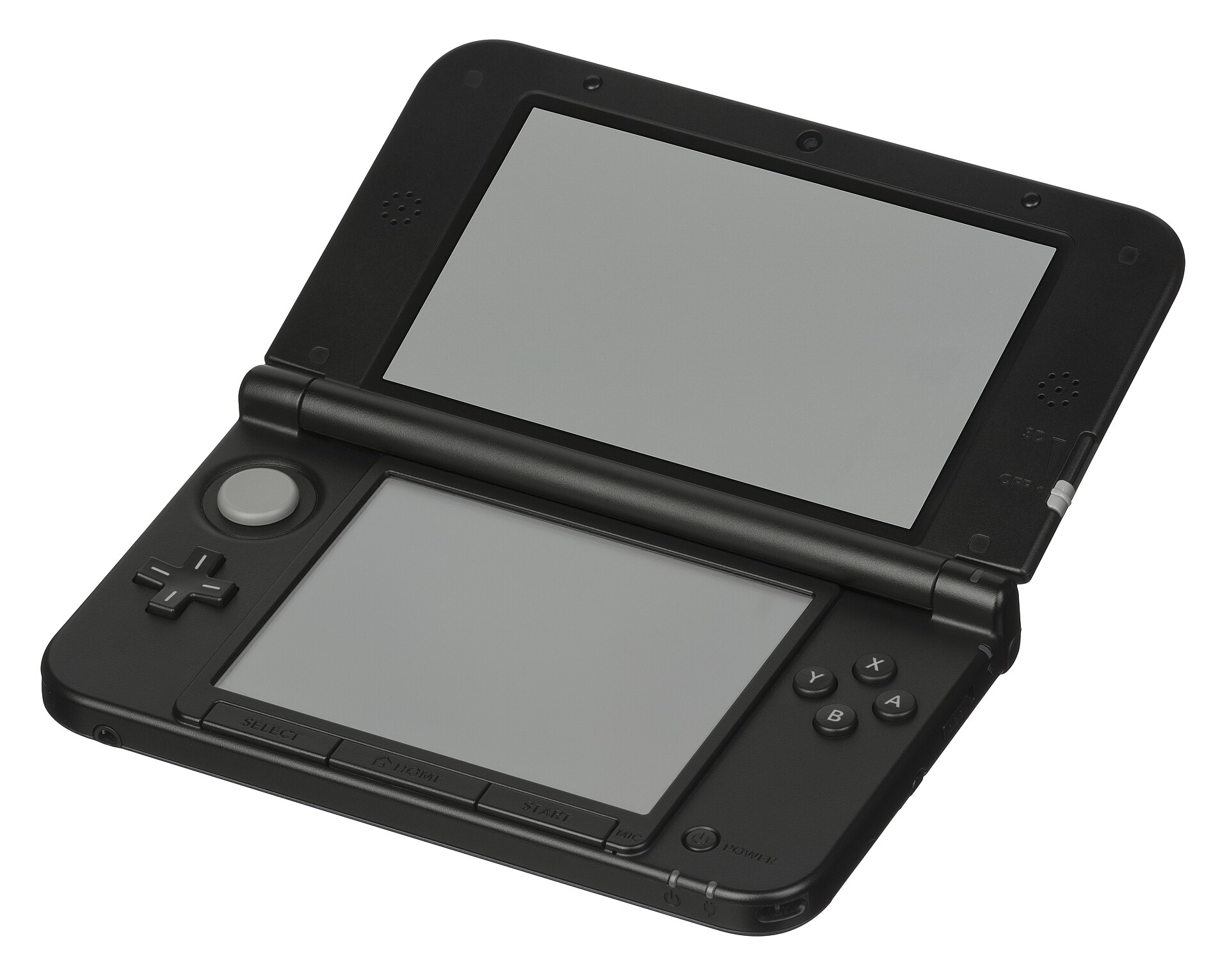
Sega 3D Classics: M2, Okunari, and the hardest games last
The series was driven by producer Yosuke Okunari at Sega and developed by M2, the studio whose president, Naoki Horii, has built a career on treating old games as heritage objects. The method M2 perfected — sometimes described as rebuilding the games around a “GigaDrive” emulation concept — went far beyond emulation: sprites were separated into layers, backgrounds re-divided, and in cases like the arcade conversions, entire visual structures re-engineered so the 3D effect had something truthful to show.
The 2015 trio were not leftovers. They were, by the team’s own account, among the most technically demanding conversions in the whole programme, held back until last for that reason — which is why Sonic the Hedgehog 2 became the sixteenth and final title in the line, a bookend for a series that had begun in 2013. The full journey to that final wave ran through two earlier waves: the first, in late 2013, brought Space Harrier, Super Hang-On, Sonic the Hedgehog, Altered Beast, Ecco the Dolphin, Galaxy Force II, Shinobi III and Streets of Rage; a second wave across late 2014 and the first half of 2015 tackled the heavy arcade machinery — After Burner II, Fantasy Zone and Fantasy Zone II, Out Run, and Thunder Blade.
The 2015 trio, game by game
The releases came through the summer of 2015: 3D Streets of Rage 2 on 23 July, 3D Gunstar Heroes on 20 August, and 3D Sonic the Hedgehog 2 on 8 October — a slight slip from the September date Sega had originally floated, and worth it. Each cost $5.99, and each carried the line’s signature generosity: not ports, but little museums with extras.
Streets of Rage 2, widely held to be the finest scrolling fighter of its era, gained depth that genuinely helps you read the brawling plane. Gunstar Heroes, Treasure’s manic run-and-gun, arrived with a Full Spec mode drawing on its international and Japanese versions and a Mega Life mode for players who wanted to enjoy the spectacle first and the punishment later. And Sonic 2 — the game that made the Mega Drive’s reputation in the West — came with a stage select and a Ring Keeper mode, in which Sonic starts each stage clutching a hoard of rings and loses only half when hit: a small, kind idea aimed squarely at the players who had loved the game for twenty years and the children meeting it for the first time.
How the trick is done
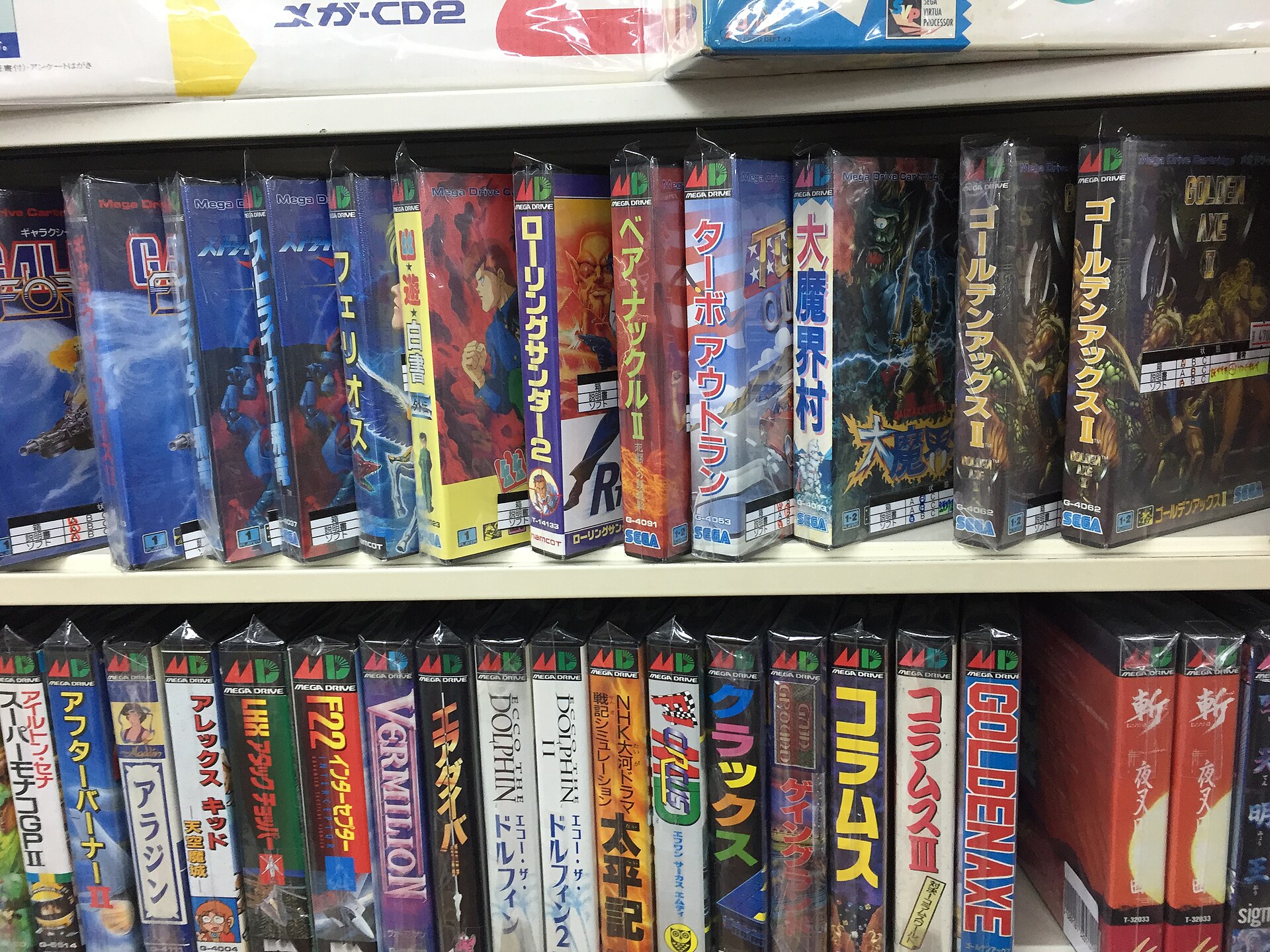
The technical heart of the project is worth understanding, because it explains both the quality and the cost. A Mega Drive image is drawn in flat layers — backgrounds behind sprites behind foreground — and the original artists faked depth with parallax, scrolling those layers at different speeds. M2’s process took the fake apart: artists and programmers separated the art into true depth strata, sometimes dozens per scene, so the 3DS could present each at its own distance. Do it carelessly and the picture tears; do it M2’s way and Green Hill’s waterfalls suddenly sit behind the bridges they always implied. The arcade conversions demanded more still — Space Harrier’s scaling sprites and Out Run’s road had to be recast as genuinely spatial scenes — which is why those titles became the line’s legend.
The extras carried their own philosophy: save states and options everywhere, the ability to play Japanese or international versions where they differed, CRT filters and sound options for the arcade games, and even, in the physical collection, a set of titles — including Power Drift and the Mark III’s Fantasy Zone II — that the West had never had on the handheld at all. Nothing about the programme was minimal. The fixed $5.99 price bought, in effect, a museum ticket.
Preservation as a design brief
What elevated the programme above nostalgia was intent. Okunari has spoken over the years about approaching Sega’s arcade and console back catalogue the way archivists approach film: the originals were designed for hardware that would not exist forever, and a careless port would preserve the data while losing the work. M2’s answer was to preserve the experience — input feel, visual rhythm, the exact weight of a jump — even when that meant rebuilding the work to do it. It is not a coincidence that the same philosophy, and the same studio, went on to power the Mega Drive Mini, where the emulation of the original console’s sound and timing received the kind of reviews usually reserved for new hardware. The 3D Classics were the laboratory where that standard was set.
It also explains the pricing puzzle people raised at the time: why did games from 1992 cost $5.99 in a market of 99-cent phone games? Because each one represented months of disassembly, re-artwork and testing — restoration work priced, absurdly, like a coffee. The line was never going to make Sega rich. It reads, in hindsight, like something closer to cultural policy: a company paying craftsmen to ensure its own history survived in playable form.
Collections, closure, and a reputation secured
Sega gathered the line physically with the Sega 3D Classics Collection for North America in April 2016, and Japan received a third archive volume that December that the West never got. Between the downloads, the collections and the archives, a determined collector in 2016 could assemble nearly the whole programme on a shelf — a shelf that has appreciated steadily in meaning, if not in price, ever since.
The series’ story ends with the platform: the 3DS eShop closed on 27 March 2023, and with it went the only shop that sold these conversions. What survives intact is the reputation the work built. M2’s craftsmanship on the 3D Classics carried directly into the Sega Ages line on Switch and the software of the Mega Drive Mini — projects covered elsewhere on this site — and into a general industry lesson that the intervening years have only confirmed: players can tell the difference between a ROM in a wrapper and a restoration, and they reward the restoration.
The original announcement on this page ended with the SEGAbits writer daydreaming about playing Gunstar Heroes in 3D on his lunch break, and promising the site’s verdict when the games arrived. The verdict of history is in: he was right to be excited. The 3D Classics are what every retro reissue programme since has been measured against — and, quietly, most of them have been found wanting.