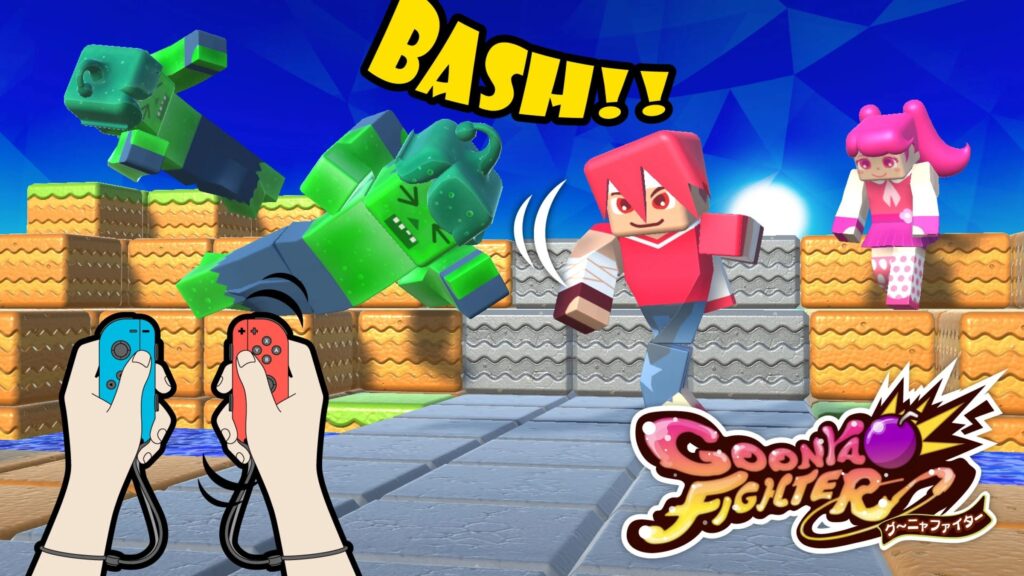
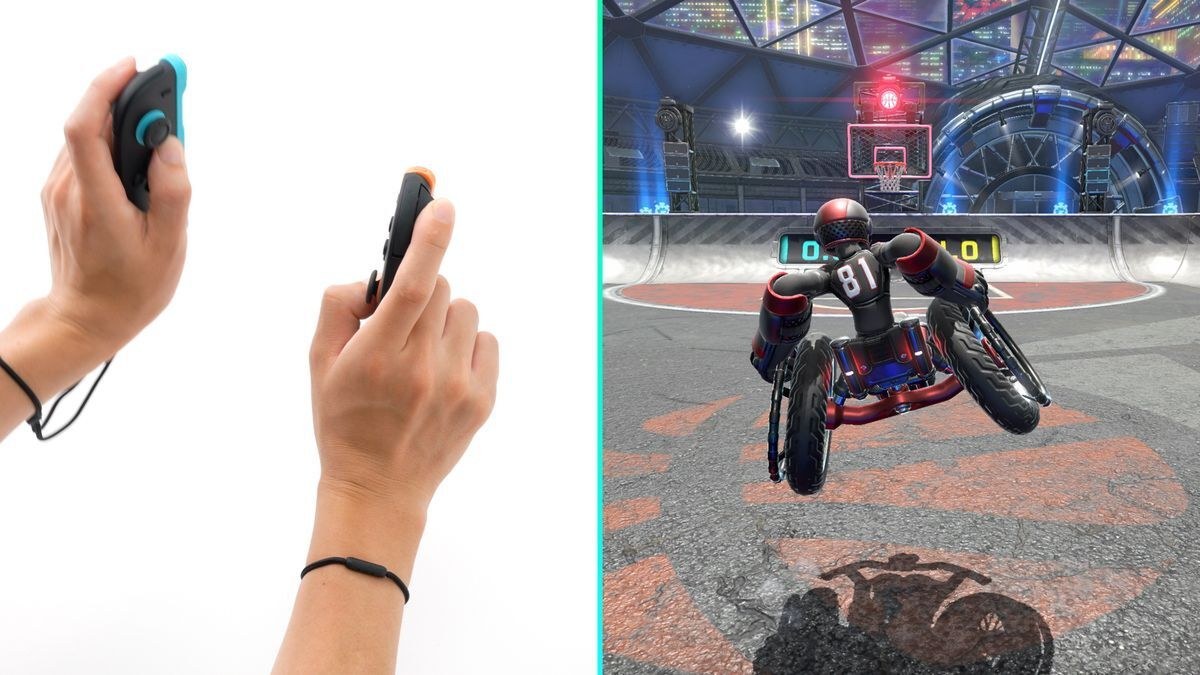
Spend an hour with the newest generation of motion controls – tilting, pointing, even sliding a controller across a desk like a computer mouse – and a veteran Wii player’s hands start remembering things. The wrist-flick of a tennis return. The steady point of a Metroid Prime targeting reticle. The bowling release timed to a fraction of a swing. Reports from hands-on sessions with Nintendo’s latest hardware keep reaching the same conclusion the Wii’s owners reached in 2006: this feels like the future, and it makes you want the classics back, remastered, to play it with.
This feature traces the full arc of that gesture. Motion control was declared a revolution in 2006, a fad by 2012, and a failure shortly after – yet it never actually left. It dissolved into the water supply of modern gaming: gyro aiming in shooters, motion-assisted cameras in prestige adventures, fitness empires, VR’s entire existence. The Wii Remote’s descendants are everywhere, including inside controllers that market themselves on anything but motion. Understanding that hidden victory explains why each new hands-on with motion hardware produces the same headline, nearly twenty years running: Nintendo should remaster the Wii games. It should. Here is the evidence.
Act one: the revolution was televised
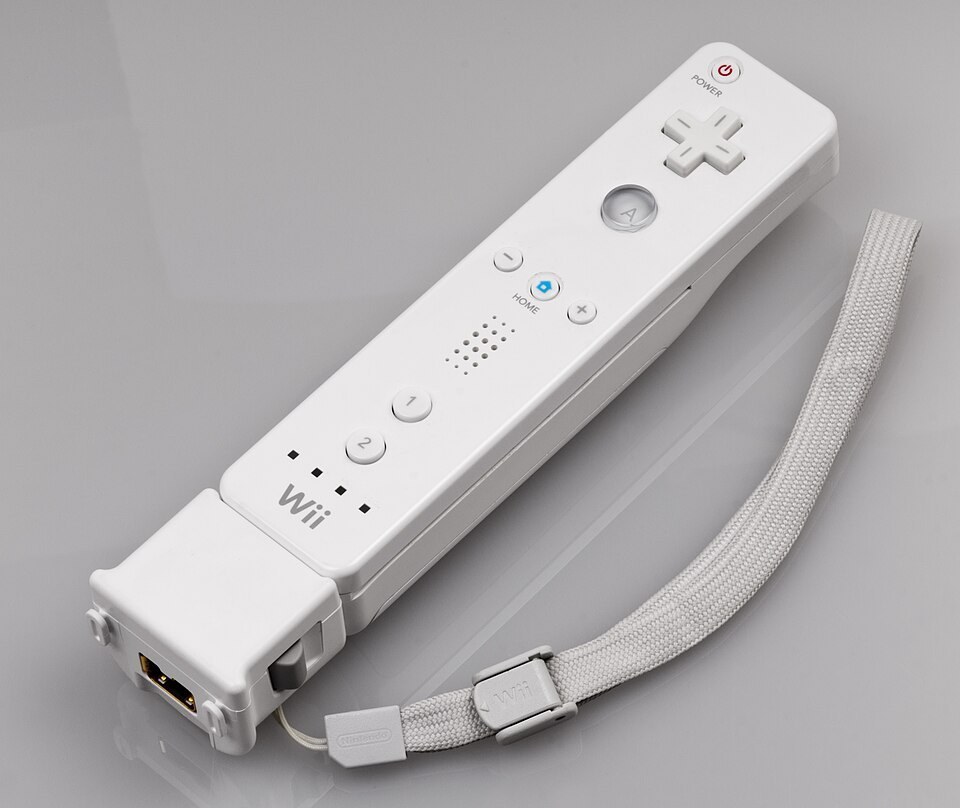
The Wii Remote’s launch-era achievement is easy to understate now. In 2006, motion control was not an input option; it was a change in who games addressed. Wii Sports turned living rooms into bowling alleys, and the world’s press – lifestyle pages, morning television, retirement-home newsletters – covered a console launch as a human-interest story. Nintendo’s rivals responded within the cycle: PlayStation Move’s glowing orb, Microsoft’s camera-only Kinect, each selling millions on the Wii’s proof that bodies were a market. For roughly four years, the future of play was officially a gesture.
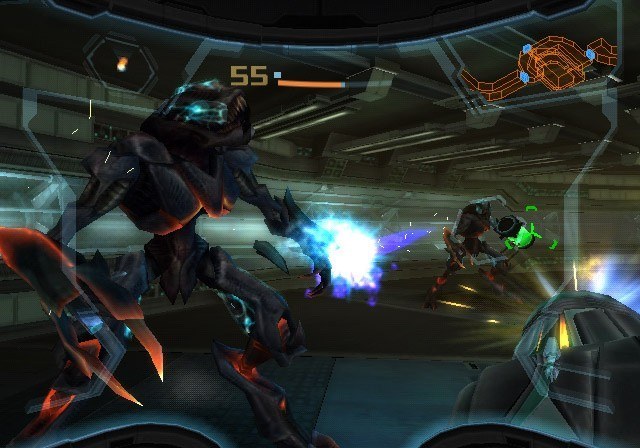
The design language matured fast. MotionPlus sharpened the remote into a true one-to-one instrument for Wii Sports Resort’s swordplay and archery. Pointer aiming rewrote console shooters – Metroid Prime 3 and the Wii ports of Resident Evil 4 remain the control schemes many players still consider definitive for their genres. And the Wii Remote’s humble speaker, rumble and four-player ubiquity made motion a social technology, best performed badly, in company, at Christmas. The revolution’s first act ended, as revolutions do, in overreach and shovelware – but its core insight had already shipped in a hundred million units.
Act two: the wilderness and the quiet victory
The Wii U kept motion as a legacy feature rather than a thesis, the market’s novelty moved to phones and then to VR, and the obituaries wrote themselves. What they missed was the migration. Gyroscopic aiming became a connoisseur’s standard in shooters, championed by Splatoon’s entire player base. The Switch’s Joy-Con carried motion into a hybrid era – Arms, Ring Fit Adventure’s fitness phenomenon, Mario Party’s minigames – where it functioned as seasoning rather than main course. PlayStation and PC players discovered gyro aim through community evangelism. VR, meanwhile, industrialised the Wii’s insight: two motion wands, room-scale gestures, an audience standing up.
Seen whole, motion control did not die; it specialised. As a universal replacement for buttons it was always a fantasy – menus, fighters and strategy games never needed it. As a permanent expansion of the controller’s vocabulary, it succeeded completely. The modern player’s hands expect a controller to know where it is pointing. That expectation was installed, at planetary scale, by a white wand and a bowling game between 2006 and 2010, and no amount of ‘waggle’ revisionism uninstalls it.
Act three: the mouse, and the remaster argument
The newest chapter is the most Wii-like of all: motion growing a second identity as a pointer for strategy and precision, with controllers that can glide on a surface like a mouse. Hands-on impressions of the latest Nintendo hardware have repeatedly singled out how natural this feels – and how instantly it summons the Wii catalogue as its obvious library. Because the Wii, uniquely among consoles, has a decade of games designed from first principles for pointing and gesturing, many of them still stranded on standard-definition hardware with ageing online services and no modern editions.
The remaster wishlist writes itself, and players have been writing it for years. The Metroid Prime trilogy’s pointer aiming, proven in its first chapter’s acclaimed remaster, begs for completion. Skyward Sword’s motion swordplay already demonstrated, in its HD edition, how modern gyro improves Wii designs. Super Mario Galaxy’s star-pointer, Wii Sports Resort’s twelve disciplines, Zack and Wiki, Sin and Punishment, Trauma Center – a whole design dialect awaits translation. Every new motion hands-on revives the argument because the hardware keeps re-proving the Wii’s central claim: these games were not gimmicks awaiting rescue by normal controls. They were a genre awaiting its second window.
What motion still does better
Strip the nostalgia away and motion retains three honest advantages no stick has matched. It is legible: a spectator understands a bowling swing without a tutorial, which is why Wii games remain the medium’s best party ambassadors. It is embodied: the small theatre of a sword swing or a table-tennis rally engages memory and laughter in a way thumb movements cannot, which is why Wii Sports clips still charm audiences who have never owned the console. And it is accessible in a specific, precious way – large gestures forgive imprecise hands that small sticks punish, a virtue for the very young, the very old, and everyone playing one-handed with a drink in the other.
The counter-arguments have also matured into design wisdom rather than dismissal. Motion tires arms, hates small rooms, and must always offer alternatives for players whose bodies do not gesture on command – an accessibility lesson the Wii era learned late and the modern era, to its credit, builds in from the start. The mature position, visible in today’s hardware, is motion as an option with honour: present, precise, and never again compulsory. The revolution grew up, which is what successful revolutions are supposed to do.
Try this at home: the living-room test
There is a simple experiment that settles most arguments about motion’s value, and any reader with a Wii in the cupboard can run it tonight. Put a non-player in front of Wii Sports bowling, with no instruction beyond ‘bowl’, and time how long understanding takes. Then repeat the experiment with any modern twin-stick game of your choice. The gap between those two timings is the entire Wii thesis, measured in seconds, and it has never been refuted – only outgrown, as audiences who learned games through motion graduated to more complex instruments and forgot the door they entered by.
Game design remembers, even when markets forget. Every accessibility menu, every ‘story mode’ assist, every controller that advertises one-handed operation descends partly from the Wii’s insistence that the first ten seconds belong to the player, not the manual. Motion control’s most important legacy may not be any sensor or sequel, but that insistence – carried into modern hardware so thoroughly that a new console’s motion features are now judged, instantly and correctly, by how they would feel in the living-room test. The Wii set the stopwatch running in 2006. It is still running.
The gesture, remembered
There is a photograph every Wii family owns in memory if not in fact: somebody’s gran, mid-bowl, follow-through like a professional, while the room loses its composure. Motion control’s long road runs from that room to the present day’s gyro-equipped, mouse-capable controllers – not a straight line, but a genuine inheritance. The Wii did not just sell a control scheme. It taught a hundred million people that their hands already knew how to play, and the industry has been quietly building on that lesson ever since, one sensor at a time.
So when the latest hands-on session ends with a journalist daydreaming about Wii remasters, treat it as field research rather than nostalgia. The catalogue is ready. The audience’s hands are ready – they have been training, on every modern platform, for twenty years. All that remains is for the games themselves to come back and collect the welcome their own invention organised for them.