

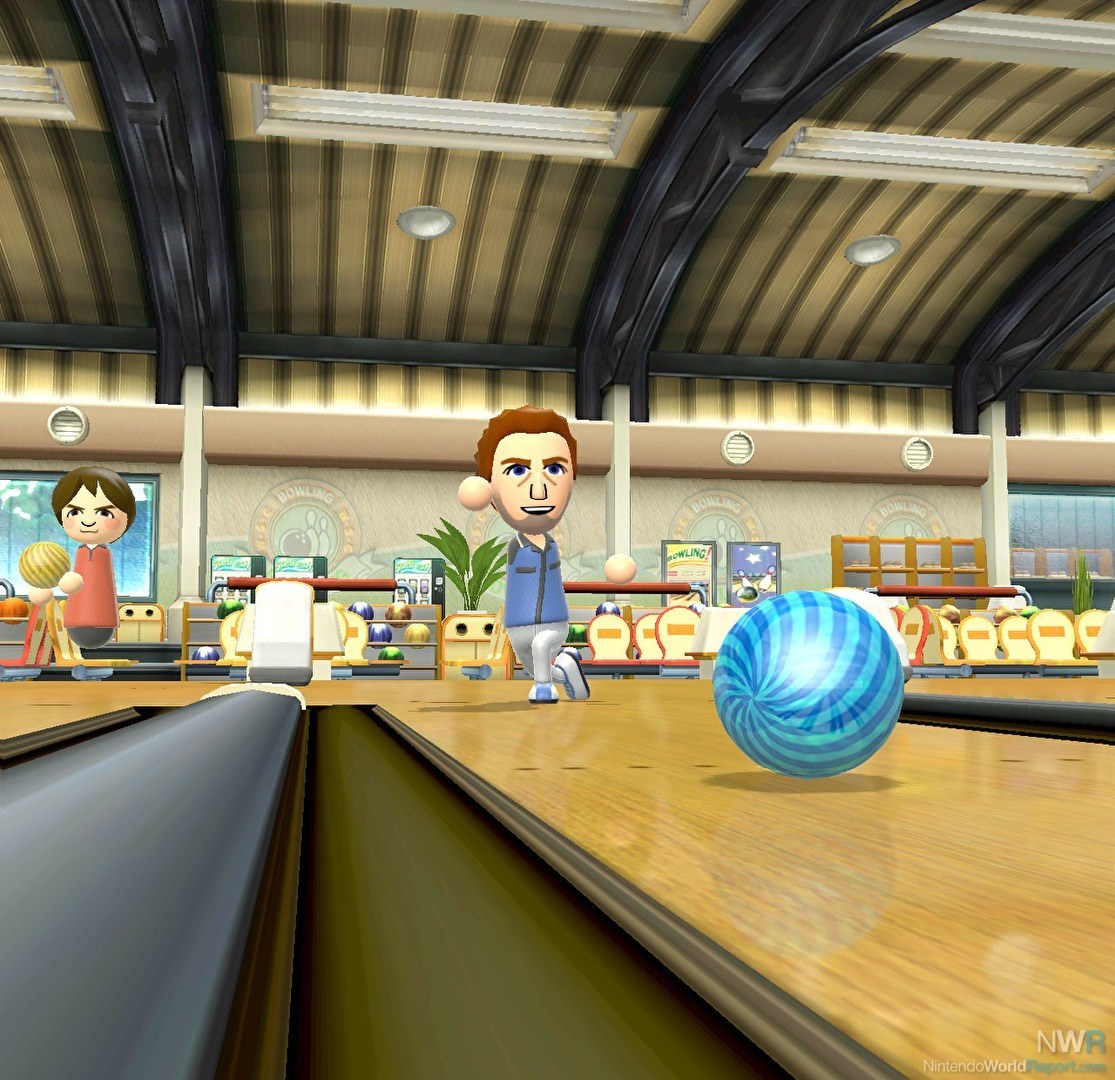
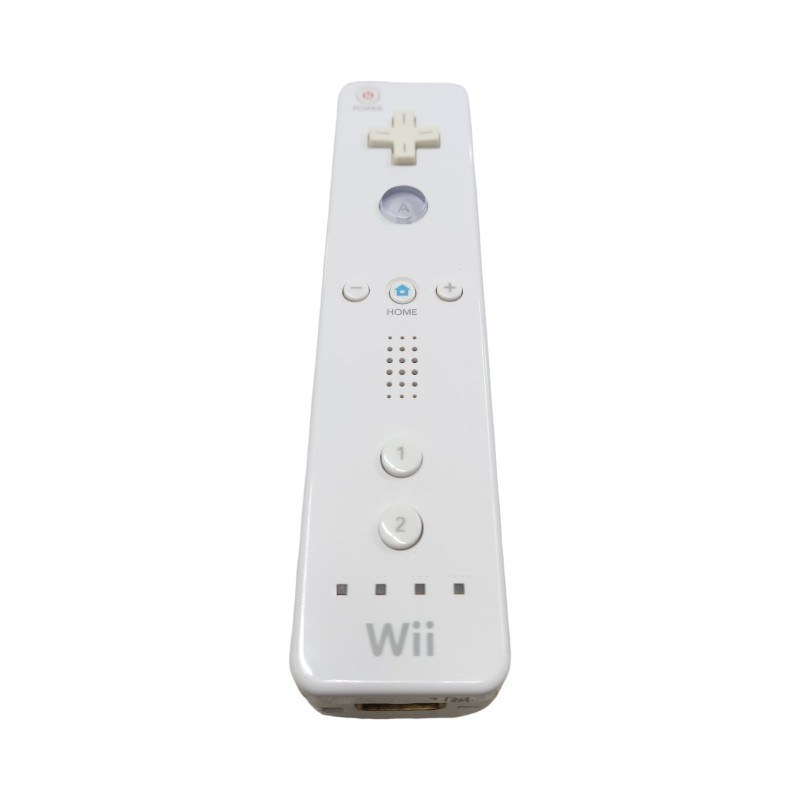
In November 2006, Nintendo made the most consequential pricing decision of its modern history: it put the killer app in the box. Wii Sports – five simple games, tennis, baseball, bowling, golf and boxing – was bundled with every Wii sold outside Japan, at no extra charge, and it proceeded to outsell, out-charm and out-teach every demonstration disc ever made. It was not a demo. It was the console’s entire argument, gift-wrapped: swing the remote like a racket, bowl like you mean it, and discover in ninety seconds why this white box was unlike anything before it.
Nearly twenty years later, whenever a new console asks its earliest adopters to pay extra for the guided tour – a welcome package sold separately to the people who just bought the hardware – the comparison arrives instantly and mercilessly. Free pack-ins built the Wii’s empire of a hundred million consoles. Paid tutorials build resentment. This feature revisits how Wii Sports worked its magic, why Reggie Fils-Aime and Nintendo of America fought to bundle it, and what the episode teaches every platform holder about the difference between a gift and a toll booth.
The argument inside the box
The bundle was not inevitable. Wii Sports was sold separately in Japan, and Nintendo’s American leadership had to argue for giving away a game that plainly could have sold for full price – which, in Japan, it also did, handsomely. Their case was strategic: the Wii’s motion controller was a claim that had to be experienced to be believed, and every unsold sceptic was a person who had not yet swung a remote. A free game removed the last friction. Buy the console, go home, and within minutes the whole family was playing – no second purchase, no tutorial manual, no faith required.
The results rewrote record books. Wii Sports became, by most counts, one of the best-selling video games of all time, moving more than eighty million copies as a bundle, and it turned console launches into social events. Retirement communities ran bowling leagues. Rehabilitation clinics used it for therapy. Television hosts played it live because it needed no explanation. Nintendo did not merely sell a console; it seeded a demonstration in every living room, staffed by the owner’s own grandmother, working for free, forever.
Five games, one masterclass in teaching
Study Wii Sports as a tutorial and its genius sharpens. There is almost no text, no instruction screens worth the name, because the design teaches through metaphor: the remote is the racket, the club, the glove. Your body already knows the verbs; the game merely listens. Tennis asks for timing, bowling for touch, boxing for joyful flailing – and each sport layers its complexity so gently, through faster opponents and ranked progression against the machine, that players climb from first swing to genuine skill without noticing a single lesson.
Compare the philosophy to the modern paid welcome tour, which typically teaches through inventory: a catalogue of the hardware’s features, tricks and trivia, presented as content to be purchased and completed. The Wii Sports method trusted play itself to do the persuading. If a feature could not justify itself inside a game a child could start unaided, it did not belong in the pitch. That discipline – show, never lecture, and charge nothing for the showing – is why the pack-in is remembered as a classic while most tutorial software is remembered, if at all, as an invoice.
The business case for generosity
Sceptics in 2006 called the bundle money left on the table. History calls it the cheapest customer-acquisition programme in entertainment. Wii Sports expanded the market itself: people who had never bought a console bought this one, then bought Mario Kart Wii, Wii Fit, and a second remote, at margins platform holders dream about. Nintendo’s blue-ocean strategy depended on converting non-gamers, and non-gamers do not pay extra to be taught a hobby they have not yet adopted. The free game was not charity. It was the funnel, and the funnel filled an ocean.
There is a second, quieter lesson about trust. The first transaction between a platform and its customer sets the tone for a decade of them. Wii owners began their relationship with a gift, and spent years reciprocating through one of the healthiest software attach rates of any Nintendo console. Customers of a paid welcome tour begin theirs by being charged to read the manual. Both arrangements are defensible on a spreadsheet. Only one of them is remembered, twenty years on, with a smile – and goodwill, properly banked, compounds like interest.
What Wii Sports Resort proved
If any doubt remained that the pack-in formula was the product, Nintendo removed it in 2009. Wii Sports Resort – this time sold as a full game, bundled with the MotionPlus accessory that sharpened the remote’s senses – repeated the trick at commercial scale, selling tens of millions and anchoring another hardware cycle. Swordplay, archery, table tennis: the sequel taught a new accessory exactly the way the original taught the console, through sport-shaped tutorials disguised as a holiday. The pattern was now unmistakable. Nintendo’s hardware ideas travelled best inside free or bundled software that anybody could play.
Notice, though, that Resort earned its price tag the honest way: it was a substantial game, not a feature tour. The distinction matters and players have always been able to smell it. Twelve sports and an island to explore is a product. A guided walk through a spec sheet, however charming its minigames, is a manual wearing a price tag – and the Wii Sports legacy gives players a permanent reference point for telling the two apart.
The Japanese exception that proves the rule
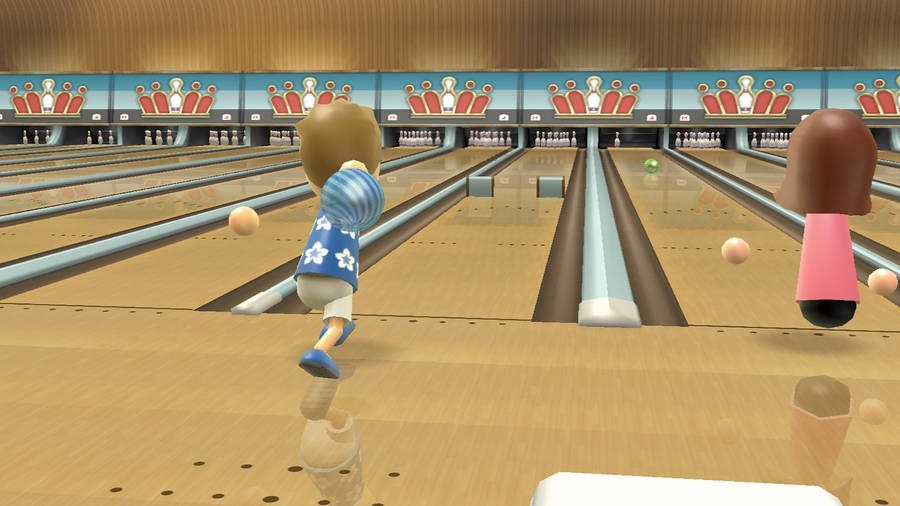
The sharpest evidence for the bundle’s power comes from the one market that tested the alternative. In Japan, Wii Sports was not included with the console; it was sold as an ordinary game – and Japanese players bought it in such numbers that it became one of the country’s best-selling titles anyway, dragging hardware behind it. Nintendo, watching both experiments at once, drew the obvious conclusion about the West’s bundle and never repeated the unbundled approach for a teaching game again. The lesson generalises beyond Nintendo: a demonstration this effective does not need to be free to be loved, but making it free removes the last reason a sceptic can give for never trying it.
There is a subtler point in the comparison, too. The pack-in worked because Wii Sports was strong enough to sell – the gift had retail value, and everybody knew it. A bundled weakling teaches customers that bundles are filler. A bundled masterpiece teaches them that the company believes its own pitch enough to give the best evidence away. That is why the paid welcome tour debate keeps returning to Wii Sports: not because it was free, but because it was great and free, in that order, and because the industry has been trying to separate those two qualities ever since, with predictably poorer results.
The gift that keeps on teaching
Every console launch since has rerun the experiment. The most beloved modern pack-in, Astro’s Playroom on PlayStation 5 – free, in the box, a joyful tour of the hardware disguised as a platformer – is Wii Sports’ direct spiritual heir, and its reception proved the old formula intact: generosity at the first boot-up becomes legend. The launches that charged for the tour discovered the other half of the lesson. First impressions are the one purchase a platform cannot make twice, and the Wii set its price for them at exactly zero, in 2006, and won a generation with the change.
So boot up Wii Sports today – it takes seconds – and watch a newcomer pick up the remote. No payment screen, no feature list, no homework. Just a bowling lane, a clear invitation, and a design so confident it gave itself away. That confidence built a hundred-million-console empire and remains, swing for swing, the smartest money Nintendo never took.