The Game Gear’s famous problem was never its games. It was the six AA batteries dying mid-session, the colour screen drinking them dry in an afternoon, and a library that history filed under “ports of better-known things” while its originals quietly became some of the finest handheld games of the nineties. Everyone knows the Sonics and the Illusion games. This list is the other shelf: ten games that deserved better than dead batteries — originals, oddities and Japan-leaning treasures, none of them drawn from the system’s headline reviews, each one a reason to pick the machine up again in 2026.
1. Popils
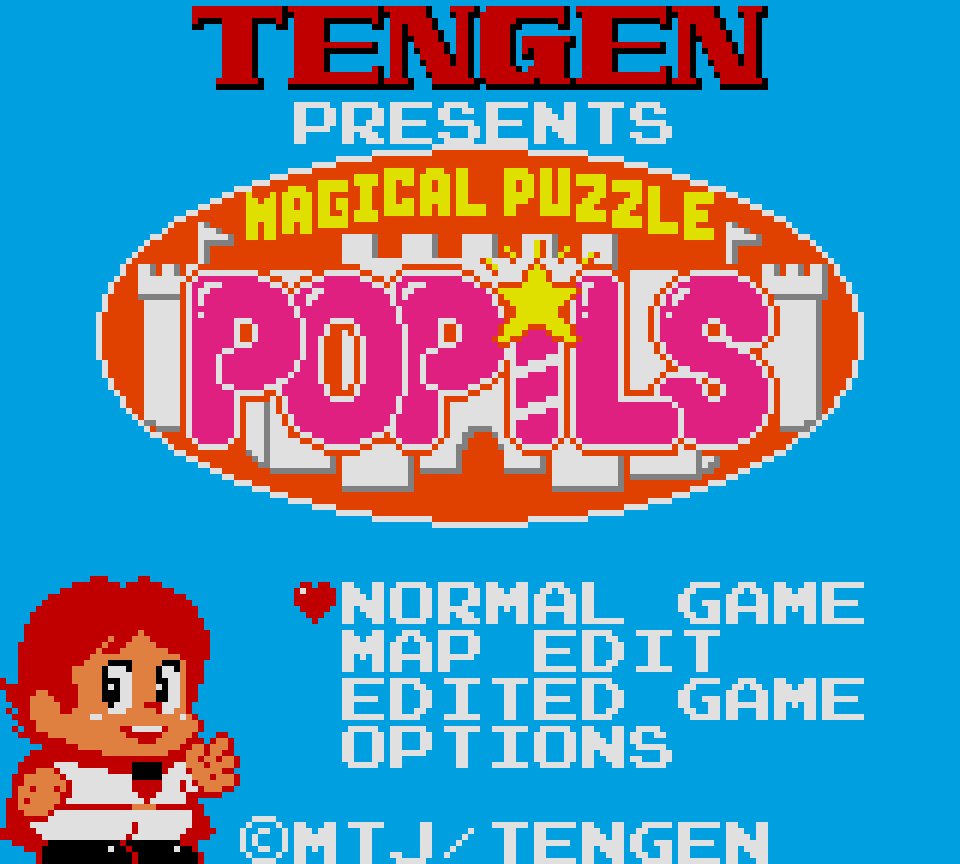
Known in Japan as Magical Puzzle Popils, this Tengen gem is a puzzle-platformer of real elegance: a grid of blocks, a prince, a princess to reach, and one beautiful verb — punch. You break blocks with your fists and head, and the columns above settle, so every level is a demolition puzzle in which the route to the princess is carved out of the scenery itself, while enemies patrol and spikes wait for the careless demolitionist. It is short, perfectly formed and utterly unlike anything else on the system — the kind of design that would be an indie darling today and was, in 1991, simply a great cartridge almost nobody bought.
Its designer pedigree is part of the fun: the puzzle mind behind it belonged to the same Japanese arcade-puzzle culture that produced the era’s best one-more-go machines, and Popils carries that DNA in every floor — each level is a tiny machine for producing the a-ha moment, and the a-ha arrives on schedule, fifty times in a row. Games this clean do not date. They wait.
2. Dragon Crystal
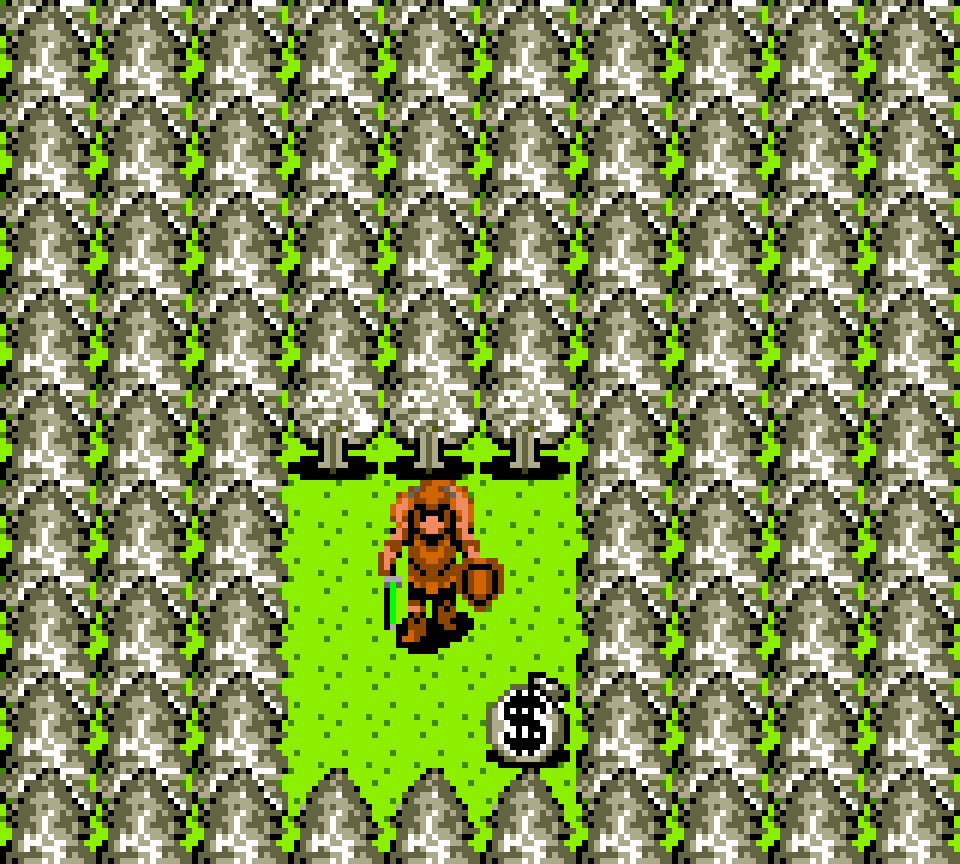
A roguelike, on the Game Gear, in 1990: procedurally shuffled dungeons, unidentified potions and scrolls, permadeath softened by passwords, and a dragon’s hoard at the bottom of it all. Dragon Crystal — a cousin of the Master System’s own version, sharing its design — was quietly one of the most forward-looking games on any handheld of its era, a pocket Rogue at a time when the genre barely had a name in the West. Runs are tense, deaths are educational, and the little sword-swinging hero’s quest has a purity modern roguelikes still chase. If you play one dungeon on this system, make it this one.
3. GG Aleste
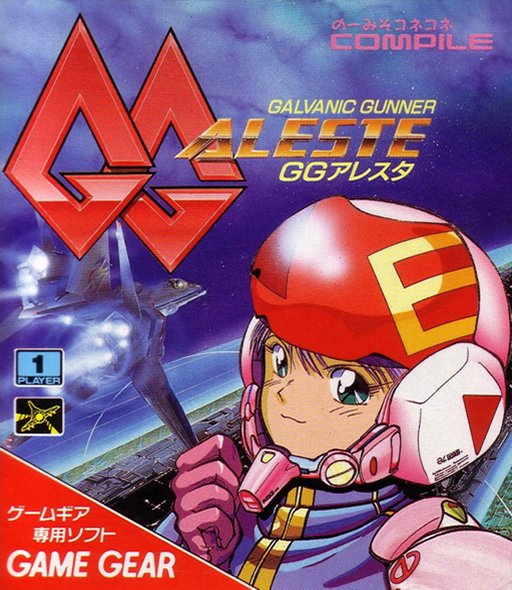
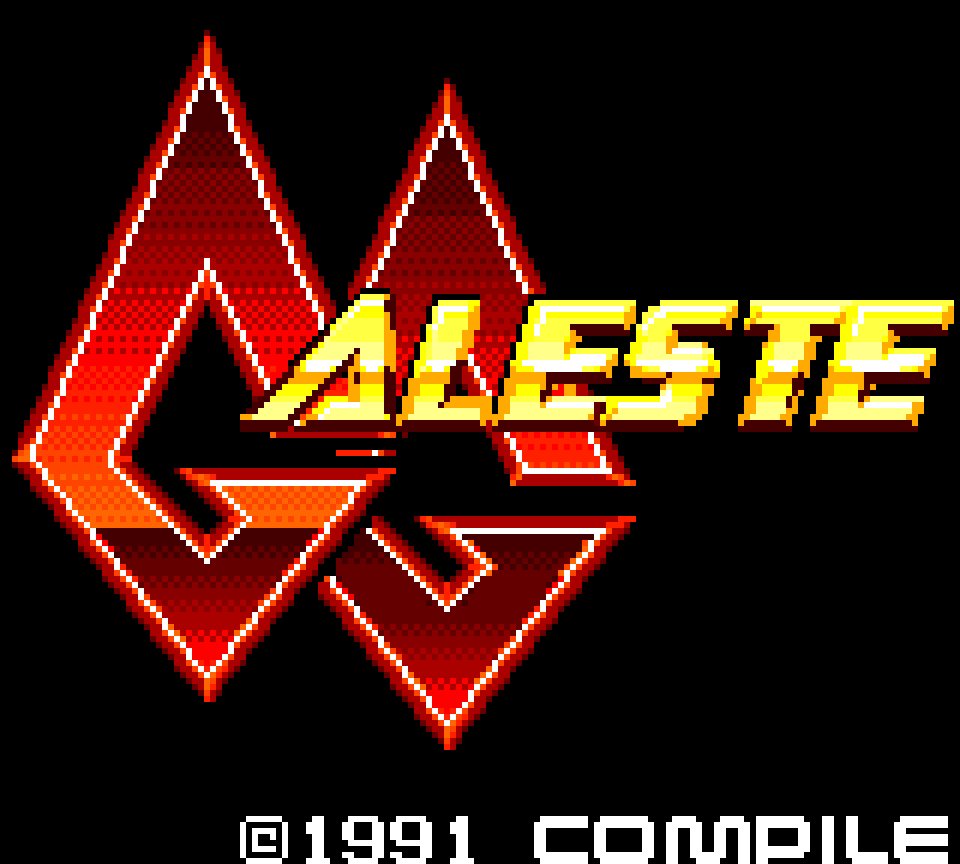
Compile’s Aleste series was the thinking player’s shooter line, and GG Aleste — Japan-only in its day — is its handheld pinnacle: blisteringly fast, technically immaculate, with the series’ signature weapon system raining configurable firepower over wave after wave of beautifully drawn enemies. That it runs at all on 8-bit handheld hardware is impressive; that it runs like this — smooth, fair, spectacular — is a small miracle of optimisation. Its modern inclusion in the Aleste Collection finally gave it the Western audience it always deserved. The best shooter on the Game Gear, and it is not close.
It also anchors the system’s shooter shelf in a way collectors underrate: between GG Aleste’s brilliance and Halley Wars’ grit (also on this list), the Game Gear quietly fields a shooter line-up that embarrasses richer libraries. The Aleste cartridge’s presentation helps — Compile’s art direction, all mechanical detail and saturated colour, flatters the little screen outrageously — but the lasting impression is of speed with manners: bullets you can read, patterns you can learn, a difficulty curve with a teacher’s patience and an examiner’s final.
4. Psychic World
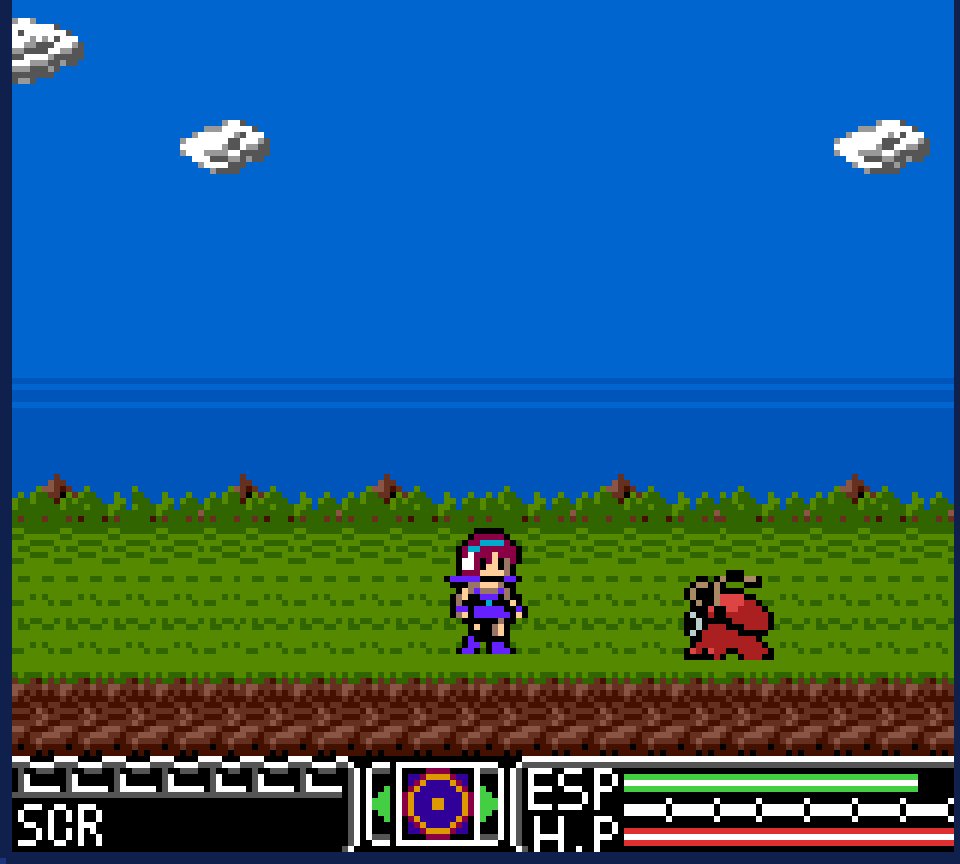
Lucia, a lab assistant with psychic powers, fights through a monster-overrun research complex to rescue her sister — and in 1991, that sentence alone made Psychic World unusual. The game around her is a brisk, inventive action-platformer: ESP abilities that double as weapons and tools, levitation, elemental shots, levels that sprawl in the exploratory style of its MSX ancestors. The Game Gear edition carries the Hertz-converted design with the system’s usual colour advantage, and the whole package has the earnest, slightly eerie charm of the best early-nineties Japanese action games. Overlooked then, ripe for rediscovery now.
5. Vampire: Master of Darkness
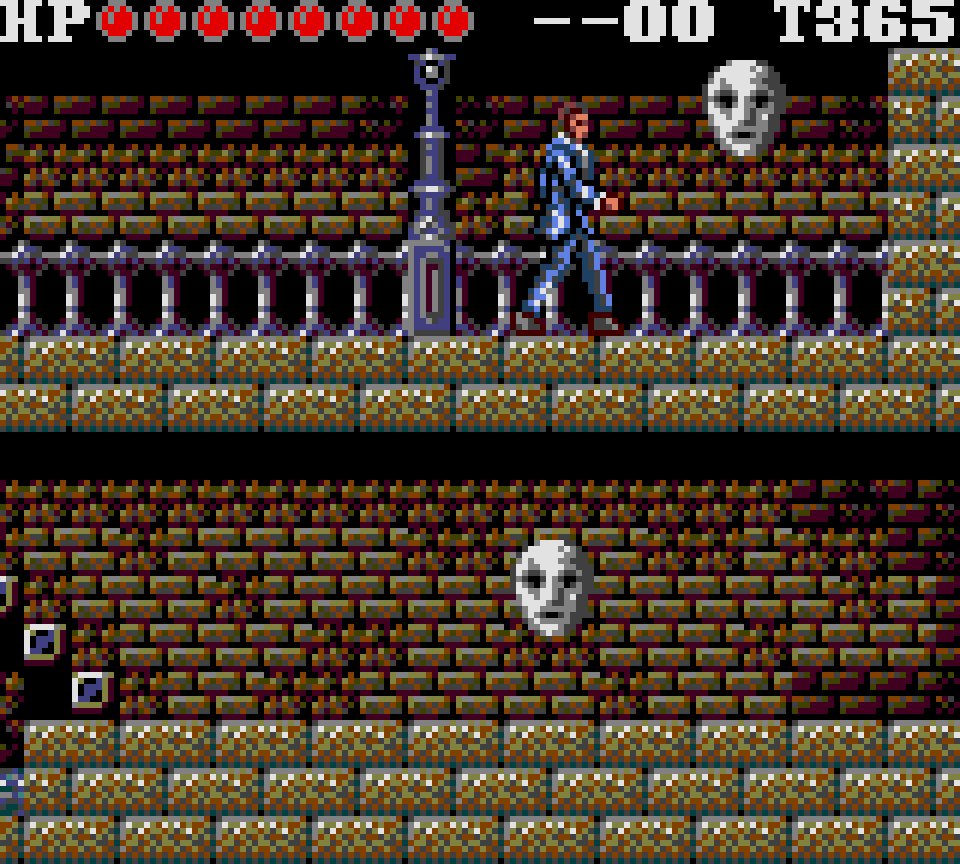
Every Sega fan knows the question — where was our Castlevania? — and Vampire: Master of Darkness is the closest the 8-bit line came to an answer. Dr Ferdinand Social hunts Dracula through a Thames-side London of graveyards, wax museums and clock towers, armed with stakes, daggers and pistols, against skeletons, hellhounds and things in the fog. The inspiration is worn openly and the execution is Sega’s own: atmospheric, tough, beautifully coloured on the handheld, with a gothic confidence that makes it the system’s essential horror platformer. It reviewed well, sold quietly, and has been a word-of-mouth treasure ever since.
The Master System sibling of this game is better known, which is precisely this list’s complaint in miniature: the handheld edition of almost everything on this system was treated as the footnote when it was often the equal. Vampire’s Game Gear version loses a little view and gains its colour, its portability and its afterlife as the version a generation actually finished. Dracula, it turns out, travels well.
6. Halley Wars

Taito’s arcade conversion gives the Game Gear something it never had enough of: a serious vertical shooter with a science-fiction heart. Halley’s Comet is coming, an alien fleet rides with it, and Earth’s defence is you — wave after wave over the comet’s surface, with the lovely structural twist that enemies who slip past your ship damage the Earth itself, so defence is measured in the planet’s survival percentage between stages. It is fast, tough and handsome, and it fills the library’s shooter shelf with a second essential cartridge alongside GG Aleste: one for the connoisseur, one for the high-score chaser.
7. Pengo
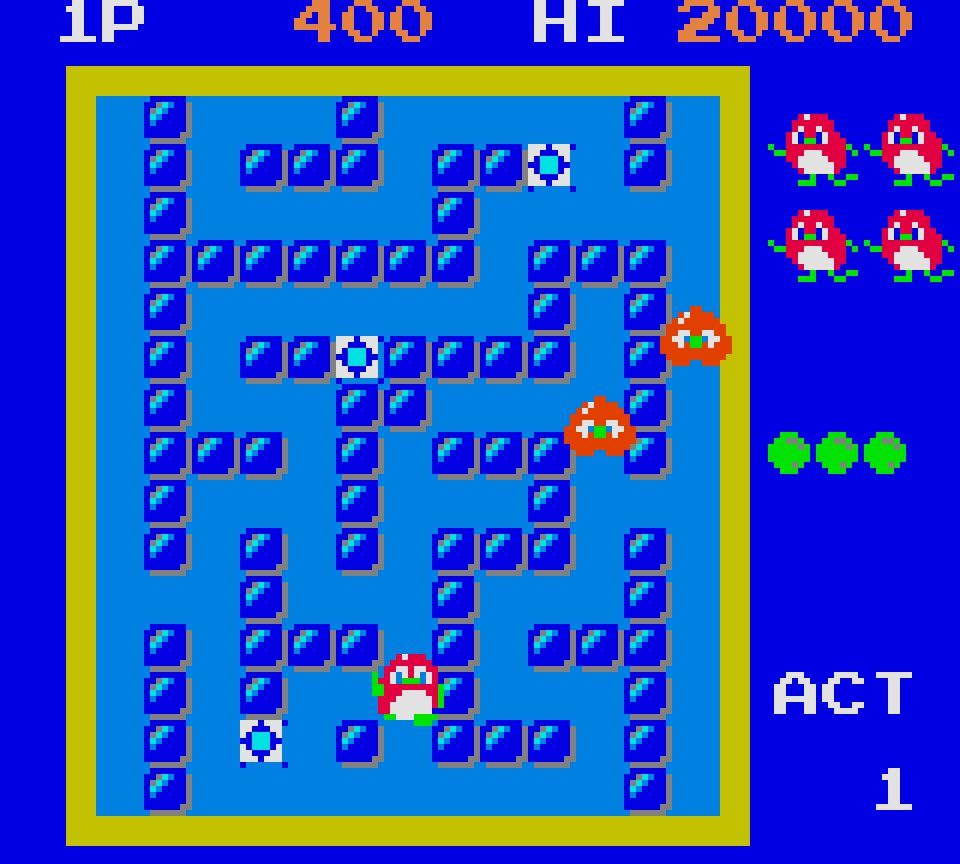
Before Sonic, before Alex Kidd, there was a penguin. Pengo — Sega’s 1982 arcade classic, in which a penguin slides ice blocks to crush the Sno-Bees hunting him — received a late, loving Game Gear edition, and it is the purest arcade pleasure on the system: one screen, one mechanic, infinite mastery. The conversion is faithful to the point of reverence, the ice-block physics feel exactly right, and the short-session structure is handheld gaming in its original, undiluted form. Some games on this list are hidden gems because they were ahead of their time. Pengo is here because it was perfectly of its time, twice.
Its structure is the elegant part: the Earth-damage rule turns a score-attack shooter into a tower defence played at bullet speed, where every leaked enemy is a decision you made three screens ago. Few shooters of any era build their tension from arithmetic; Halley Wars’ ticking survival percentage under the score is a quiet masterpiece of pressure design, and it plays as tensely now as it did at release.
8. Solitaire Poker
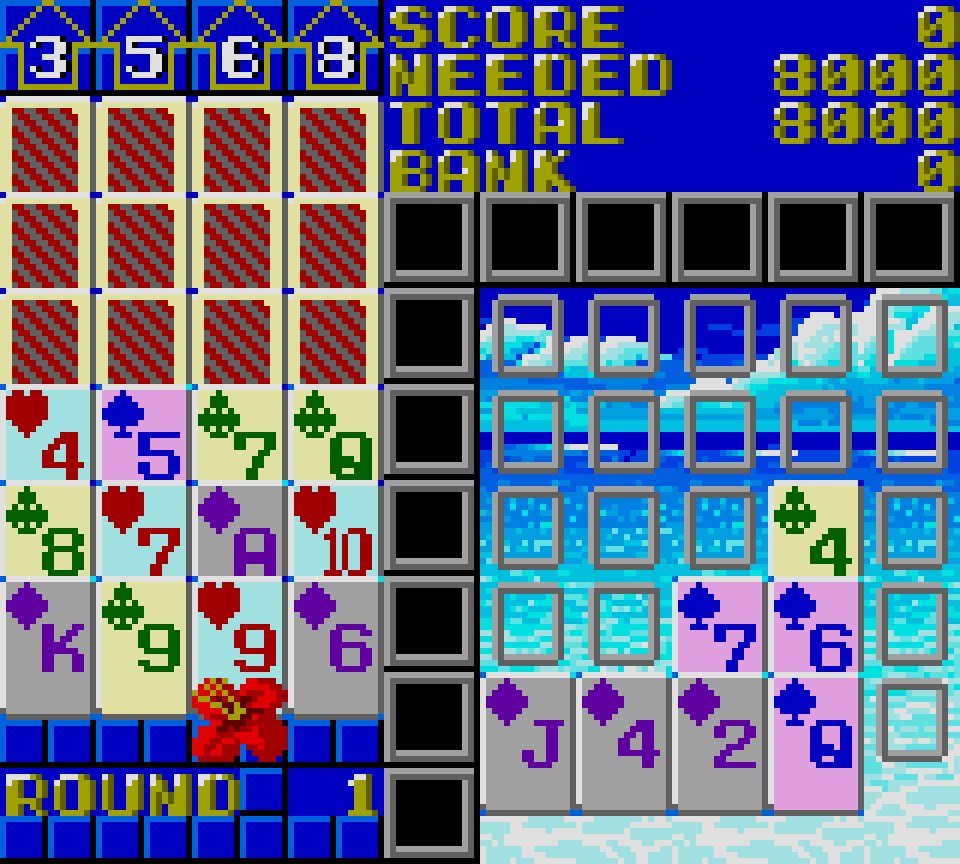
Every great handheld needs a card game for the journeys where an RPG is too much and a platformer too loud, and Solitaire Poker was the Game Gear’s: place cards into a five-by-five grid, score poker hands along the rows and columns, and chase the perfect board against your own last score. It is a simple, devilishly well-judged little system — part patience, part poker maths — presented cleanly and coloured brightly, and it has the true solitaire quality of making “one quick game” a lie you tell yourself for an hour. The system’s quietest cartridge and, per hour played by its devotees, possibly its hardest-working.
For such a small game, its tactics run deep: the diamond tiles that multiply a hand’s value, the joker economy, the discipline of saving a strong row for the card the deck is about to deal you. It is poker reduced to its purest decision — where does this card belong in the life of this grid? — and the Game Gear’s crisp screen and instant restarts make it the version to keep by the bed.
9. Slider
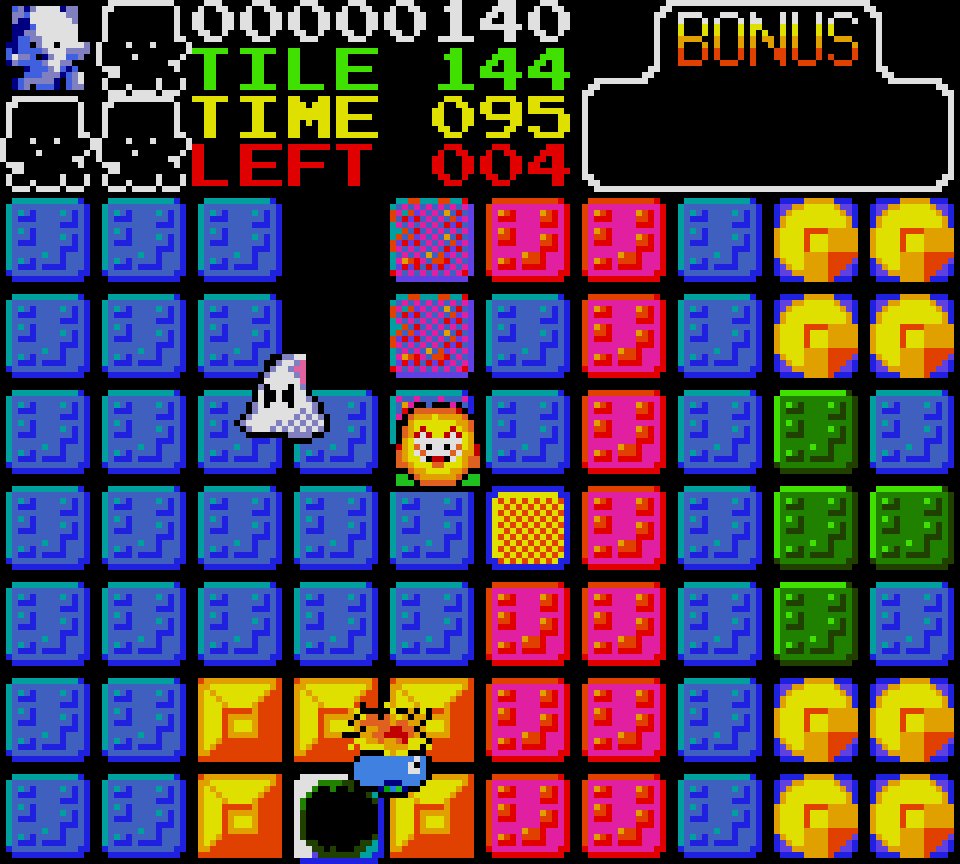
Slider — Skweek, to its French fans, where Loriciel’s design was a home-computer favourite — is an arcade-puzzler of fiendish charm: a small furry hero must paint every tile of each floor by walking on it, while monsters patrol and the floor itself fights back with arrows, ice and one-way traps. Ninety-nine floors of escalating ingenuity, power-ups that change the terms, and a presentation of Gallic brightness that the Game Gear’s screen adores. It is the definition of a hidden gem: no famous name, no licence, nothing but a great mechanic executed with wit for a hundred levels.
Slider’s difficulty architecture is the connoisseur’s delight: the early floors teach the verbs — paint, dodge, use the power-up — the middle floors combine them, and the final third is a genuine examination in route planning under patrol pressure. It belongs to the great European tradition of the puzzle-action game, the tradition of the home-computer bedroom coders, and its presence on a Japanese handheld is a small miracle of licensing. Play it on a long journey. Arrive better at it than you left.
10. Mappy
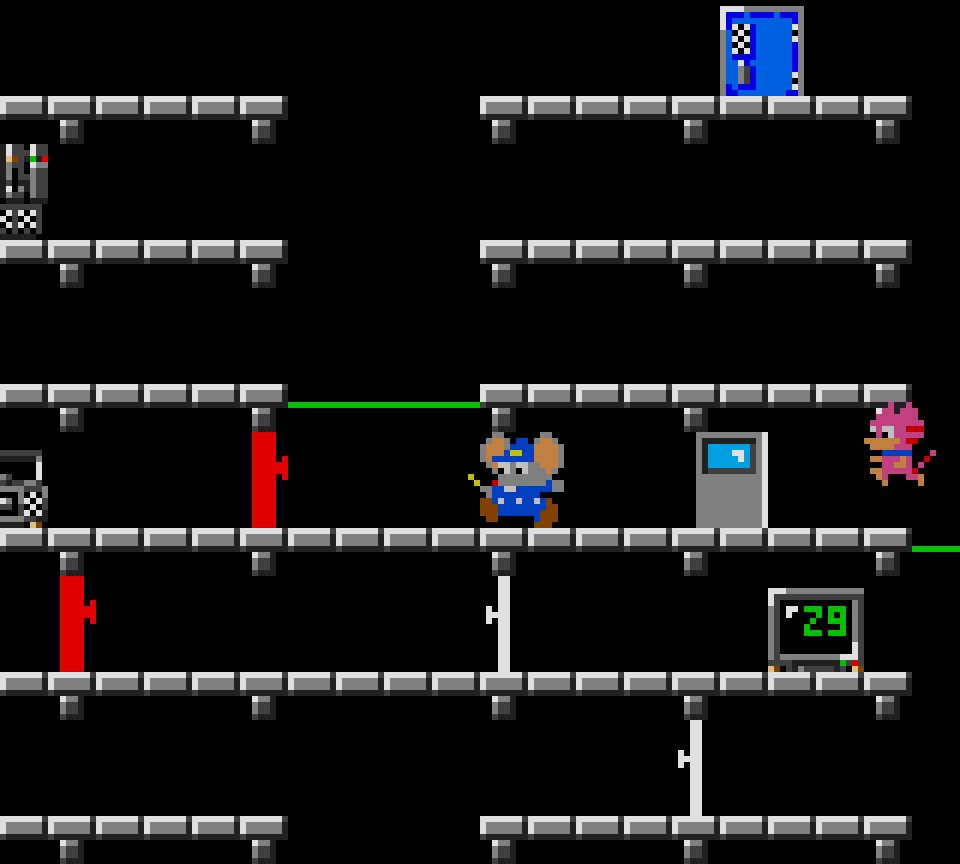
Namco’s 1983 arcade caper — Mappy, the police mouse, recovering stolen loot from a mansion of cats, bouncing on trampolines and slamming doors in feline faces — came to the Game Gear in a Japan-only edition that is simply delightful. The trampoline physics, the risk-and-reward of the microwave doors, the whole cat-and-mouse economy of the arcade original survives intact, coloured sweetly and tuned fairly. Region-free hardware means any Game Gear plays it, and every Game Gear should: it closes this list as it opened it, with a small game of perfect design that the batteries, and history, never gave its due.
That is the other Game Gear: no ports of famous brothers, no mascot obligations — just ten small masterpieces of design, waiting in a library the batteries hid from history. Charge the machine, recap it if it needs it, and go and meet them. They have been patient for thirty years. They can wait one more evening, but there is no reason they should.
One closing buyer’s note for the list as a whole: with the honourable exception of the Japanese-only pair, every game here is common, cheap and region-free in practice as well as in law. The hidden gems of the Game Gear are hidden by history, not by price — which makes this the friendliest treasure hunt in retro gaming.