
Six AA batteries. Three to five hours, if the batteries were fresh, the game was kind and the brightness was merciful. The Game Gear’s power problem is the most famous number in handheld history — the specification that launched a thousand playground arguments and, if the standard history is right, lost Sega the handheld war before it properly started. The truth is more interesting than the legend. The Game Gear’s thirst was not an engineering blunder; it was the itemised price of everything the machine was — its colour, its backlight, its television heritage — and for thirty years owners paid it gladly, in alkalines, by the pallet. Then, in the last decade, the retro community simply fixed it. This is the story of the thirst, and of the fix.
Where the power went
Start with the screen, because the screen is most of the story. The Game Gear’s 3.2-inch display was a backlit colour LCD at a time when backlighting meant a fluorescent tube — a CCFL lamp, with its high-voltage inverter, drawing real current to throw light through a colour panel that absorbed most of it. Add a processor and video hardware derived from a mains-powered console, a speaker amplifier, and the general efficiency of 1990 electronics, and the machine drew roughly what a small television’s worth of circuitry draws: because that, give or take a case, is what it was. Nintendo’s Game Boy, by contrast, was designed from a blank sheet around a feeble, frugal processor and a reflective monochrome screen that needed no light at all. Four AAs, fifteen hours and more. The comparison was never between two handhelds. It was between a television and a calculator, and the batteries kept the score.
Sega knew. The evidence is in the accessories: the official Battery Pack, a belt-clip brick of rechargeable cells that bought you hours at the cost of dignity; the car adapter; the AC adapter that tethered the portable to the wall it was supposed to free you from. Magazine reviews of the era treat battery life as the machine’s original sin, and they were right to — a long car journey could cost a family a fortune in Duracells, and everyone who owned the machine has a story about a screen dimming mid-boss. But notice what the thirst bought: colour that made the rival look like a Soviet appliance, a screen you could play in the dark, and games that were conversions of television titles rather than apologies. Owners did the maths and paid. The machine sold in the millions. The legend that batteries killed it is too simple — the Game Boy won on price, on Tetris, on Nintendo’s whole machine — but the batteries were the tax on everything the Game Gear did better.
The Game Gear did not have a battery problem. It had a television’s appetite in a handheld’s body — and for thirty years, that was the deal. Then the deal changed.
The 2026 fix, in three parts
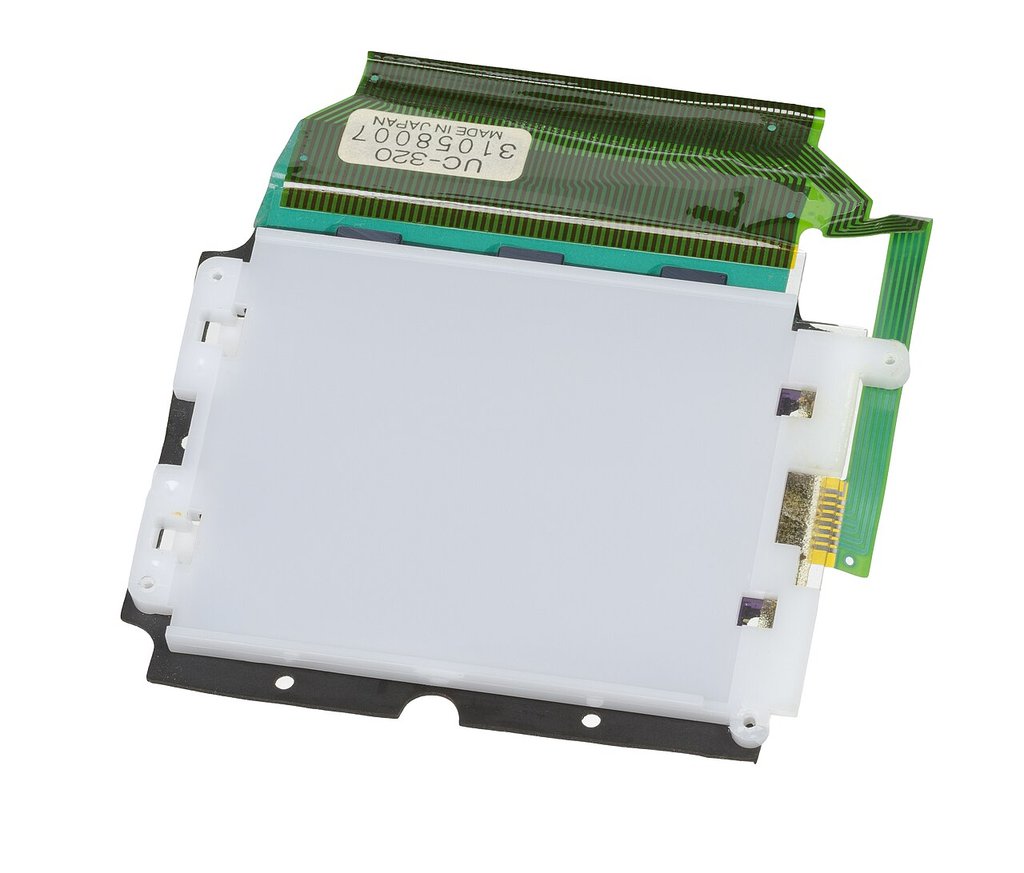
The modern cure arrives as a stack of upgrades, each attacking a different line of the old power budget. First, the screen: modern IPS replacement kits — the McWill mod pioneered the category, with kits from BennVenn and others refining it — replace the CCFL-backlit panel with an LED-lit modern display that is brighter, sharper and dramatically less thirsty, while drawing a fraction of the current and deleting the high-voltage inverter entirely. Second, the power supply itself: replacement power boards and USB-C battery mods swap the ageing original circuitry for efficient modern regulation and rechargeable lithium cells that charge like a phone. Third, the quiet one: a full capacitor replacement, which every surviving Game Gear needs anyway, restores the power rails to spec and stops a tired machine from wasting what it drinks.

The cumulative effect is transformative in the most literal sense: an IPS-screened, lithium-powered, recapped Game Gear in 2026 plays for the length of a long flight and charges from the same cable as everything else you own, while looking better than it ever did through its original panel’s ghosting and washed contrast. The purists’ debate — is a modded machine still a Game Gear? — is real but honourable, and the market has voted: unmodified machines are for the shelf and the photograph; modded machines are for playing. The accessory makers of 1991, with their belt-clip battery bricks, were solving the same problem with the technology they had. The community of 2026 simply has better technology, and the humility to keep the old machines alive with it.

The playground economy
Ask anyone who owned the machine new and the battery story comes with an economy attached: the rechargeable cells bought with pocket money and found wanting, the bulk packs begged from parents, the strategic dimming of the brightness — there was no brightness dial worth the name, but the ritual of economising was real — and the household negotiations over the AC adapter’s occupation of the television’s socket. The Game Gear taught its owners energy management the way the Game Boy taught its owners nothing at all, and that friction is part of its legend now: the machine made its players complicit in its spectacle. Every hour of colour in the dark had been budgeted for, and felt earned.
The numbers, stated fairly one last time: six AA cells, roughly three to five hours in period tests depending on the cells and the game, against the Game Boy’s four cells and a working day of play. No honest feature should soften that gap — it was the machine’s defining compromise, and Sega’s own accessory range, from battery pack to car adapter, was a standing confession. But compromises are prices, and the question history asks is what the price bought. It bought the future’s display, five years early. The receipts are in every handheld you have owned since.
What the thirst taught the industry
Every handheld since has negotiated the same treaty the Game Gear refused to sign: performance against endurance, spectacle against the battery gauge. The Game Boy’s dynasty was built on frugality; the colour challengers — Lynx, Game Gear, TurboExpress — all drank deep and all stayed niche; and it took two decades of battery and display progress before the industry could ship machines, from the Switch on down, that do colour and brightness and still last the journey. The Game Gear was not wrong. It was early — a machine from the future of handhelds, running on the batteries of the past. In 2026, with the future’s batteries finally fitted, it plays exactly as long as it always deserved to.
So the Game Gear power problem ends, as few famous flaws do, with a happy technical ending: the machine outlived its batteries. What was a three-hour tether in 1991 is a full day’s freedom in 2026, achieved not by redesigning the Game Gear but by finally giving it the supporting technology it always assumed. The legend said the thirst killed it. The truth is that the thirst merely waited it out — and the games, patient as cartridges are, were still there when the fix arrived.
Fit the modern cells, then, and settle the old argument the empirical way: the Game Gear, powered as it always should have been, is not a museum piece with an appetite. It is a handheld whose time, at last, has come around again.