The GameCube’s canon writes itself — Mario, Zelda, Metroid, Smash, Resident Evil 4 — but the console’s second shelf is where collecting gets interesting, where the experiments live, and where a curious player in 2026 can still be genuinely surprised by a twenty-year-old machine. These are ten real GameCube releases that the best-seller lists forgot: odd, ambitious, sometimes flawed, always worth your time. None duplicates a standalone review elsewhere on this site; every one is a genuine GameCube game you can hold in your hands. Prices are deliberately not quoted — the market moves — but each entry tells you honestly how hard the hunt is.
1. Chibi-Robo!

Skip’s tiny robot saga is the GameCube’s most tender game. You are a four-inch household robot bought as a birthday present for a family quietly falling apart, and your tools are a toothbrush, a mug and an electrical plug for a tail you must keep recharging. By day you clean, tidy and solve the troubles of toys who come alive at night; underneath the cosiness runs a story about divorce, debt and reconciliation told with a restraint most “serious” games never manage. It sold poorly, its sequels drifted to handhelds, and the GameCube original remains the fullest version of a one-of-a-kind idea. If you play one game on this list, make it this one.
2. Cubivore: Survival of the Fittest

Atlus localised this bizarre Nintendo-published survival game in which everything — predator, prey, landscape’s inhabitants — is made of cubes. You are a beast in a wilderness whose king has hoarded the world’s “raw meat,” and your path to power is literal evolution: hunt creatures, tear off their coloured limbs, and mutate your own body plan across generations toward a showdown with the Killer Cubivore. The combat is simple and the visuals are deliberately primitive, but as a playable essay on natural selection it has no equivalent on any console. It is also, be warned, one of the rarest North American GameCube releases — the hunt is part of the legend.
3. Doshin the Giant

A god game in slippers. Doshin is a placid yellow giant who rises from the sea each day to tend an island of villagers, raising and lowering the land with his hands to grow trees, unite tribes and earn monuments of love — or, by stomping, of hate. Developed by Param from an Nintendo 64DD original and expanded for GameCube, it reached GameCube only in Japan and Europe, never in North America, which is why so many US collectors have never played it. Slow, strange and quietly philosophical about power, it is the most relaxing act of godhood on the system, and a PAL copy is the friendliest way in.
4. Baten Kaitos: Eternal Wings and the Lost Ocean
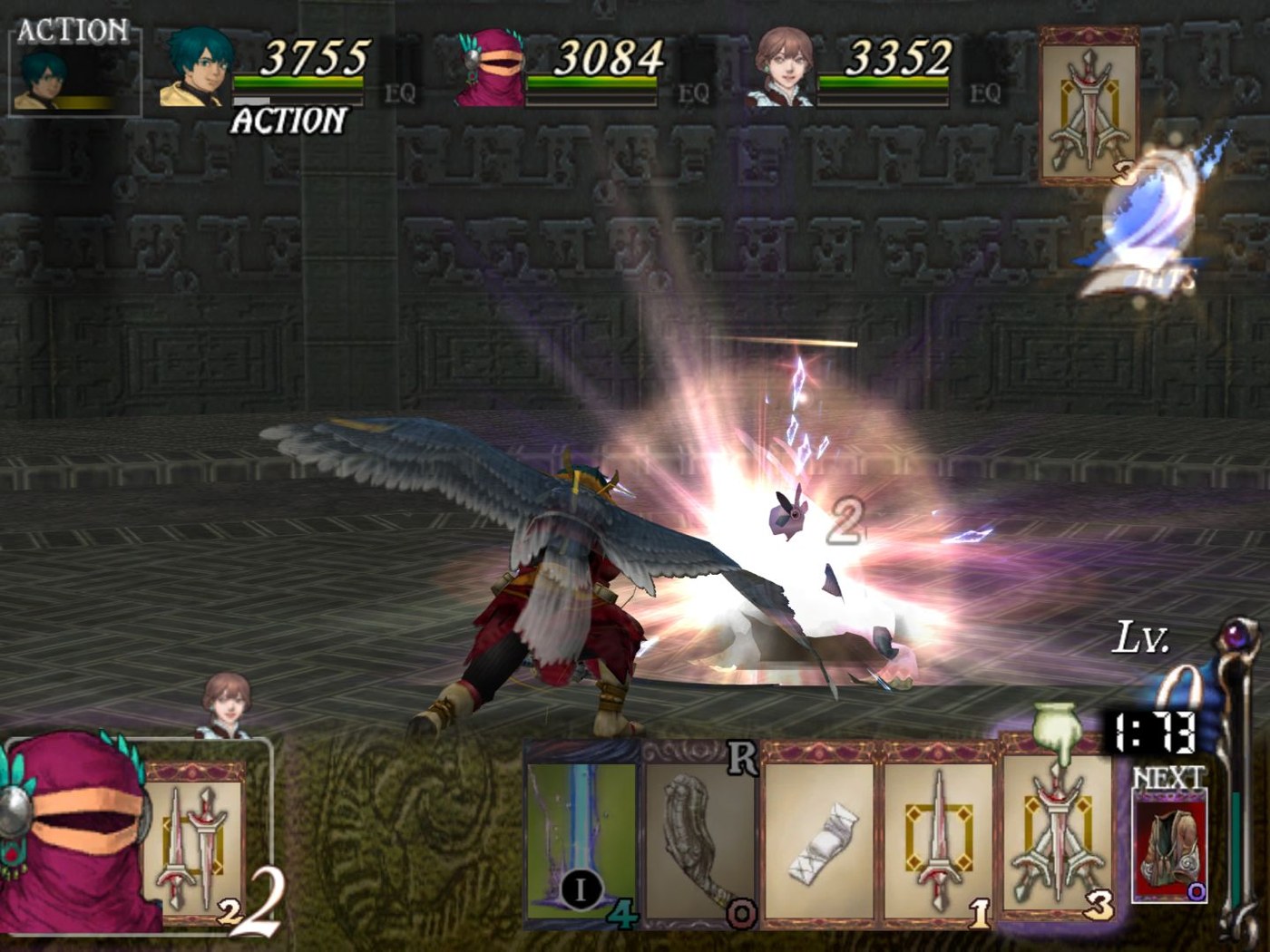
Monolith Soft and tri-Crescendo built this RPG in a world of floating islands above a poisoned earth, where everything — swords, spells, food, firewood — exists as Magnus cards, and battles are real-time card plays timed to a ticking clock. The pre-rendered backdrops are among the most beautiful on the console, Motoi Sakuraba’s score soars, and the mid-game reversal is one of the great JRPG plot turns of its generation. One honest warning: the English voice acting is famously echoey, recorded as if inside the cards themselves; many players switch it off and lose nothing. A remaster exists, but the GameCube original’s two discs remain a gorgeous way in.
5. Killer7
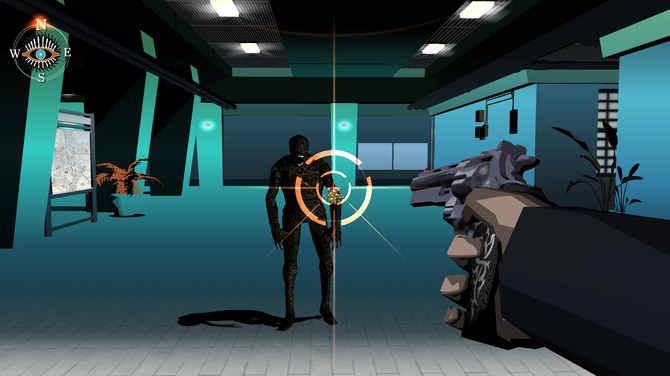
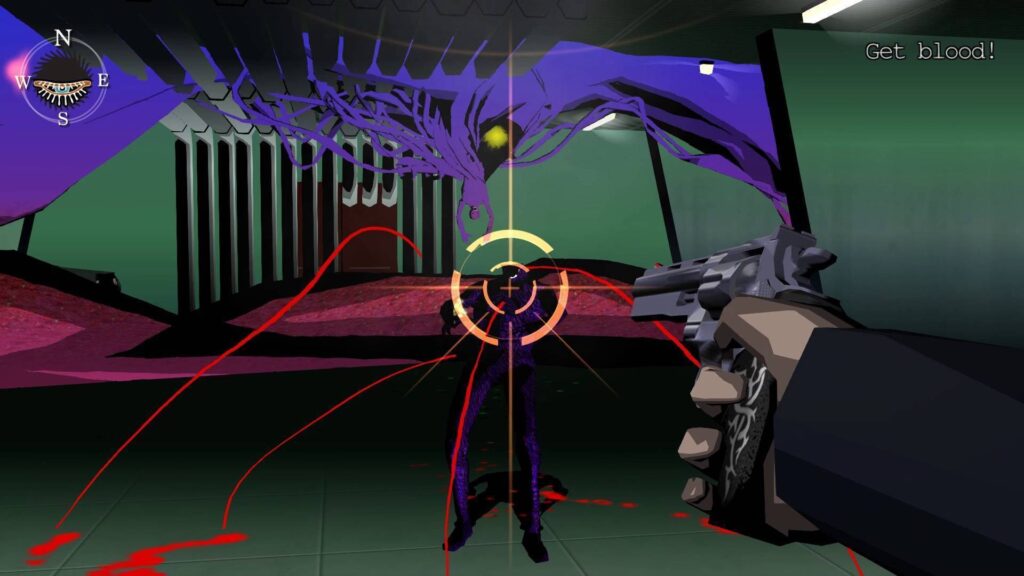
Goichi Suda’s fever dream was the wildest of Capcom’s five GameCube pledges: a rail-guided, cel-shaded action-adventure about a wheelchair-using assassin whose seven personalities — each with their own weapon, voice and ability — hunt the laughing Heaven Smile terrorists through a conspiracy of governments, cults and the divine. Movement is on rails; aiming is first-person; the plot is a political horror collage that players are still annotating twenty years later. It baffled reviewers in 2005 and now reads as a landmark of games-as-authorship. The GameCube version, the lead platform, is the one to own.
6. Ikaruga
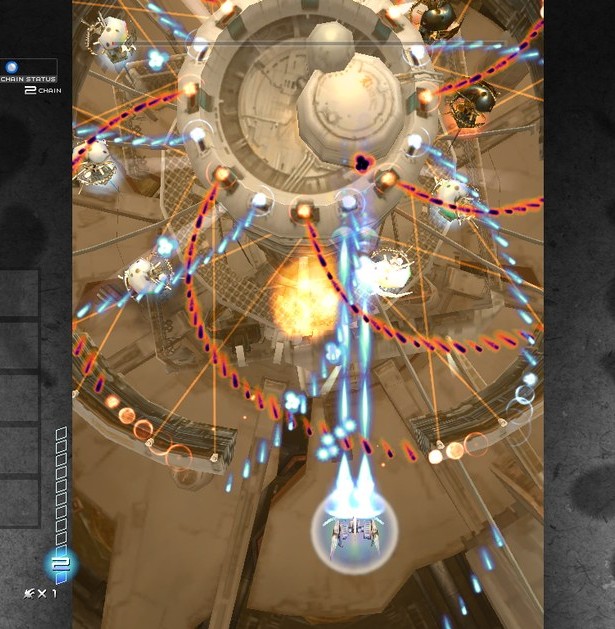
Treasure’s polarity masterpiece began in arcades and on Dreamcast in Japan; the GameCube port was the version most Western players could actually buy, and it is a superb one. Your ship flips between black and white polarity: absorb bullets of your own colour to charge your laser, die instantly to the opposite. Five stages of geometric bullet choreography, a two-player mode, and practice options that were generous for 2003 make it the definitive shmup on the console. Brutally hard, endlessly replayable, and short enough to respect your evening — the perfect GameCube disc for score-attack sessions.
7. Gotcha Force
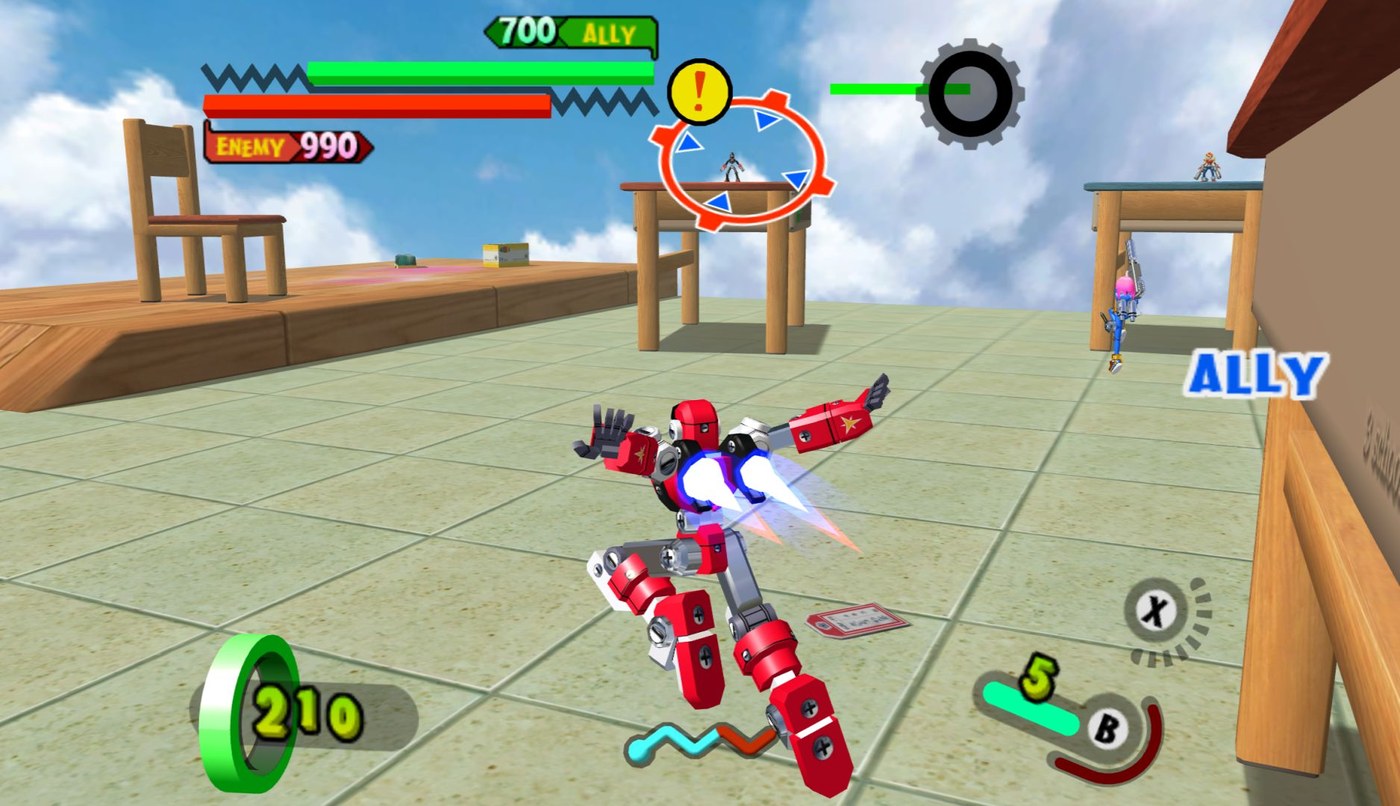
Capcom’s arena battler imagines a war of tiny toy robots — borgs — fought across a child’s neighbourhood, and hides a genuinely deep team-building game inside it: more than two hundred collectible borgs, from ninjas and angels to tanks and UFOs, each with energy costs that force real squad arithmetic before every battle. The story mode is breezy, the versus mode supports four players, and the whole thing plays like a lost Saturday-morning cartoon with a strategist’s heart. It underperformed on release and developed a devoted following the slow way: by being passed hand to hand. A GameCube party staple hiding in plain sight.
8. Custom Robo
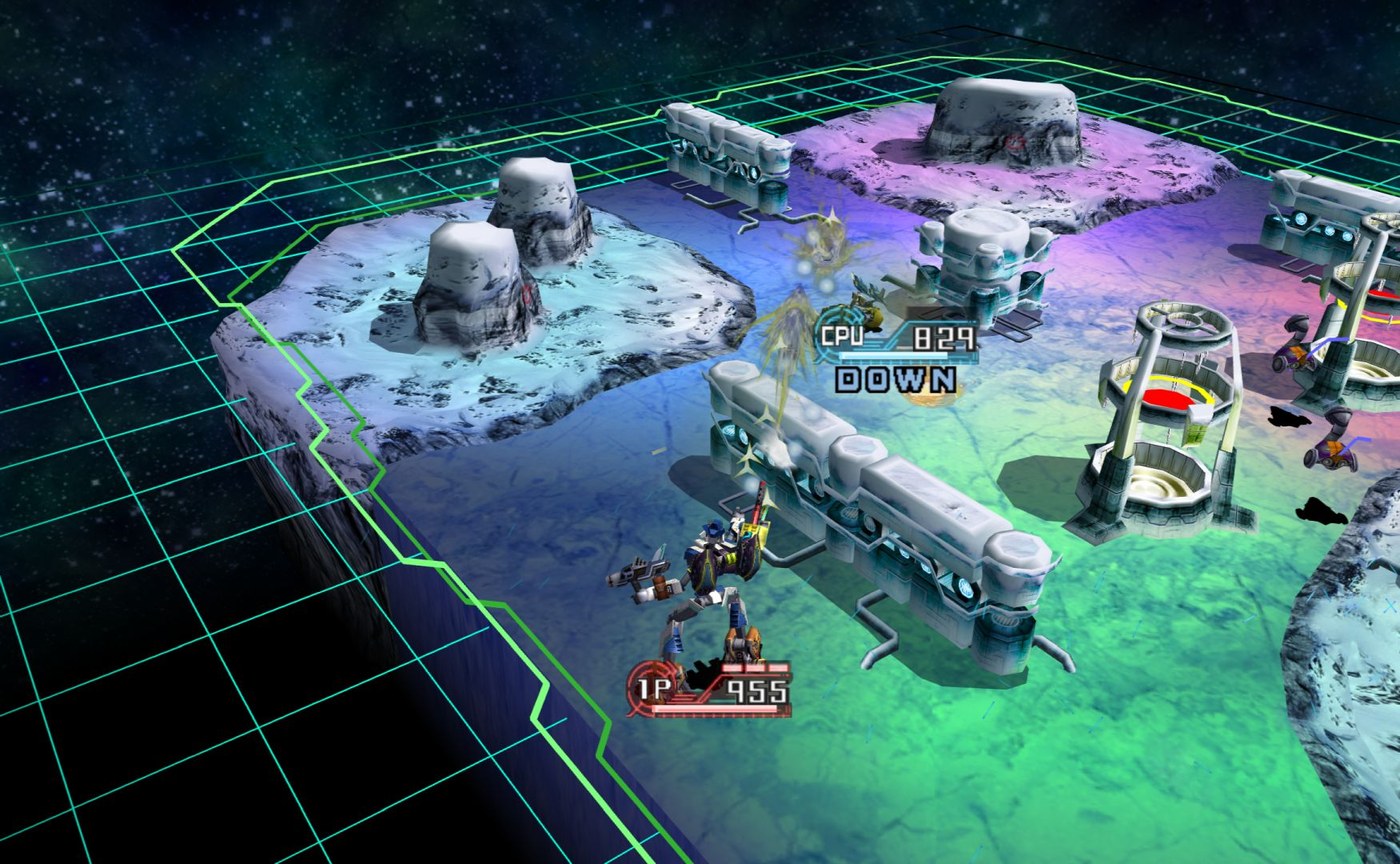
The first Custom Robo to reach the West (full Japanese title: Custom Robo: Battle Revolution) is NOISE’s toy-battle RPG: dive mentally into a palm-sized robot, fight real-time arena duels in first-person-flavoured third person, and rebuild your machine from hundreds of bodies, guns, bombs, pods and legs between matches. The GameCube story mode wraps the duels in a surprisingly earnest detective plot about memory and identity, and the four-player versus with fully personalised builds is superb. If Virtual-On and Pokémon ever shared a workbench, this is what they’d have built.
9. Beach Spikers

Sega-AM2’s arcade volleyball game is the GameCube’s most underrated multiplayer disc. Two-on-two beach volleyball with the arcade team’s signature feel — simple controls, deep timing, serves and spikes that turn on positioning and nerve — plus a World Tour mode where you build a partner’s skills and morale across a season, and a character creator that invites glorious silliness. It looks like a summer trifle and plays like a fighting game in swimwear: mind games at the net, feints, and rallies that silence a room. For four-player GameCube nights that have exhausted Smash and Mario Kart, this is the disc to reach for.
10. P.N.03
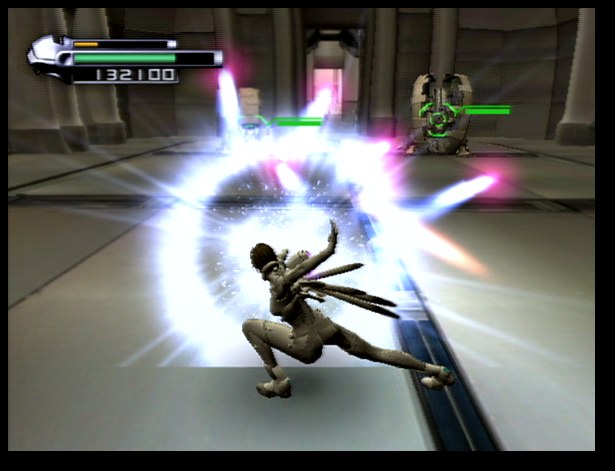
The most divisive of the Capcom Five: Shinji Mikami’s P.N.03 stars Vanessa Z. Schneider, a mercenary who cannot stop dancing — every dodge, shot and combo is choreography — fighting robots through sterile white corridors to a pounding electronic score. Its controls were criticised on release, fairly in part: Vanessa cannot move and shoot at once, and the game is short and repetitive by design. But its rhythm-action-shooter fusion, its commitment to style as substance, and its direct line to what Mikami would perfect in Resident Evil 4 make it essential GameCube archaeology. Play it as a score-attack dance, not a shooter, and it clicks.
How to hunt these games without losing your mind
A word of practical collecting advice, because hidden gems attract hidden-gem pricing. First, condition and completeness move GameCube values more than almost any other system’s: the console’s small discs came in cases with notoriously losable manuals and health-and-safety booklets, and a “complete” copy of Cubivore or Gotcha Force is a different purchase from a loose disc, so read listings literally and ask for photographs of the actual item, its disc surface and its case spine. Second, test discs on arrival if you can — GameCube discs are hardy, but resurfacing can mask deeper damage, and a disc that boots is not always a disc that plays to the credits. Third, consider regions honestly: Doshin the Giant’s GameCube release is a PAL and Japanese affair, Baten Kaitos and Chibi-Robo are far kinder to North American hunters, and a Japanese copy of a text-light action game like Ikaruga or P.N.03 can be the smart way into an expensive shelf — provided your hardware can play it, which our GameCube Buying Guide in this same wave covers in detail. Fourth, be patient. Every game on this list surfaces at sane money eventually, in a bundle, a job lot or a mislabelled listing; the collectors who enjoy this console longest are the ones who treat the hunt as part of the hobby rather than a toll. Finally, play them when they arrive. A hidden gem on a shelf is just a gem; a hidden gem in the disc tray, discovered properly, is why this list exists.
Why the GameCube grew gems like these
There is a reason this console, of all consoles, supports a list like this. The GameCube was the last Nintendo system built as a pure games machine in direct, even terms competition with its rivals, and publishers green-lit strange things for it: Capcom bet five exclusives including a dancing shooter and Suda51’s strangest work; Nintendo itself published a god game about a yellow giant, a robot game about a failing marriage, and let Monolith Soft build a card RPG in the sky. Third place in a console war, it turns out, is a wonderful place for creativity — expectations loosen, budgets stay real, and odd ideas that would die in a market leader’s boardroom get discs pressed. The ten games above are the proof, and the shelf runs deeper still.
Honourable mentions
The shelf runs deeper: Geist, Nintendo’s own FPS about possessing the living; Donkey Kong Jungle Beat, a platformer played on bongo drums that is somehow a masterpiece; Odama, a pinball-strategy hybrid commanded by voice; and Metal Gear Solid: The Twin Snakes, Silicon Knights’ lavish remake, excluded here only because its fame disqualifies it as “hidden.” The GameCube rewarded the curious like few consoles before or since — happy hunting.
Rank them how you like — Chibi-Robo’s tenderness against Killer7’s madness, Ikaruga’s purity against Baten Kaitos’ beauty — but notice what the argument itself admits: a console whose second ten games can sustain this much debate was never the failure of its generation. It was the generation’s best-kept secret, and the secret has been getting out, one rescued disc at a time, ever since.
Disagree with the order, dispute the omissions, champion your own candidate in the comments — that argument is the hobby working as intended, and this list is offered in exactly that spirit.
One closing thought, because lists like this are really arguments: the GameCube’s reputation has travelled from “the purple lunchbox that lost” to “the connoisseur’s Nintendo” in twenty years, and it is these ten games — not the masterpieces everyone already owns — that explain why. The canon proves a console was great. The hidden gems prove it was interesting. On the evidence above, the GameCube was very interesting indeed, and most of its strangest treasures are still sitting in the wild, waiting for the next hunter to know their names.