
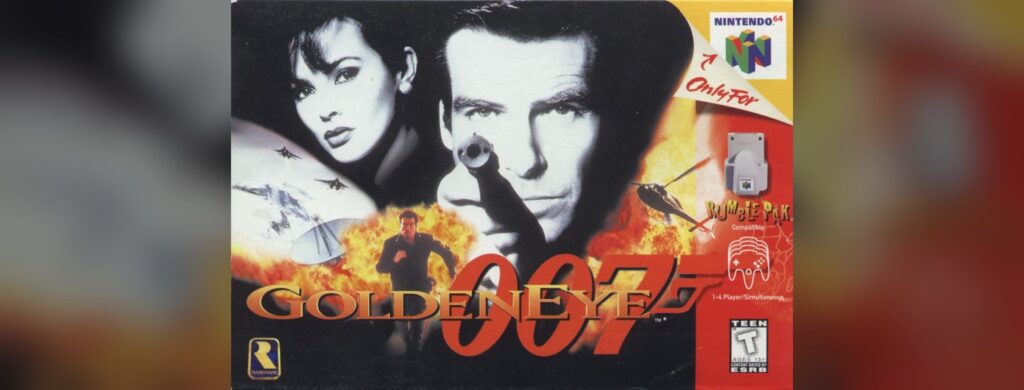
At a glance — Game: GoldenEye 007 · Launch: Version 3 — November 2026 · Platforms: Web browser, Windows, Linux · Price: Free — your own GoldenEye 007 ROM required · Players: Up to 32 online
The most fought-over couch in gaming just moved into a browser tab. GE32, a fan-made rebuild of GoldenEye 007, now runs at play.ge32.net — no install, no emulator to configure, nothing to download except your own memories. You bring a ROM of the 1997 Nintendo 64 original, the page does the rest, and the split-screen shooter that once maxed out at four players around one television now puts up to 32 of them online at once. Version 3 arrived on November 9 and finished the job: the whole 20-mission campaign is playable as online co-op. One clarification before the nostalgia takes the wheel — this is not an emulator wearing a trench coat. It is the game’s own code, rebuilt.
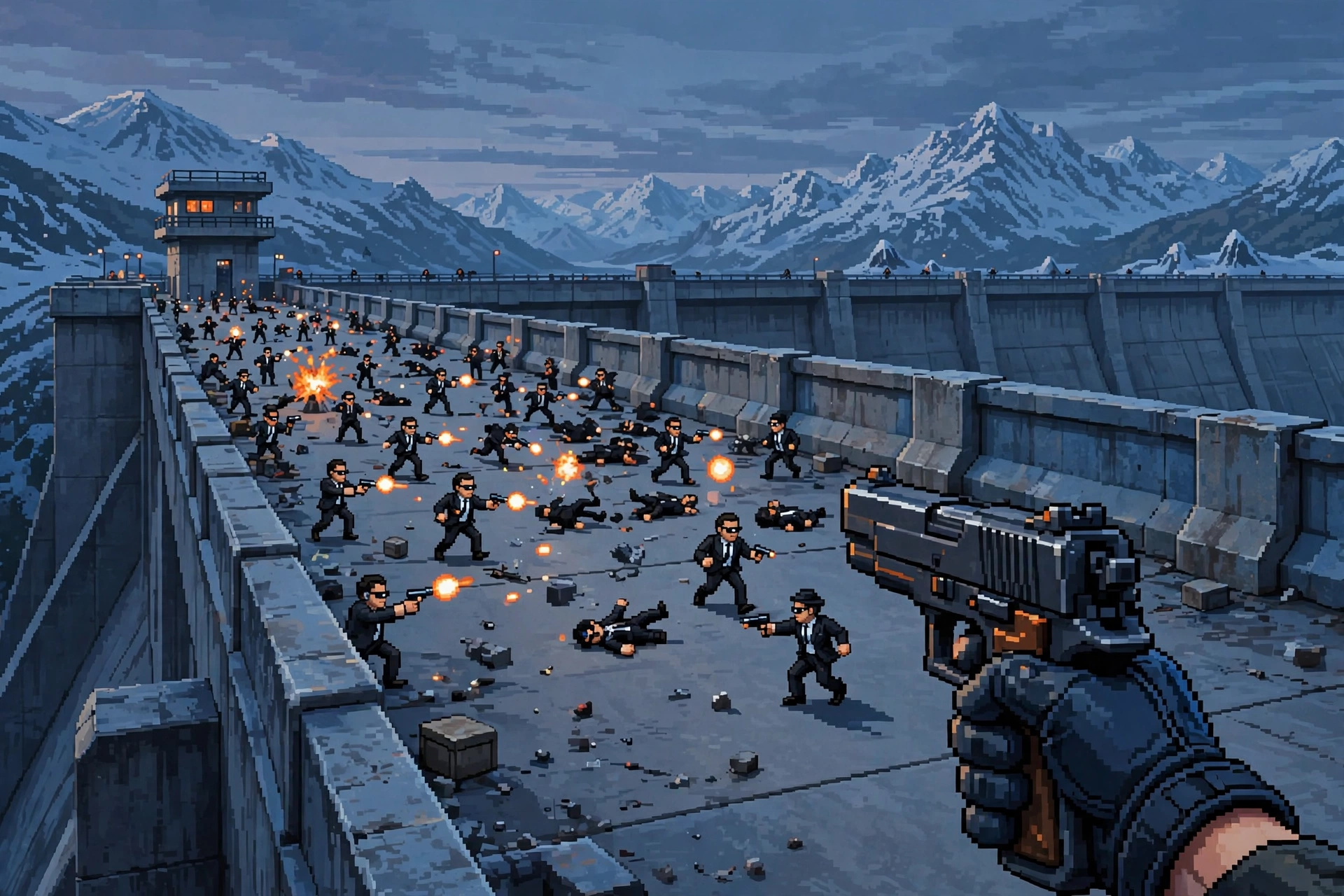
A GoldenEye 007 browser port built from the game’s own code
The road here runs through one of the retro scene’s quiet miracles. A few years ago, fans completed a full decompilation of GoldenEye 007 — the original code reverse-engineered back into a form modern machines can build from. Developer James Dansereau turned that work into one of the first native PC ports of the game. GE32 — a mod credited to ExcellentSprinkles50 and promoted by creator Adam Bari, who posts as PopNoodler — forks Dansereau’s port and asks the obvious question nobody at a publisher was ever going to fund: what happens to GoldenEye’s multiplayer when there is no couch, and therefore no couch limit?
The browser version is the PC port compiled to WebAssembly, the technology that lets near-native code run inside a web page. The plumbing is refreshingly honest about itself. The site’s own legal notice lists the parts — SDL 2 for the game window, and Pyodide, a Python interpreter running in your browser, whose entire job is converting your ROM into the form the port needs. Nothing about the game ships with the page. In the notice’s own words: “The game itself is not included: it is converted from your own ROM, in your browser.” And the site’s front page says the quiet part just as plainly:
“Your ROM stays on this computer: it is converted and kept in this browser, never uploaded.”
That single design decision is the whole ballgame. The port supplies code — original work, MIT-licensed per the notice — and you supply the game, from a cartridge you own. Close the tab and the arrangement dissolves with it.
Thirty-two players where four used to fit
Context, for anyone who arrived after the split-screen era: GoldenEye’s multiplayer was four players, one television, four increasingly suspicious friends, and a universal house rule that picking Oddjob — short, hard to hit, banned by acclamation — ended friendships. GE32 takes that format and removes the ceiling. The mode list reads like a modern shooter’s: free-for-all, team deathmatch, search and destroy, gun game, capture the flag, License to Kill for the one-hit purists, DK Mode, paintball, and Oddjob Hats, which sounds like the house rule finally getting its revenge.
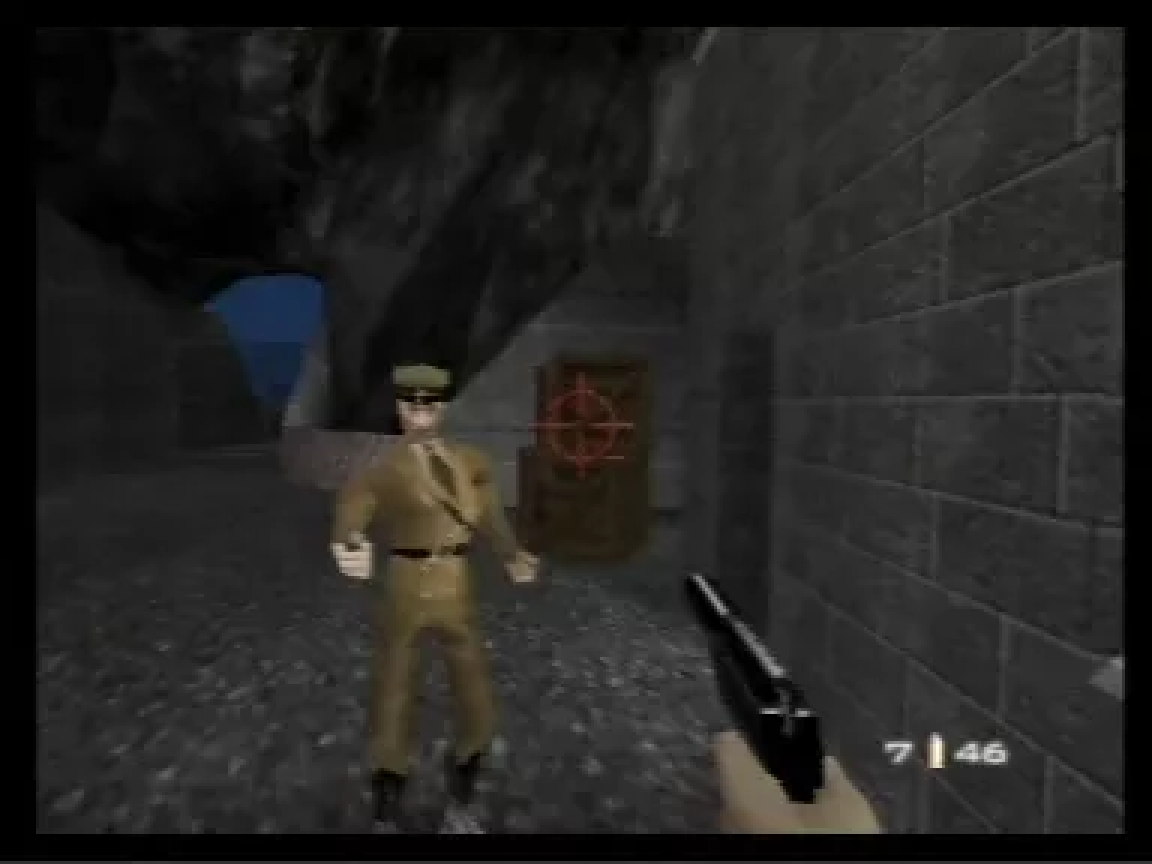
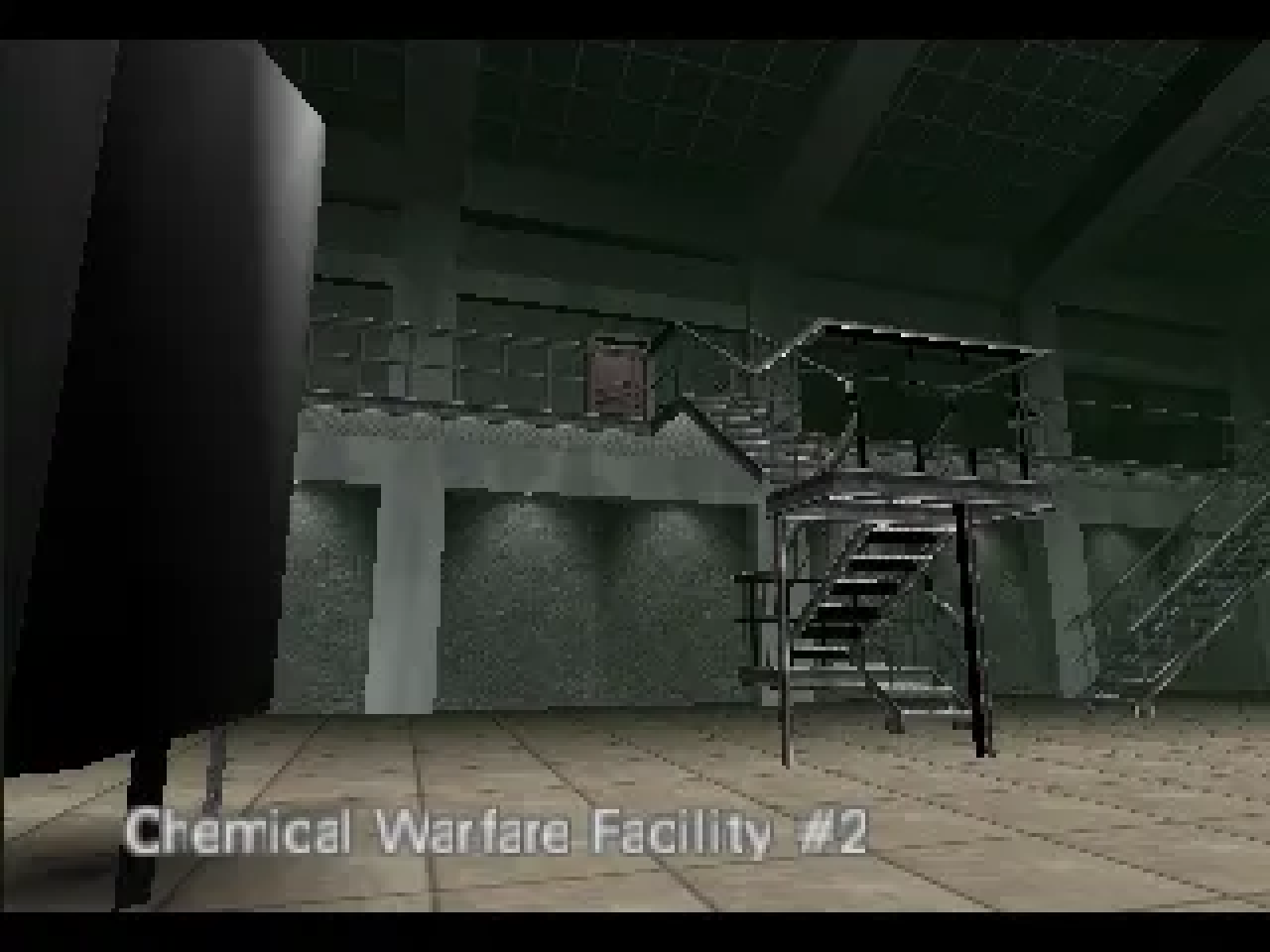
The arenas mix the original multiplayer maps with single-player levels converted for the purpose — Dam, Surface, Runway, Cradle, Statue Park, Streets, Depot and Jungle all become battlegrounds. Empty slots are filled by bots at three skill levels, which brings us to the honest paragraph. Thirty-two is a ceiling, not a census. The creator’s own Version 3 showcase footage was filmed with 31 bots and a custom flying camera, and most lobbies you join in these early weeks will look much the same: some humans, many bots, total chaos regardless. Thirty-two people who all own a legally dumped GoldenEye cartridge remain a rarer spawn than the Golden Gun. The point is that the room exists at all.
One more feature deserves its sentence, because it understands the assignment completely: GE32’s second update added custom face imports, letting players photograph their own face and map it onto a character’s head — a direct descendant of the playground legend that you could play as the developers, whose faces really were in the original game. In 1997 you put your friends on the couch. In 2026 you put their actual faces in the Facility and then shoot them in it. Progress.
Version 3 turns the whole campaign into a co-op run
Deathmatch chaos would have been enough of a headline, but Version 3 — released November 9 — is the update that makes GE32 a complete piece of work. The full single-player campaign, all 20 missions from Dam to Cradle, is now playable as online co-op for up to 32 players, and the mission design pushes back: enemy counts scale with the number of players and bots in the session, so a full lobby storming the Facility gets a proportionally fuller Facility. The creator describes Version 3 as the project’s final major update, with maintenance fixes only from here — the work, in other words, is declared done.
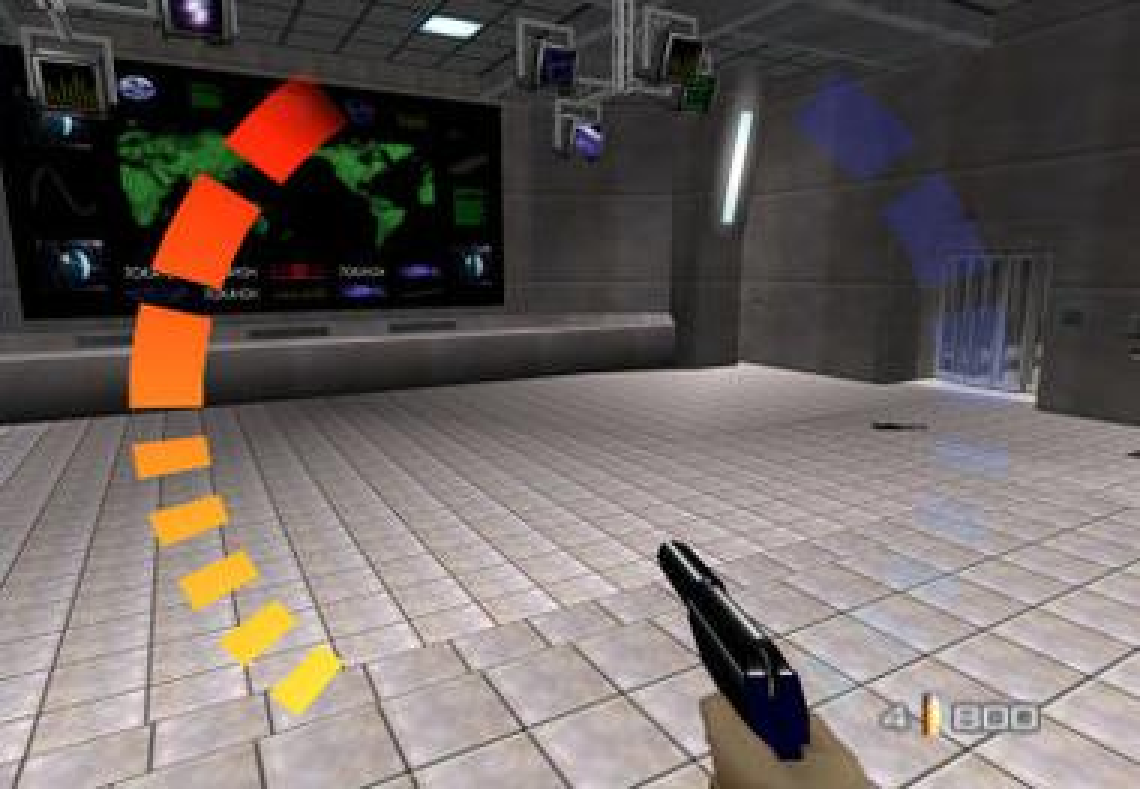
The timeline is worth a breath, because it shows how fast this corner of the scene now moves. GE32 launched first as a desktop build for Windows and Linux in mid-October — run the executable beside your dumped ROM and play. The browser version followed within weeks, live by late October, and the creator notes it runs on phones too. In under a month, a decompilation project became a port, the port became a 32-player online game, and the game became a web page. No publisher, no storefront, no asking permission from a release calendar.
Bring your own cartridge — that is the whole deal
The practicalities are short. The browser build wants the US version of the game as a .z64, .v64 or .n64 file (a .zip works too); the desktop build wants its executable parked in the same folder as your ROM. There is no version of this where the game is provided for you, and that is deliberate. GE32 is an unofficial fan project standing on stacked rights — Rare and Microsoft own the game, Nintendo published it, and James Bond answers to EON — so nobody should mistake it for an endorsed product, and like every fan work it lives exactly as long as the rights holders let it. But the bring-your-own-ROM shape is the most defensible one a project like this can take, and it is the same shape Play the Classics readers will recognize: the code is the contribution; the game stays yours.
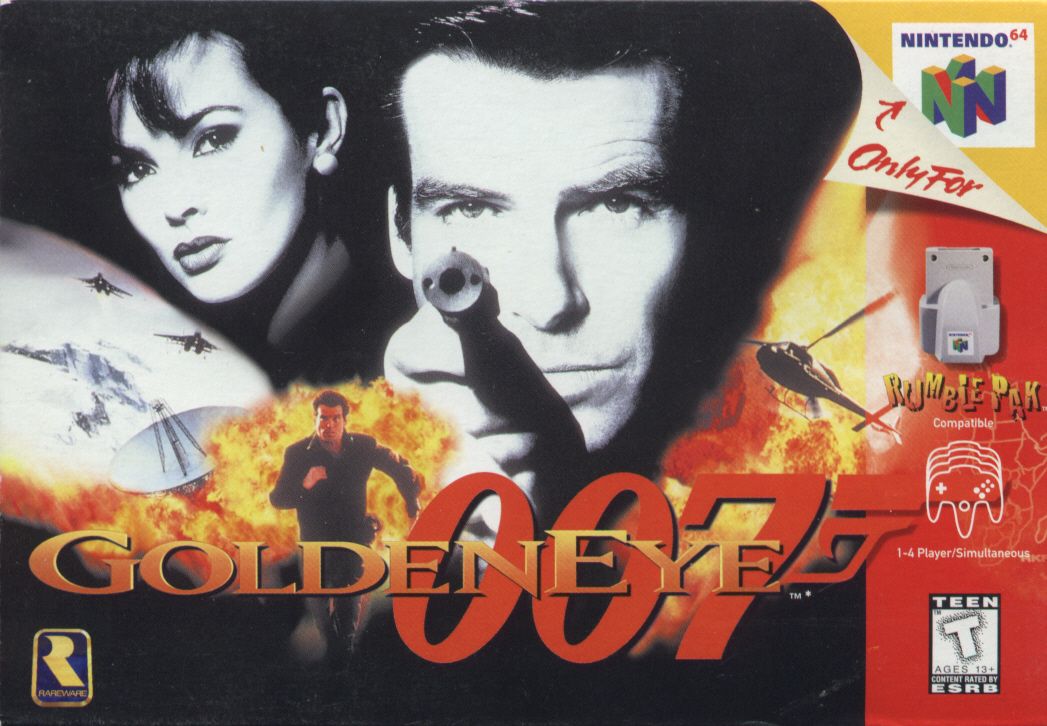
We wrote about the original’s long split-screen reign — and its recent farewell tour on Game Pass — in our Vault piece on GoldenEye 007, the Split-Screen King. Twenty-nine years after four players crowded around one television, the same game now asks for a browser tab and as many friends as the internet can round up. Somewhere, a kid who was banned from picking Oddjob in 1997 is about to log on. The house rules are going to need revisiting.
— June
For more launches from this date, see This Day in Gaming History: August 25.