At a glance: Kinect · Xbox 360 · Microsoft, 2010–2017 · The rise and fall of the controller-free future
In November 2010, Microsoft sold eight million cameras in sixty days — a Guinness World Record for a consumer electronics device — on a single promise: “You are the controller.” Kinect, the depth-sensing camera bar that let the Xbox 360 watch your body and turn it into input, was for about eighteen months the future of the entire industry. Within seven years it was discontinued, unbundled, adapted into obscurity and written out of Xbox’s story. This is the arc of the fastest rise and fall in console history — and of the strange, interesting technology left behind when the hype evaporated.
Natal, and the promise
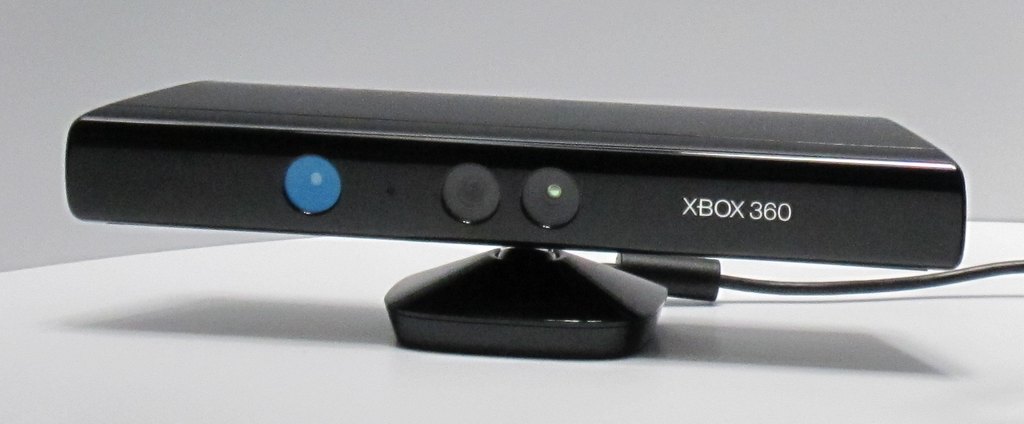
Kinect was unveiled at E3 2009 as Project Natal, and the demo that defined it — Peter Molyneux’s Milo, a virtual boy who recognised your voice, your face and a drawing you held up to the camera — promised not a new controller but the end of controllers: games and entertainment operated by gesture, voice and presence. The actual technology, licensed in part from Israeli firm PrimeSense, was genuinely remarkable for a consumer-priced device: an infrared depth camera building a real-time 3D map of your living room, skeletal tracking of up to two full bodies, a microphone array that could locate voices in a noisy room. Scientists noticed before gamers did, but gamers bought first.
The eighteen months when it worked
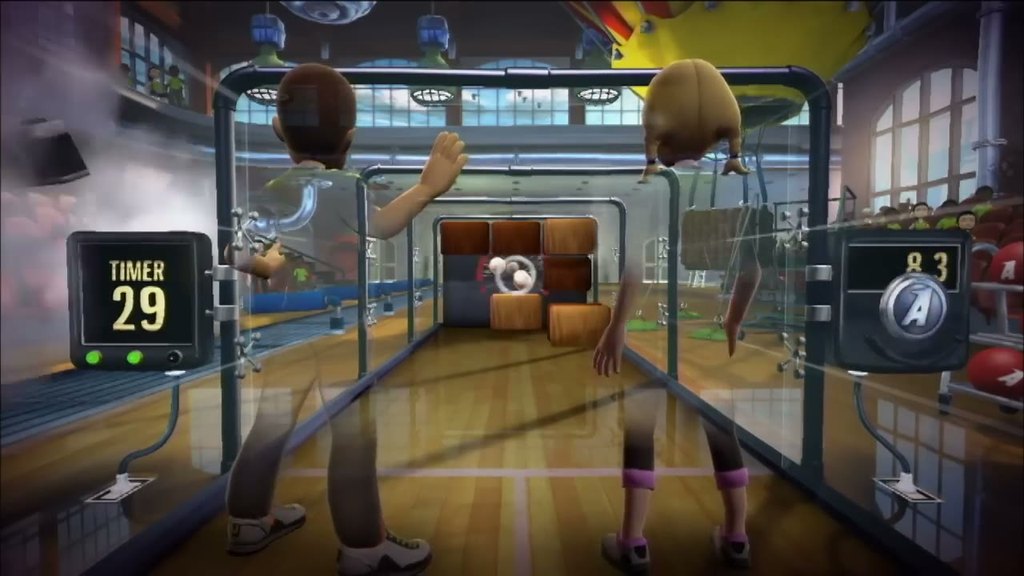
The launch line-up understood the assignment. Kinect Adventures, bundled with the sensor, turned families into river-rafting, obstacle-dodging silhouettes and sold by the tonne. Kinect Sports took the Wii Sports formula and removed the remote. Dance Central, from Harmonix, was the revelation — full-body dance tracking that made it the device’s first genuinely excellent game, the one reviewers reached for when sceptics asked what Kinect was for. For a year and a half, the strategy looked masterful: the 360, already five years old, got a second youth as the living-room machine for people who would never buy a Halo, and Microsoft’s entertainment ambitions — voice-controlled films, gesture-browsed dashboards — all seemed to be arriving on schedule.

Then the core audience asked its question — where are our games? — and the honest answers were thin. Child of Eden, Tetsuya Mizuguchi’s synaesthetic shooter, was beautiful and slight. The Gunstringer was a witty marionette western for a device with no trigger. An on-rails Star Wars game became the era’s punchline. Fable: The Journey and a Kinect mode stapled to everything from Forza to Skyrim confirmed the pattern: as a controller for the games the 360’s core library was built on, the camera was a solution scanning desperately for problems. Latency, the need for a large cleared floor, and the simple fact that a button is a better sword than a gesture did the rest.
The Xbox One trap
Kinect’s fall is inseparable from its promotion. Microsoft, convinced, built the Xbox One around it: bundled in every box, always listening, priced into a console that launched a hundred dollars dearer than its rival partly because of the camera it forced on you. The backlash — about price, about privacy, about a future being decided for the audience rather than offered to it — helped define the generation’s opening year. By mid-2014 the sensor was unbundled; by 2017 it was discontinued entirely, its port removed from later hardware. The controller-free future had been voted down.

The afterlife nobody predicted
And yet. The hackers got to Kinect before the marketers were finished: within days of launch, open-source drivers appeared, and the little camera bar became a beloved tool far outside gaming — 3D scanning, robotics, gesture research, physical therapy, art installations. Its depth-sensing lineage runs through phone face-unlock systems and into Microsoft’s later enterprise devices; its skeletal tracking research fed a decade of computer-vision work. In gaming, it keeps its modest cult: Dance Central and Kinect Sports sessions still surface at parties, where the technology’s one indisputable triumph — getting non-gamers off the sofa and into the game, laughing — remains undimmed by everything that happened to the brand.
The technology under the bar
It is worth being precise about the kit, because its specifications explain both the magic and the limits. The original Kinect paired an RGB camera with an infrared projector and depth sensor that mapped a room by watching a pattern of infrared dots deform — structured light, in the jargon — building distance data at thirty frames a second. On top of that raw depth field, Microsoft’s software fitted a twenty-joint skeleton to up to two players in real time, on 2010 console hardware, while a four-microphone array isolated voices and located them in the room for chat and commands. This was a research-lab capability sold in a toy-shop box at a mass-market price, which is why universities and robotics labs bought them by the crate the moment drivers appeared.
The same physics explains the famous caveats. Sunlight floods the infrared pattern; small rooms cramp the skeleton’s view; loose clothing confuses the joint-fitting; and the chain from depth map to skeleton to game input added a perceptible whisper of latency that precision games could not hide. Kinect’s designers made superb choices for fitness, dance and party play — big movements, forgiving timing, laughter as the success state — and no choice at all could have made it a sniper scope. The technology did not fail. The fit between technology and the games it was asked to carry did, and the distinction is where the real lessons for the industry’s later motion and VR experiments live.
The games worth dusting it off for
For the collector assembling a Kinect corner in 2026, the essential shelf is short and cheap: Dance Central (any of the three, the second arguably the peak) for the definitive full-body rhythm game; Kinect Sports and its sequel for the party standard; Child of Eden for beauty; The Gunstringer for wit; Fruit Ninja Kinect for the one game every guest understands in four seconds; and Kinect Adventures itself, whose obstacle courses remain sneakily excellent exercise. Add a light gun’s worth of oddities — the haunted-house charm of Haunt, the baffling ambition of Steel Battalion: Heavy Armor for the brave — and you have a complete picture of the experiment, failures included, for less than the sensor cost at launch. That is the correct way to meet Kinect now: not as the future, but as a fascinating, good-natured dead end with a handful of genuinely great games in it.
The verdict on the future that wasn’t
Kinect failed as a controller and succeeded as a prophecy: cameras, voice and presence did change how machines see us — just everywhere except the sofa it was built for.
As a piece of the 360’s story, Kinect is indispensable: the console’s second act, its biggest gamble, and the moment the platform’s identity swung from the hardcore to the hearth and back again. As a second-hand purchase today it costs almost nothing, asks only for floor space, and delivers one of gaming’s great party tricks. The future arrived. It just didn’t stay — and for a few games of Dance Central at a time, it is still wonderful.