
Every retro collector has a story about the first time they saw a Neo Geo home cartridge’s price and assumed it was a misprint. It was not a misprint. While Super Nintendo and Mega Drive games launched at prices familiar to any modern gamer, Neo Geo AES cartridges debuted at sums that made them, in the early nineties, closer to car payments than pocket money — and three decades later, the most desirable titles change hands for figures that would embarrass the car. This is not an accident of the collector market, and it is not simple nostalgia inflation. The Neo Geo was expensive by design, from its first principles to its last cartridge. This is the story of the 330-mega economy.
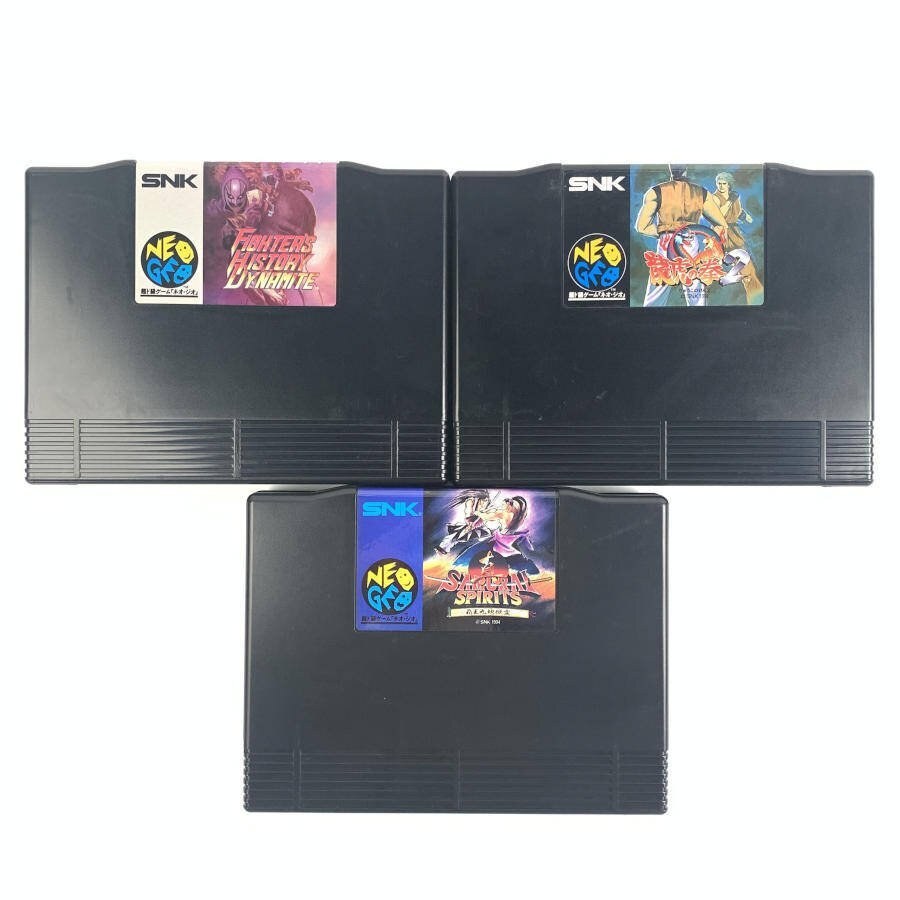
Arcade First, Home Second — Always
To understand Neo Geo prices you must first understand that SNK never built a home console in the usual sense. The Neo Geo MVS was an arcade system, launched in 1990, and the AES home system was the same hardware in a different shell, playing the same games from the same fundamental cartridge technology. That decision — one platform, two markets — was brilliant for game quality, because home players got perfect arcade conversions by definition. But it condemned the home library to arcade economics forever.
Arcade operators think about games differently from families. An operator buying a cartridge expects it to earn its keep on a cabinet floor, taking coins week after week; a high purchase price is a business investment, amortised across thousands of plays. SNK priced Neo Geo software with that buyer in mind. When the AES brought the identical games home, the prices came with them. A home Neo Geo owner in 1991 was not buying a console game. They were buying an arcade board’s worth of software that happened to fit in their living room, and SNK charged accordingly, while cheerfully marketing the machine as the luxury end of gaming — the famous “Bigger, Badder, Better” swagger was a price justification as much as a slogan.
The Tyranny of the Megabit
The second driver was physical, and it was merciless: ROM chips cost money, and Neo Geo games were enormous. SNK advertised cartridge sizes the way car makers advertise horsepower — the boxes boasted their megabit counts, the legendary “330 mega” branding referring to the system’s original maximum cartridge capacity before later bank-switching tricks pushed well beyond it. A fighting game with huge sprites and digitised voices, or a run-and-gun stuffed with hand-drawn animation, needed board after board of memory chips at a time when memory was one of the most expensive components in consumer electronics.
Compare the competition. A typical early-nineties console cartridge from Nintendo or Sega held a small fraction of a Neo Geo game’s data, and its manufacturing cost reflected that. An AES cartridge was a small piece of industrial hardware by comparison — a large, rugged shell packed with boards and chips. Even at identical profit margins, it could never have sold for the same price. The 330-mega economy was not a marketing invention; it was a bill of materials, printed on the box.

Scarcity, the Second Act
High launch prices guaranteed the second act of the story: low sales. The AES sold in modest numbers outside Japan, and in the West it lived a half-hidden life in specialist shops and rental stores — many gamers of the era knew the Neo Geo chiefly as the mythical machine a friend of a friend once saw. Small production runs followed small demand, and some late releases were produced in genuinely tiny quantities, particularly the English-language AES editions of late-nineties titles, where a print run might serve a market of enthusiasts already dwindling to a core.
That is how you get the collector market’s famous monsters. A small number of titles — the European edition of Kizuna Encounter and the US edition of Aero Fighters 3 are the names that headline every discussion of the subject, alongside rarities like Metal Slug’s original AES release — have become the stuff of auction legend, with reported sales reaching into the tens of thousands and, in the most famous cases, beyond. We will not print a league table here, because prices at that altitude move, records are contested, and some celebrated sales have attracted as much scepticism as coverage. What is not contested is the shape of the market: a broad base of merely expensive games, a tier of seriously expensive ones, and a tiny summit of cartridges that function less as games than as artefacts.
The MVS tells the other half of the story, and it is an important corrective. Arcade cartridges were working tools, produced in far larger numbers, often sold loose, and subjected to a decade of cabinet-floor punishment. Common MVS titles remain comparatively affordable — the sensible route into real Neo Geo hardware, as our companion feature on the MVS explores. The price madness is concentrated in the home system’s low print runs, pristine complete copies, and the handful of releases where rarity and desirability collide.

Bootlegs, Conversions and the Flash-Cart Truce
Where prices go, counterfeiters follow, and the Neo Geo market has endured decades of them: bootleg MVS boards, and more insidiously, “conversion” AES cartridges built by sacrificing a common game and fitting it with the ROMs and artwork of a rare one. Authentication has become a genuine skill in this hobby, and any buyer contemplating a major purchase should treat provenance and expert verification as part of the price. The community’s knowledge base on board revisions, label printing and chip markings exists precisely because the stakes are what they are.
The Human Cost of the Price Tag
There is a social history inside these numbers, too. Because AES software was so expensive, the Neo Geo home scene developed customs no other console had: rental was a lifeline, with specialist shops hiring out cartridges by the week; ownership was often collective, with groups of friends pooling money for a title and rotating it between houses; and the MVS, playing the same games in arcades for the price of a credit, was where most players actually experienced the library. The home system’s games were, for most of their original audience, objects glimpsed rather than owned — which is precisely the emotional charge that powers today’s collector market. Adults who could only look at these cartridges in 1994 are, in many cases, the buyers setting prices now. Scarcity explains what Neo Geo games cost. Memory explains why people pay it.
The modern truce in this long war is the flash cartridge. Devices in the NeoSD family and their peers let owners of real hardware load the library from modern storage — we have covered the NeoSD on this site — and they have quietly changed what collecting means. Increasingly, the AES shelf is for the love of the object, and the flash cart is for the playing. Prices have not collapsed; if anything, separating play from ownership clarified what the expensive cartridges always were. They are not really software any more. They are the surviving physical evidence of the most extravagant idea home gaming ever had: that the arcade could come home at any cost. In the 330-mega economy, the cost was the point.