The Nintendo DS is the best-selling handheld ever made, which makes buying one in 2026 both easy and treacherous: easy because over 150 million units mean supply is everywhere, treacherous because twenty years of use, a thriving reproduction market and four different hardware models create more ways to overpay or buy badly than any other retro system. This guide walks the whole purchase — which model suits you, what to check before money changes hands, what to expect to pay in hedged, honest ranges, and the first games to buy once the machine is yours. The DS rewards buyers who know what they are looking at. By the end of this page, you will.
The four models, honestly assessed
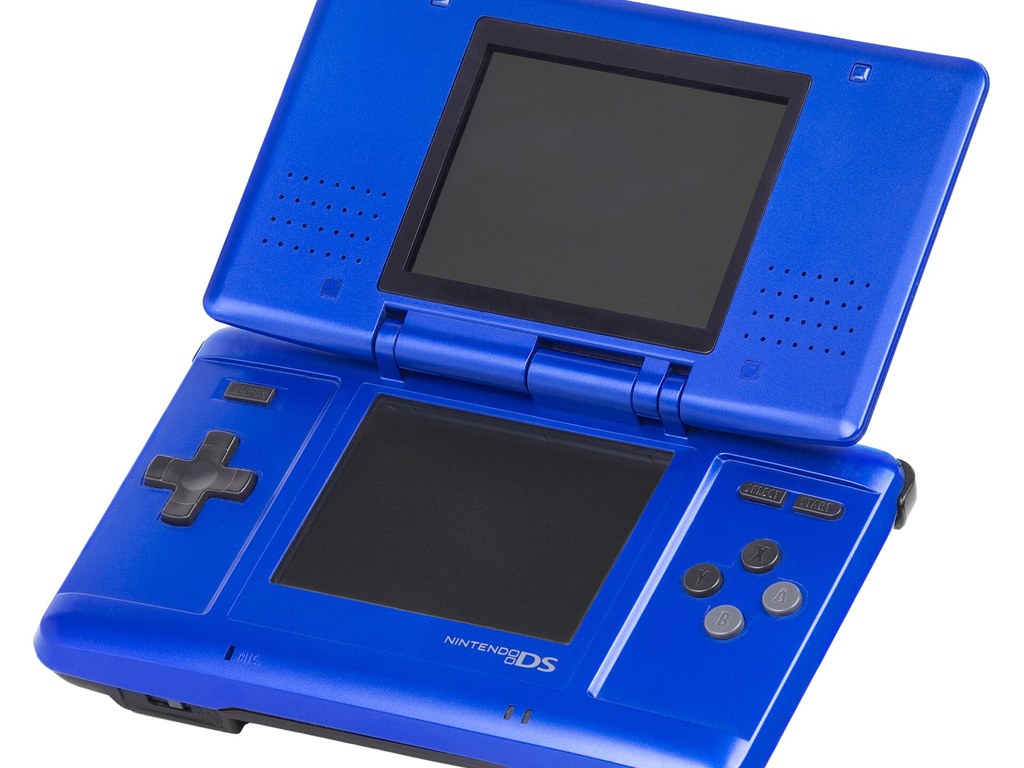
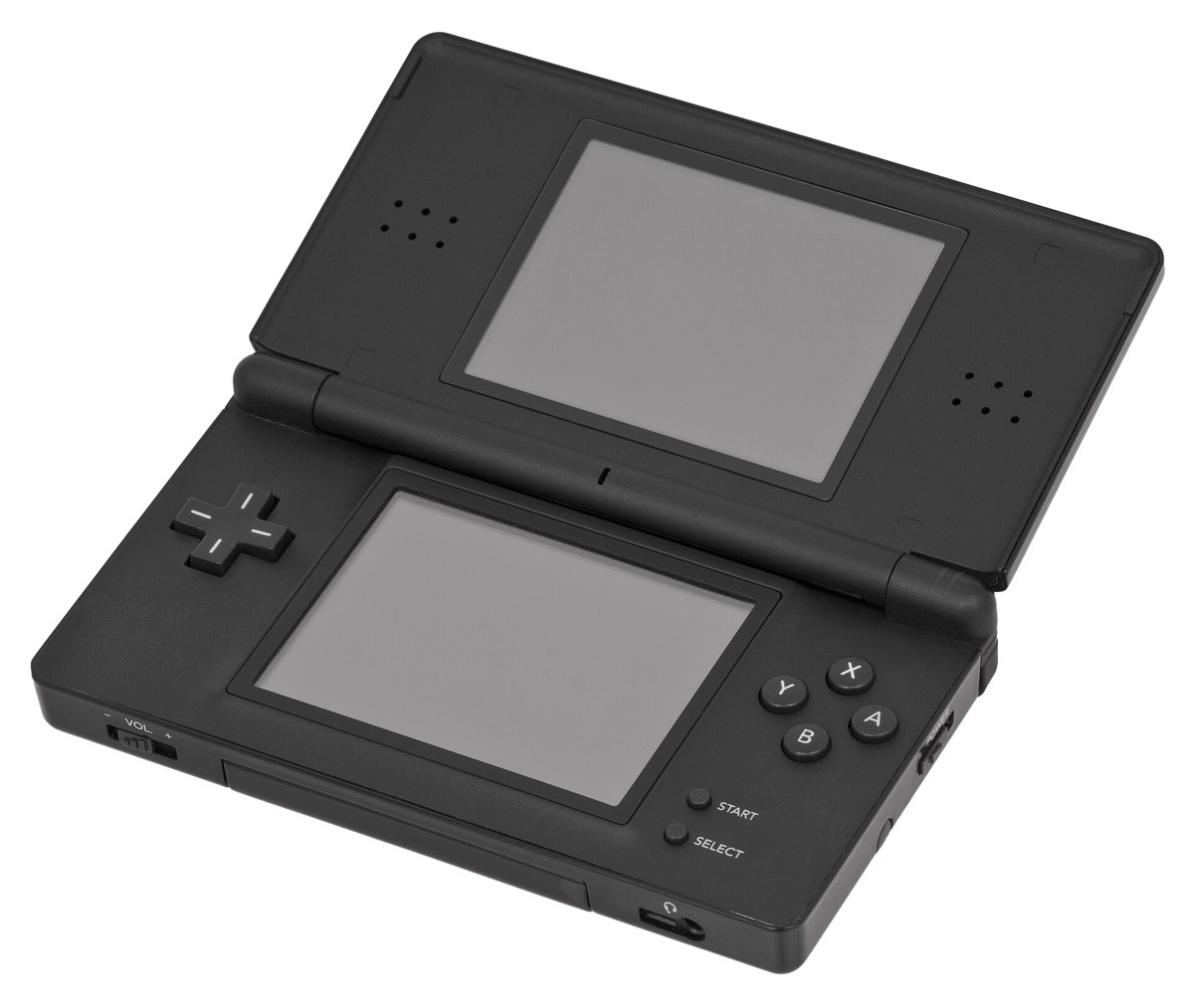
The original DS of 2004 — the ‘phat’ — is the rugged ancestor: dim screens by later standards, a chunky silver shell, a small stylus, but a Game Boy Advance slot, honest durability and the lowest prices in the family. The DS Lite of 2006 is the default recommendation for most buyers: dramatically brighter screens, a slimmer glossy body, better battery life and the GBA slot retained. It is the best-selling and most available model, and the one to beat. The DSi of 2009 drops the GBA slot for cameras, an SD slot, slightly larger screens and a matte finish many hands prefer; its download shop is closed, so buy it for the hardware, not the storefront. The DSi XL of 2010 is the connoisseur’s choice: huge 4.2-inch screens that flatter the library’s art, a weighty, book-like body and the finest speakers of the line — expect to pay a premium for a good one, because everyone else has reached the same conclusion.
The five checks before you buy
First, the hinges. The DS family’s famous weakness is the right hinge, which cracks — on Lites especially — and a cracked hinge means a floppy screen and an eventual full failure. Open and close the machine slowly; it should hold position at any angle without creaking or play. Second, the touch screen: open the system’s calibration or any drawing tool and scribble everywhere, especially the edges and centre. Dead zones and drift are common on tired units, and a worn lower screen cannot be calibrated away. Third, the top screen: look for yellowing, dead pixels and the pinkish tint of a failing backlight, all easiest to see on a plain white screen.
Fourth, buttons and sound: run through every input including the shoulder buttons (the L and R switches fail quietly and often), the microphone (blow into it in any game that tests it), and both speakers at full volume for crackle. Fifth — and this one saves more buyers than the rest combined — check the cartridge slot with a real game, and if you are buying a Lite or original, the GBA slot too. A DS that will not read cartridges is a paperweight with excellent screens. Sellers who will not let you test are answering your question.
What to expect to pay
Prices here are given as expectations, not quotations — the retro market moves, condition is everything, and a boxed, graded, or special-edition unit lives in a different economy from a loose player-grade machine. As a general map for loose, working, cosmetically honest units in 2026: expect the original DS to sit at the bottom of the range, the DS Lite a step above it, the DSi roughly level with or slightly above the Lite, and the DSi XL clearly at the top, with sought-after colours commanding more at every tier. Japanese units are region-free for DS games — the DS never region-locked its cartridge library — and often cheaper and better kept; only DSi-enhanced software and the old DSi shop carried regional restrictions, and the shop is gone. Importing a clean Japanese Lite or XL is the smart-money move of this entire guide.
Games follow the same honesty rules. The system’s giants — Mario Kart DS, New Super Mario Bros., the Pokémon games — were printed in the tens of millions, and loose cartridges of most of them remain affordable, though Pokémon prices have climbed steadily and boxed copies climb faster. At the other end, the late and the niche — Ghost Trick, Radiant Historia, Solatorobo, Infinite Space — were printed in small numbers and have appreciated accordingly; expect to pay genuinely serious money for authentic copies, and treat any suspiciously cheap listing of these titles as what it almost certainly is: a reproduction. Reproduction cartridges are the DS market’s endemic fraud. Warning signs are consistent: a label too glossy or slightly misaligned, a shell in the wrong shade of grey, a missing or wrong Nintendo seal impression, and a price that ignores everything this paragraph just said.

Accessories and the modern quality of life
Budget for the unglamorous essentials. A charger is not always included with loose units (the Lite and DSi use different plugs — check which you need), a spare stylus costs almost nothing and saves your screens, and screen protectors are the cheapest insurance in retro gaming. A flashcart or, for the DSi, SD-card homebrew front-ends are legitimate quality-of-life tools for save management and library convenience; buy from reputable sellers, and keep your original cartridges — the collection is the point. Replacement shells and screens exist for every model and range from excellent to dreadful; a hinge-damaged bargain plus a quality reshell is a viable route for the handy, and a money pit for everyone else.

The first five games to buy
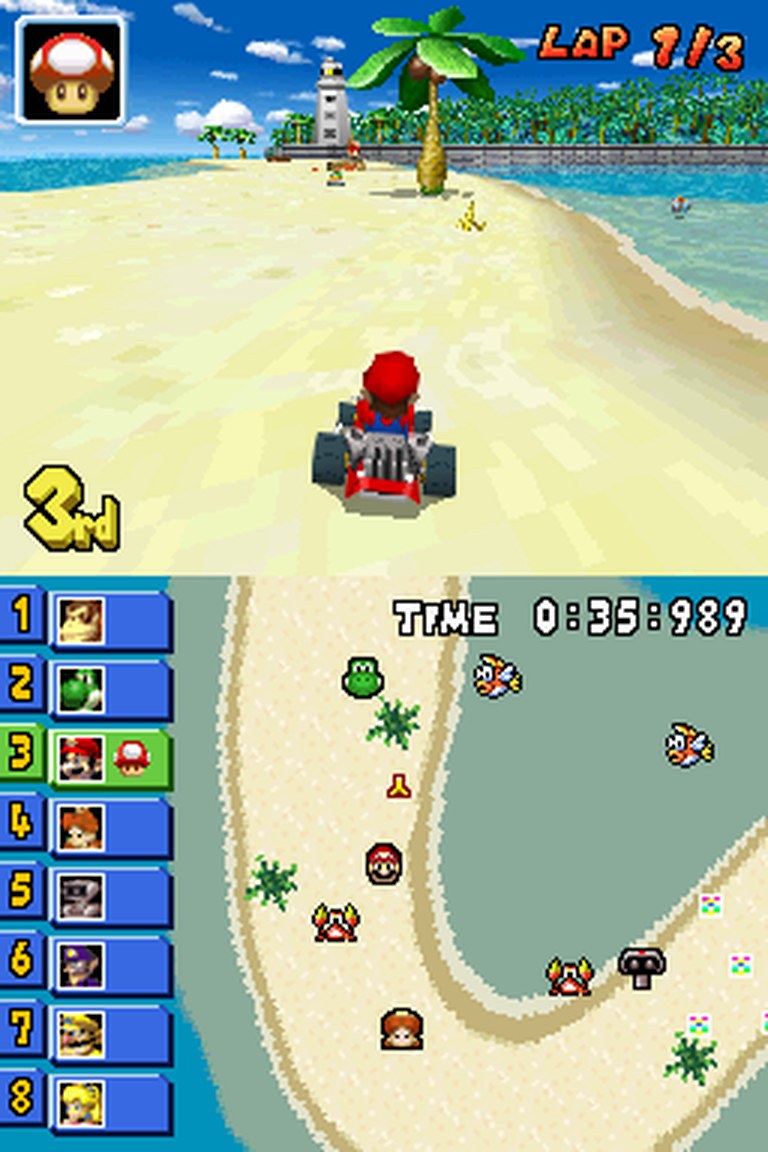
Start where the system starts. Mario Kart DS is the finest all-round cartridge in the library and cheap in most regions. New Super Mario Bros. is the platforming baseline. Professor Layton and the Curious Village is the stylus made art and remains widely available. From there, follow your taste: Phantom Hourglass for adventure, Advance Wars: Dual Strike for strategy, Castlevania: Dawn of Sorrow for action, Pokémon Diamond or HeartGold (expect to pay more for the latter) for the long RPG winter evenings. The library runs to more than 1,700 games; the five above will keep you busy while you learn which corners of it are yours.
Two last hedges for completeness. First, bundle economics: a console sold with a handful of common games often prices the games at close to nothing, making bundles the cheapest route to a starter library — inspect every cartridge as you would a solo purchase, since bundles are also where reproduction carts hide. Second, patience economics: DS prices breathe with the retro market’s seasons and headlines, and the buyer who watches a listing for a fortnight routinely beats the buyer who pounces. The library waited twenty years. It can wait for your fortnight.
And the closing thought, from everyone who has done this before you: the moment the buying is done — machine tested, first cartridge chosen, screens wiped — the DS stops being a purchase and becomes what it always was, a companion. It will live on the desk, the nightstand and the train table, and it will be opened daily by people who own far more powerful machines, for reasons this guide cannot fully itemise. Buy well. Then play, daily, the way it was designed to be played.
Storage deserves one practical sentence: DS games save to the cartridge itself, so a collection carries its progress with it from machine to machine — buy a second DS for a partner or a child and every save you own simply moves house with its cartridge. It is a small, civilised virtue of the cartridge era that the download age quietly took away, and one more reason this library rewards physical collecting.
Verdict: the easiest retro buy there is
No retro system offers a better ratio of library quality to buying difficulty than the DS. The hardware is plentiful, region-free and — hinges aside — durable; the games span every genre at every price from pocket change to investment grade; and the machine’s best experiences cannot be replicated on any modern storefront, because no modern machine has two screens and a stylus arranged quite this way. Buy a Lite if you want value, an XL if you want luxury, test the five checks, distrust the too-cheap Pokémon — and welcome to the largest, strangest, most inventive library handheld gaming ever produced.
One more model note that saves buyers real money: the DS family has no regional lockout on standard DS cartridges, and the hardware differences between territories are cosmetic — button labels, bundled software languages and, on DSi models, system menu language options. A Japanese DSi XL in excellent condition is frequently the best-value premium DS in the world market, and a North American or European buyer loses nothing by choosing one for cartridge play. Check the charger voltage arrangements for your region, confirm the stylus is present, and buy the condition, not the flag.
Finally, a word on where to buy. Specialist retro shops charge a premium and earn part of it — tested hardware, honest grading, returns. Marketplace purchases reward the five checks above and punish their absence. Auction listings for the desirable late games deserve forensic label inspection, ideally in hand. However you buy, buy deliberately: the DS rewards the informed buyer more richly than any other retro platform, because its supply is vast, its fakes are specific, and its library — once the machine is in your hands and the first cartridge clicks in — is the largest bargain in the history of the medium.
Software, regions and the fine print
Three fine-print items complete the informed purchase. First, DSi-enhanced and DSi-exclusive cartridges — a small handful, including Pokémon Black and White in their enhanced modes and a few camera-using titles — carry region coding on DSi hardware, though they play as standard DS games, without the enhancements, on any Lite or original model worldwide; standard DS cartridges, the overwhelming majority of the library, are region-free on everything. Second, the DSi and 3DS-family chargers differ from the Lite’s; a bargain DSi without its correct charger is a smaller bargain than it looks. Third, every DS model’s clock battery and cartridge contacts age gracefully but not eternally — a cotton bud and isopropyl alcohol remain the collector’s first tools, and a machine that reads cartridges intermittently usually needs cleaning, not repair.
Set against those cautions is the system’s great buying virtue: transparency. Failure modes are known, documented and mostly visible in a two-minute test; parts and knowledge are abundant; and the community’s twenty years of accumulated wisdom is a search away. There is no mystery left in buying a DS — only the pleasure of choosing well. Choose well, and the machine will repay you with the deepest handheld library ever made, at whatever pace your life allows: ten minutes on a train, an hour in an armchair, a winter of Sinnoh evenings. That was always the DS’s promise. In 2026, it still keeps it.