At a glance: Odin Sphere Leifthrasir · PS Vita · Vanillaware / Atlus, 2016 · Action RPG · Score: 9.0/10
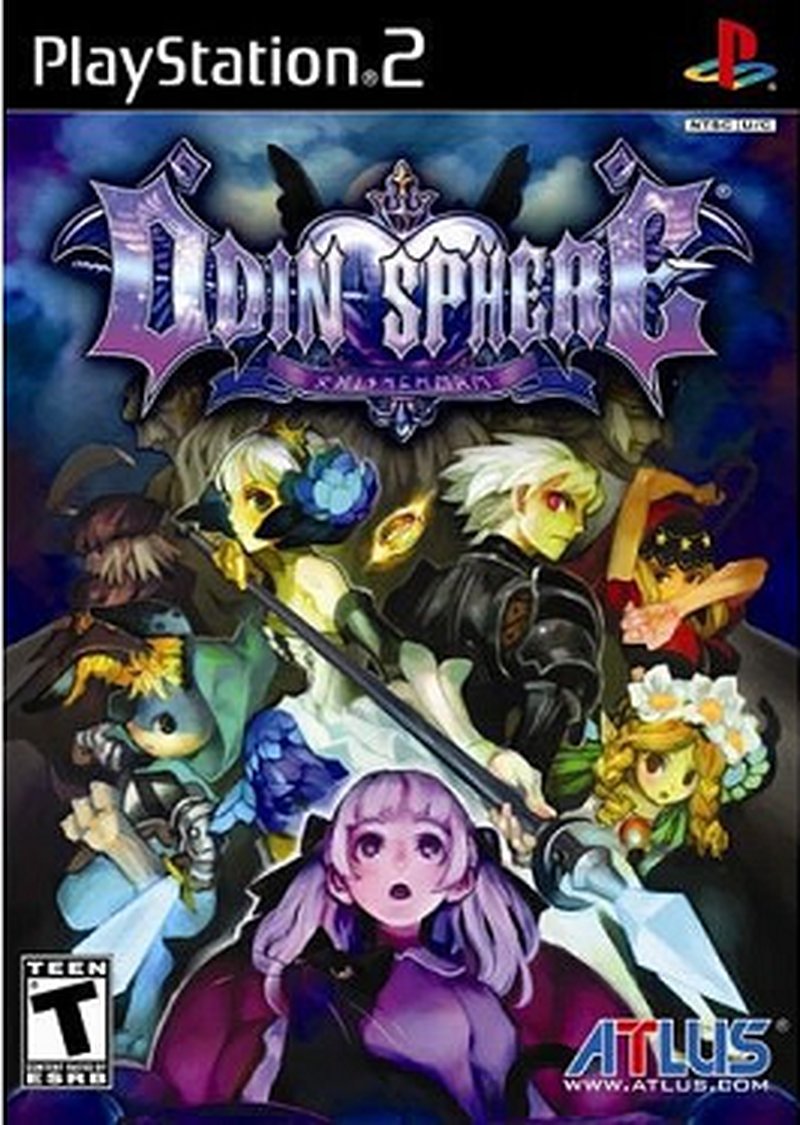
Odin Sphere Leifthrasir is the remake as it should be done. Vanillaware’s 2007 PlayStation 2 action RPG — a Norse-myth tragedy told in five interlocking storybooks, rendered in the studio’s painterly style — was beloved and, frankly, broken: its beautiful battles chugged to single-figure frame rates whenever the screen filled. Leifthrasir (2016) rebuilds it from the frame out: the combat redesigned by the team that had since made Dragon’s Crown, the slowdown abolished, the systems deepened, the art repainted in high definition — and the Vita version, remarkably, is the equal of its console siblings. Five heroes, one doomed world, a ring, a cauldron, a dragon, and the end of everything, told like a storybook you’d read to children if you hated them a little.
The structure is a small marvel of narrative engineering. A girl named Alice reads five books in an attic, and you play them: Gwendolyn the valkyrie, Cornelius the cursed prince, Mercedes the fairy queen, Oswald the shadow knight, Velvet the forest witch — five campaigns that interlock, replaying the same events from five angles until the full pattern of prophecy and betrayal assembles itself, in a finale that plays the books’ lessons in sequence. It is Rashomon in a burning world, and its cast — voiced beautifully in English and Japanese alike — earns its melodrama: these are fairy-tale figures with operatic wounds, and the writing (in a fresh translation) treats their doom with total sincerity. Between battles: Vanillaware’s signature feasts, cooked from foraged ingredients, eaten in camps where the party’s spirits and stats recover together.
The remake’s work
Leifthrasir’s combat is the headline renovation. The original’s stiff, stamina-bound fighting is replaced with a fluid, combo-rich system in the Dragon’s Crown lineage: dedicated skill buttons, aerial juggles, guard and evade cancels, Psypher skills mapped and chained, alchemy and cooking streamlined, difficulty rebalanced across the board — and, as a gesture of respect, a Classic Mode preserving the original’s systems and balance for historians. The battles now move the way Kamitani’s art always promised they would. Bosses — dragons, a queen of the dead, a three-headed horror, a very large rabbit’s bigger cousins — become duels of pattern and nerve rather than frame-rate endurance tests. On the Vita, astonishingly, the frame rate holds: the OLED renders Erion’s forests, snows and burning cities in their repainted glory, and the five-inch screen is, once again, Vanillaware’s ideal canvas.
The PS2 original was a masterpiece fighting its own hardware. Leifthrasir on Vita is the same masterpiece with the fight called off — it wins by knockout.
As a Vita citizen the package is generous: the full game on the cartridge, cross-save heritage with the console versions, sessions that suit its chapter-and-battle rhythm, and a New Game structure (plus the heroic difficulty and boss-rush extras) that stretches a forty-hour saga towards a hundred for the devoted. Honest debits: the five campaigns revisit shared stages with a persistence even the new combat can’t entirely disguise; the middle books pace slower than the outer ones; and the Vita’s screen, during the busiest multi-enemy finales, can crowd the action for players used to a television. The story’s final act also makes demands — bring tissues and attention in equal measure.
Why the Vita version sings
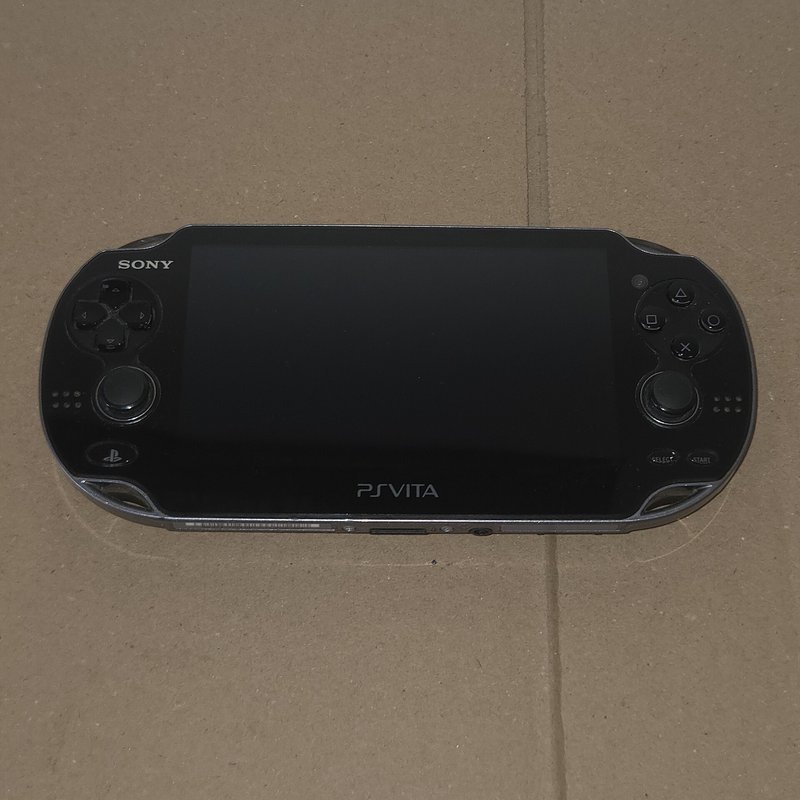
There is a thematic fitness, too, to playing Leifthrasir on this machine. Alice reads her books in an attic, alone with the story; a Vita player reads them the same way — in bed, on trains, in the held-breath privacy a handheld gives a long story. The book-chapter structure, the save-anywhere kindness, the feast scenes’ lamplit warmth: it is a fireside game on a fireside device. And for the platform’s library it fills a vital shelf: alongside Muramasa Rebirth, it gives the Vita the two definitive Vanillaware editions, a matched pair of paintings no other handheld can claim. Few consoles can say their prettiest games are also among their best. The Vita says it twice.
Five books, one fire
The interlocking structure deserves a deeper defence, because on paper it risks sounding like one game sold five times. In practice the repetitions are the meaning: a battle you fought as Gwendolyn returns, hours later, as the worst day of Oswald’s life; a villain’s monologue becomes, from Velvet’s side of the tapestry, a victim’s confession; the dragon you slew in book one was somebody’s father, and book four makes you grieve him. Prophecy in Erion is a machine for manufacturing dramatic irony, and the game’s famous fatalism — everyone can read the future, nobody can escape it — turns the player’s foreknowledge into the same curse the characters carry. You know how each book ends. You play anyway, hoping the details will save someone. They do not, and the finale’s use of that hope is among the finest endings in the medium’s storybook tradition. This is why Leifthrasir’s story, melodramatic as it is, survives its remake’s mechanical overhaul untouched: the overhaul was never needed there.
The production around the tales keeps pace. The score is by Hitoshi Sakimoto and Basiscape, and it is among his richest: full-orchestra tragedy with folk colour, themes that follow each hero like a court painter. The voice acting, in both languages, plays the fairy tale straight, which is the only way it works. And the food — the feasts, the restaurants, the sheep-plant sheep — is rendered with Vanillaware’s usual mouth-watering absurdity, a running joke that is also a thesis: in a world ending on schedule, dinner is defiance. Eat well between apocalypses. Leifthrasir insists, and it is right.
A collector’s note closes the case. Leifthrasir’s Vita physical release was sensibly printed in the West and the Storybook Edition — art book, art print, potion bottle and all — has become one of the platform’s most charming special editions; the standard cartridge remains the affordable route to the identical game. Either way, what you hold is rare: a remake that is better than its original in every measurable way, on a handheld version that surrenders nothing to its console twins. The PS2 game was a beautiful problem. This is the beautiful answer, and the Vita — paintings in your hands, a library in an attic — is where it reads best.
And the difficulty deserves a kind word: Leifthrasir lets you tune its tragedy from a storybook stroll to a heroic ordeal, with the S-rank battle gradings and optional inferno of its highest settings waiting for players who come for the combat rather than the tale. Both audiences are served in the same cartridge, which is the remake’s final generosity — it refuses to choose between the game Odin Sphere was and the game it always wanted to be, and so, at last, it is both.
Verdict
Odin Sphere Leifthrasir scores 9.0/10 on Vita: a model remake of a flawed masterpiece, its combat reborn, its tragedy intact, its paintings flawless on the handheld’s screen. Repetition across its five books is the only inheritance it couldn’t spend. Read it the way Alice does — one book at a time, all the way to the end of the world.