
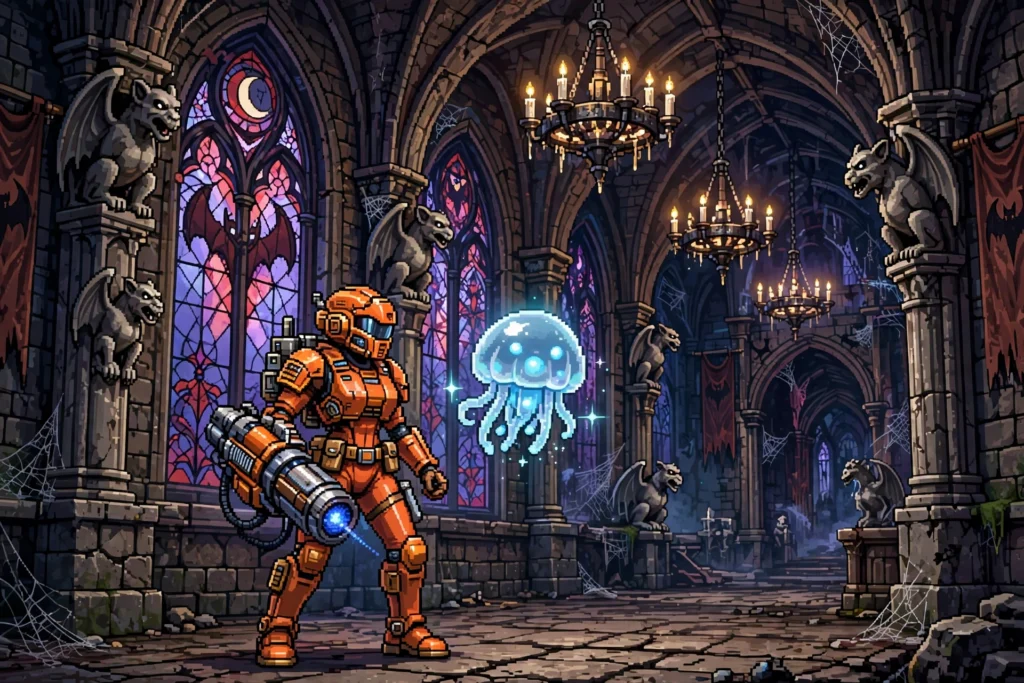
At a glance — Project: Metroidvania: Symphony of the Hunter · Developer: BigSharkZ · Platforms: PlayStation (original hardware) · Status: Feature-complete — testing and bug-fixing under way · Release date: Not announced — the mod will be released as a patch via bigsharkz.com when ready, and players will need their own copy of the original game
The most honest title in fan games this year dropped its first gameplay reveal this week. Metroidvania: Symphony of the Hunter is exactly what the name promises: Samus Aran, in her Super Metroid form, turned loose inside Dracula’s castle from Castlevania: Symphony of the Night — on a real PlayStation. Its creator, BigSharkZ, says the project is now feature-complete after twelve years of work. What remains is testing and bug-fixing. No release date has been announced, and this piece is not going to invent one.
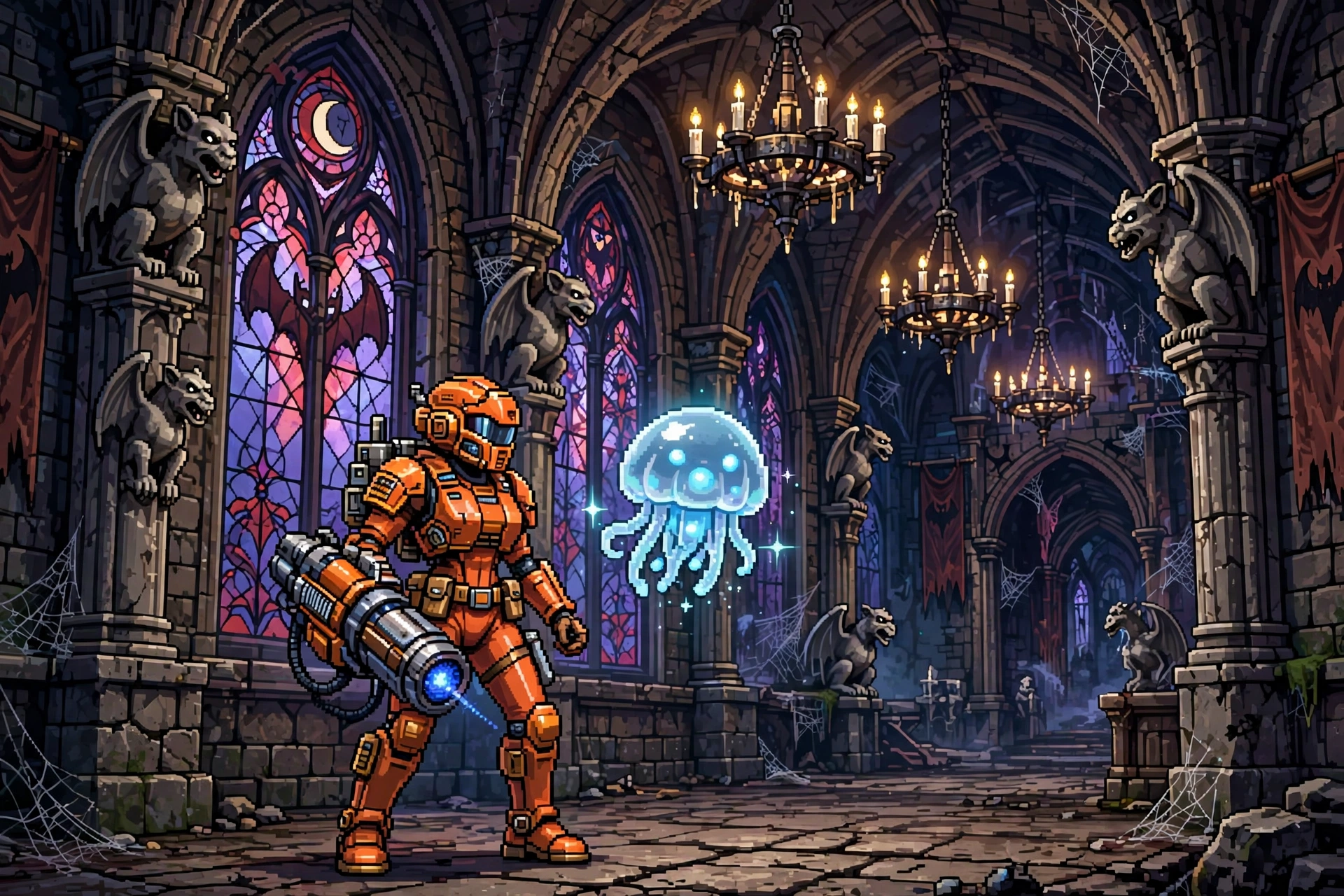
Twelve years, starting in 2014
BigSharkZ is unusually straightforward about the timeline, so let’s be straightforward with it. In the creator’s own words on this week’s gameplay reveal: “I first started this project in 2014 (yes, 12 years ago!) as a Super Metroid engine recreation in Construct 2.” That is a long road from a browser-era game engine experiment to what exists now — a mod of the PlayStation original, made possible, the creator says, by the sotn-decomp project, the community effort that decompiled Symphony of the Night back into workable code. Decompilation is the unglamorous infrastructure that makes projects like this possible at all: instead of hacking a finished disc image with a hex editor and hope, a solo developer can build inside the game’s actual code, on the original hardware’s terms.
Twelve years also explains the part of the reveal that matters most. This is not a sprite swap weekend project with a trailer cut to look bigger than it is. The creator’s description calls it a “massive mod,” and then lists receipts.
What Symphony of the Hunter actually puts in the castle
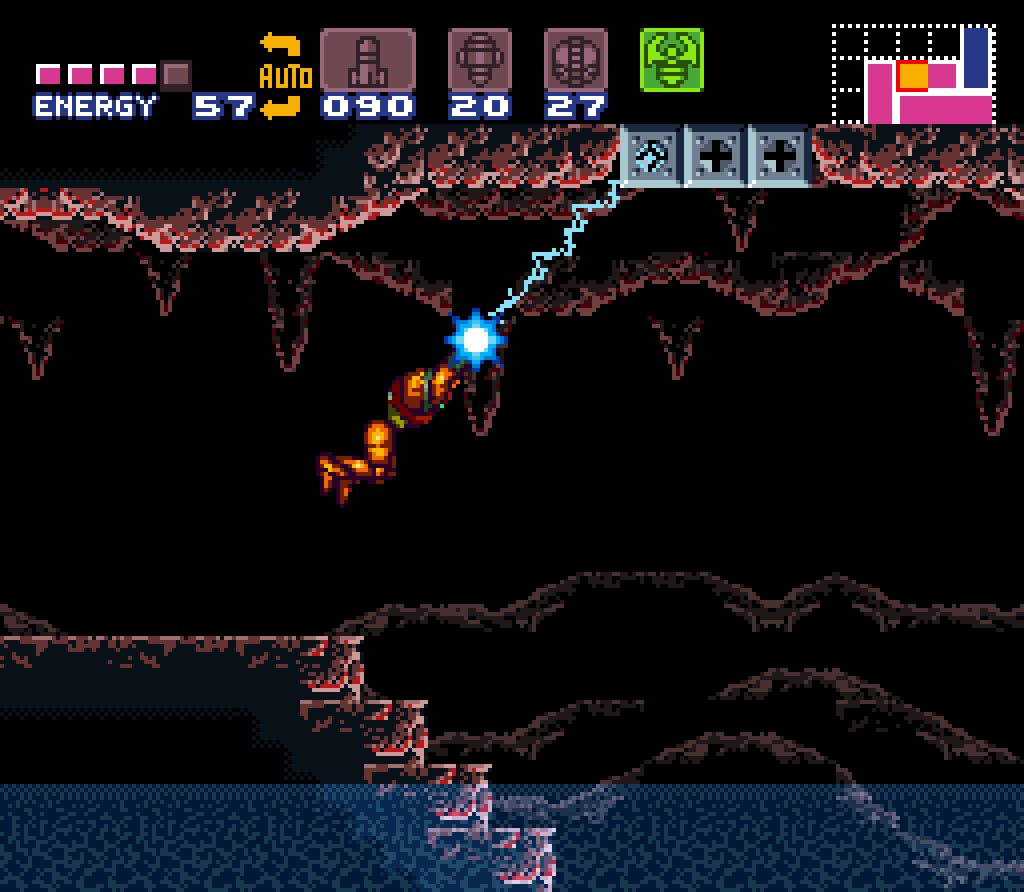
Start with Samus herself, because the mod does. Per the creator’s reveal, she arrives with Super Metroid’s controls and physics, her beams, the Morph Ball, the Speed Booster and the Shinespark — not approximations wearing a Samus costume, but the moveset as players remember it, running in a castle designed for a sword-swinging dhampir. If you know both games, you can already feel the interesting problems: Symphony’s rooms were built around Alucard’s jump arc and, later, his bat form. Samus wall-jumps, shinesparks horizontally through corridors and curls into a ball that fits places Alucard’s boots never could. Every room in the castle is a new question when the visitor moves like this.
Around that core, the mod adds the kind of connective tissue that separates a tech demo from a game. There is new pixel art and new cutscenes drawn by BigSharkZ. There are Chozo lore logs connecting the two worlds — the Chozo being the ancient species that raised Samus and built her Power Suit, which makes them the one piece of Metroid mythology that can plausibly leave records lying around a haunted castle. There is a Baby Metroid familiar, following the hatchling that imprinted on Samus at the end of Metroid II and saved her life in Super Metroid. And the castle itself has been adapted rather than merely occupied: new save stations and charge stations have been installed in it, because Samus’s health and ammunition economy does not run on Symphony’s save rooms and candle hearts.
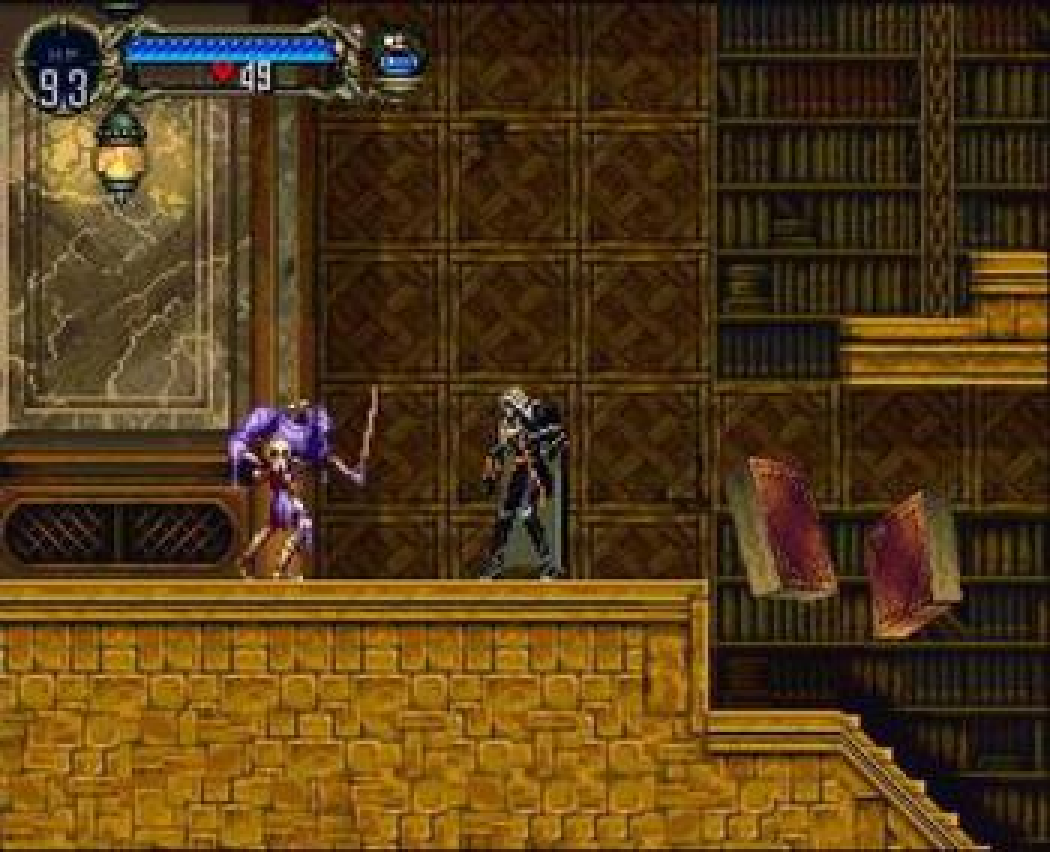
Time Extension, which picked the story up this morning (November 12), adds that the castle has been peppered with freshly hidden items, alternate suits and weapon pickups, plus familiar foes from Samus’s past — and its report stresses the same point the creator makes: this is “more than just a simple sprite-swap endeavour,” with new features, art and animations throughout. One naming note for anyone searching: Time Extension’s headline calls the project “Symphony of the Night”; the creator’s own current title is Symphony of the Hunter, and that is the name used here.
The other half of the genre, home at last
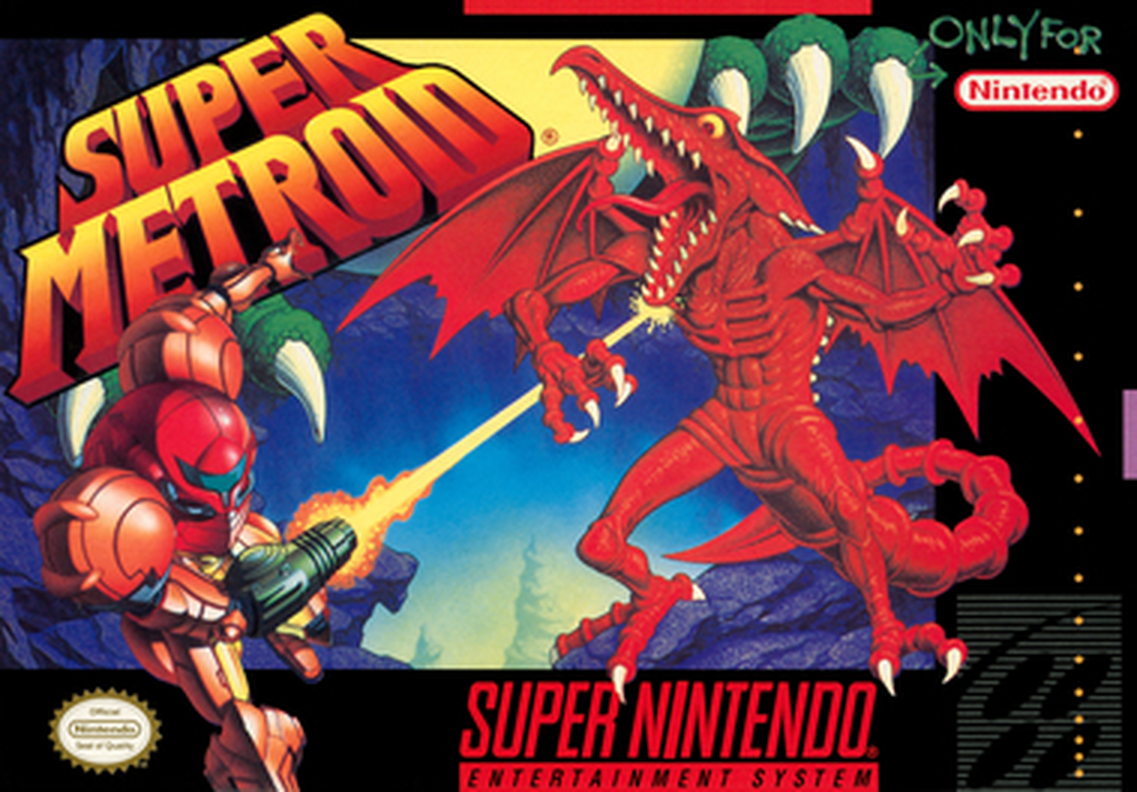
It is worth pausing on why this crossover lands differently from the usual fan mash-up. “Metroidvania” is a portmanteau of exactly two games: Super Metroid (1994) and Symphony of the Night (1997). One supplied the map, the ability gates and the lonely atmosphere; the other supplied the castle, the levels and the loot. For three decades the word has described games inspired by both. Symphony of the Hunter simply takes the joke literally — it puts the Metroid half physically inside the vania half, on the vania half’s original hardware, and asks the two designs to share a building. Tonight’s Vault piece makes the matching case from the other side: Castlevania: Symphony of the Night (1997) — The Night the Castle Learned to Be a World.
There is a lineage here, too. Fan crossovers built on decompiled code are becoming one of the retro scene’s defining crafts — the same impulse behind the PC ports, randomizers and total conversions that keep 1990s games in active development long after their publishers moved on. The difference is one of finish: most such projects are announced early and often. This one was announced, in any meaningful sense, when it was nearly done.
The honest disclosures, stated plainly
Two disclosures ride with this project, and both come from the creator, which is how disclosures should work. First, the legal shape: Symphony of the Hunter is a non-commercial fan project, not affiliated with or endorsed by Konami or Nintendo, and it will be released only as a patch — you will need your own legally obtained copy of Symphony of the Night to play it. Second, the development shape: in the descriptions on the project’s trailer videos, BigSharkZ states openly, “I don’t want to mislead anyone about how this project is made. I use AI to speed up the coding, which lets me move fast as a solo developer,” reviews and ships the generated code personally, and adds that apart from the code, no generative AI tools are used for the game’s music, sound, sprites or art — most of which is adapted from the original source material, with completely new parts drawn or recorded by the creator. Readers can weigh that however they like; what matters for a news report is that it was disclosed by the developer rather than dug up by anyone else.
No date, and that is the right call
So where does it stand tonight? Feature-complete, per the creator. In testing and bug-fixing, per the creator. Coming to bigsharkz.com — the creator’s new site, launched alongside the reveal, which collects the project’s mods and videos — when it is ready, per the creator. Anyone who has followed fan games for a decade knows the failure mode this project is avoiding: a release date promised at the exciting moment, then a year of apology posts. A mod that took twelve years to build has earned the right to take the extra months to not crash in the Marble Gallery.
When it does land, it will land in a good week for it. The castle it modifies is having a moment — see tonight’s Vault retrospective — and the audience for a PlayStation mod that runs on original hardware is exactly the audience that has kept Symphony of the Night in print, in compilations and in conversation since 1997. Samus has been exploring other people’s ruins for forty years. Dracula’s castle is simply the first one that was already a Metroid game before she arrived.
— June
1 comment