
Buying a Sega Pico in 2026 is one of retro gaming’s gentler assignments: the hardware is common, the American library is only twenty books deep, and nothing on the system yet commands the prices that make collectors sweat — though the Japanese library, all three-hundred-plus titles of it, can absorb as much hunting as you care to give it. This guide covers what to buy first, what to check before money changes hands, what complete and working actually means for a book-based console, and how the import and successor routes work. Prices below are hedged ranges based on the system’s general market position, not live listings: check current sold prices before any specific purchase.
Start with the pen, not the console
The single most important Pico buying rule inverts normal console logic: the console is the easy part. Loose Pico units are plentiful, but the Magic Pen is the component that three-year-olds chewed, tangled and lost for thirty years, and a Pico without a working pen is half a system — many Storyware activities assume it. Expect to pay roughly the price of a modest modern game for a tested console with pen, power supply and cables, with boxed and Majesco-reissue American units and Japanese Kids Computer Pico variants spreading either side of that. If a listing does not mention and picture the pen, assume it is absent and price accordingly.

Power, video and the television question
The Pico is composite-video only and uses a power supply from the Mega Drive II and 32X family, which helps: replacement supplies are understood territory, but match voltage and polarity to your region’s model rather than improvising, and remember that Japanese and American units expect their own local mains. On a modern television, run the composite output through a decent scaler if you have one, or keep a CRT for the full effect — Pico graphics are bold and simple, and even a basic chain looks cheerful. Test a unit with sound up: the sampled voices are the system’s soul, and audio faults hide until a book starts talking.
Testing a Storyware book
A Storyware is a book and a circuit board in a trench coat, so inspect it as both. Check the spine and the connector edge for cracks and heavy wear, flip every page — torn or missing pages change what the book can teach, because the console tracks the spreads — and check the final page’s touch surface for deep scoring from decades of enthusiastic pen work. In testing, turn every page and confirm the television follows; a book the console loses track of mid-story is a book to return. American titles also exist in several coloured shell variants, so a red copy and a yellow copy of the same book are both correct — variants are a collecting game of their own, not a sign of a fake.

What to pay for books — hedged ranges
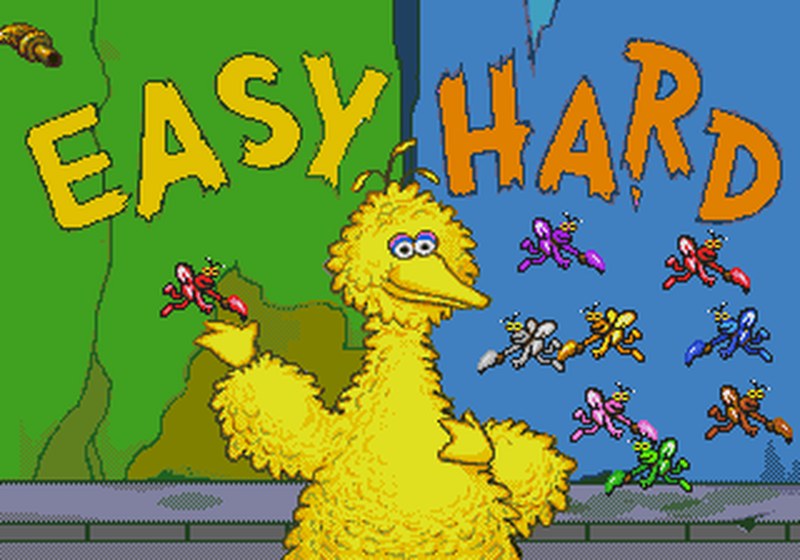
Loose common American books — Pooh, Berenstain Bears, the Disney titles, Sonic’s Gameworld — generally change hands in the low tens of dollars, with complete, tidy copies and the scarcer late titles such as Sesame Street: Alphabet Avenue and The Muppets On The Go! sitting above that, and the demo Storyware Sampler in a category of its own as a non-retail rarity. Japanese books are typically cheaper per title, often only a few dollars to the low tens, with character licences like Pokémon and Doraemon leading their market. Treat every figure here as a range to verify against current sold listings: Pico prices are calm, not frozen, and condition of pages and spine matters more than box shine.
Building the shelf in a sensible order
Buy the experience before the rarity. A first shelf of five — Sonic’s Gameworld for the licence magic, Tails and the Music Maker for the music, A Year at Pooh Corner for the youngest players, Crayola’s Create a World for the pen, and Ecco Jr. for atmosphere — covers everything the Pico does, for less than many single cartridges cost on fashionable systems. Then fill by taste: the Disney pair, the maths pair of Dalmatians and Counting Caper, the Berenstain rehearsal book. Completionists face a friendly twenty-book American set, with shell variants as the optional hard mode, and the Japanese library as the endless mode beyond it.
Importing and the Beena question
Japanese Picos and Storyware are region-friendly in the practical sense that matters most — the hardware is simple and the books are physical — but the software speaks and teaches in Japanese, which is the whole experience for a pre-reader. Buy Japanese for collecting, for older children, and for the licences; buy American for a small child who will actually learn from the books. The Advanced Pico Beena, Japan-only from 2005, is a separate, newer ecosystem with its own books: a wonderful second step for the committed, not a substitute for an original Pico, and priced and imported accordingly.
Where to buy, and what auctions hide
The Pico trades in the usual retro places — auction sites, retro game shops, marketplace listings and the occasional thrift-store miracle — plus, for Japanese stock, the proxy and auction services that ship from Japan. Wherever you shop, read Pico listings with a book-collector’s eye rather than a cartridge-collector’s. Sellers photograph the console and the box; the things that matter are in the details they skip: the pen in its dock, every page of every book, the spine connectors, the final touch page. Ask for those photographs directly when they are missing. A listing that shows a book closed is showing you a cover, not a condition report, and the difference between a complete book and a book missing its middle spreads is the difference between a working teaching tool and a display piece.

Care and storage for a book-based console
Storyware ages like a book because it is one. Store titles upright, out of direct sun, in a dry room, and resist stacking heavy cartridges on top of them; spines warp, and a warped spine is a connector problem waiting to happen. Clean connector edges gently and dry, exactly as you would a cartridge, and never with anything wet near the pages. Pens should live in their docks, not loose in a drawer of cables, and a pad surface that has gone shiny with wear can still work perfectly — test before you judge it. For family use, the old rule still applies: the console lives on a table, the book lives on the console, and drinks live somewhere else entirely. A Pico looked after this way in 1995 is usually a Pico that still works in 2026, which says a great deal about how honestly the toy was built.
Matching books to children today
If the Pico is being bought to be played — and it should be — match the first books to the child, not to your own nostalgia. For three and four-year-olds, start with A Year at Pooh Corner, Magic Crayons and the Berenstain Bears’ school day: short instructions, forgiving targets, constant voices. For five and six-year-olds, Crayola’s Create a World, the Counting Caper, Sonic’s Gameworld and the Lion King book hit the sweet spot of story plus practice. For seven and eight-year-olds at the top of the range, the Magic School Bus, the Dalmatians maths book and Tails’ music lessons are the titles that still respect their growing competence. Sessions of fifteen to twenty-five minutes suit the format and the audience; the page-turn rhythm gives you natural stopping points that modern children’s games, designed never to end, conspicuously lack.

Common faults and honest fixes
Most faulty Picos are not faulty in any deep way. No picture usually means a cable, channel or power question, in that order, before it means a dead console. A book that is not recognised usually means a dirty or damaged spine connector — clean it, reseat it, and try a second book before blaming the slot. A pen that responds in some places and not others points to pad wear or a tired pen, and is the strongest argument for buying tested hardware from a seller who will demonstrate it. Sound faults matter more here than on any other Sega system, because the voices are the curriculum; a Pico with garbled speech has lost its main teaching tool and should be priced as a project, not a player. None of these faults is exotic, parts and donor units are plentiful, and the system’s toy-grade construction makes it one of the more forgiving Sega platforms to keep alive.
What complete actually means
New Pico buyers, raised on cartridge systems, often misjudge completeness, so let us define it plainly. A complete console set means the clamshell unit, its Magic Pen present in its dock and working across the whole pad, the correct power supply, and a video cable — the pen is a component, not an accessory, whatever a listing claims. A complete book means every page present and turning, the spine and connector sound, the final touch page intact, and any original packaging a bonus rather than a requirement. A complete collection, by the friendliest definition in retro gaming, is twenty North American books; by the completist definition it adds the coloured shell variants; by the magnificent definition it continues into three hundred Japanese titles and a Beena. Choose your definition before you start, write it down, and let it protect your wallet from the other two.
A short note on repros, bundles and lucky boxes
Because the Pico market is calm, outright fakery is rare — there is little money in counterfeiting a ten-dollar picture-book cartridge — but two softer traps catch buyers every year. The first is the bundle mirage: a console photographed with a stack of books, several of which turn out to be empty display boxes or books with missing middle pages, priced as though every item were complete and tested. Price bundles item by item, on the checklist above, and let any unphotographed pen or unflipped book count as absent until proven present. The second trap is the lucky-box premium, where an ordinary, common title in a tired box is priced like a rarity because the box survived. Boxes are nice. On this system, pages, spines and pens are what a collection is made of, and the premium belongs to working condition, not to cardboard. Keep those two rules and the Pico market remains what it should be: one of the last corners of Sega collecting where knowledge, not money, is the advantage.
The buying checklist, in order
One: a tested console with a present, working Magic Pen. Two: a correct, region-matched power supply and a composite cable. Three: five foundation books, pages complete, spines sound, every page turn verified on screen. Four: sound checked — voices clear, music present. Five: prices sanity-checked against recent sold listings, in ranges, never from a single optimistic asking price. Follow that order and the Pico will do the rest: open the book, take up the pen, and turn the page.