
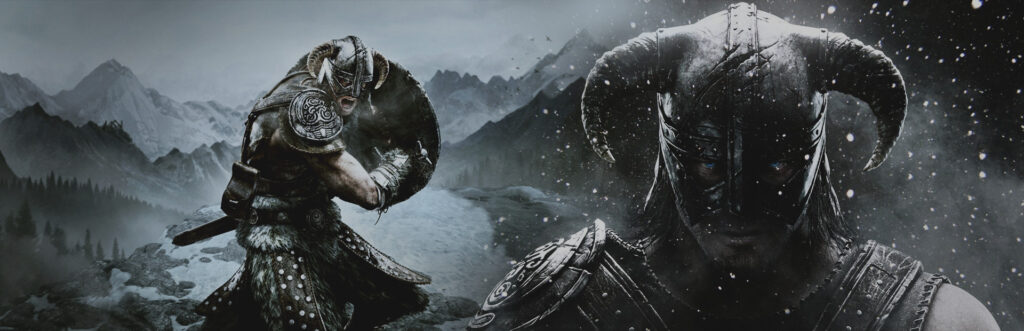
At a glance — Game: The Elder Scrolls V: Skyrim · Developer: Bethesda Game Studios · Publisher: Bethesda Softworks · Original release: November 11, 2011 · Original platforms: PC, PlayStation 3, Xbox 360 · Genre: Open-world action RPG
Fifteen years ago today, Bethesda gave the games industry a date it could not forget even if it tried: 11/11/11. The Elder Scrolls V: Skyrim launched on November 11, 2011, for PC, PlayStation 3 and Xbox 360, and then it simply never left. So this morning, plenty of people were watching Bethesda’s official account for a surprise — an anniversary edition, a shadow drop, anything. What they got instead was a polite closed door: no big announcements today, and nothing new on The Elder Scrolls VI: Sentinel “for some time.”
That is not a disappointing anniversary. That is the most Skyrim anniversary imaginable. The game that has been re-released, remastered and ported to practically everything with a screen does not need a new edition to mark fifteen years. It needs a cake, a headcount — 65 million copies and counting — and an honest conversation about why its sequel is staying quiet. Consider this that conversation.
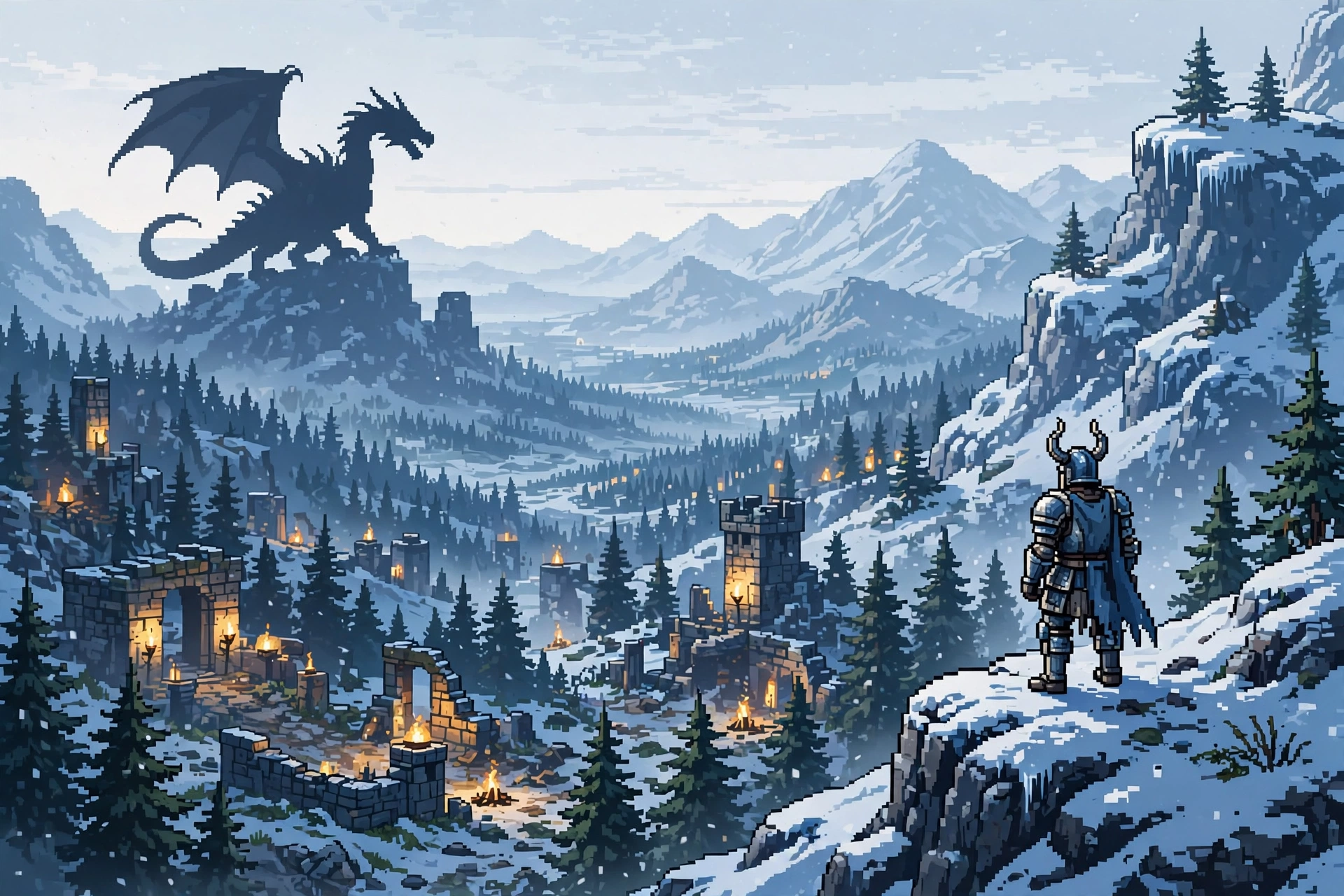
The Skyrim 15th Anniversary Arrives With a Whisper, Not a Shout
Start with what Bethesda actually said, because the rumour mill had already written a different morning. In the run-up to today, anniversary speculation did what it always does around this studio: it inflated. A surprise announcement felt plausible precisely because Skyrim’s history makes almost any re-release plausible. Bethesda’s message cut that off cleanly. No big announcements on November 11. Nothing new on Sentinel for some time. Short, factual, done.
There is a dry comedy to it. Fifteen years in, Skyrim does not trend because something new happened to it. It trends because it is still here — still charting, still modded, still the game people reinstall on a new machine before they install anything sensible. Today’s statement is not Bethesda failing to mark the occasion. It is Bethesda acknowledging that the occasion marks itself.
It also lands differently once you know the shape the studio is in now, and we will get to that properly below: a smaller Bethesda Game Studios, post-layoff, publicly committed since July to doing one big thing at a time and talking about its roadmap all at once rather than in drips. A quiet anniversary is what that strategy looks like in practice.
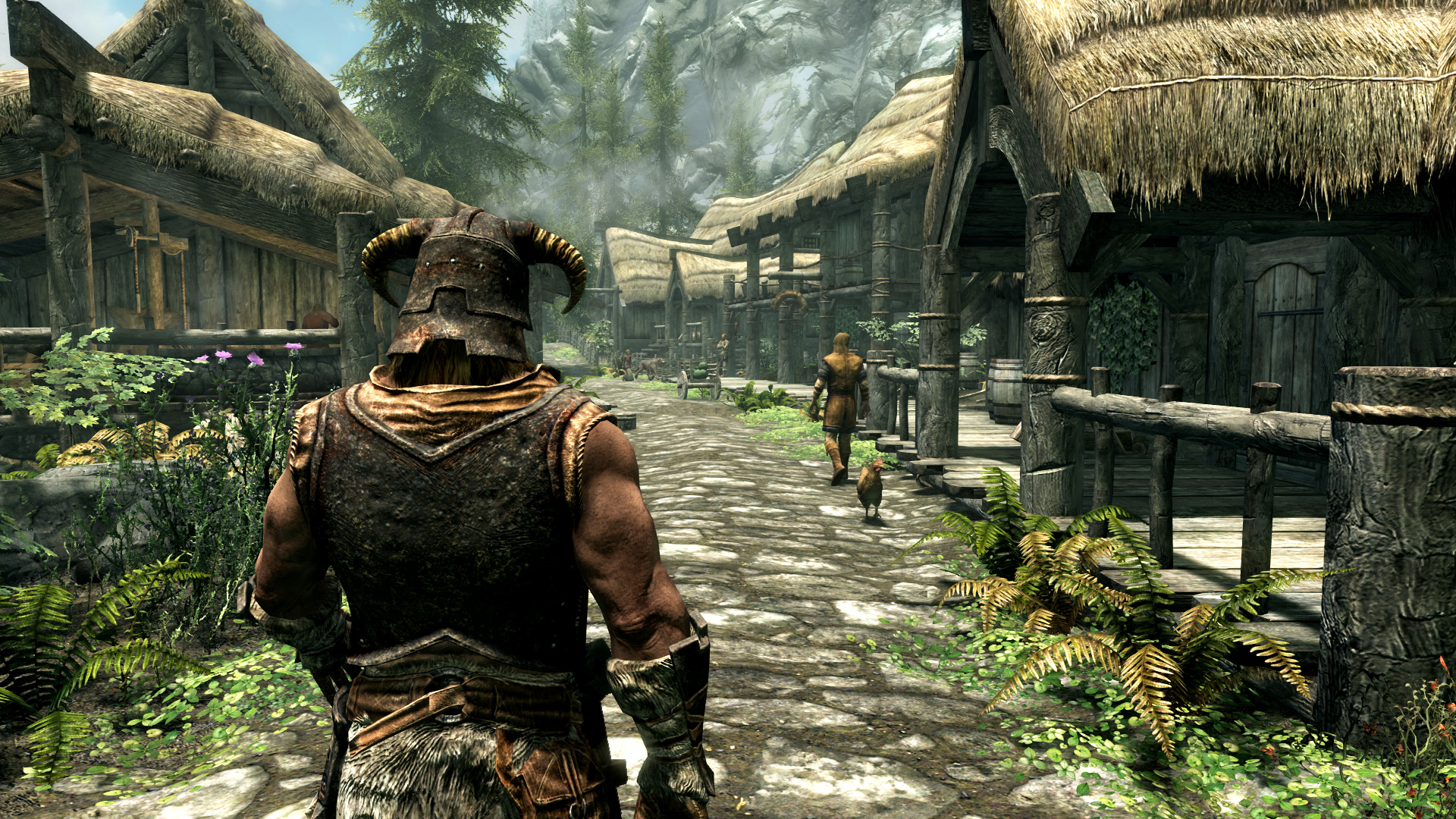
11/11/11: The Launch That Ate a Release Calendar
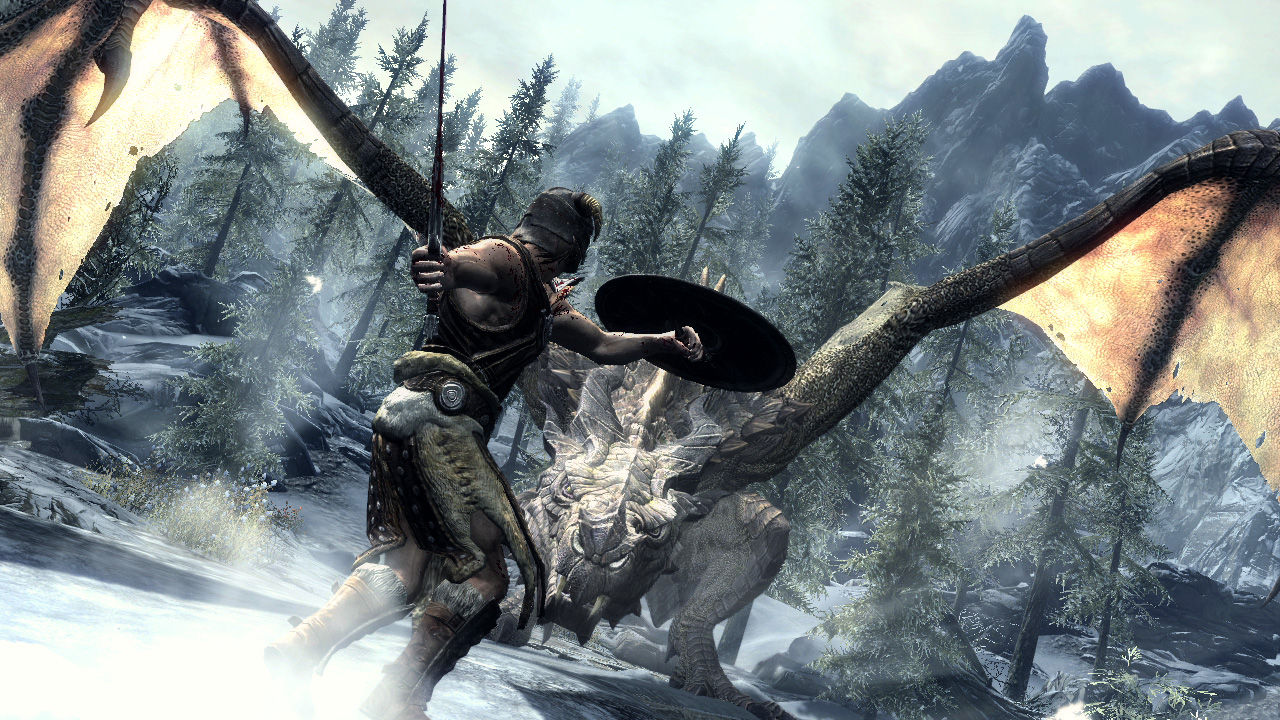
The date was marketing, of course — eleven-eleven-eleven is the kind of thing you print on a poster — but the game underneath it earned the memory trick. Skyrim dropped the series into a cold, civil-war-torn northern province, handed you a character who turned out to be Dragonborn, and built its whole appeal around a simple promise: see that mountain, you can climb it. In 2011, on a PlayStation 3 and an Xbox 360, that promise felt absurdly large. The dragons helped. So did a main quest that cheerfully accepted being ignored for two hundred hours while you joined a thieves’ guild, adopted a house in Whiterun and married a blacksmith.
What made it stick was not any single system. It was the density of small, shareable stories. The giant who launches you into orbit. The bucket placed over a shopkeeper’s head. The arrow, the knee, the guard who used to be an adventurer. Skyrim became a folk tale the internet told itself in memes, mods and late-night clips, and folk tales do not have a shelf life in the way games are supposed to.
The hardware story matters here too. This was a late-cycle PS3 and 360 game that pushed both machines hard — sometimes, on PS3 especially, a little too hard at launch — and it still became the defining RPG of that generation. A retro site does not use the word defining lightly. Skyrim is the game a whole cohort of players measure every open world against, fairly or not.
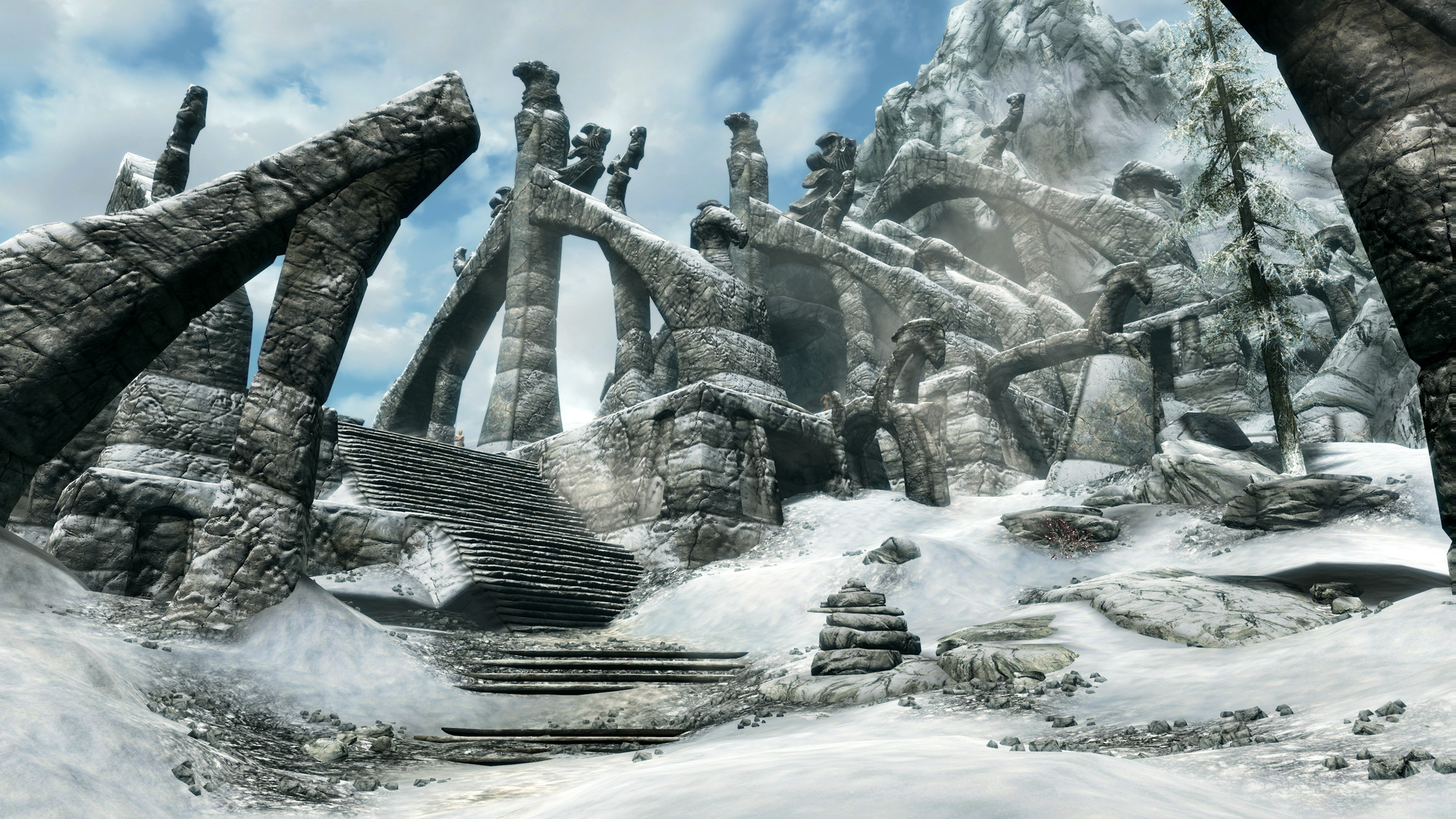
The Re-Release Phenomenon: One Game, Every Machine
Now the part everyone jokes about, because the joke is also the business story. Skyrim’s afterlife is a release history that reads like a dare. The original PC, PS3 and Xbox 360 release in 2011. The Legendary Edition bundling the expansions. The Special Edition in 2016, remastering the game for PC, PlayStation 4 and Xbox One and — critically — bringing mods to consoles. A Nintendo Switch version in 2017 that let you take Tamriel on a train. A VR version the same year, for anyone who wanted a dragon to be genuinely too close. And the Anniversary Edition in 2021, ten years on, folding in a decade of Creation Club content.
Read that list again and notice what it actually is: not laziness, but a game being re-issued for every successive hardware generation because every successive hardware generation kept buying it. Publishers do not port games that have stopped selling. They port games that have become infrastructure — the title a new console’s library feels incomplete without, the first RPG a new PC owner installs, the evergreen that pays its way in every sale, every bundle, every subscription catalogue it joins.
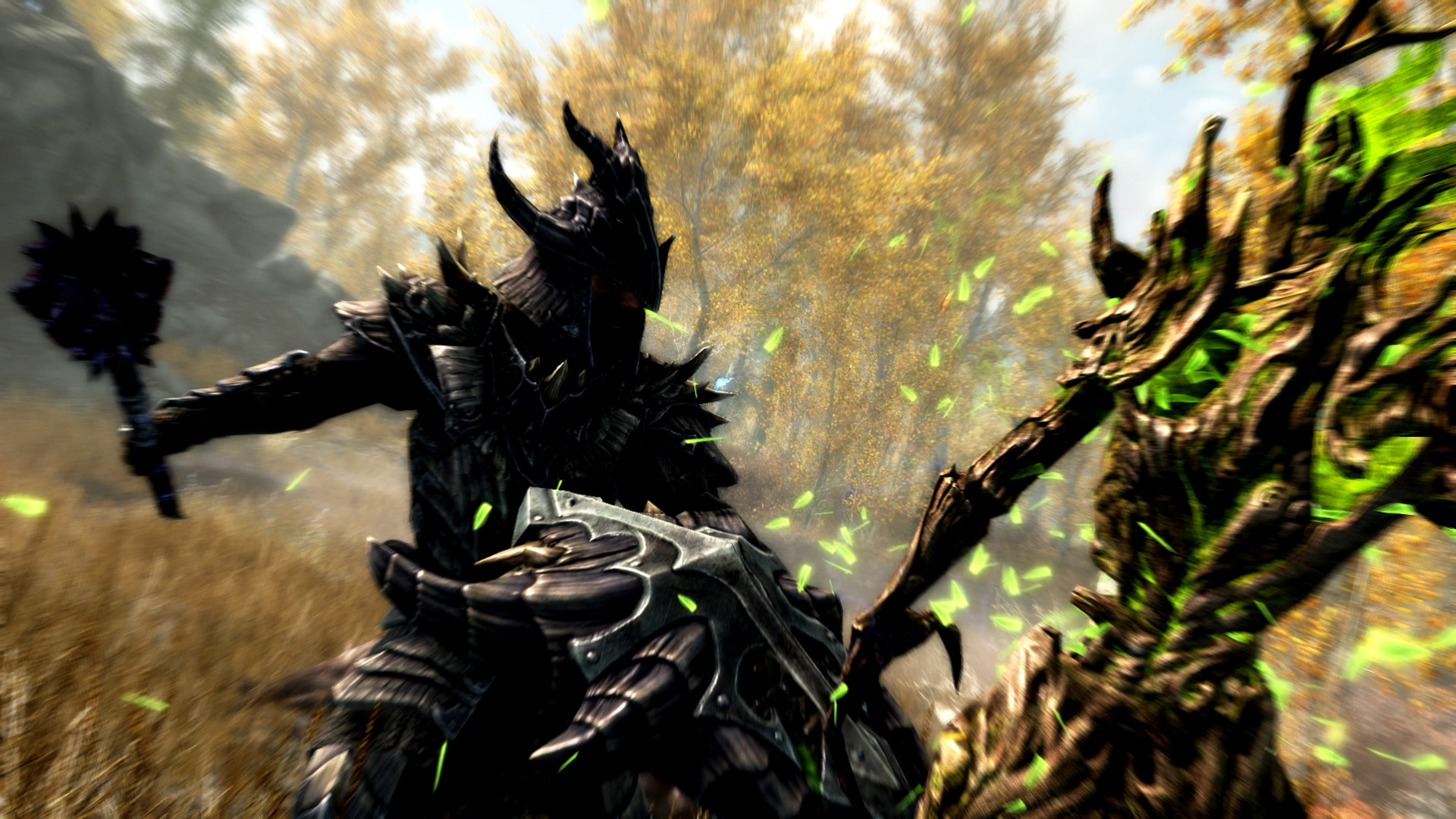
The mods are the other half of the phenomenon, and arguably the more important half. Skyrim’s PC modding scene did not just extend the game; it rebuilt it, repeatedly, for fifteen years — graphics overhauls, new lands, new quests, entire games-within-the-game. Bethesda’s smartest long-term decision was to treat that scene as a feature rather than a threat, and then to carry a version of it onto consoles with the Special Edition. A game that its players keep improving does not age on a normal schedule.
65 Million Copies Later, the Afterlife Is the Story
The number Bethesda put on it this summer was 65 million copies. Sit with that for a second. Sixty-five million is not a successful game; it is a population. It places Skyrim among the best-selling games ever made, ahead of titles that had their own console generations named after them, and it was reached not in one launch window but across fifteen years of steady, almost boring persistence.
That persistence is why a fifteenth anniversary piece does not need to ask whether Skyrim holds up. The market answered that question a long time ago, repeatedly, at full price and at discount, on machines that did not exist when the game was written. The more interesting question is what kind of object Skyrim has become. It is less a product now than a place — a shared geography. People who have not played it in a decade can still give you directions from Riverwood to Whiterun, still hear the first notes of its score as weather rather than music, still settle arguments by opening it.
And it is still being actively kept. The Elder Scrolls Online is currently running its Season Two: Echoes of Skyrim event, which began October 21 and runs into January — a reminder that even Bethesda’s other Elder Scrolls game now treats Skyrim, the place, as a headline act. Fifteen years after launch, the province is not nostalgia content. It is current programming.
And Sentinel? Quiet — Deliberately, and for Stated Reasons
So to the sequel, and the part of today’s story that needs the most care. The Elder Scrolls VI: Sentinel is real, it is named, and as of this morning it is officially not being talked about for some time. That silence has a context, and the context is not the one doing the rounds in panicked posts.
Bethesda has not been disbanded. Not Bethesda Softworks, not Bethesda Game Studios. What happened in 2026 was harder and more specific than that. In July, Microsoft’s Xbox “reset” cut roughly 3,200 gaming jobs across its studios. ZeniMax Online Studios and id Software were hit hardest; Bethesda Game Studios lost staff too — around 50 people. Then, on July 17, Bethesda Game Studios published a statement laying out where it stood: The Elder Scrolls VI is the studio’s primary development focus, and the studio was changing how it communicates — laying out its roadmap all at once instead of piece by piece. That same roadmap dump confirmed Fallout 5 and two Fallout remakes alongside Sentinel. Bethesda’s silence since then is not an absence of a plan. It is the plan, announced in advance.
The September chapter points the same way. In the September 22 Xbox reorganization, which eliminated a further 268 roles, Obsidian Entertainment was moved to report under Bethesda Softworks. Read that slowly: Bethesda gained a studio. Whatever else the reorg was, it was not a wind-down of the Bethesda organisation — companies being dismantled do not get handed Obsidian. The recent studio closure dominating the news this autumn was BioWare, under EA, announced October 21. Different company, different publisher, different story, and folding it into Bethesda’s is how a quiet anniversary turns into a false obituary.
Frame today’s message the way Bethesda has framed itself since July: a smaller studio, heads down, working on one very large game, having told everyone in advance that this is how it would work. You can be impatient with that — fifteen years is a long wait, and the wait for Sentinel will be longer — but impatience is a different thing from alarm. The studio is there. The game is its stated priority. The roadmap exists; it just arrives all at once, when it arrives.
Fifteen Years On, the Mountain Is Still There
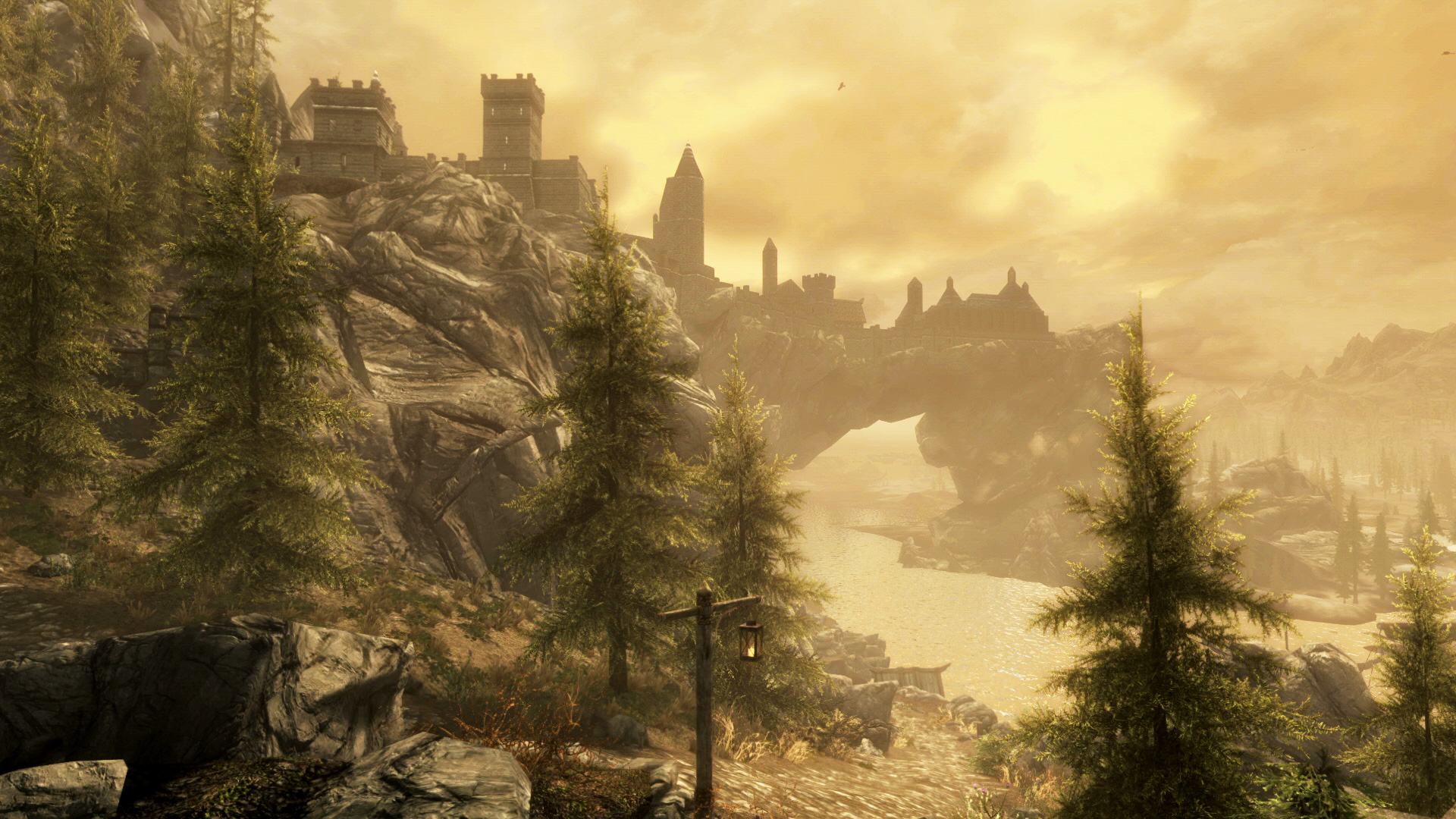
Anniversaries usually ask for a verdict, so here is one, kept short. Skyrim is not the deepest RPG ever made, nor the prettiest anymore, nor the best written line by line. It is something rarer: the most inhabited one. It ate a generation not by being perfect but by being present — at launch, at every re-release, in every mod list, on every new machine — until its world became part of the furniture of gaming itself.
Today Bethesda offered no surprise, and in the end it did not need to. Sixty-five million copies, a province people still navigate from memory, and a sequel being built quietly by a studio that has told us exactly what it is doing: that is a fifteenth birthday most games would trade their entire catalogue for. Happy birthday, Dragonborn. See you at the next re-release. There will be one. There is always one.