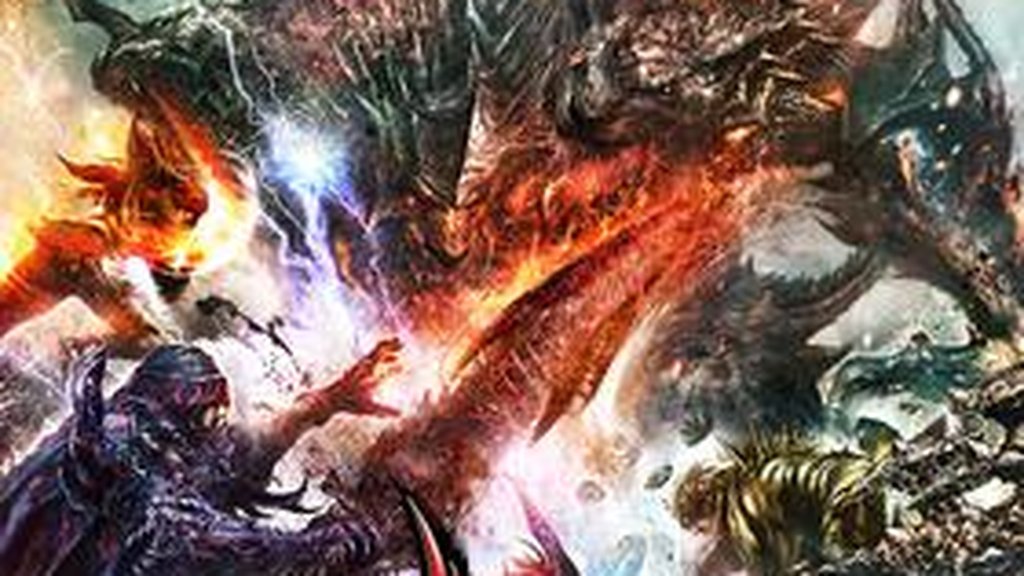
At a glance: Soul Sacrifice Delta · PS Vita · Marvelous AQL / Japan Studio, 2014 · Action RPG · Score: 8.5/10
Soul Sacrifice Delta is what happens when a good game is given a second draft by people who listened. Keiji Inafune’s original Soul Sacrifice (2013) was a grim, fascinating hunting-action game: you are a sorcerer’s prisoner, reliving a dead mage’s memories through a talking book, fighting monsters that were once people, and deciding — at the moment of every kill — whether to save the souls of the fallen or sacrifice them for power. Delta (2014) is the expanded re-release: a third faction, a mountain of new bosses, quests, spells and systems, the original’s rough edges planed down. It is the version to own, and one of the Vita’s deepest, darkest exclusives.
The core loop hunts in Monster Hunter’s territory but thinks in morality’s. Missions, mostly arena hunts against escalating grotesques — harpies, cerberuses, ogres, and the enormous Archfiends, each with a human tragedy narrated in the book’s margins — reward you with offerings: spells with limited uses, replenished between hunts. Combat is build-driven spell-slinging: roots that trap, golems that punch, blades of ice and blood, all slotted into a hand of six, all tuned by the sigils carved into your arm. The save-or-sacrifice choice threads through everything. Saving monsters and allies raises your divine arm and defence; sacrificing raises your dark arm and attack; your character’s appearance, and eventually the story’s branches, follow the balance you strike. Even your own body is currency: break a spell’s limits and you pay in flesh, scarring your sorcerer with curses that are features as much as flaws.

What Delta adds
Delta’s additions are structural, not cosmetic. The new Grim faction offers a third path — leave souls to fate, and let a roulette of outcomes decide — which loosens the original’s binary morality into something more interesting and gives neutral builds real power. There are new Archfiends drawn from fresh fairy tales (Delta’s fables lean into Grimm and beyond: a murderous Red Riding Hood, a drowned Ophelia), new quest lines including endless Alice-style maze hunts, new offerings, new raiment, and a proper base camp flow that cuts the original’s menu friction. The sorcerer AI partners, recruitable from the story’s cast, are smarter and more customisable. Crucially, Delta also rebalances the late game: the original’s grind for high-level offerings remains, but the routes to power are broader and the online co-op — four sorcerers to a hunt, still the best way to play — fills lobbies with builds the base game never allowed.
Monster Hunter asks what you’ll kill. Soul Sacrifice asks what you’ll become by killing it — and keeps the receipts carved in your arm.
As a Vita production it is handsome in a painterly, storybook way: the art direction — all watercolour filth and storybook gold — turns the hardware’s limits into style, and the book interface, pages turning under your thumbs, is a lovely use of the touchscreen. Load times are brisk, missions suit portable bursts of ten to twenty minutes, and sleep-mode hunting is the game’s natural rhythm. The flaws are the genre’s flaws: arenas repeat, the camera wrestles the larger Archfiends, and the offering grind, however softened, will test players who bounce off hunting games’ repetition. The localisation’s purple narration, meanwhile, is a love-it-or-hate-it commitment to the grim-fable register.
A word on versions
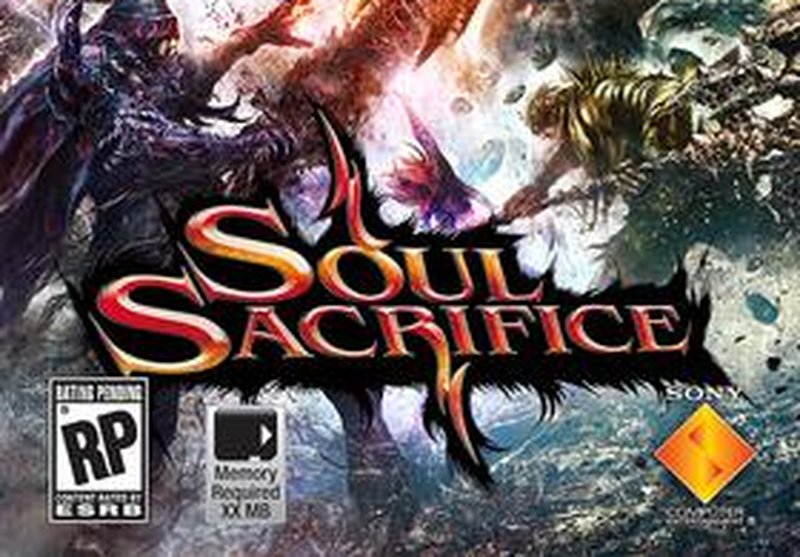
Buy Delta, not the original, unless you are collecting: Delta contains the first game’s story entire, imports its saves, and improves every system it touches. In the West Delta was a digital-first release with a limited physical presence in some regions, which has made it one of the Vita’s more sought-after carts — and one more reason to secure it while the store still sells it. The servers’ long twilight also argues for sooner rather than later: solo play is complete and satisfying, but the four-player hunts are the game’s beating heart.
The book, the voice, the dread
Soul Sacrifice’s presentation is a large part of its power. The entire game is framed as the journal of a dead sorcerer, read in a cell by a prisoner (you) awaiting sacrifice, with the demon-book Librom narrating in a voice of wheedling menace. Every boss arrives with its fable attached — the baker who became a cerberus out of hunger, the lovers who became a two-headed horror out of devotion — and the writing, in translation, commits fully to the cadence of a dark fairy tale: once upon a time, and it was horrible. The hunts themselves are scored with keening strings and taiko thunder, and the sacrifice moments are staged as genuine drama: a fallen Archfiend, returned briefly to human form, begging or raging, while the game waits for your verdict. Multiplayer raises the stakes further — sacrificing a fallen ally for the burst of power that might save the hunt is the game’s most infamous decision, and every veteran has a story about it. Delta’s new content honours all of this while widening it: the Grim faction’s gamblers, the new fables, and the extra endgame hunts give the book hundreds of hours of pages for the committed.
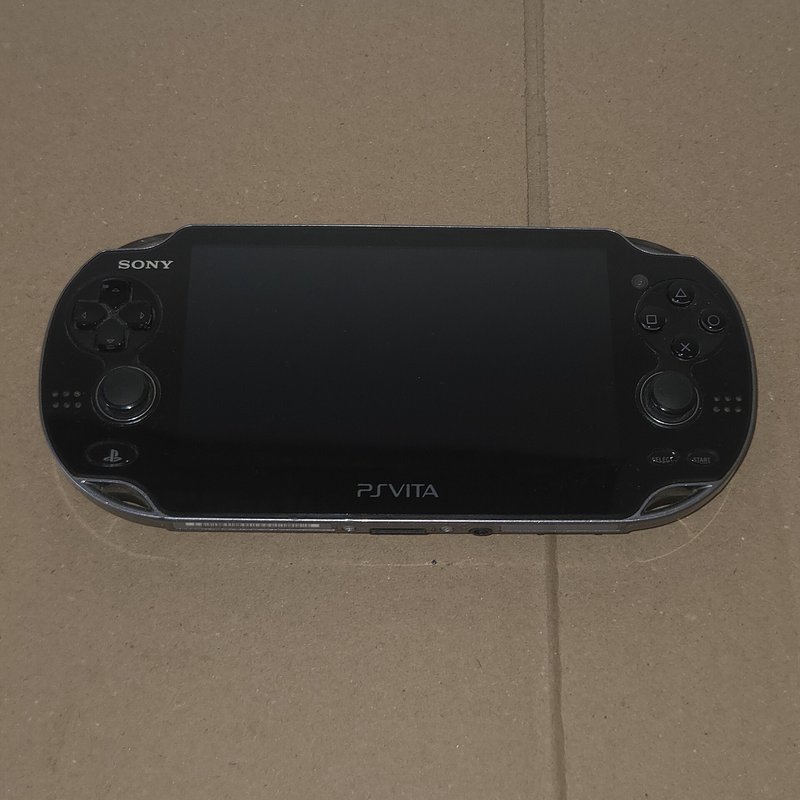
A note on access: Delta’s Western release was digital-first, and physical English copies are scarcer than the original’s — Asian-region physical editions with English text exist and are region-free on Vita, a fact collectors use often. Whichever route you take, prioritise securing the game while the store still functions in most regions: this is precisely the kind of deep, strange, platform-defining exclusive that suffers most when storefronts close. The sorcerer’s book deserves readers, and the Vita deserves to be the place they read it.
New players should know the onboarding is kinder than the reputation suggests. Delta front-loads its systems gently — the first fables teach saving, sacrificing and offering renewal in sequence — and the difficulty curve respects a solo sorcerer far into its ranks, with AI partners who pull their weight and a generous supply of tear-items to repair your scarred body. The grind, when it comes, is the good kind: targeted hunts for specific offerings, each with visible progress, in company if you bring friends. Bring friends if you possibly can. Four sorcerers chaining roots, golems and blood blades around a bellowing Archfiend, arguing over who gets sacrificed, is the Vita’s multiplayer at its most distinctive — a seance with combos, conducted in the dark, from a book that hates you beautifully.
Performance, briefly, because hunters live by it: Delta holds its frame rate through most four-player hunts, with dips reserved for the largest Archfiends at their most particle-drunk — acceptable on 2014 handheld hardware, and never bad enough to mistime a dodge that matters. Load times between the book’s pages and the field are short, the interface is thumb-friendly, and the whole production has the polished, second-draft confidence its name promises. This is the definitive edition of a definitive Vita game, and it plays like it knows.
Verdict
Soul Sacrifice Delta scores 8.5/10: the Vita’s finest hunting game, a dark fairy tale of power and payment with build-crafting depth to burn and a moral mechanic no rival has matched. Repetition and camera scuffles keep it from the top tier, but its atmosphere — that gorgeous, rotten storybook — is unmatched on the platform. Save the souls or spend them. Either way, the book remembers.