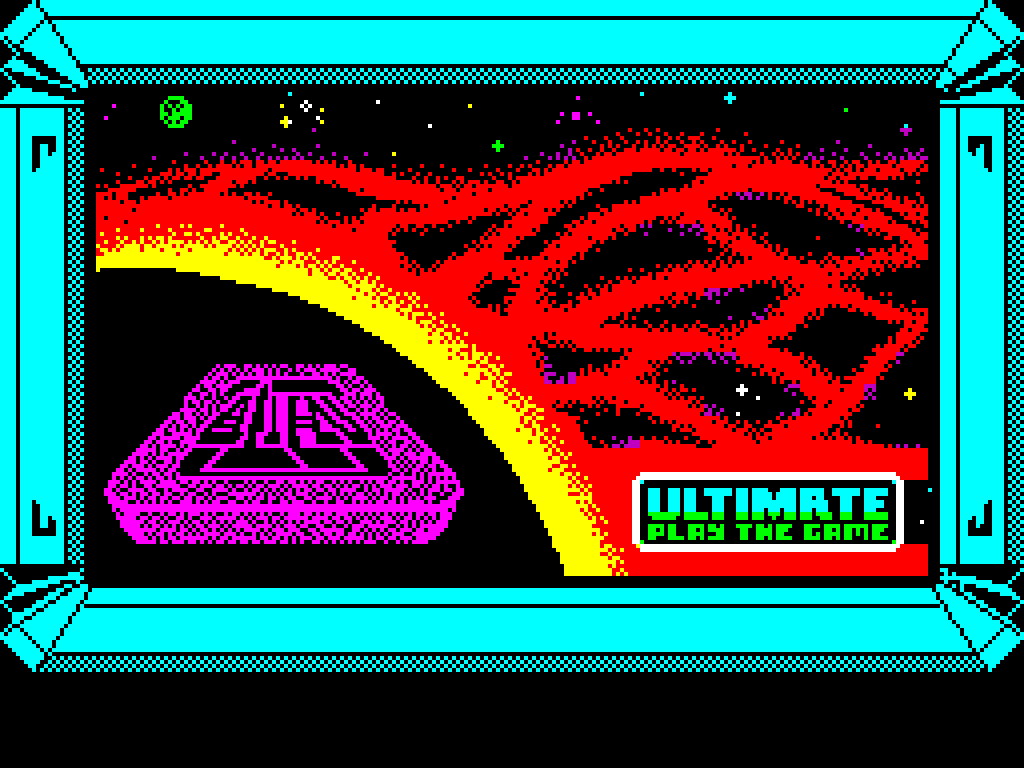
Every Spectrum owner knew the ritual. You typed LOAD, pressed play on the cassette deck, and the border of your television dissolved into stripes — red and cyan for the pilot tone, then that rising scream of data — while the screen filled, block by block, line by line, from the top down, with a picture. For somewhere between two and five minutes, that picture was the game: its poster, its promise, its front door. The ZX Spectrum loading screen — the SCREEN$ in the machine’s own BASIC vocabulary — was the most constrained canvas in British art: 256 by 192 pixels, fifteen colours that could only meet two-to-a-cell, drawn to be revealed slowly by a tape deck. And a generation of artists, most of them teenagers, turned it into a folk art form that people are still collecting, exhibiting and recreating today.
To understand why the loading screen mattered, you have to understand the wait. A 48K game was a substantial data stream by the standards of a compact cassette, and loading was neither quick nor guaranteed: volume too high, volume too low, a cheap tape stretched by a previous summer — any of it could end five minutes of patience with the dreaded R Tape Loading Error and a return to the beginning. The loading screen was compensation designed into the technology. The first block of data a game loaded was usually its picture, precisely so that the player had something to look at while the rest squealed in. Publishers understood the psychology perfectly: the screen was judged in shop windows and magazine screenshots long before the game behind it was judged at all, and a great SCREEN$ sold the game twice — once at the till, and once again on every single load for the rest of the tape’s life.
Two Colours Per Cell, No Excuses
The canvas itself deserves respect, because its restrictions were savage. The Spectrum’s display is a bitmap for brightness but a coarse grid for colour: each 8-by-8 pixel cell can hold exactly two colours, one ink and one paper, chosen from a palette of seven hues plus black, each in normal or bright. Draw a red diagonal across a blue background and the machine does not argue — it simply repaints whole cells, producing the famous colour clash that defines the machine’s look. Loading-screen artists worked inside this like mosaicists. The great ones — and the scene remembers its great ones — learned to compose around the grid: bold shapes aligned to cell boundaries, dithering patterns that suggested shades the palette did not contain, black keylines borrowed from comic art to keep colours from ever having to argue. Where the in-game graphics had to move, and so had to compromise, the loading screen could be still, and spend its entire budget on being looked at.
The subjects were the era’s whole visual culture in miniature: airbrushed barbarians and gleaming starships in homage to the paperback covers the artists admired; loving recreations of arcade cabinets’ artwork; film-poster compositions for licensed games; and, increasingly, original work of real ambition for the prestige publishers. Ocean, Ultimate, Hewson and the other serious houses treated the loading screen as part of the product’s art direction, commissioning illustrators whose painted cassette inlays and loading screens were two versions of the same image — the painting you held in your hand, translated into 6,912 bytes of coloured light. That translation was often done by hand, pixel by pixel, by the artist or a specialist, using early graphics tools or, in the beginning, graph paper and hexadecimal. The demoscene’s discipline of beauty under arbitrary constraint starts, in Britain, substantially here.
The Reveal Was the Performance
What no static gallery can reproduce is the way these pictures arrived. A SCREEN$ does not fade in. It is written to memory in the order the tape delivers it — the display file in thirds, scan line by scan line within each third — so the image assembles itself in horizontal bands, details resolving as the data lands: sky first, then a face, then a logo, while the border strobes and the loading sound rises and falls around it. Players developed genuine connoisseurship of the reveal. You knew which games loaded their screens early and which made you stare at stripes; you knew the exact moment in a favourite load when the hero’s eyes appeared. Some programmers played with the format itself — animated loading screens, games that drew or embellished their pictures while loading, counters and messages in the border, miniature entertainments for the wait. The five minutes were dead time the industry refused to leave dead, and the loading screen was where a game’s personality arrived first. In many households it was also, thanks to a wobbly tape or an optimistic volume setting, the only part of the game guaranteed to be seen on any given afternoon.
From Graph Paper to the Gallery Wall
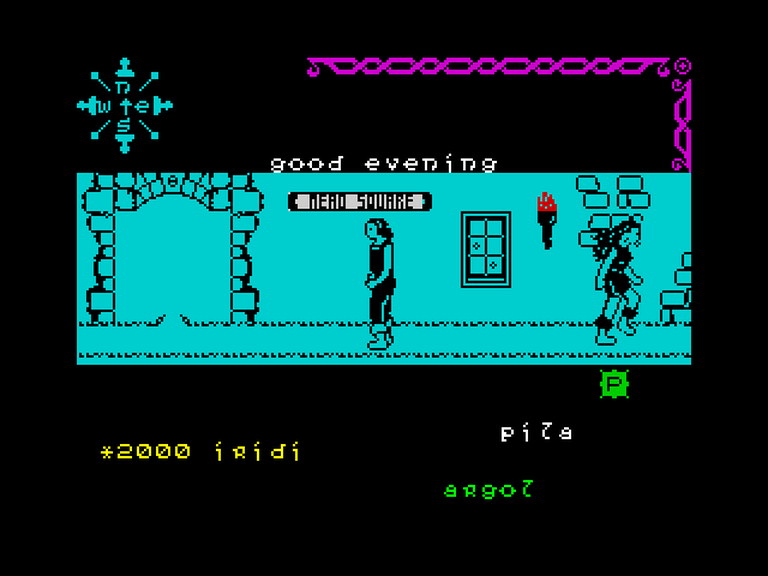
The afterlife of the loading screen has been happier than anyone in 1984 could have predicted. Because a SCREEN$ is a discrete, standardised artefact — a single memory image, exactly reproducible — it archives beautifully, and the Spectrum’s preservation community has catalogued thousands of them, preserved with the same care as the games behind them. Artists of the original era have been rediscovered and credited; the style — that clash, that dither, those bright primaries on black — has become a visual shorthand for a whole era of British computing, quoted by indie games, album art and gallery exhibitions of pixel art. Modern Spectrum developers, and there are more of them every year, still compose a loading screen as a matter of honour, and the contemporary demoscene still competes in the format: new SCREEN$ art, made now, judged by the same rules the tape imposed then. Few art forms are so completely defined by a file format, and fewer still have kept their makers working in it for forty years.
There is a deeper point underneath the nostalgia, and it is why this most disposable of artefacts — a picture whose job was to fill a wait — repays attention. The loading screen was most Spectrum players’ first encounter with the idea that a computer picture could be authored: that someone had sat down and decided, pixel by pixel, what you would feel while the tape screamed. It taught a generation to look closely at screens, to notice craft, to understand that the machine’s limitations were not the opposite of style but its source. Every art form needs a constraint strict enough to create a style and a wait long enough to create an audience. The Spectrum, by accident of cassettes and colour cells, provided both.
The Border Settles
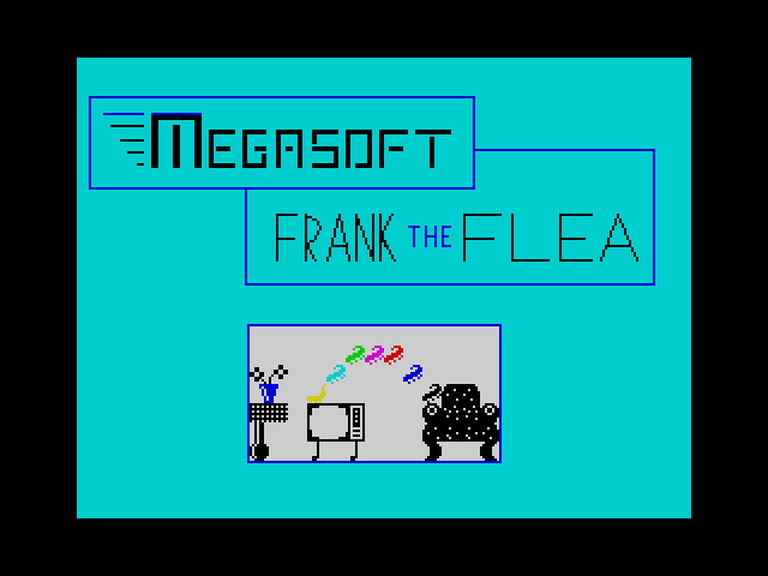
Loads are instant now, and something was genuinely gained in that; nobody sane would reimpose the R Tape Loading Error on the world. But the little ceremony — the stripes, the rising tone, the picture arriving in bands like a photograph developing — gave every Spectrum game a overture, and the artists who painted for that overture deserve their place in the machine’s story alongside the programmers. Next time you load one of the classics reviewed on this shelf, do not reach for your phone during the wait. Watch the screen fill. Somebody, in 1984, made that picture for exactly that moment — and they made it well enough that you are still looking at it.