
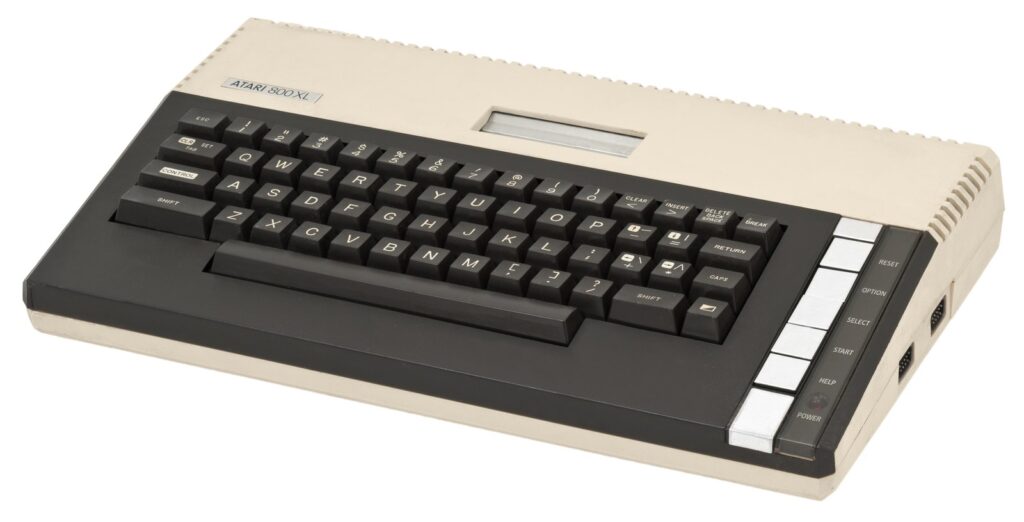
There is a phrase you do not use lightly in hardware, and Retro Games Ltd used it on November 4: THE 800XL has gone gold. Firmware development is officially complete, and the full-size recreation of Atari’s best-selling 1983 8-bit computer is now in the final stages ahead of manufacturing. Not a render. Not a crowdfunding tease. A finished software build, heading for a production line, with pre-orders open at £199.99 in the UK and $219.99 in the US and shipping set to begin on 23 April 2027.
I have held enough of these recreations to know the gap between the announcement and the object. The announcement is always beautiful. The object is where the keyboard is either right or it isn’t. So let’s be clear about what has been locked in, what is still a promise, and whether $220 is a fair ask — because at that money, “fair” has to be earned.
What “gone gold” means for THE 800XL — and what was announced
“Gone gold” is old software language: the master build is done, frozen, and cleared for production. For THE 800XL it means the firmware — the carousel menu, the emulation, the display modes, the save and rewind systems, the way the machine handles a real cartridge in its slot — is finished. What remains is manufacturing: boards, cases, keyboards, assembly, boxes on boats. That is not a small remainder, and schedules can still slip, but a gold firmware is the point where a project stops being a design exercise and becomes a product.
The context matters. Retro Games Ltd is the team behind THEC64 Mini, THEA500 Mini and THE400 Mini. The minis proved they can ship polished, licensed hardware at scale — but minis are a compromise by definition: half-size shells and, in early cases, decorative keyboards. THE 800XL is the harder job: a full-size machine you are meant to type on, plug forty-year-old cartridges into, and program in BASIC. Going gold on that is a bigger claim.
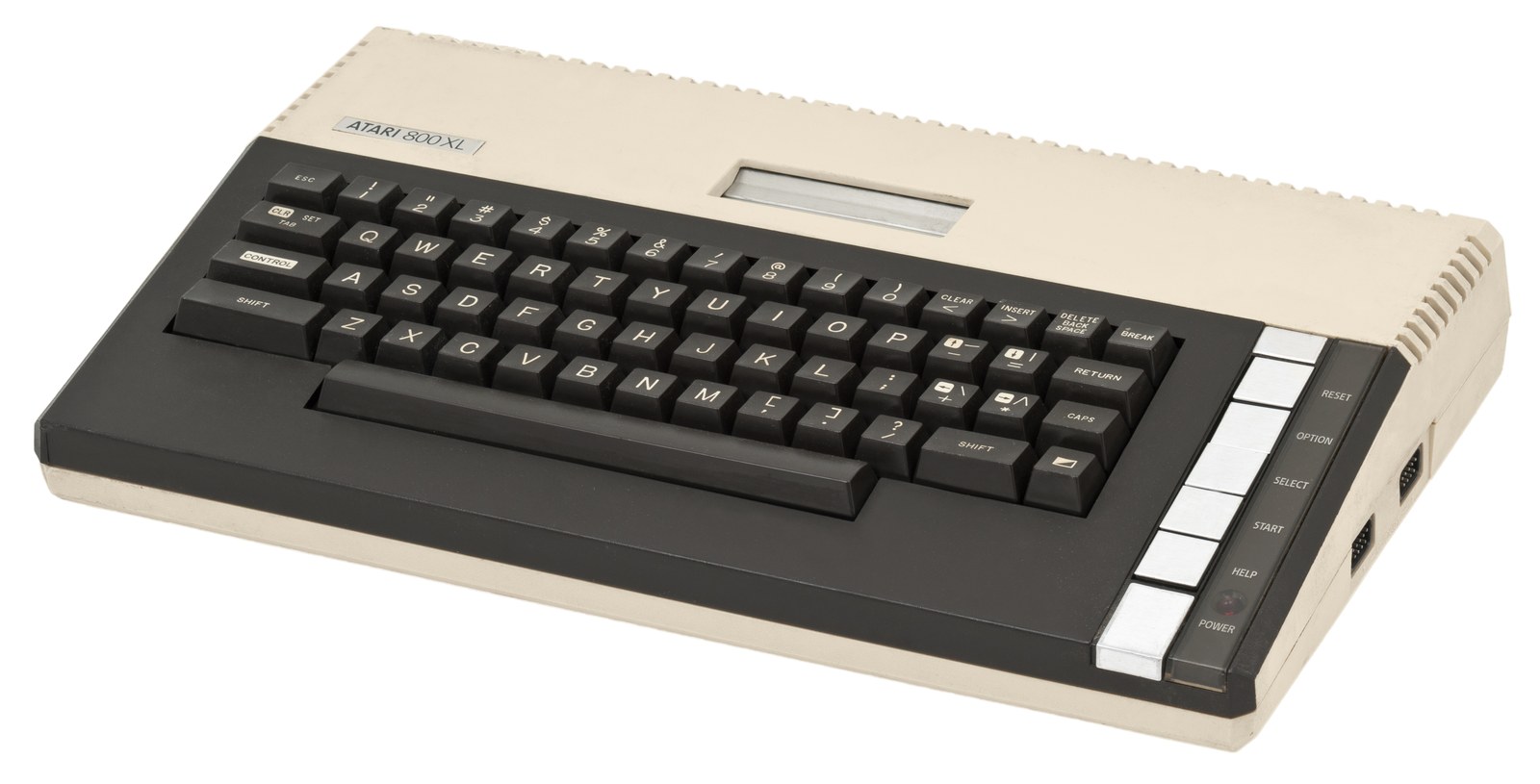
Distribution is handled by PLAION REPLAI, pre-orders are live through Atari and the usual retailers, and shipping begins on 23 April 2027, per Atari’s own GamesPress release.
THE 800XL in numbers: the specs checklist
Here is the machine, as announced, in the plain checklist form I wish every retro hardware launch would use:
- Form factor: full-size recreation of the 1983 Atari 800XL — not a mini
- Keyboard: full-size mechanical keyboard
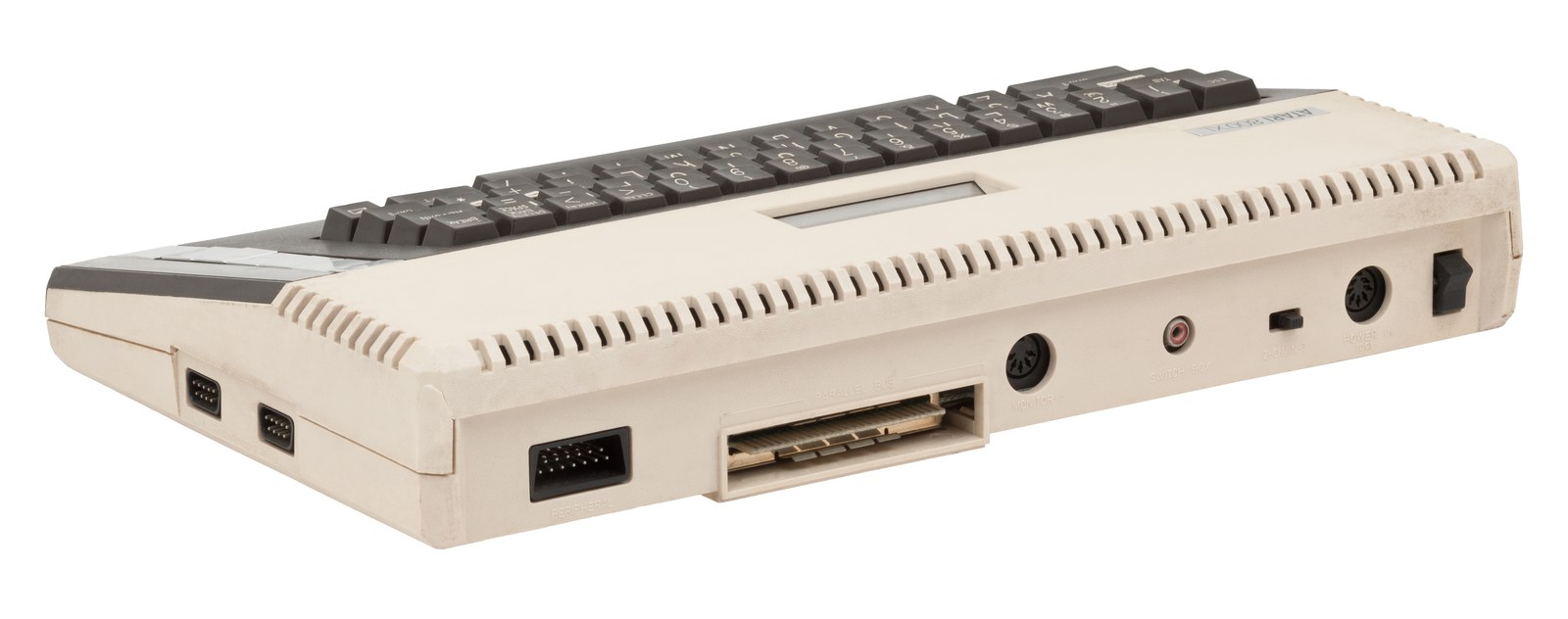
- Cartridge slot: WORKING slot, announced as compatible with most original Atari 400, 800, XL and XE cartridges
- Built-in language: Atari BASIC, baked in — switch it to Classic Mode and it behaves like a real home computer
- Video: HDMI output, with PAL 50Hz and NTSC 60Hz modes, 4:3 presentation, pixel-perfect options and CRT-style filters reported
- Loading: USB loading of cartridge, disk and cassette images, plus the 25 built-in games
- Compatibility: Atari 8-bit software across the 400, 800, XL and XE lines, with Atari 5200 support reported via USB loading
- Per game: four save slots and rewind of up to 30 seconds, per launch coverage
- In the box (reported): THECXSTICK joystick recreation — and note, coverage says the USB-C power cable is not included, so budget for the brick-and-cable drawer raid
- Price: £199.99 / $219.99 / €219.99
- Ships: 23 April 2027
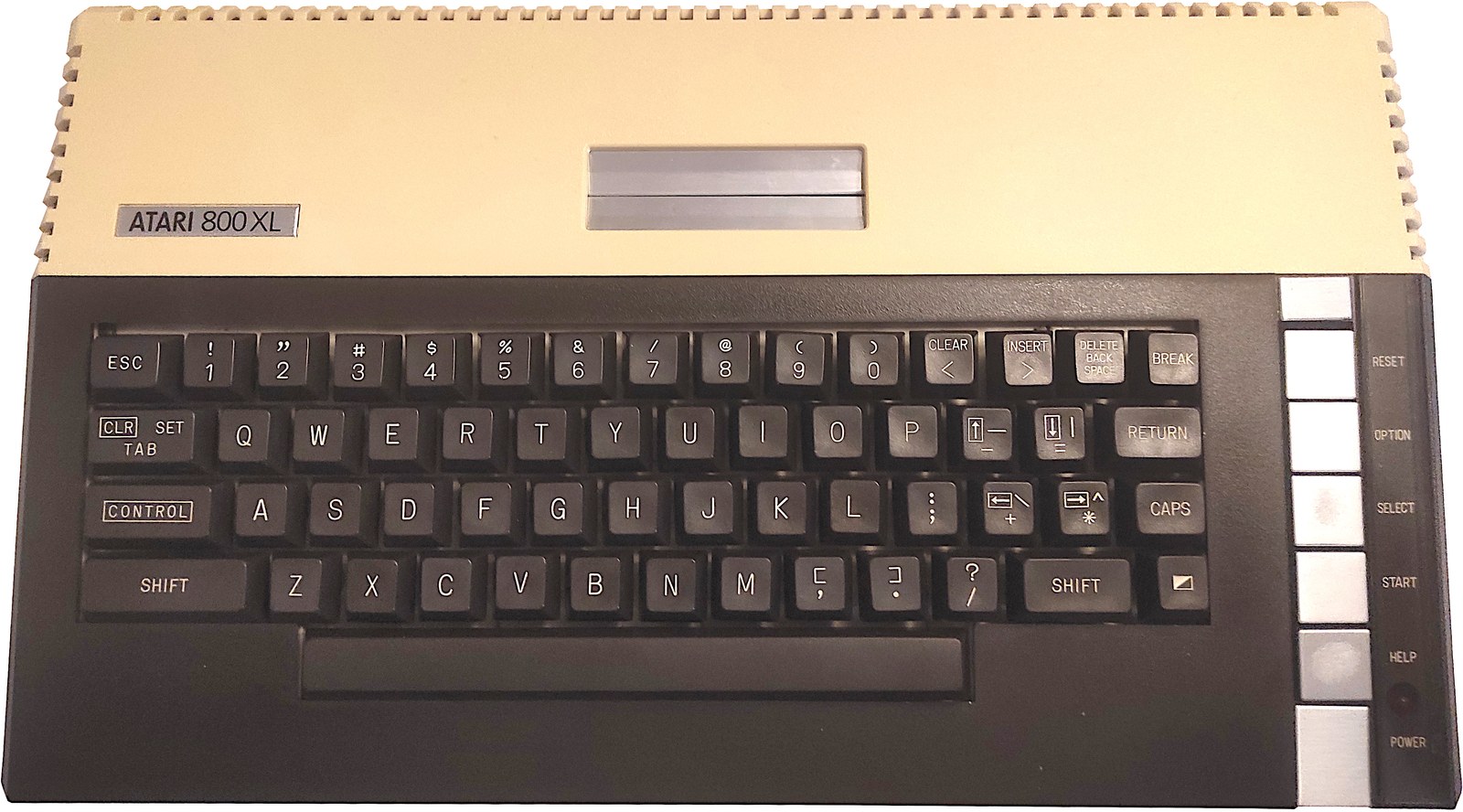
Two lines in that list do the heavy lifting. The mechanical keyboard is the first. A recreation of a home computer lives or dies at the fingertips — the original 800XL’s keyboard was one of its selling points in 1983, and a mushy membrane copy would betray the whole idea. Mechanical switches are the right call, and they are not the cheap call, which tells you something about intent. The working cartridge slot is the second. Plenty of recreations treat your old media as a problem to be emulated away. This one invites you to blow the dust off a cartridge you have owned since the Thatcher-Reagan years and push it into a brand-new machine. That is the feature collectors will actually use, and the one I most want tested — “most cartridges” is doing some work in that sentence, and the exceptions list is something reviewers should pin down before April.
The 25 built-in games on THE 800XL
Eight of the 25 are licensed Atari first-party titles and 17 are licensed third-party games — licensed being the operative word; nothing here is a grey-area ROM pack. The full line-up:
- Airball, Asteroids, Basketball, BattleZone, Berzerk
- Boulder Dash, Bristles, Capture the Flag, Centipede, Crystal Castles
- Elektraglide, Encounter, Flip and Flop, Henry’s House, Hover Bovver
- Lee, M.U.L.E., Millipede, Miner 2049er, Missile Command
- O’Riley’s Mine, The Seven Cities of Gold, Star Raiders II, Wavy Navy, Yoomp!
That is a better list than these machines usually get. The arcade conversions (Asteroids, Centipede, Millipede, Missile Command, BattleZone, Berzerk, Crystal Castles) are the crowd-pleasers, but the connoisseur picks are what sell me: M.U.L.E. is one of the greatest multiplayer economy games ever written and it was born on this hardware; Miner 2049er is a platforming landmark; The Seven Cities of Gold is strategy from the era when strategy fit in 48K; and Yoomp! is a beloved modern-era Atari 8-bit creation, which shows someone on the licensing team actually knows the scene rather than just the back catalogue. Two more titles — Castle Crisis and Super Breakout — are hidden on the carousel and unlock when you connect an analogue controller, a gimmick, but a harmless and rather charming one.
The built-in list is the starter pack. The cartridge slot and USB loading are the library. A recreation that understands that difference is a recreation built by people who own the original.
The original 800XL: why this machine, why 1983 matters
If you came up through consoles, the 800XL needs a sentence of introduction. Launched in late 1983 at $299 in the US and £249 in the UK, it was a cost-reduced, tidied-up descendant of the Atari 800, built around a 6502 processor running at 1.79 MHz, with 64K of RAM, built-in BASIC, the ANTIC and GTIA graphics chips, the POKEY sound chip, and a 256-colour palette at a time when rivals were counting colours on their fingers. It became Atari’s best-selling 8-bit computer — the machine that put Atari computing into ordinary houses during the price-war years against the Commodore 64.
What owners remember is the solidity. The XL case felt engineered: a proper keyboard, silver console keys down the right side, a cartridge slot with sprung metal doors. It looked like equipment, not a toy, and trade press at the time praised exactly that. That is the standard the recreation is judged against. Nobody is nostalgic for a specification sheet — they are nostalgic for how that slab felt under their hands at age twelve.
Who should preorder THE 800XL — and who should wait
Price honesty, then. £199.99 / $219.99 is not mini money. It is real money — roughly the money a working original 800XL changes hands for, depending on condition, recap state and whether the power supply has tried to kill the board yet. So the question is not “is it worth it?” in the abstract. It is “which buyer are you?”
Preorder if: you own original Atari 8-bit cartridges and want a safe, HDMI-clean way to run them without risking forty-year-old hardware; you want to actually type — to write BASIC, run type-in-style software, use it as a computer rather than a games ornament; or you collect Retro Games Ltd’s full-size line and know from the earlier machines that their production runs do sell through. For those buyers, a gold firmware and a named ship window is a reasonable moment to commit.
Wait if: your interest is only the 25 built-in games — emulation and THE400 Mini cover a good chunk of that itch for far less money; you are sensitive to keyboard feel and want a reviewer with a production unit, not a preview, to confirm the switches and keycaps before you pay; or the words “most cartridges” worry you and your collection leans on the oddball carts that might be the exceptions. Waiting costs you nothing but time — April 2027 is months away, and production-unit reviews will land before your money has to.
And a word for the merely curious: overpriced gear is gear that charges full-size money for a mini’s compromises. On paper, this doesn’t. Full-size case, mechanical keys, working slot, licensed library, BASIC. If the production units match the paper, $219.99 is a fair price for a new computer with a warranty that plays your old cartridges — because the alternative, keeping a 1983 board alive, is a hobby with a soldering iron attached, and not everyone signed up for that hobby.
What to watch before April 2027
Between gold firmware and a box on your desk, here is the checklist I will be watching, and you should too:
- Production-unit keyboard reviews — switch type confirmed, key feel, and whether the silver console keys survive the transition intact
- The cartridge compatibility exceptions — which original carts don’t work, named specifically, not buried
- 5200 support in practice — reported at announcement; how complete it is on shipping firmware is a review question
- Display latency and the CRT filters — the difference between a nice picture and a right picture
- Manufacturing updates — gold firmware is done; boards, cases and assembly are the schedule risk now, and honest delay news beats silence every time
- What’s in the box — if the power cable really is excluded, that should be shouted on the product page, not whispered in coverage
The bottom line from the hardware desk: THE 800XL going gold is the most concrete news the Atari 8-bit revival has produced, because it converts a promising announcement into a finished build with a ship window. The concept was always right — full size, real keys, real slot, real BASIC. Now it has to survive contact with a factory and then with reviewers who own originals. Roll on April 2027. I’ll have a cartridge ready.