
Video Interface Chip: the original
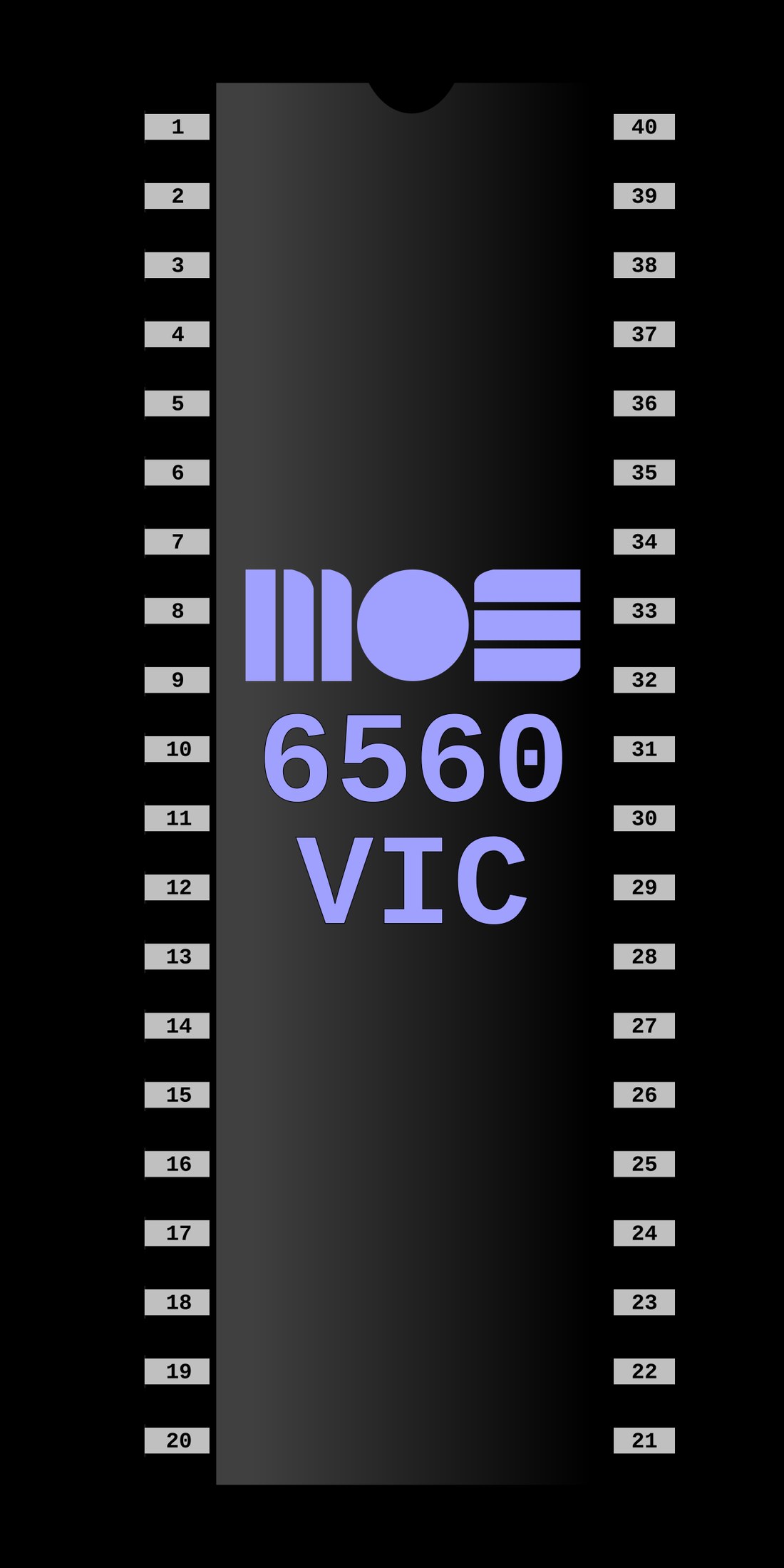
Before there was a VIC-II — the celebrated graphics chip of the Commodore 64 — there was simply the VIC: the MOS Technology 6560 in NTSC territories and its 6561 sibling for PAL, designed under Al Charpentier at MOS Technology as a low-cost video controller for terminals and cheap computers. Commodore, which owned MOS, built a computer around it and named the computer after the chip. The VIC-20 is, literally, the VIC chip with a 6502, some RAM and a keyboard attached — which is why understanding the chip explains everything about the machine’s look, sound and soul. The VIC handles the display, the sound, the light pen and the analogue paddle inputs: a one-chip multimedia department for a $299 computer, at a moment when rivals were charging extra for colour.
Its display system is character-based to the core. The screen is a grid — 22 columns by 23 rows in the VIC-20’s standard configuration, noticeably squarer than the 40-column displays of pricier machines — and every object in every game is built from characters: 8-by-8 or double-height 8-by-16 cells, redefinable at will. Resolution tops out around 176 by 184 pixels, with eight main colours and eight auxiliary shades, multicolour character modes that trade resolution for richer tiles, and no hardware sprites or smooth scrolling at all. Programmers responded with the most inventive character graphics in home computing: entire arcade games — Pac-Man, Defender-style rescues, Centipede-style grid wars — redrawn as living typefaces, moving with a smoothness the hardware never promised, because the programmers moved the characters cleverly rather than the pixels directly.
Three voices and a noise maker
The VIC’s sound department is as distinctive as its graphics: three square-wave tone generators, each with its own range, plus a white-noise generator — a full quartet by 1981 home standards, when many computers offered a single beeper channel. The square waves have a reedy, assertive character that defines the VIC-20’s audio identity, from Radar Rat Race’s looping nursery tune to the zaps and thuds of a hundred shooters, and the noise channel handles explosions, engines and applause. There are no filters, no envelopes worth the name, no SID-style drama — the VIC-II’s famous sibling chip is a different universe — yet within its limits the VIC makes honest music, and its limitations became an aesthetic: the sound of the friendly computer is bright, brash and unmistakably square.
The chip also explains the VIC-20’s most-loved quirk: its enormous, friendly text. The 22-column display, chosen to suit cheap televisions, gives characters room to breathe and makes the machine’s BASIC the most readable of its generation — a real factor in its success with beginners and schools. What looks like crudeness from the C64 era reads, from the VIC’s own moment, as accessibility engineered in silicon. The little chip was not trying to be a cinema. It was trying to be a window that every family could afford, and it succeeded so well that Commodore named the age’s bestselling computer after it.

Legacy of the first VIC
The VIC chip’s ideas — character graphics as a games medium, colour and sound as standard equipment, a display designed for the television already in the house — became Commodore’s house style, refined in the VIC-II and the TED and carried through the decade. Its constraints also created a programming culture: the VIC-20 scene, then and now, prizes the elegant squeeze, the game that should not fit but does. Modern VIC demos still push redefined characters into places Charpentier never imagined, which is the sincerest compliment a 1980 chip design can receive.
Judge the 6560 and 6561 by their spec sheets and they are modest. Judge them by what a generation built on them — the first million-selling computer, the first games of Jeff Minter, a thousand classrooms’ first BASIC — and they are giants. The VIC-20’s character, in every sense, is its chip.
A technical footnote that delights engineers: the VIC also generated the machine’s timing and handled the paddles and light pen, making it less a graphics chip than the computer’s sensory system entire. When programmers praise the VIC-20 as a coherent little machine, this is what they mean — one chip’s personality, expressed through everything the computer could show, play and feel.
Character graphics as an art form
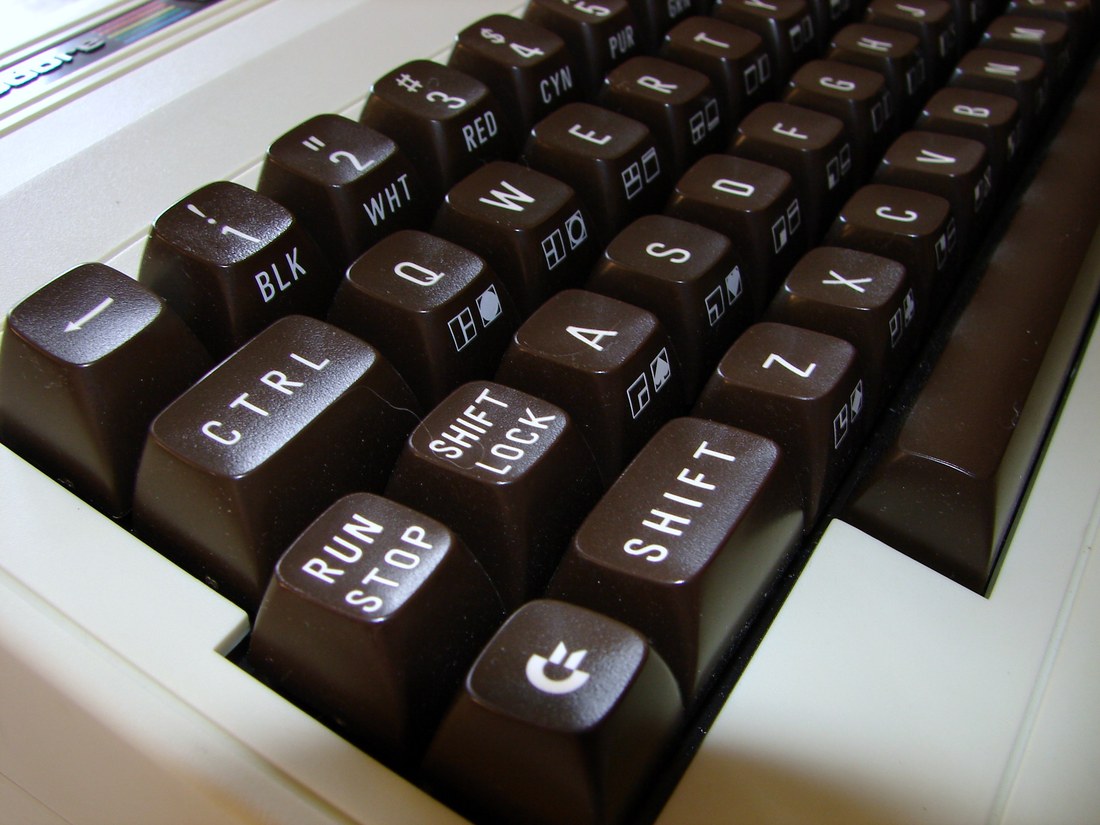
The deepest consequence of the VIC’s design is one its engineers may not have intended: it made typography into a games medium. Because every object was a character, VIC-20 programmers became, of necessity, type designers — drawing serpents, spaceships, chessmen and entire landscapes into 8-by-8 grids, animating them by redefining the font itself mid-game. The aesthetic that results is unmistakable and, to eyes raised on it, beautiful: bold, symbolic, closer to iconography than illustration. Modern pixel artists working in constrained palettes are, knowingly or not, the VIC’s grandchildren. The chip’s limits forced an art direction, and art directions outlive specifications.
It is fitting, then, that the machine named for this chip became the first computer to sell a million. The VIC was not the most powerful video chip of 1980, or the most colourful, or the most musical. It was the one whose compromises all pointed the same way — toward the television, toward the family, toward the price that changed history. Silicon is rarely destiny. In a cream-coloured keyboard in 1981, it was.
Preservationists should note the chip’s other legacy: because the VIC generated the display so directly, the machine’s look is unusually well preserved in emulation — the colours, the borders, the exact blue of the BASIC screen are the 6560’s signature, reproduced pixel for pixel by modern emulators that treat Charpentier’s design with the respect due a founding document. Chips are usually anonymous. This one signs every screen its computer ever drew.
Engineers reading this feature in 2026 will note one final elegance: the VIC imposed almost no proprietary lock-in on its programmers’ imaginations. Everything the chip could do was documented in Commodore’s own guides, down to the registers — an openness that turned owners into programmers and programmers into the demo scene that still, today, coaxes the 6560 and 6561 into effects their datasheets never promised. A chip that invites its users to exceed it is a rare thing in any decade. The VIC-20’s chip did it as a matter of policy, and the culture that resulted — tinkerers all the way down — became the machine’s true specification. The datasheet said 22 columns. The culture said: watch this — and forty years of programmers, players and tinkerers are still watching, still typing, and still finding new tricks inside the little chip that started everything.
Entire arcade games redrawn as living typefaces — the VIC chip’s constraints created a programming culture of the elegant squeeze.
For the hardware in hand — what to buy, what to check, what it costs — see our VIC-20 Buying Guide. For the chip in context, the flagship history of the machine lives elsewhere on this site.