At a glance — Event: Atari Homebrew Awards, 9th annual edition · Organiser: James (ZeroPage Homebrew) · Partners: Atari, ZeroPage Homebrew, AtariAge · Announced: November 23, 2026 · Status: Suspended for this year; ZeroPage Homebrew’s streams continue as normal
The Atari Homebrew Awards will not happen this year. James, the organiser behind ZeroPage Homebrew, announced the suspension on the AtariAge forums this week, and his reason was not money, time or interest. It was arithmetic. There are suddenly too many games, made too fast, and no honest way left to judge them against each other.
“Keeping up with the large number of AI assisted game development had become increasingly difficult as this year wore on,” he wrote, “with some developers even releasing multiple games a week with the aid of AI. This flood of new AI games forced me reevaluate the way games were qualified and judged for the upcoming AHAs.”
What the Atari Homebrew Awards were for
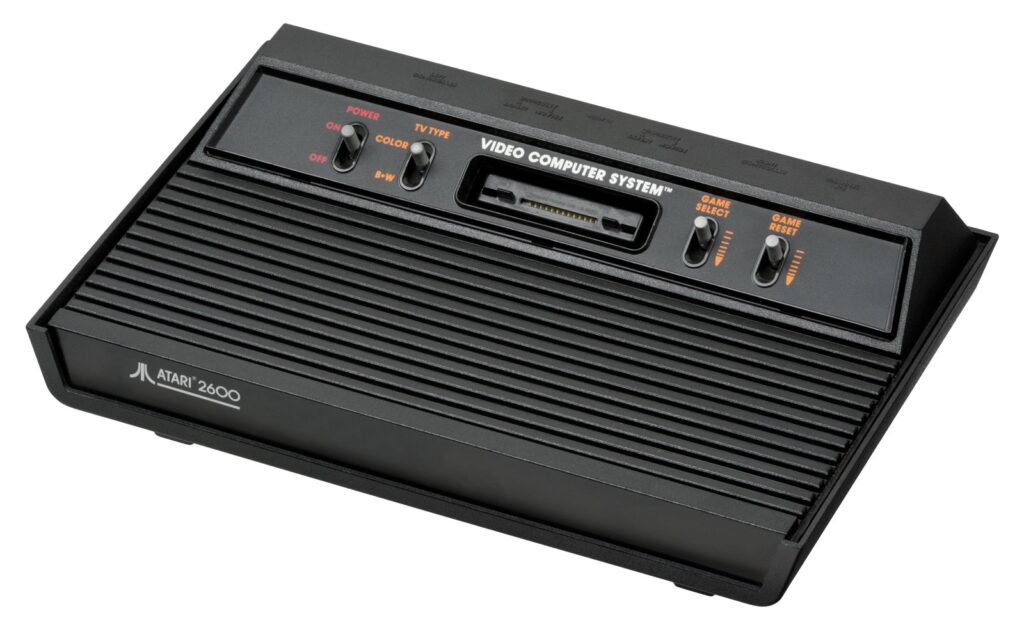
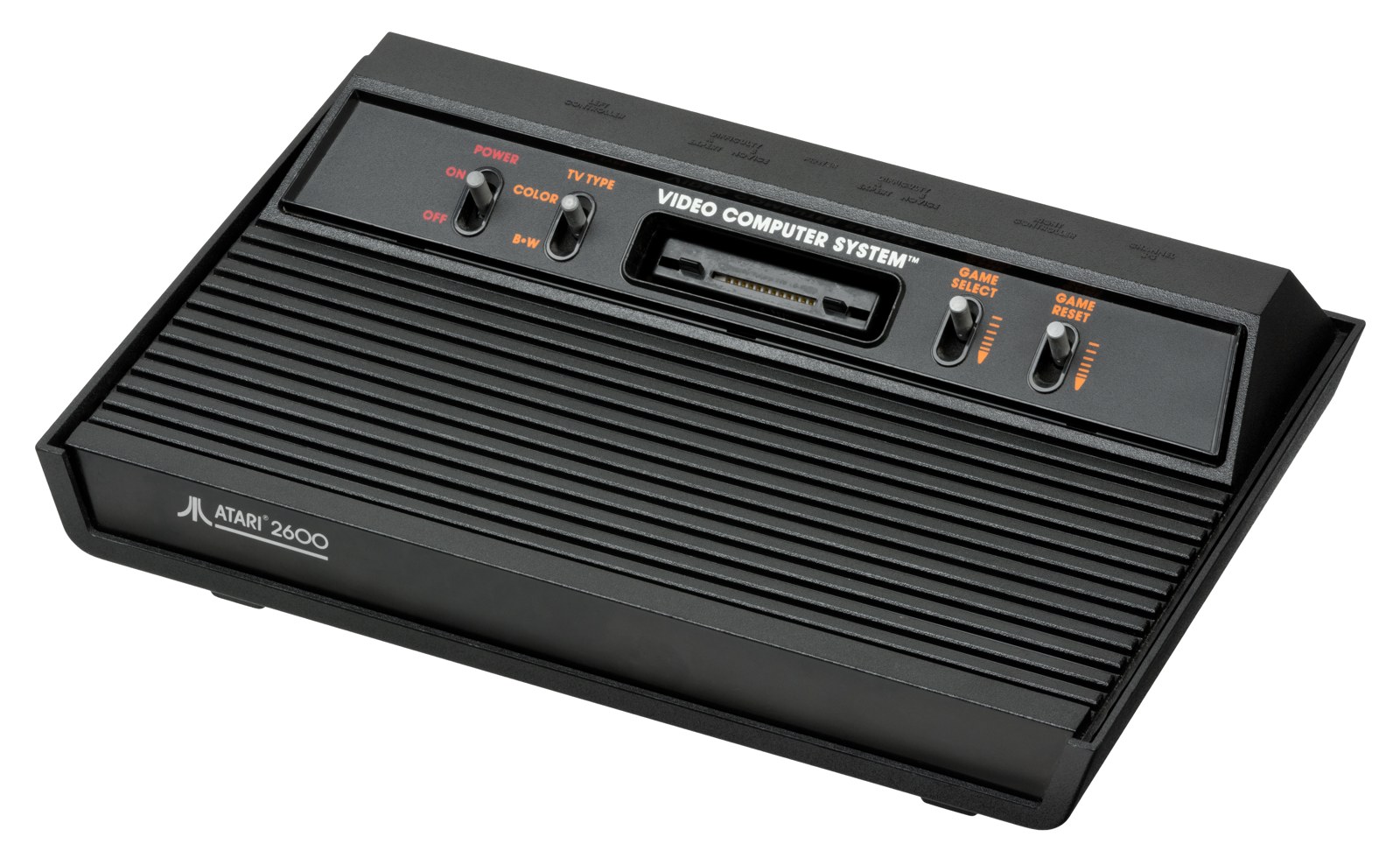
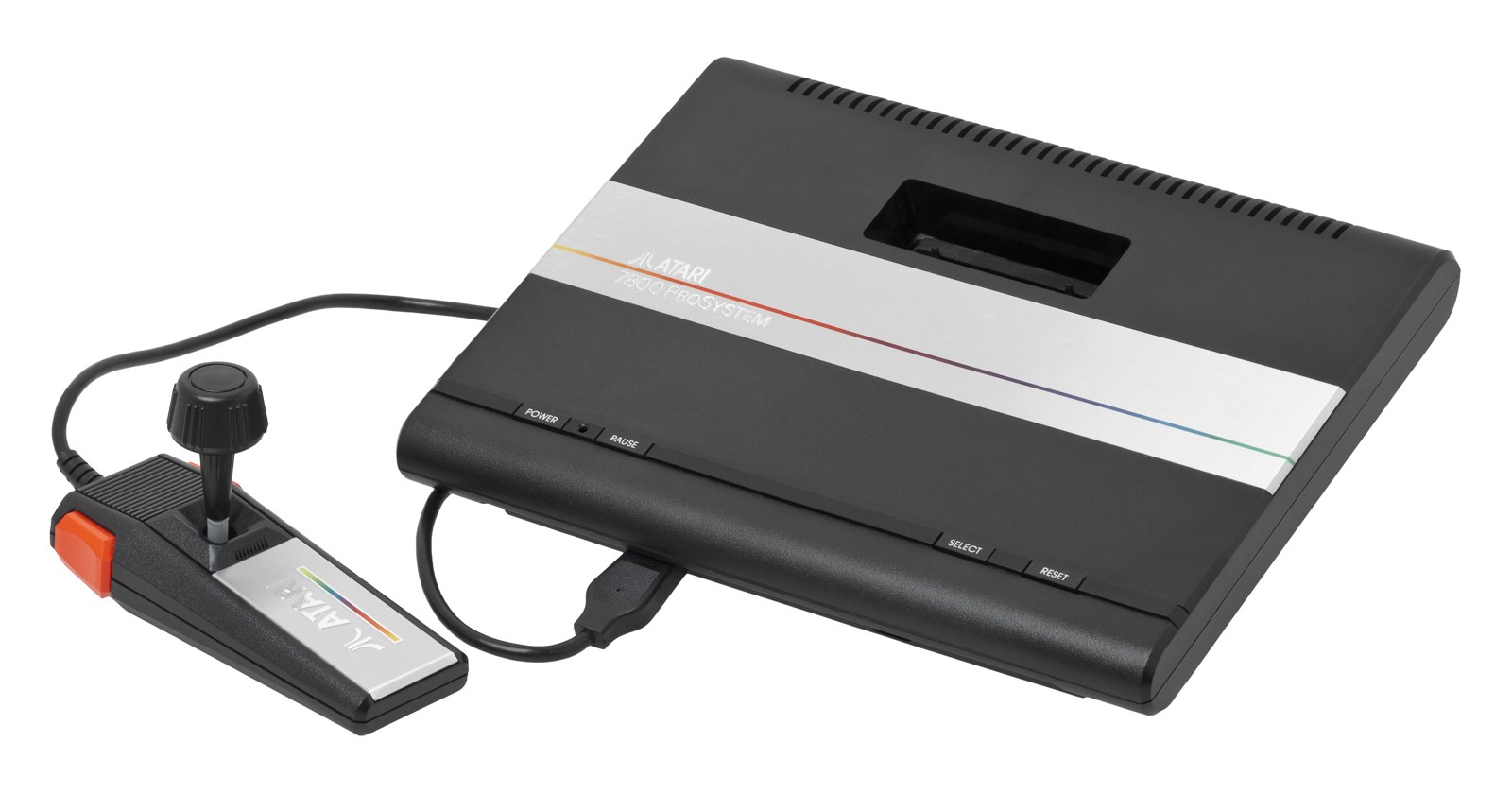
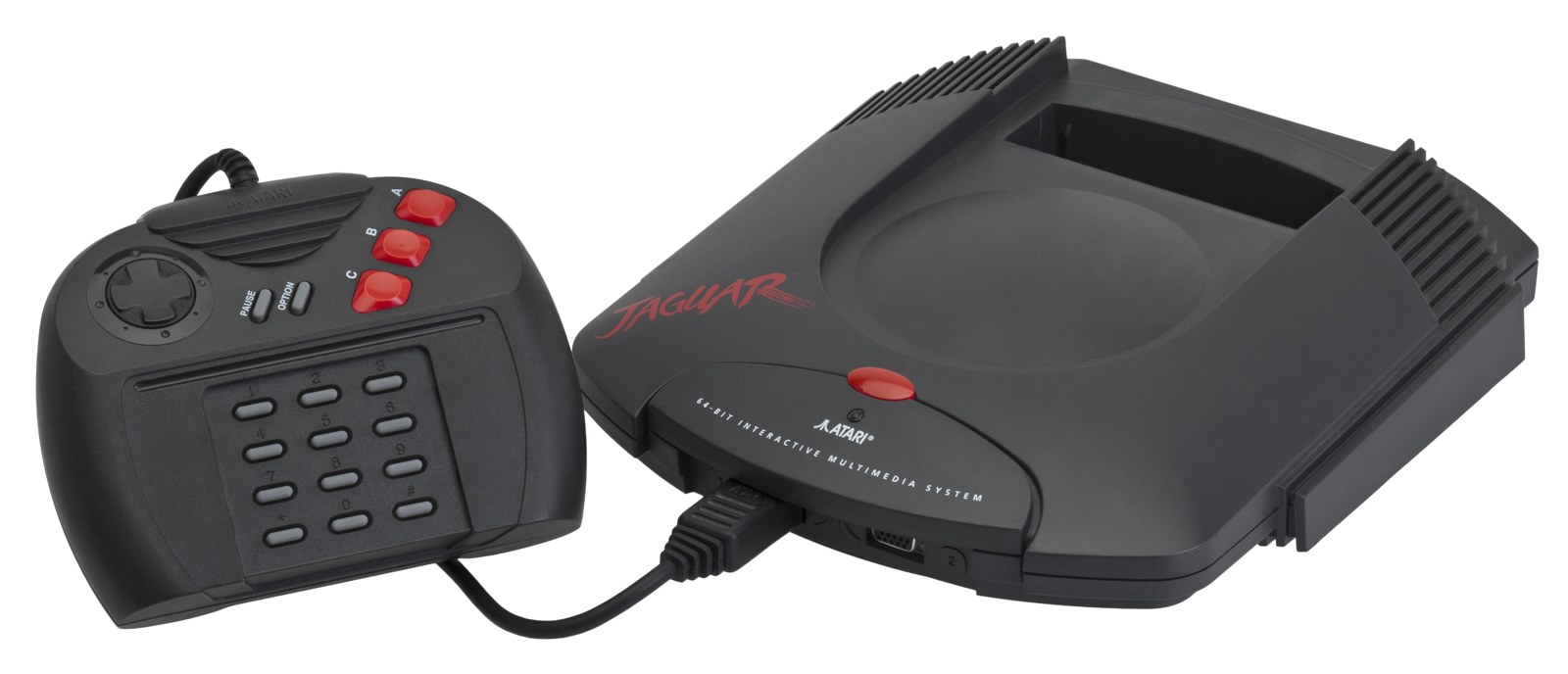
Some context, because the loss is easy to underrate. The awards began in 2019, run by Atari, ZeroPage Homebrew and AtariAge, and for eight editions they did a simple, unfashionable thing: they honoured new games written for old Atari hardware — the 2600 above all, but the wider family too, the 5200, 7800, Lynx and Jaguar. Homebrew on these machines is not nostalgia cosplay. A 2600 game is written in assembly, inside 4K of ROM and 128 bytes of RAM, for a machine with no framebuffer. Finishing one at all is an achievement. Finishing a good one is a craft, and the awards existed to say so, out loud, once a year, with categories for the coding, the art and the music.
The eighth edition ran in February 2026. Nothing about it suggested it would be the last one standing for a while.
Three doors, all of them locked
Read the statement in full and the striking thing is the calm. James walks through his options in order. Each one is broken. There were three.
Ban AI outright. Clean and simple — and, by his own reporting, a ban on most of the room. “A large majority of developers were using AI at some level when creating their games,” he wrote, “from being used to test the game all the way to being created whole cloth without one typed line of code.” A full ban would have excluded respected coders who used a tool the way you would use a spellchecker, alongside the people it was aimed at.
Let everything in. Also broken, and worse. The awards were built to honour human work, and James is blunt about it: “I was not at all interested in giving awards to the output of large language models, only to humans who coded their own games.” A category judged blind would, sooner or later, hand a trophy for craftsmanship to a game generated in days, over a game a person spent months coaxing out of 4K of ROM. Everyone in the room would know. Nobody could prove which one it was.
Draw a line somewhere in the middle — this much AI is fine, that much is not. This is the option every institution reaches for, and it collapsed on a practical point: “There is no standard of reporting or calculating how much AI was used in each game and is often not disclosed at all alongside the game.” A cutoff you cannot measure is not a rule. It is an invitation to accusations, and James names that risk too — unfair judgements and false accusations against developers who did the work by hand.
So: “We were always able to come up with a solution for small issues in previous years but the advent of AI marked a seismic shift in the way retro games were being made. I saw no path forward and made the difficult decision to suspend the Atari Homebrew Awards this year.”
The honest sentence in the statement
The sentence that matters most is the sad one. “This is an extremely upsetting conclusion for this event because honouring all the hard work the community put into these games is always a highlight of my year. I know many others feel the same way and I hope to be able to continue this tradition in the coming years as things settle into a new normal.”
Two things are worth holding on to here, because the headline version of this story — “AI kills retro awards” — flattens both. The first is that AI assistance itself is not the villain of James’s statement. He never claims it is. His problem is a judging problem: a contest needs entries it can compare fairly, and right now there is no shared way to say what part of a game a person made. The second is that the scene itself has not stopped. ZeroPage Homebrew’s streams continue, and James said so in the same breath as the announcement — the games will still be played, shown and celebrated. What is paused is the ranking, not the community.
That distinction is where the rest of the retro world should pay attention, because Atari homebrew is simply the first scene small enough, and honest enough, to hit this wall in public. Every game jam, every demo competition, every awards ballot in every retro community now has the same three locked doors in front of it. The way through, when it comes, will probably not be a detector or a ban. It will be a disclosure habit — developers saying plainly what tools touched their game, the way they already credit a tracker, a compiler or a borrowed routine — and judges building categories around that honesty. The Atari scene has solved weirder problems with less. It standardised cartridge boards for fun.
None of this lands in a vacuum, either. The same argument is already running, at lower volume, through the wider retro scene — in homebrew competitions for other old machines, in fan-translation circles, in the demo scene, anywhere the work is the point and the tools have suddenly changed. Atari homebrew just got there first and said it plainly, in a public forum post anyone can read, instead of letting the awards quietly thin out and pretending nothing had changed. There is a version of this story where the ninth awards happened anyway, with a rule nobody could enforce and a winner nobody fully believed in. That version is worse, and it is the one most scenes will pick by default, because cancelling is embarrassing and carrying on is easy.
For this year, though, there is no ballot, no ceremony, and a shelf of new Atari games that will go unranked. The highlight of James’s year is cancelled, by his own hand, because the alternative was running an awards he could not stand behind. That is not a scene collapsing. That is a scene refusing to fake it — and it deserves a better 2027.
— June