
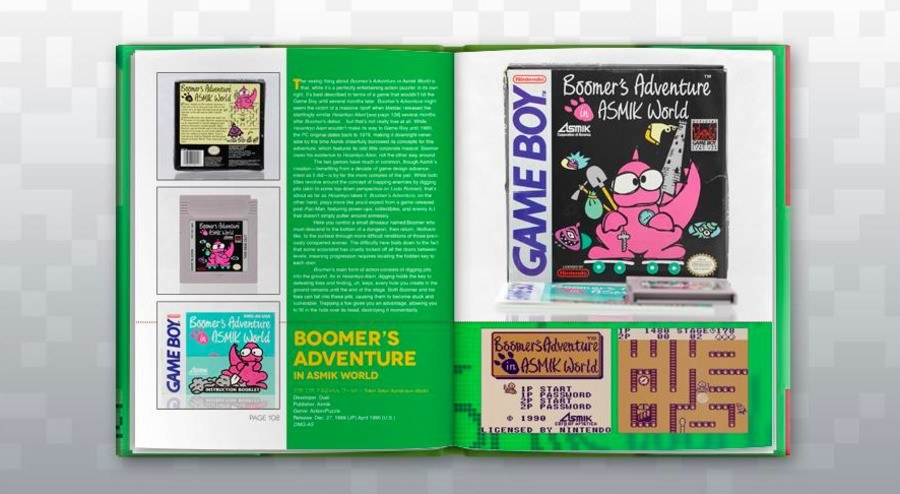
Somebody had to do it properly. The Game Boy received more than a thousand officially released games across its long life, and for decades the historical record of that library was a mess of forum posts, incomplete databases and received wisdom repeated until it hardened into fact. Jeremy Parish’s Game Boy Works — a video, podcast and book project that walks the entire library in chronological order, one game at a time — set out to replace all of that with something unfashionable and invaluable: documentation. When the project advanced from the monochrome library into the Game Boy Color era, it marked more than a change of palette. It was the moment a marathon of preservation entered its second, richer leg.
Parish came to the project with the right pedigree. As a veteran games journalist and the host of Retronauts, he had spent years arguing that games history deserves the same rigour as film or music history — primary sources, release-date accuracy, and attention to the obscure alongside the canonical. The “Works” format, which he began with the NES, applies that rigour mechanically: every game, in the order it was released, examined on its own terms. No skipping the duds. No pretending the library was wall-to-wall classics. The Game Boy project launched with the system’s 1989 debut and worked forward, year by year, cartridge by cartridge.
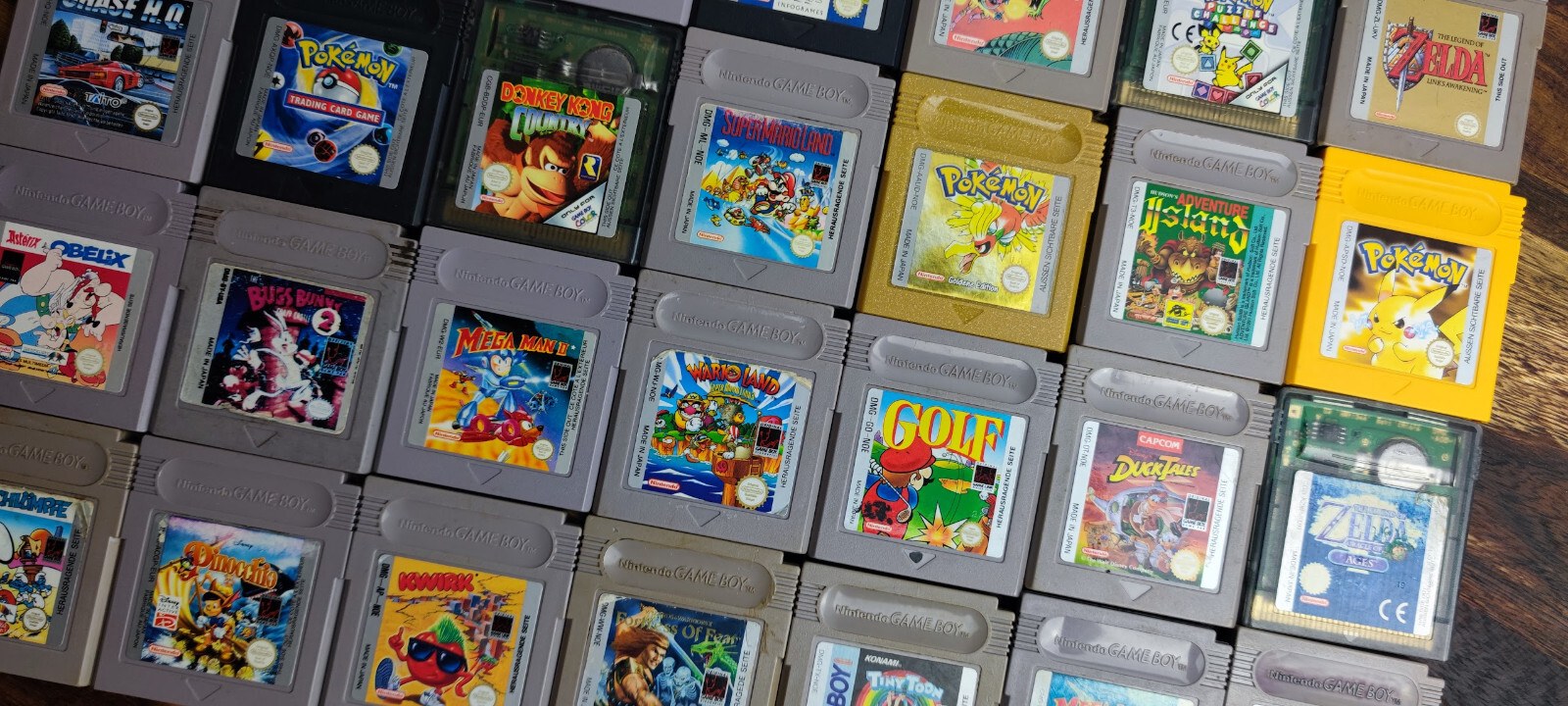
A thousand-plus cartridges: the Game Boy Works project takes them all, in order, no skipping.
Why chronology changes everything
Reviewing a library in release order sounds like a bookkeeping detail. It is actually an argument about how games evolve. Play the 1989 launch window in sequence — Super Mario Land, Tetris, Alleyway, Baseball, Yakuman — and you see a platform finding its feet in public: what developers thought a portable game was, before the audience taught them otherwise. Follow the order into the early 90s and the lessons accumulate visibly. Sports games learn to be quick. Puzzle games multiply. RPGs, initially assumed impossible on the hardware, arrive and then flourish. Developers who mastered the machine — the teams behind Kirby’s Dream Land, Metroid II and Link’s Awakening — can be watched learning, game by game, in real time.
The format also rescues the forgotten middle of the library, which is where honest history lives. For every Pokémon there are a dozen licensed oddities, earnest experiments and regional curiosities that sold modestly and vanished. Chronological coverage gives those games their paragraph in the record — not as punchlines, but as evidence of what the market wanted and what the hardware allowed at that exact moment. Future historians will not have to reconstruct the Game Boy era from its ten most famous cartridges. That is the project’s quiet, enormous contribution.
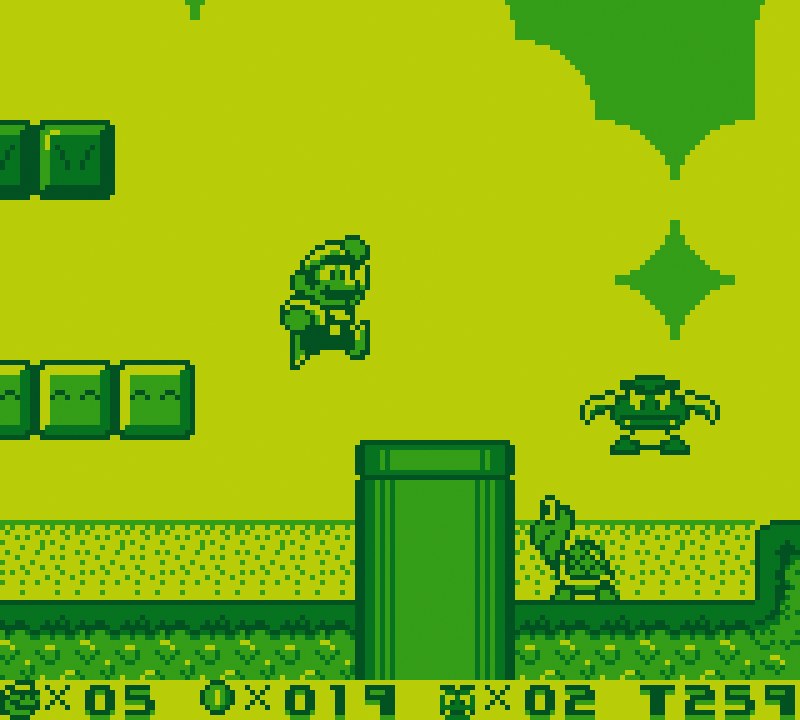
Super Mario Land 2 in sequence: watching Nintendo’s own teams master the machine, year by year.
From grey to colour
The advance into the Game Boy Color catalogue is a natural hinge in the story, and a trickier one than it looks. The Color era overlaps the original: dual-format cartridges, monochrome games receiving palettes, exclusives arriving alongside late original-model releases as the two libraries braided together between 1998 and the early 2000s. A chronological project has to handle that braid honestly, and it gains something in exchange — the chance to document a platform transition that the industry usually flattens into a single launch date.
It is also where the library’s centre of gravity shifts. The Color years are the Pokémon years, the years of Metal Gear: Ghost Babel and the Oracle Zeldas, but they are equally the years of a maturing third-party scene, of puzzle and pinball refinements, of European and Japanese releases that Western audiences never saw. The Works treatment — play everything, date everything, contextualise everything — matters more, not less, as the catalogue grows stranger.
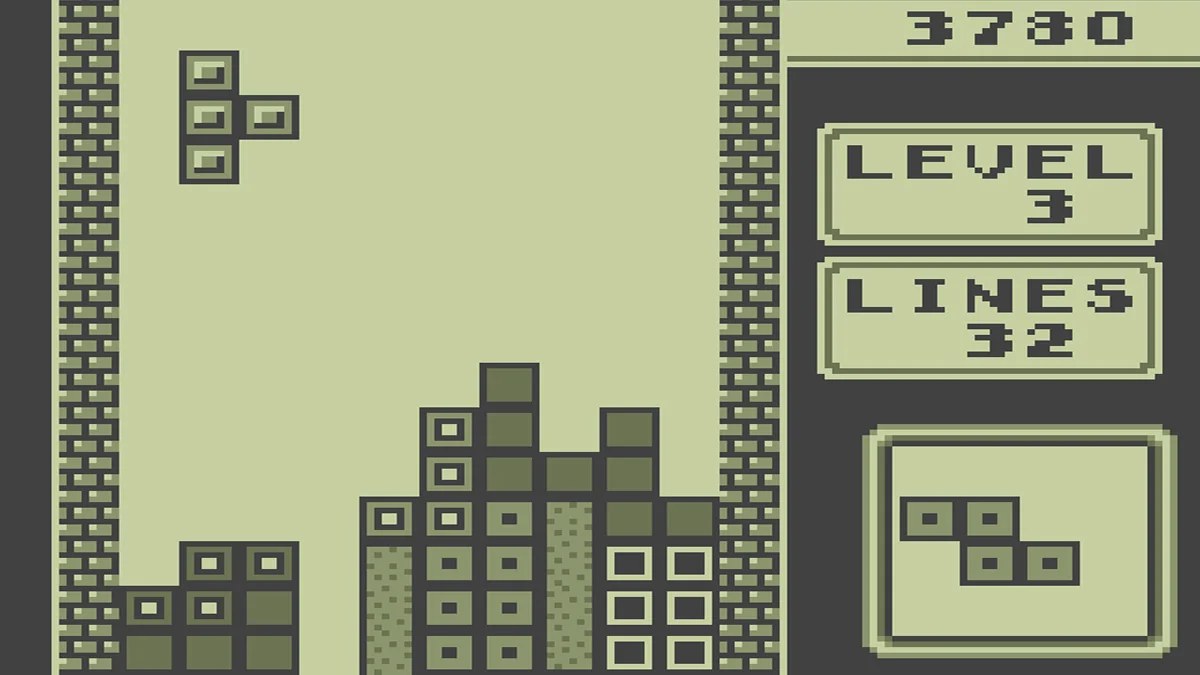
Where the journey begins: Tetris and the 1989 launch window, documented in order.
Books, and the permanence problem
The project’s print volumes deserve emphasis, because they answer the preservation question that haunts all online history: what happens when the platform hosting it changes? Parish’s Works books — handsome, heavily illustrated volumes produced with Limited Run Games — put the documentation on paper, with screenshots, package photography and essays arranged in the same chronological discipline as the videos. A book cannot be delisted. For a library whose games are increasingly expensive and whose hardware is ageing, that permanence is not a luxury. It is the point.
The method, up close
It is worth dwelling on what an entry in the Works actually involves, because the casual format conceals the labour. Each game is captured from original hardware or faithful emulation, photographed in its packaging where possible, dated against Japanese, American and European release records that frequently disagree with each other and with the internet’s inherited wisdom, and placed among its contemporaries — the magazine coverage, the advertising, the technology it used. A sports game that Western databases misdate by a year gets corrected. A Japan-only release gets explained rather than skipped. Developers recur across entries, and the project quietly builds biographies for studios — Pax Softnica, HAL, Sunsoft’s handheld teams — that no single-game review could ever assemble.
The audience has met the rigour with loyalty. The videos and podcasts draw the preservation community; the books fund the continuation; and the whole apparatus demonstrates a workable economics for games history done properly, at a moment when much of the medium’s record lives on dying drives and delisted storefronts. Other creators have adopted the format for other platforms, which Parish has generally greeted as a compliment — the method, after all, is the message: everything, in order, on the record.
Toad thanks you; so does history
There is a famous piece of Game Boy-era gratitude — Toad, at the end of Super Mario Land‘s rescue-that-wasn’t, thanking the player for their effort. It is the right emotional register for this project. Game Boy Works is a thank-you letter written in the only currency history accepts: attention, paid in full, to everything — the masterpieces, the misfires, and the thousand small cartridges in between. As it advances into the Color generation, the letter gets longer. The library deserves nothing less.
For readers coming to the project fresh, the practical advice is simple: start anywhere, but consider starting at the beginning. The chronological design means the 1989 launch window functions as a prologue to everything — the design assumptions, the business gambles, the technology finding its level. From there, dip forward at will; the Color-era entries reward the context the monochrome years provide, because you can feel the platform’s confidence change as the catalogue crosses into colour. Few resources in games media repay time this reliably, and fewer still are built to outlast the platforms they are hosted on. That, in the end, is the Works standard — and the Game Boy has never been better served.
There is a broader point here for the whole retro community, too. Preservation is often framed as a race against bit-rot and failing hardware, and it is — but the Works projects argue it is equally a race against forgetting the ordinary. The masterpieces will look after themselves; somebody famous will always re-release them. It is the mid-shelf cartridges, the regional experiments and the licensed curiosities that vanish unless a project decides, on principle, that everything counts. Game Boy Works decided. The record is better for it, permanently.