
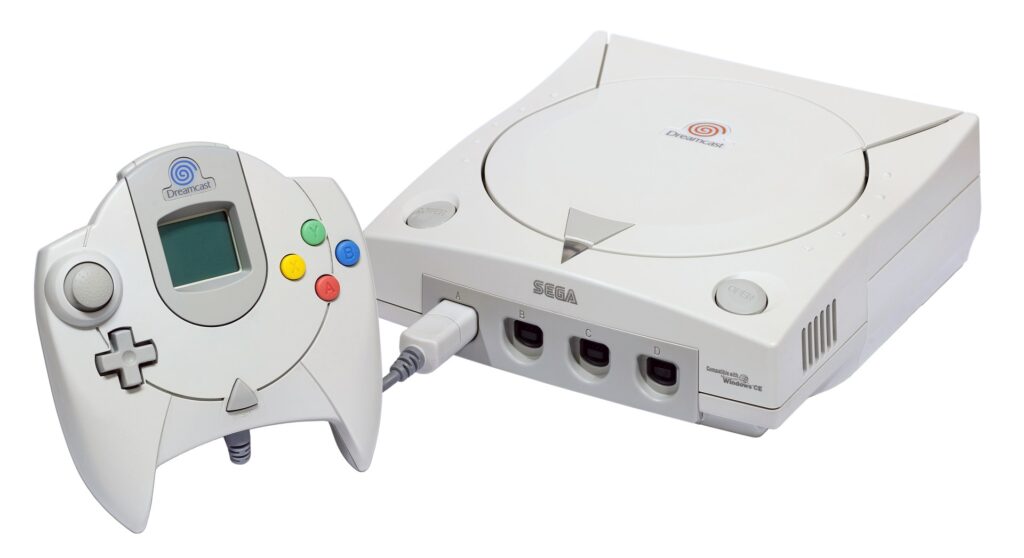
At a glance: Game — Halo: Combat Evolved (Xbox, 2001) · Developer — Jilted Valkyrie (fan port) · Platforms — Sega Dreamcast · Status — campaign port 77% complete (developer’s figure); release expected this year, no public download yet
Halo: Combat Evolved turns 25 this Saturday, November 15 — a quarter-century since Bungie’s shooter launched alongside the original Xbox and rearranged the console business. So it figures that the best Halo story of anniversary week is happening on the machine the Xbox replaced. A solo developer who goes by Jilted Valkyrie has Halo running on a Sega Dreamcast — campaign, Warthog, multiplayer and all — and the proof is not a mock-up or a target render. It is gameplay footage, most recently a 28-minute video posted to X in early November.
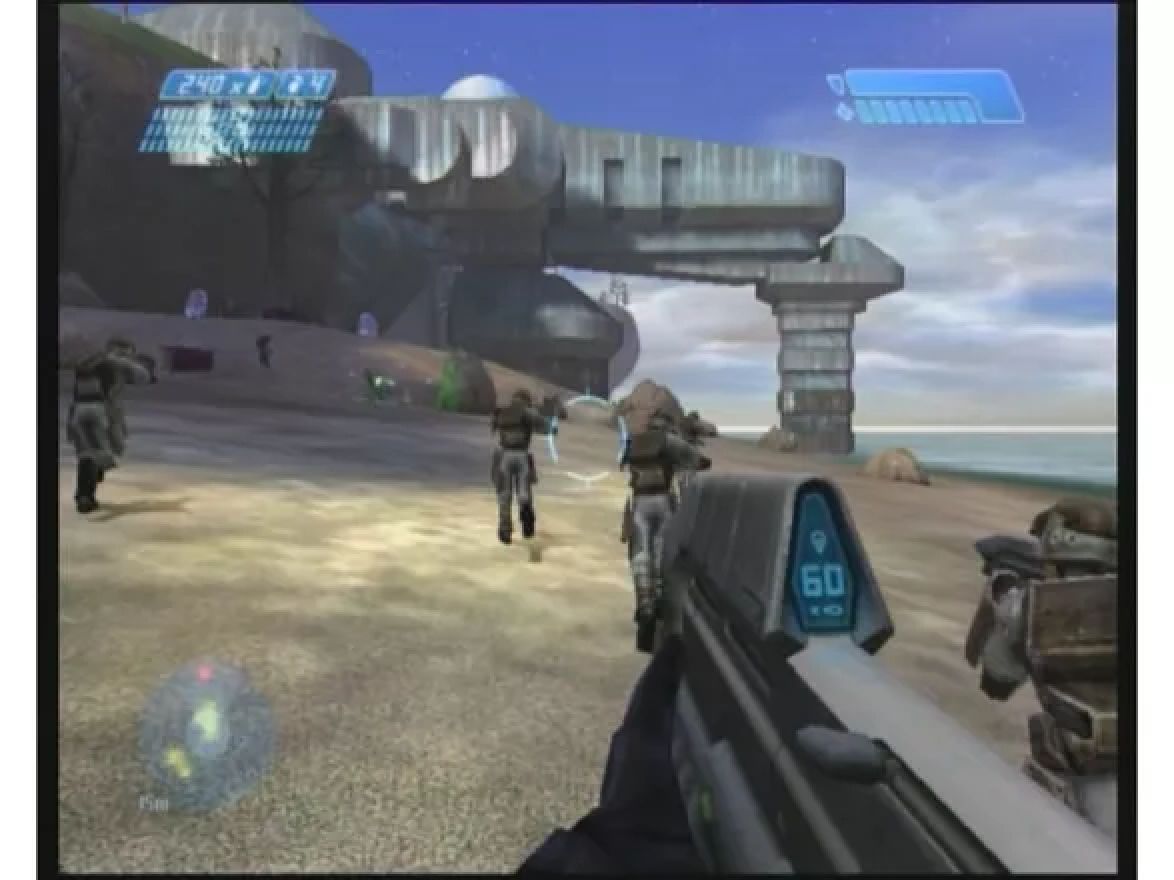
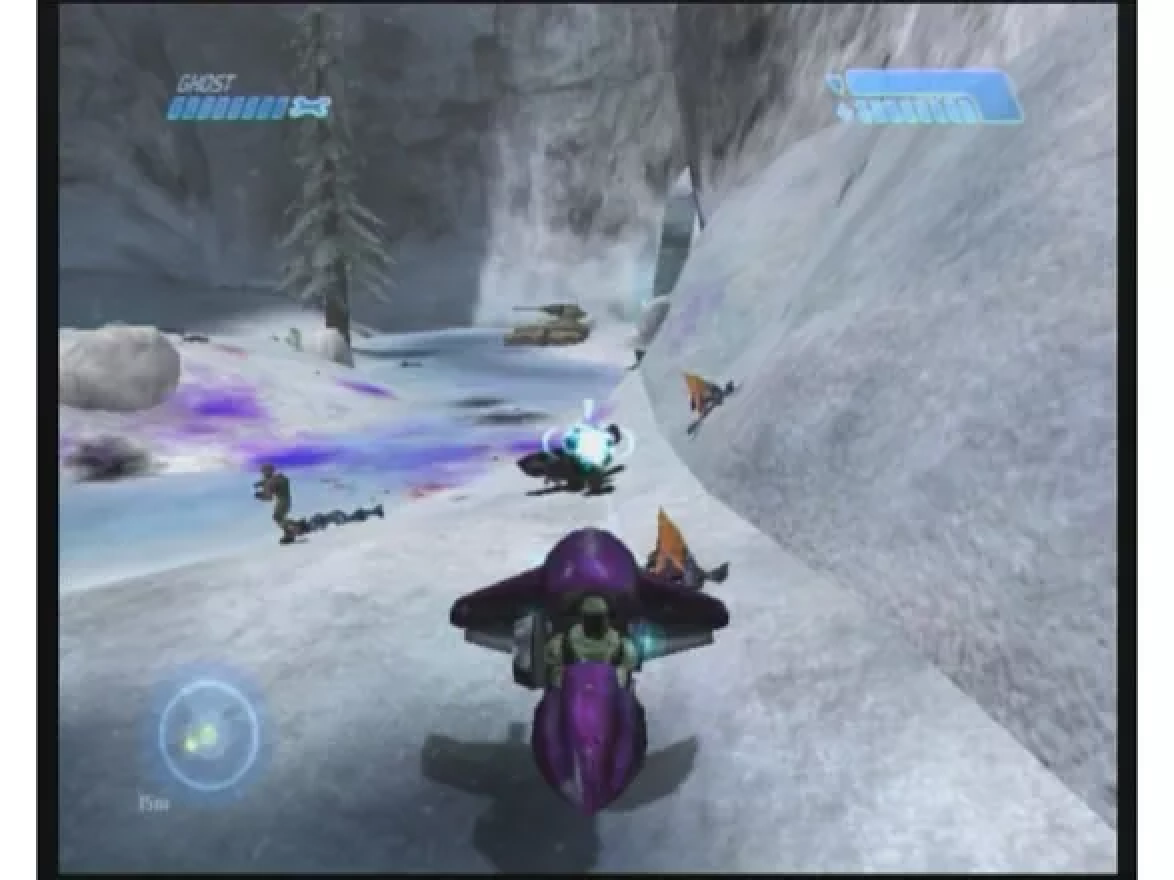
The project is called Halo: Dreamcast Evolved, and a quick note on evidence before we go any further: the port exists publicly only as footage on the developer’s X account, so every screenshot in this piece is the Xbox original — the reference point the port is chasing — rather than frames lifted from her videos. What those videos show, though, has now been reported and re-reported by IGN, The Dreamcast Junkyard, Retro Dodo and others, and it holds up: this is really Halo, really running on Sega’s last console.
The footage: a full mission, a Warthog and Sidewinder
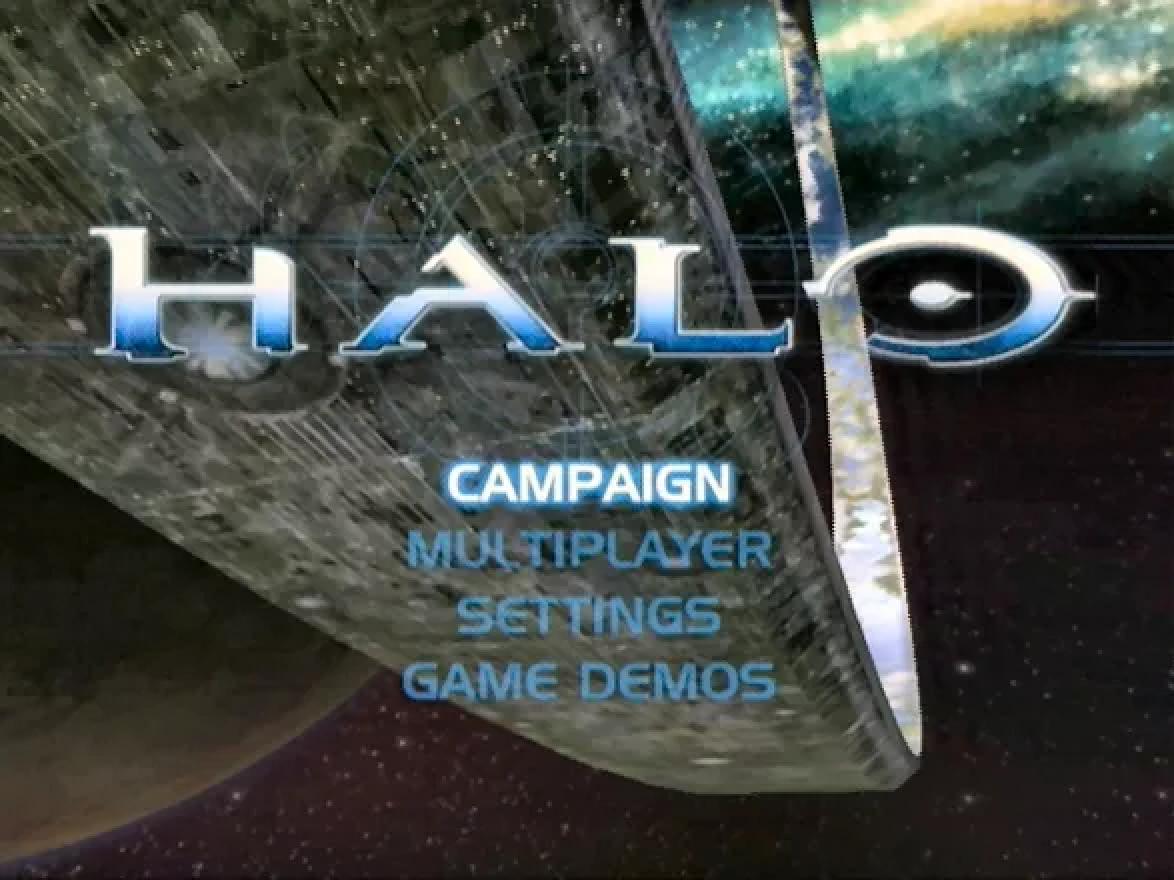
The first big drop came on October 17, when Jilted Valkyrie posted 24 minutes of gameplay: the full first campaign mission, The Pillar of Autumn, followed by exploration of the Halo level itself — the ring’s rolling hills and Forerunner structures rendered by a console that was already discontinued when the Xbox version shipped. The early-November follow-up runs 28 minutes and widens the scope: it opens on a retitled title screen reading “Halo: Dreamcast Evolved,” then tours both the campaign’s opening and multiplayer on several maps, including the sprawling snowfield of Sidewinder. Warthog driving is in there too, because of course it is — a Halo port that skipped the Warthog would be a tech demo, not a port.
None of it looks like a trick. The footage shows cutscenes, multiple weapons and enemy types, vehicles, and the long load pauses The Dreamcast Junkyard compared to Half-Life’s Dreamcast conversion — the tell-tale behaviour of real hardware working at its limit, not a PC in a Dreamcast-shaped hat.
How a Halo Dreamcast port squeezes an Xbox game into 200MHz
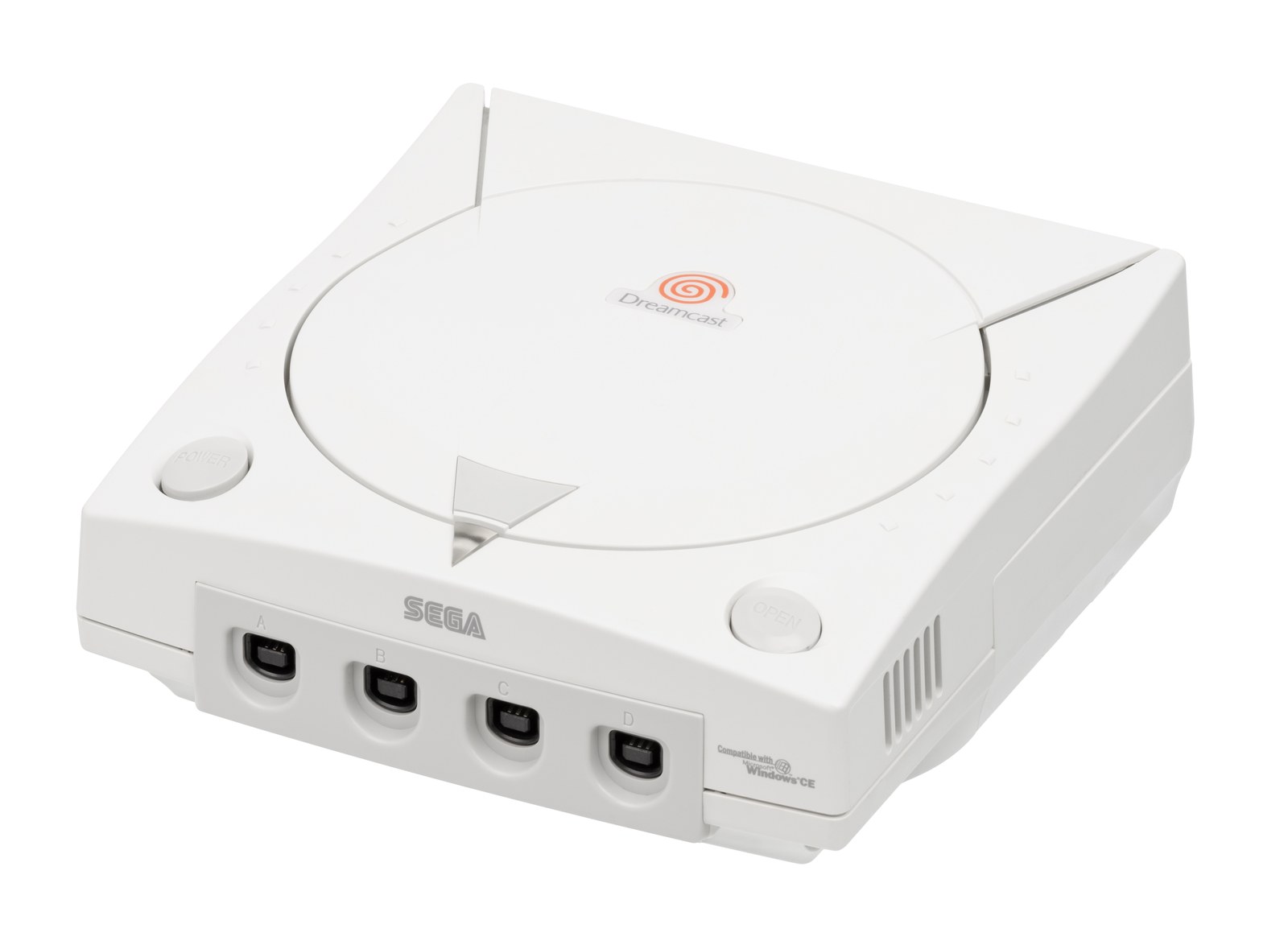
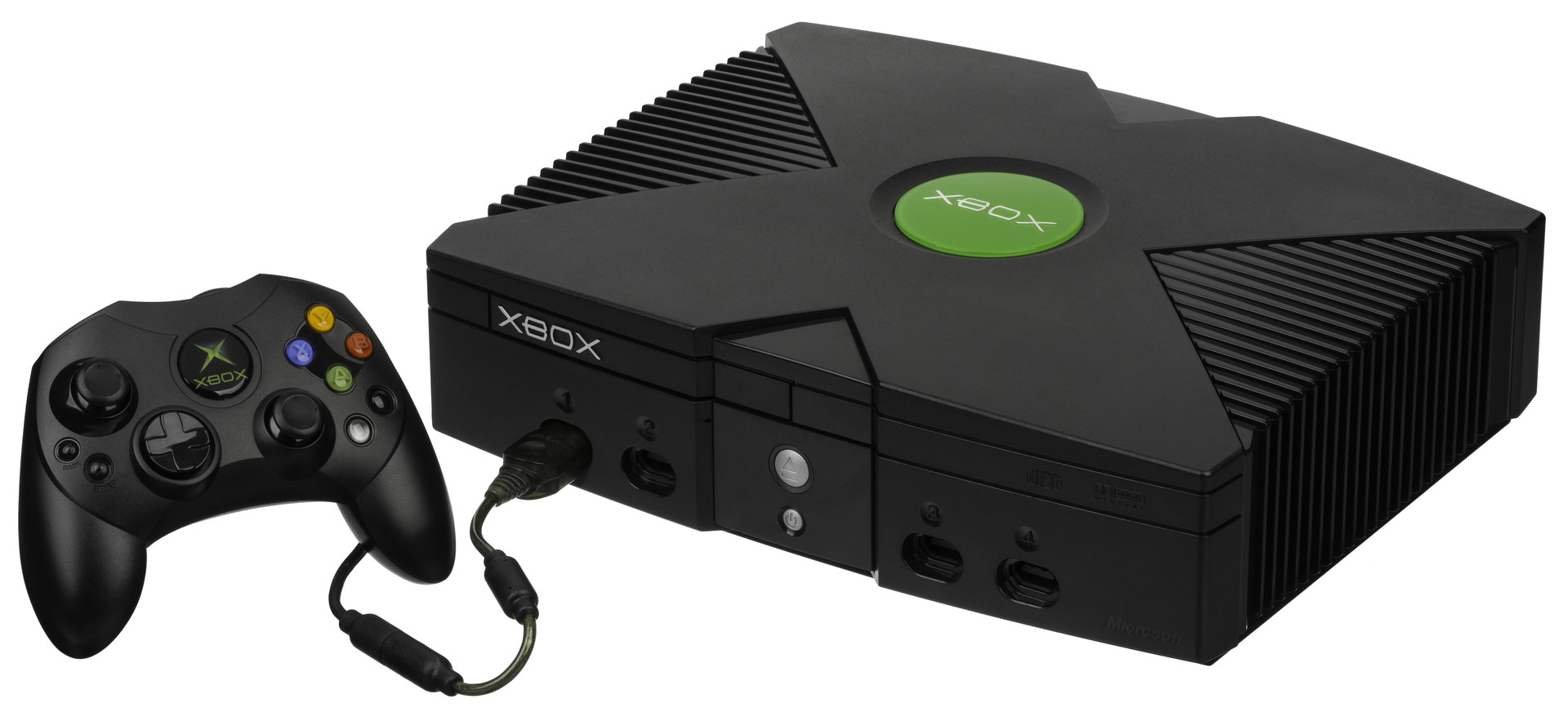
Start with the gap. The Dreamcast runs a 200MHz Hitachi SH-4 with 16MB of RAM. The original Xbox answered with a 733MHz processor, a far stronger GPU and roughly four times the memory. Halo was built to exploit exactly that gap. There is no emulator on Earth that bridges it on the weaker machine, and this is not emulation: it is a ground-up native port, built with KallistiOS — the Dreamcast homebrew toolchain — by a developer working, in her words, all night on performance.
Jilted Valkyrie is quick to credit the scene’s foundations. “Without his work in KOS and SH4ZAM, this unique, passionate port of Halo would not exist,” she wrote of Dreamcast developer Falco Girgis, whose technical posts about bringing Grand Theft Auto III to the Dreamcast inspired the attempt. The port then cheats the way all good demakes cheat: visibly, and in service of the frame rate. Dead enemies and Marines despawn to free up CPU cycles that would otherwise go to animating skinned models nobody is looking at. Culling and level-of-detail work is still on the to-do list. Early builds hovered between 10 and 20 frames per second in combat; the current footage still dips below 30 in busy sections, though quieter stretches climb far higher. Frame it honestly and it is still extraordinary: a playable Halo, on a 200MHz console, built by one person.
The catch: one stick is not enough
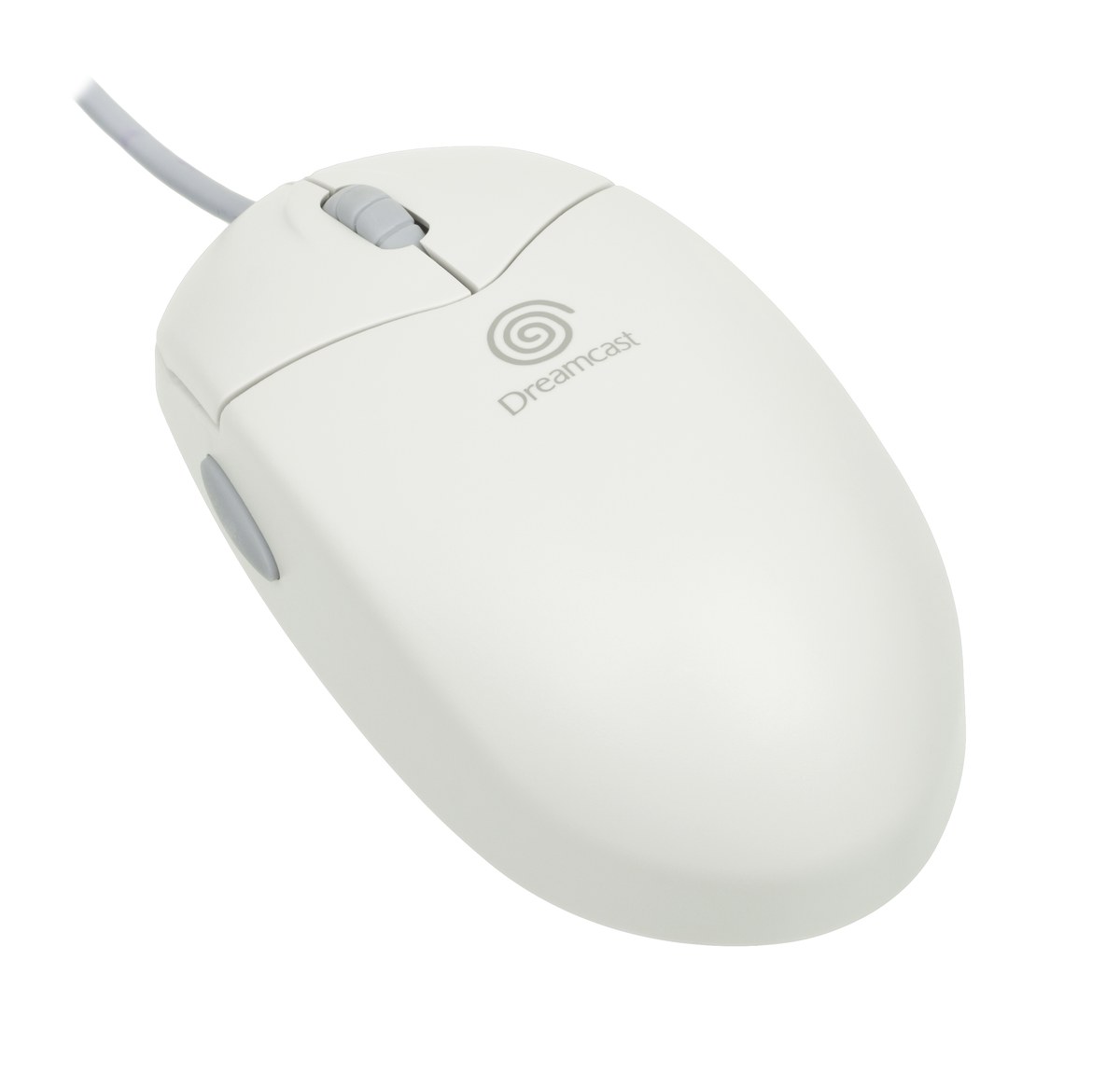
There is a hardware problem no amount of optimisation fixes. Halo’s control scheme — the twin-stick layout that defined console shooters for the next two decades — assumes two analog sticks. The stock Dreamcast pad has one. So the port requires a twin-stick controller, or the Dreamcast’s own mouse and keyboard, to drive and fight properly. Sega did sell both peripherals back in the day, which makes this less a modern imposition than a very Dreamcast solution: the console that shipped with a modem and a fishing controller was never afraid of an accessory.
77% complete, and deliberately not a straight port
By the developer’s own count, the campaign port stands at 77% complete, and she expects to release it this year. There is no public download yet, and no date — anyone offering you a finished build today is not offering hers. What she has promised beyond the campaign is, for now, a claim rather than a feature list, and it should be reported as one: “It’s not a 1:1 port, so the experience has completely new things to it not in any other version. There’s even an entire new mode… plus who wouldn’t want to play Halo online on Dreamcast?” No details on the mode have been given. If even half of that lands, the finished port will be its own version of Halo, not a shrunken photocopy.
One piece of scene folklore deserves a footnote. Rumours that Halo was officially in development for the Dreamcast have circulated for years; The Dreamcast Junkyard, which knows this console’s history as well as anyone, calls them baseless — optimistic speculation printed in a contemporary magazine. Halo: Dreamcast Evolved is not a recovered prototype or a leaked build. It is a fan port, built from scratch, which makes it more impressive, not less.
Twenty-five years after the console war ended
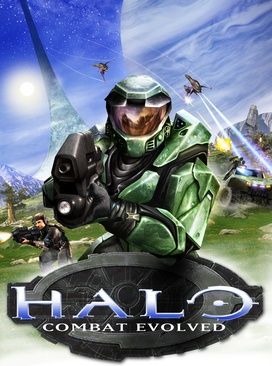
The timing is the story’s poetry. The Dreamcast was Sega’s last stand — launched in Japan in late 1998, dead as a platform by 2001, its place in the market taken by the Xbox that Halo carried into living rooms on November 15, 2001. For a quarter-century, “Halo on Dreamcast” has been a what-if, the flagship of the enemy running on the machine it helped bury. Now, in anniversary week, one developer has made it real — three-quarters real, anyway, with the frame rate to prove it and 23% still to go. If she lands it this year, the Dreamcast’s strangest afterlife chapter gets its perfect ending: the game that ended Sega’s console story, running on Sega’s console, put there by a fan who just wanted to know if it could be done.
— June
For more launches from this date, see This Day in Gaming History: November 15. More from these systems: our Dreamcast hub and our Xbox hub.