
At a glance: Magical Chase · TurboGrafx-16 HuCard · Quest / Palsoft (Japan), Turbo Technologies (North America), 1991 (Japan) / 1993 (North America) · Cute-’em-up feature
Every console library has one: the game whose name makes collectors lower their voice. For the TurboGrafx-16, it is Magical Chase. By any ordinary measure it is a delightful horizontal cute-’em-up — a young witch named Ripple, her star-shaped companions, a broom, six stages of pastel mayhem. By the measure that made it legend, it is the rarest and most valuable licensed North American release on the system, a game whose loose HuCard changes hands for sums that buy entire collections, and whose complete-in-box copies sit at the summit of TurboGrafx collecting. This feature is about both games: the charming one Quest built, and the ghost that scarcity made of it.
Start with the charming one, because it deserves to be first. Ripple is a witch’s apprentice who has broken a cardinal rule — she opened a forbidden book and released six demons — and her teacher, the formidable Lilith, gives her the traditional bargain: clean it up, or be turned into a frog. Ripple takes to her broom across six stages of storybook shooting, accompanied by two living stars, the Star Maidens’ gifts, who orbit her as options and can be locked into formation — Ripple’s answer to the Gradius option system, rendered as jewellery.
A shooter with a shop and a sense of humour
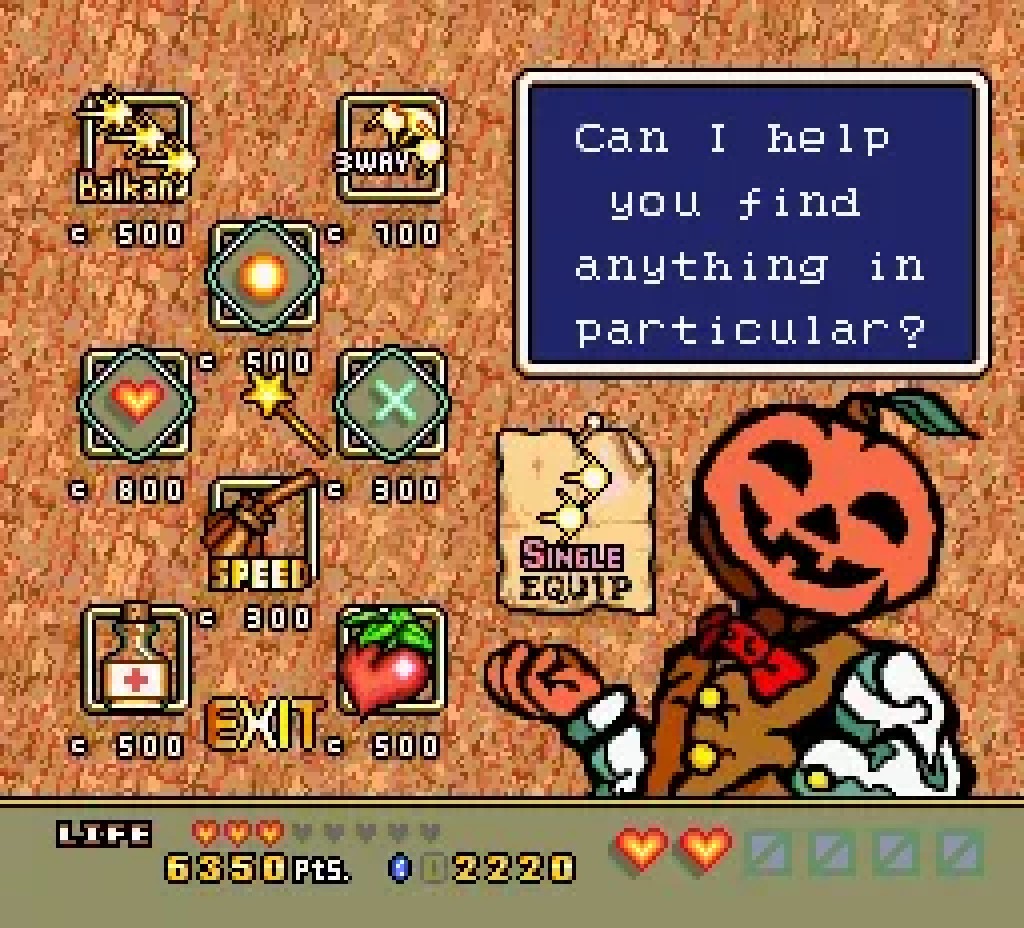
Magical Chase plays its genre with unusual warmth. Enemies drop gems — money, literally — and between stages Ripple visits a shop, run with memorable cheer, to buy weapon upgrades, extra life and equipment from a rotating stock. Weapons cycle through shot patterns with distinct personalities, the star options can be fixed at angles that turn coverage into a small tactics game, and the difficulty settings are honestly labelled, with the gentlest genuinely gentle: this is one of the few cute-’em-ups of the era designed to be finished by the children its art addresses, and then replayed at sterner settings by their older siblings.

The art is the argument for the game’s soul. Quest — a studio better known for strategy RPGs like Ogre Battle — built a storybook world of saturated pastels, toy-town stages, a mid-air shopping interlude and bosses with fairy-tale menace, all scrolling in smooth layers that show the late HuCard era at its most confident. The soundtrack skips and sparkles. Nothing about the game suggests its future. It was a well-reviewed, mid-profile release in Japan in 1991, published by Palsoft, in a library full of shooters competing for the same yen.
How a good game becomes a grail
The North American story is the scarcity story, and it is a story about timing. Magical Chase reached the TurboGrafx-16 in 1993, published by Turbo Technologies in the system’s final North American chapter — the era of small print runs, thinning retail support and mail-order distribution, when the TurboDuo was fighting for a market that had largely moved on. Late releases in dying ecosystems are collecting’s perfect storm: a genuinely desirable game, manufactured in small numbers, sold through channels that did not preserve boxes, to an audience that did not yet know it was buying history. Reporting on the game’s rarity over the years has consistently pointed to that late, small North American run as the root of it. The Japanese PC Engine version, released into a healthy market two years earlier, is by comparison an ordinary collectible — sought after, but findable.
The consequences are written across collecting culture. Magical Chase became the keystone that completes — or defeats — a North American TurboGrafx set, the game whose absence defines most collections and whose presence anchors the rest. Its box, manual and card each command their own market. Counterfeit and reproduction cards exist precisely because the genuine article is so valuable, which makes provenance — buying from trusted sellers, verifying boards and labels — part of the game’s modern reality in a way no other HuCard matches. We are deliberately quoting no prices here: they move, they vary by condition and completeness, and any number printed would be wrong by the time it was read. The direction of the market, over decades, has only ever been one way.
The game underneath the price
Here is the part the auction listings miss: people who finally play Magical Chase — through the TurboGrafx-16 Mini, which included it in its library and introduced it to a generation, or by any other legitimate route — tend to report the same surprise. It is good. Not good-for-a-grail, not good-for-its-era, but genuinely well-made: kind difficulty options, a shop system ahead of its genre, option mechanics with real depth, and art direction that has not dated because it never chased realism. The tragedy of the grail game is that its price becomes its identity, and the witch becomes a ticker symbol.

The game, examined as a game
Because the legend can swallow the design, the mechanics deserve their own section. Ripple’s shot patterns are bought, not merely found — the shop between stages stocks weapons, life and equipment on a rotating basis, which makes the gem economy dropped by enemies a real currency with real choices: power now, or survival insurance for the boss two stages on? The Star Maidens’ gifts, her two orbiting stars, can be locked at angles, and the lock is the skill — a fixed forward wedge for bosses, a wide guard for the crowded mid-stages, a rear watch for the genre’s traditional treacheries. Difficulty settings scale the game’s mercy honestly, and the gentlest is a genuine children’s mode in an era that rarely admitted children were playing.
The stage design keeps the storybook promise. Six stages of castles, skies and toy-bright countryside, each with a demon at its end whose defeat is a step in Ripple’s penance, and a final reckoning with the book’s consequences that gives the cute surface a satisfying spine. Quest’s RPG instincts show in the pacing: this is a shooter with a campaign’s shape — shopping, growing, choosing — rather than a credit-feeder’s loop, which is a large part of why it charms players who finally reach it through the Mini console or any other legitimate door. The grail, it turns out, was guarding a genuinely good evening.
What the grail teaches
There is a wider lesson in Magical Chase‘s afterlife, and it is about how libraries are remembered. The TurboGrafx-16’s North American story ended in a whimper of small print runs and mail-order twilight, and its rarest games are mostly its last games — the Magical Chases, the Bonk 3s, the late HuCards and CDs that a fading system shipped to a shrinking audience. Scarcity froze them into treasure before most players had the chance to make them merely beloved. The Mini consoles, re-releases and the second-hand sermonising of features like this one are the correction, slowly reuniting the games with the audience their prices exiled them from. Ripple’s quest was to clean up a mess she made by opening something forbidden. Her game’s afterlife is the reverse: a good game, locked away by its own legend, waiting for someone to open it again. If you get the chance — any legitimate chance — take the broom ride. The witch earned her legend the hard way: by being worth it.
So consider this feature a small act of rebalancing. Magical Chase is the TurboGrafx-16’s holy grail, yes — the last great chase of the North American library, the card that launched a thousand saved searches. But it is also Ripple’s story: a funny, generous, beautifully coloured shooter about a girl cleaning up her own mess before her teacher turns her into a frog. The demons she released were never the point. The broom ride was.