
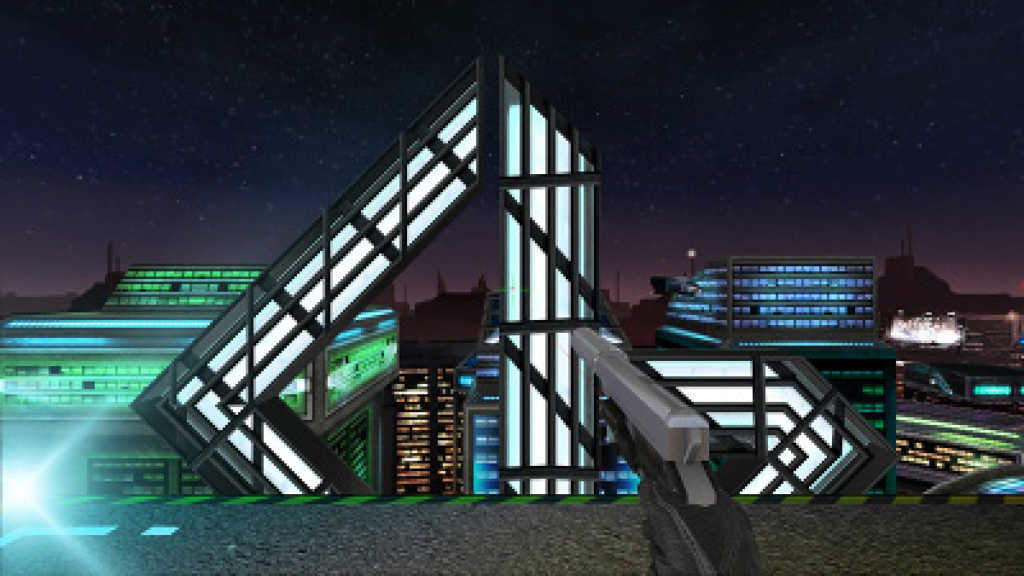
At a glance — Game: Perfect Dark · Developer: Rare · Publisher: Rare · Original release: May 22, 2000 (North America) · Original platforms: Nintendo 64 · Genre: First-person shooter
Tomorrow morning, if you scroll through Game Pass, something quietly perfect happens. Perfect Dark joins the Essential library on Sunday, November 15 — and on that exact same day, GoldenEye 007 leaves the service for good. One Rare shooter walks out the door as the other one walks in. I did not plan to get sentimental about a subscription catalogue update, but here we are.
It gets better. November 15 is also the 25th anniversary of the original Xbox launching in North America, and Microsoft is marking it by dropping eight older games into Essential at once. Six of the eight are Rare games. Banjo-Kazooie, Banjo-Tooie, Nuts & Bolts, both Viva Piñata games, and this one. The other two slots go to Gears of War: Judgment and Halo: Spartan Assault, who are welcome to the party but know whose house it is. For anybody who grew up with a Nintendo 64 humming under the TV, this is basically a class reunion — and Perfect Dark is the guest of honour, because she is also, technically, the replacement.
A Changing of the Guard on Game Pass
Let’s be honest about what GoldenEye leaving means, because we just covered it properly in GoldenEye 007 (1997): Rare’s Split-Screen King, and Its Last Week on Game Pass. That game taught a whole generation how to play a shooter with a controller. It also taught us that four friends, one small TV and a strict no-Oddjob rule could carry an entire summer. Losing it from the library stings. There’s no way around that.
But if anything had to take its place in the rotation, it had to be this. Perfect Dark was never a sequel to GoldenEye — Rare couldn’t just make another Bond game, so they built their own spy world instead — but everybody who played both understood the family resemblance instantly. Same DNA, same couch, same arguments about screen-looking. Except this time Rare owned the whole thing, and you can feel the freedom in it. No licence looking over their shoulder. No film to match. Just a studio at the absolute peak of its powers asking, okay, what do we actually want to make?
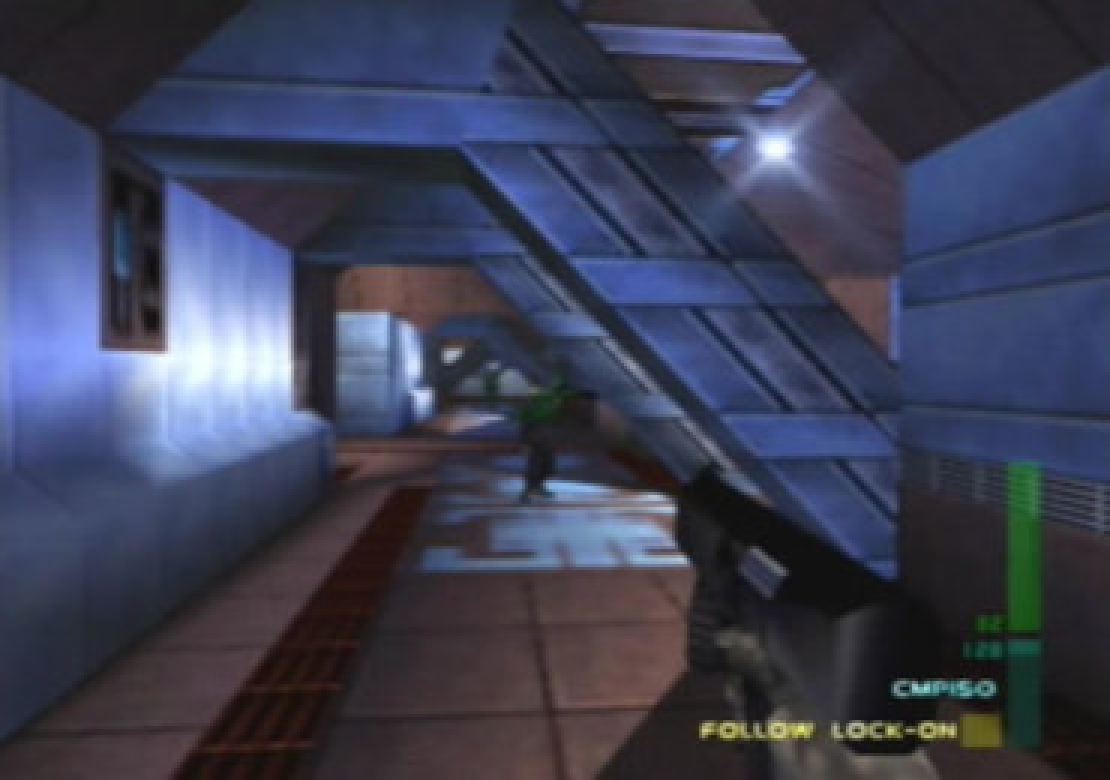
What they wanted, it turned out, was the future. GoldenEye was set in the world of 1997, all embassies and satellite dishes. Perfect Dark jumps to 2023, where a young agent named Joanna Dark works for the Carrington Institute, a research outfit run by Daniel Carrington that does a lot more than research. Across town sits dataDyne, a giant defence corporation headed by Cassandra De Vries, and the two are locked in a quiet corporate cold war that — this being a Rare game — eventually involves aliens. The Maians on one side, the Skedar on the other. It starts as a spy thriller about rescuing a scientist from a skyscraper and it does not stay small for long.
Perfect Dark Was the Successor in Everything but Name
Joanna herself is the first big difference. Bond was a borrowed character. Joanna was Rare’s own — the Institute’s top trainee, so flawless in training that her codename became the title of the game. She was quicker, drier and more interesting than most shooter leads of the era, and playing a campaign built around her, in a world invented from scratch, felt like Rare planting a flag. This is ours, it said. We don’t need the tuxedo anymore.
The campaign backed that up. Missions had layered objectives that changed with the difficulty setting, so going back on Agent, Special Agent and Perfect Agent wasn’t just the same run with tougher guards — it was a bigger, meaner version of the story. There was a proper hub, too. Between missions you could wander the Carrington Institute, hit the firing range, learn the gadgets. In 2000, on a cartridge, that felt absurdly generous. Most shooters were a corridor and a prayer. This one gave you a workplace.
The Combat Simulator Ate Our Weekends
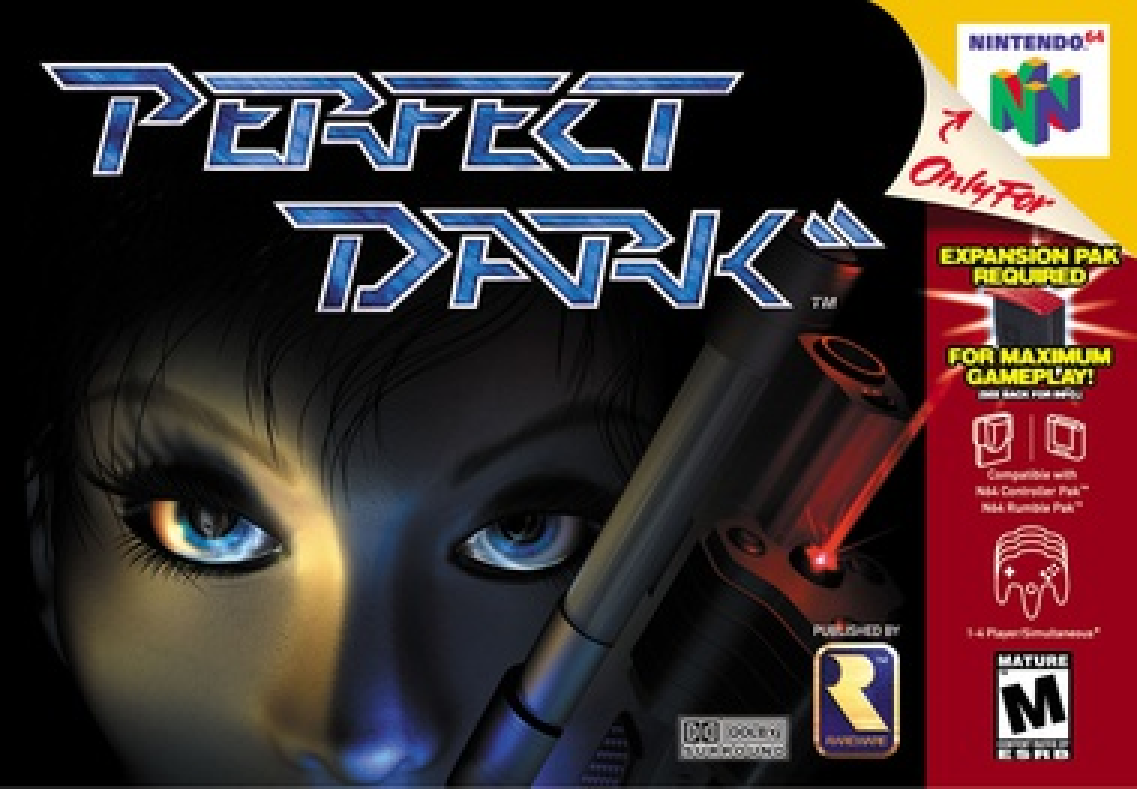
Ask anyone who was there, though, and they’ll tell you the campaign was only half the cartridge. The other half was the Combat Simulator, and it is where my memories actually live. Four players on one screen, like GoldenEye — but now you could fill the empty slots with Simulants, AI bots with names and personalities. Up to eight of them alongside four humans. MeatSims wandered around like lost tourists. DarkSims were something else entirely, fast and accurate and genuinely frightening, and every group had a story about the night a DarkSim ruined a friendship.
You could set the Sims’ temperaments, build your own scenarios, chase medals and ranks, work through thirty preset Challenges. And the weapons. The Farsight could see and shoot through walls, which remains one of the most gloriously unfair ideas ever put in a multiplayer game, and matches in my house banned it by treaty within a week. GoldenEye’s multiplayer was a revolution. This was the revolution with a settings menu, a memory and a grudge.
Then there were the two modes I still can’t believe shipped in a game from 2000. Co-operative let a second player run the whole campaign alongside you. Counter-Operative was stranger and better: one player runs the mission as Joanna while the other player keeps respawning as the enemy guards trying to stop her, hopping bodies every time they get shot. Playing the villain in your friend’s story, hearing them shout from the other end of the couch when they realise that guard is you — I have played a lot of fancy online shooters since, and very few moments have beaten that one.
The Little Red Pak That Unlocked Everything
There was a catch, and it was printed right on the box. Perfect Dark pushed the Nintendo 64 so hard that most of it simply would not run on the base machine. The Expansion Pak — a little 4MB memory upgrade with a red top that doubled the console’s RAM — was required for the campaign, for co-op and counter-op, and for three- and four-player multiplayer. Without it, you got the Combat Simulator challenges and one- or two-player matches. Roughly a third of the game. The manual said so in plain language: 35 percent available, 100 percent with the Pak.
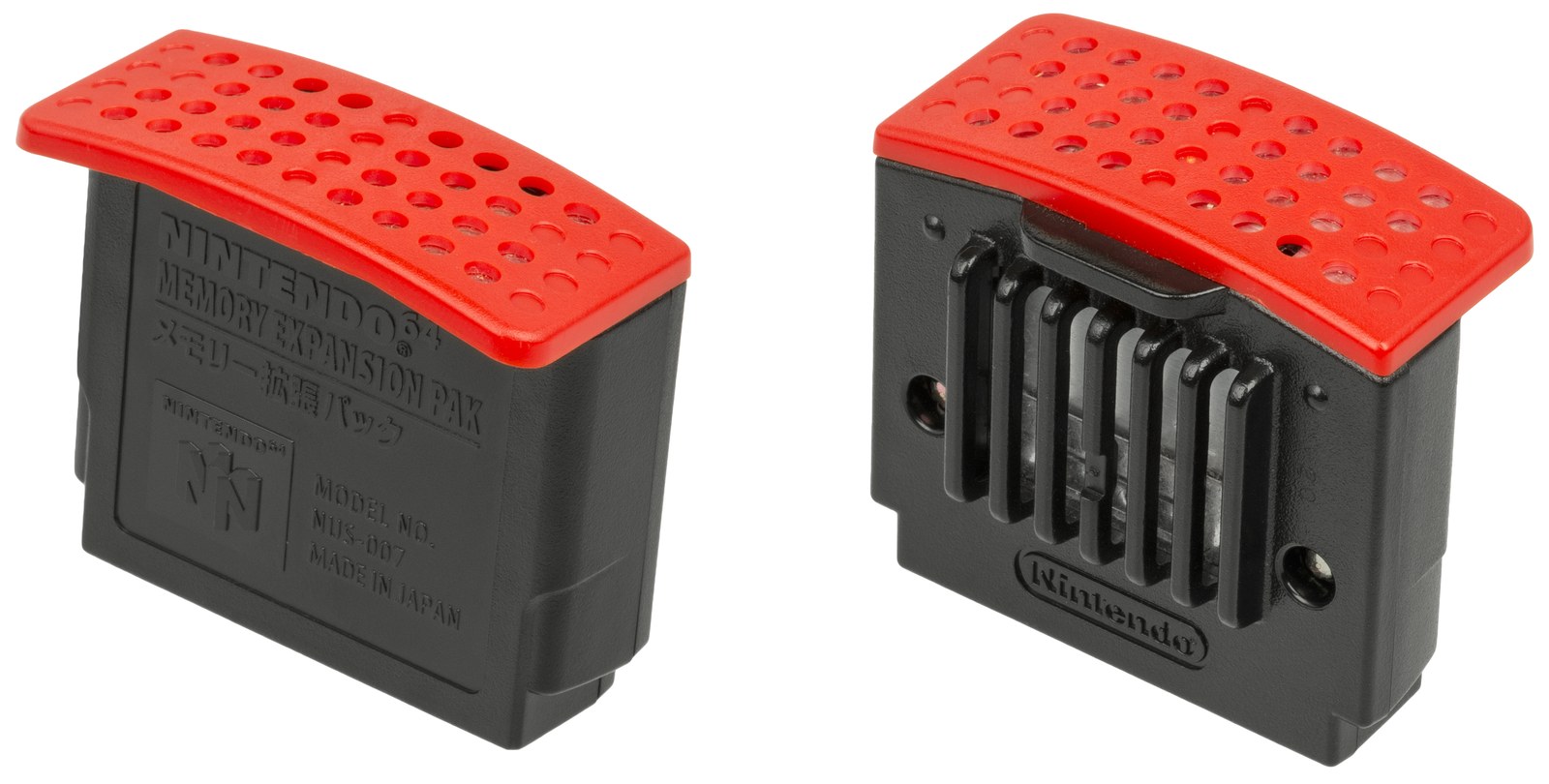
It sounds like a scandal now. At the time it felt more like a rite of passage. Everybody I knew either had the Pak from Donkey Kong 64 or went out and got one for this. And honestly? Once you saw the game running in full — the lighting, the detail, the sheer amount of stuff Rare had crammed in — you understood. They hadn’t held the game hostage. They’d built something the standard hardware couldn’t hold, and the Pak was the price of not cutting it down. We paid it happily.
Same Rooftop, Sharper Eyes: the 2010 Remaster
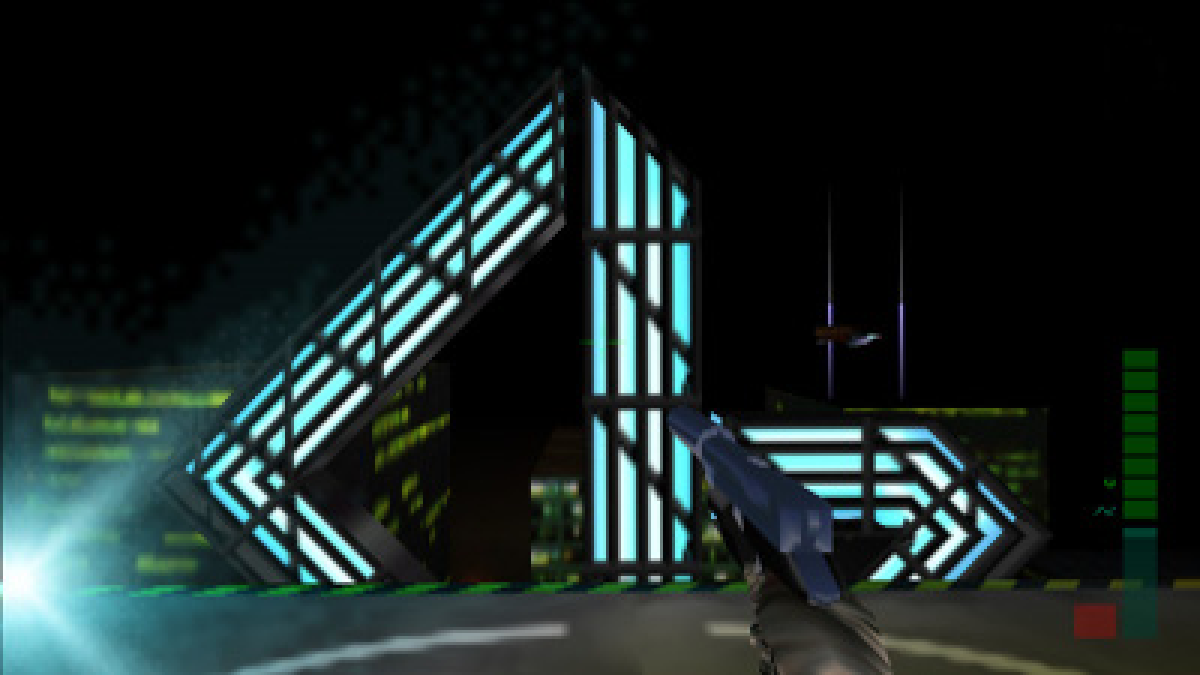
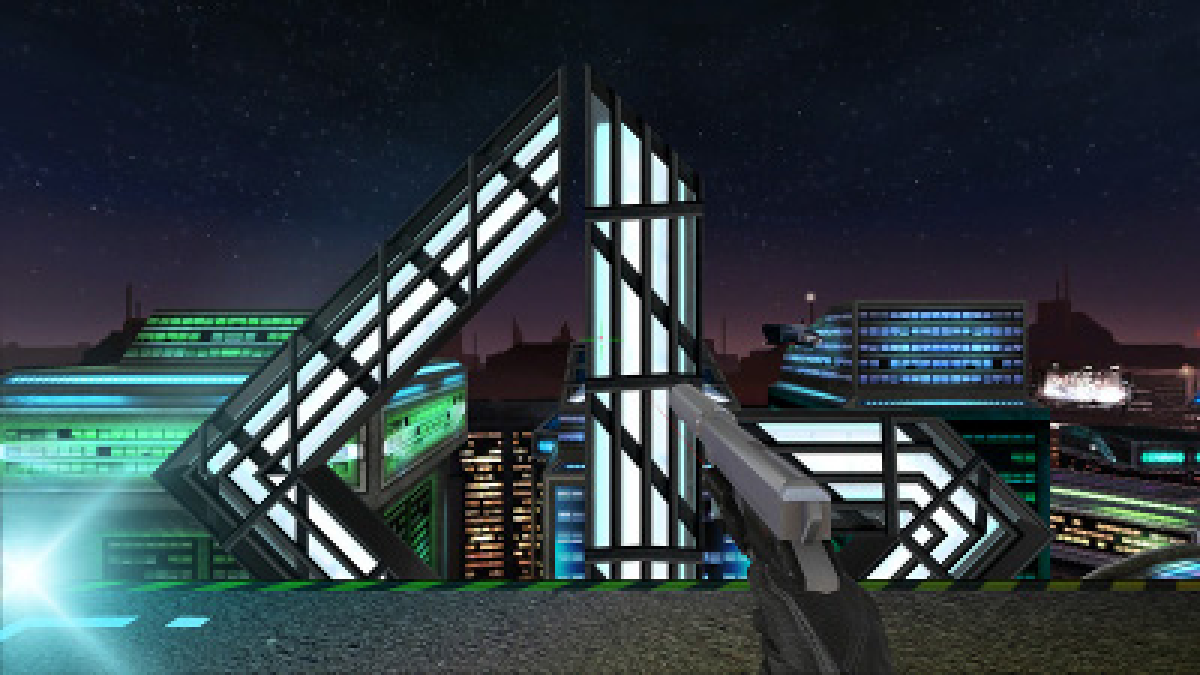
Ten years later, 4J Studios brought the game to Xbox 360 through Xbox Live Arcade, releasing on March 17, 2010. It was the right kind of remaster. The game underneath was untouched — same missions, same Simulator, same cheats — but the textures and models were rebuilt at higher resolution, it ran at a smooth 60 frames per second, and the multiplayer finally went online over Xbox Live. The couch was suddenly the whole internet. It turned up again on Nintendo Switch Online in June 2024, too, which tells you something about how this one refuses to stay in the past.
Which brings us back to tomorrow. Xbox Wire’s listing keeps it simple: Perfect Dark, cloud and console, joining Essential on November 15 alongside the rest of the Rare haul. No fuss. And maybe that’s fitting. This game has never needed a relaunch event. It just needs to be available, somewhere a controller can reach it, and it does the rest — the same way it did in May 2000, when it arrived near the end of the N64’s life and quietly outclassed almost everything on the system.
GoldenEye had the licence, the film, the phenomenon. Perfect Dark had to earn it on its own name, and it did. So yes, I’m sad to see the king go. But watching the successor take his seat on the very same day, during Xbox’s 25th birthday weekend, surrounded by Banjo and Viva Piñata like family at the table — that’s not a downgrade. That’s the story coming full circle. Clear your Sunday. MeatSims first, to warm up. Then we talk about DarkSims.
— Sal
For more launches from this date, see This Day in Gaming History: May 22.