
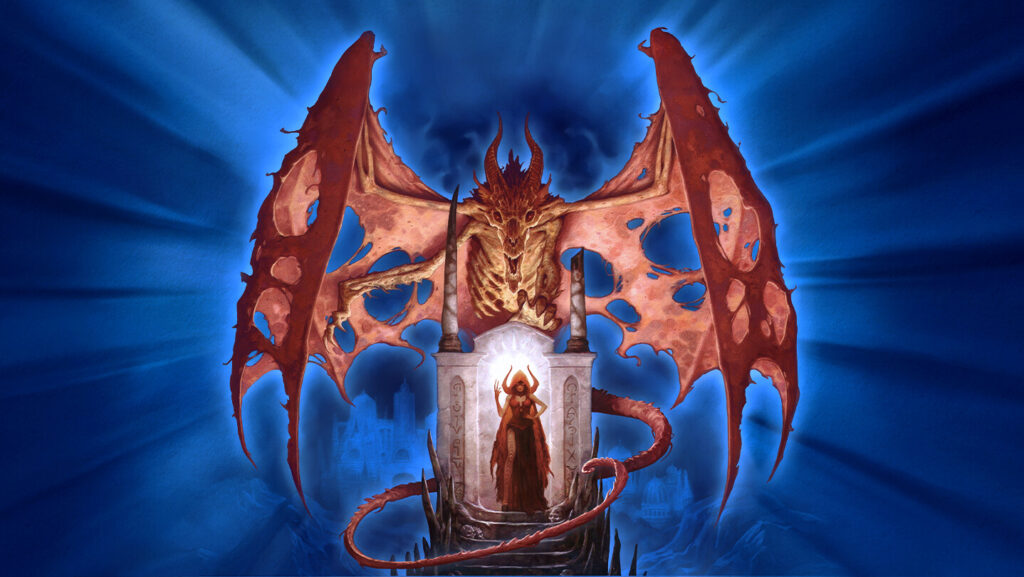
Some games get remasters. This one got a resurrection. Pool of Radiance: Ruins of Myth Drannor — Stormfront Studios’ 2001 Dungeons & Dragons RPG, and for 25 years one of the most awkward games in the D&D catalogue to actually own — launched on Steam and GOG on Friday, November 6. It is the game’s first-ever digital release. Until this week, if you wanted a legal copy, you were hunting down two-decade-old discs and hoping your modern PC felt charitable.
The price is reasonable and the discount is real: $19.99 list, currently 10% off at $17.99 until November 20 on Steam. Publisher SNEG, working with Wizards of the Coast, has rebuilt the game for modern hardware — widescreen up to 4K, controller support, a reworked camera, a new action bar, and fixes for the bugs the original was infamous for. There is one honest catch, and we will get to it: the original’s six-player online multiplayer is gone. This is a single-player release.
But the price and the feature list are not the story here. The story is that this game should not exist in 2026 at all — and the way it came back says a lot about where retro preservation actually is now.
What Ruins of Myth Drannor Actually Is
Start with the name, because the name carried weight. The original Pool of Radiance from 1988 was the first Gold Box game — the D&D computer RPG that effectively started the genre’s licensed era. Ruins of Myth Drannor, developed by Stormfront Studios and published by Ubisoft in 2001, was the sequel in spirit: a return to the city of New Phlan, where a new Pool of Radiance has been found underneath the ruins, radiating exactly the sort of evil that pools of radiance in the Forgotten Realms tend to radiate.
The setup is classic, unapologetic D&D. The wizard Elminster puts out the call. You create up to four heroes, recruit two more along the way, and take a party of six down into the ruined elven city of Myth Drannor to stop a sorceress and a dracolich — an undead dragon, for anyone whose Monster Manual is rusty — from turning the Pool’s power against the realm. The Steam listing puts the campaign at level 16 with 8th-level spells and more than 90 spells in the book. This is a big, slow, deliberate dungeon crawl, and it has never pretended to be anything else.
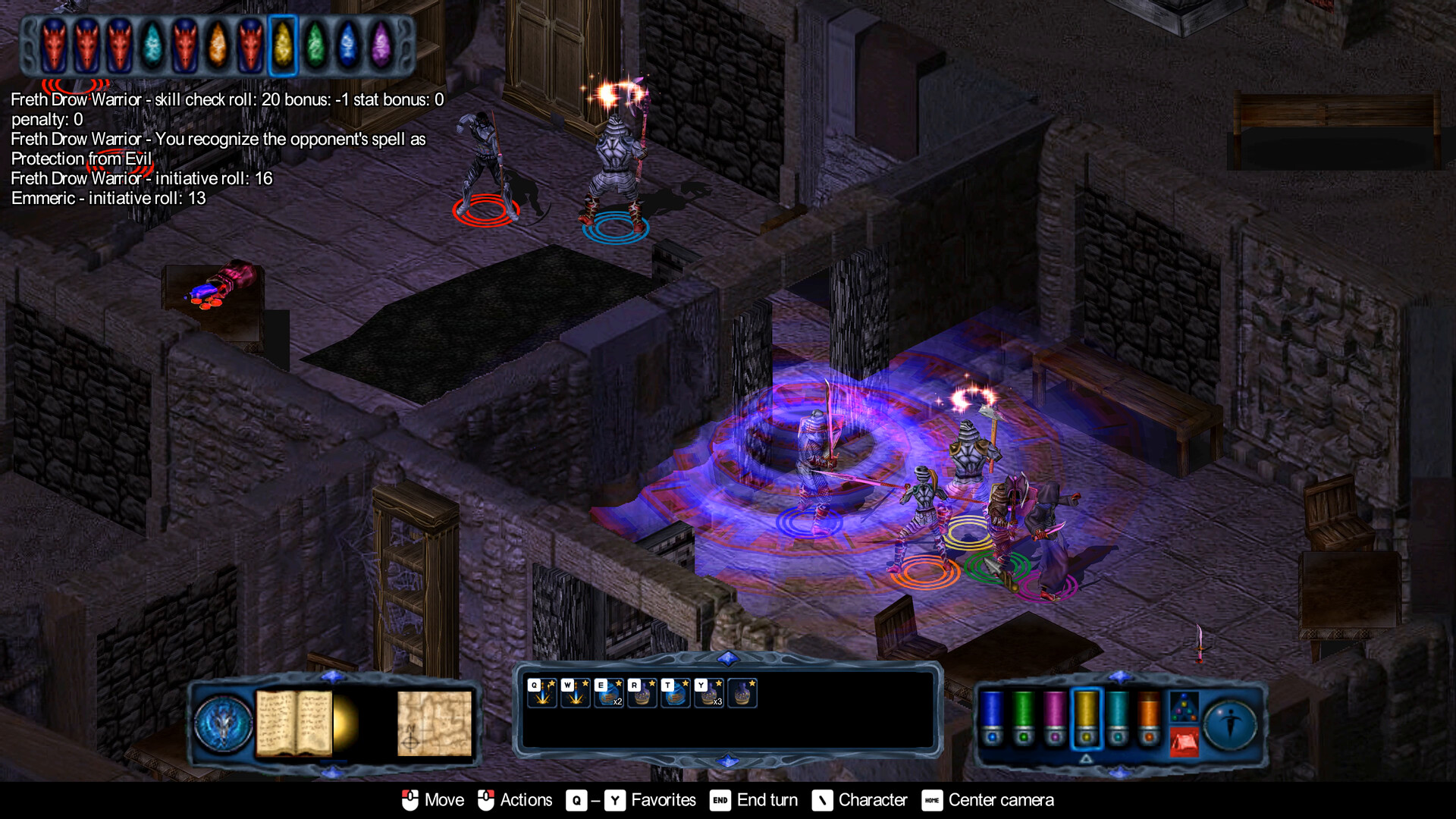
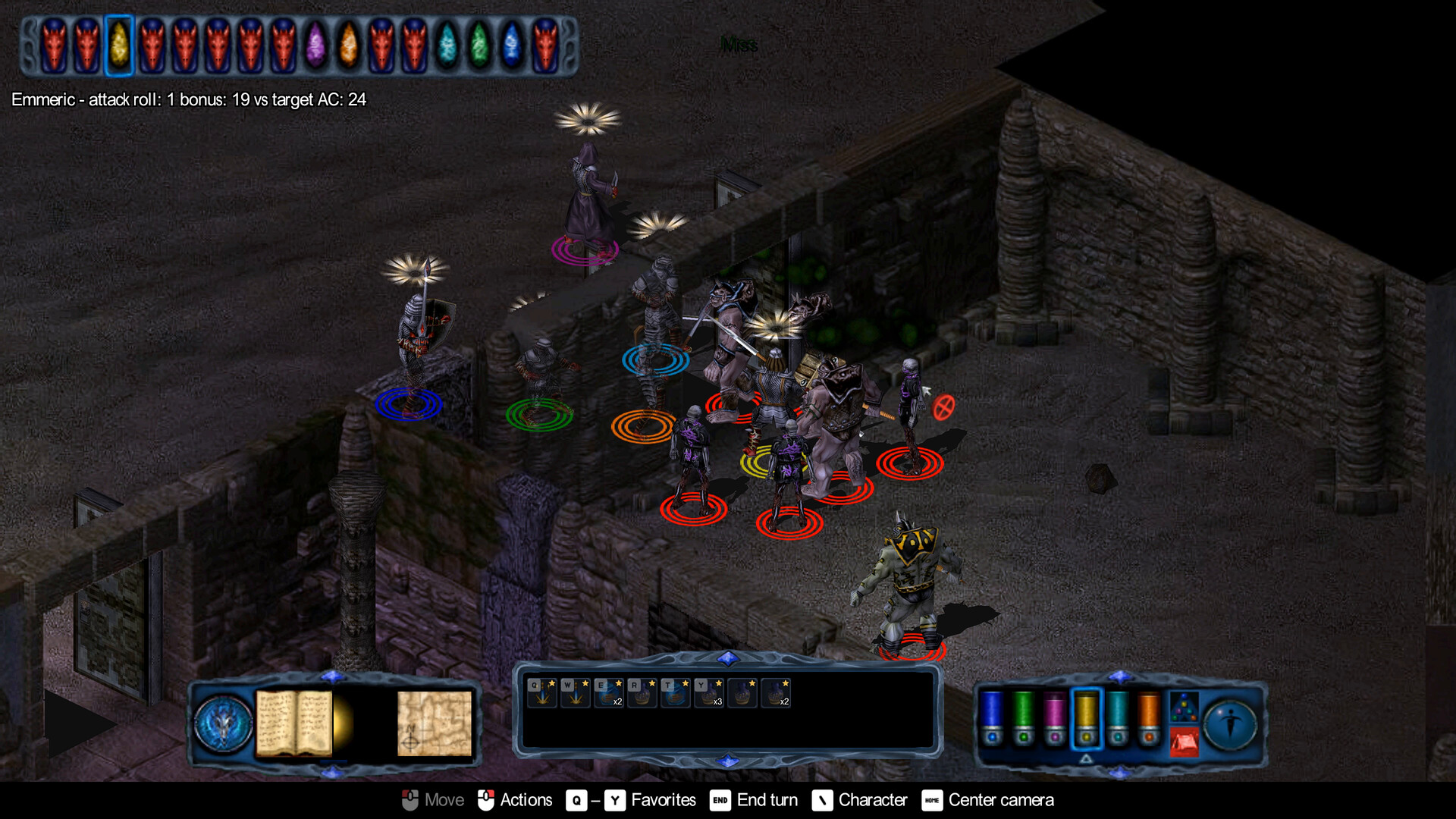
Its historical claim is genuine: Ruins of Myth Drannor was built on the Dungeons & Dragons 3rd Edition rules — the first PC game to use them — with strictly turn-based tactical combat at a moment when its contemporaries were going real-time with pause. Whether that was visionary or stubborn depends on who you ask. What is not in dispute is that the combat is the game: positioning, initiative rolls, attack rolls against armor class, all of it logged on screen in plain numbers. No dice are hidden here.
The Launch Everybody Remembers for the Wrong Reasons
Now the part nobody at SNEG is pretending away, and neither should we. The 2001 original was divisive on its best day and a technical problem on its worst. Reviews at the time were lackluster, and the game was plagued with bugs — problems with installation, saving, graphics and gameplay were all reported. One bug became legend, and not the good kind: as Wikipedia’s summary of the record puts it, a major bug would cause a player’s system files to uninstall when the game itself was removed. Read that again. Uninstalling the game could take pieces of Windows with it. MobyGames’ account adds that the installer would only accept the C: drive and that on Windows 9x systems the uninstaller could erase core components, leaving the machine unusable after a reboot — bad enough that the game was withdrawn and re-released with a fixed installer.
Later patches repaired some of the stability issues, but the reputation set hard and early. This was a game people warned each other about. It is probably the only RPG in history whose most famous feature was its uninstaller.
A game whose uninstaller could take your operating system with it does not get a nostalgic re-release by accident. Somebody has to actually want to do the work.
That reputation is also exactly why the game vanished. A buggy, middling-reviewed, disc-only release from a defunct development arrangement is nobody’s licensing priority. For 25 years, Ruins of Myth Drannor sat in the worst category a game can sit in: famous enough to be asked about, awkward enough that nobody answered. Which brings us to how it came back.
No Source Code. No Tools. No Documentation.
Here is the detail that elevates this from a routine storefront arrival to an actual preservation story. In an interview with 80 Level published on launch day, SNEG co-founder Artem Shchuiko was asked what original materials the team had to work from. His answer, in full: none of it. No source code, no development tools, no documentation. The only starting point was the retail editions released around the world — whatever was pressed onto those discs.
So the team reverse-engineered the game. Working from the retail builds, they picked apart enough of the original engine to modify it: to make it run properly on modern systems, to fix bugs that have been sitting in shipped code since 2001, and to bolt on an interface the original never had. The new UI layer is built on Dear ImGui, a developer tool repurposed here as the foundation for the in-game interface, and image sharpness comes from AMD’s FSR 1.0 upscaling applied to the output — a trick SNEG says it had already established on earlier titles — rather than from repainting the original artwork.
One small, telling decision from that interview: for the new assets the team did create — icons for every spell and action on the new action bar, for a start — the rule was to work at twice the original resolution. Enough pixels to stay legible, not so many that the new pieces clash with a game that is visibly from 2001. The main font got the opposite treatment: rebuilt properly as a TrueType font, with missing glyphs added, because readability was the one place where authenticity was not worth the squinting. That is a restoration philosophy in miniature — preserve the character, fix the friction — and it matches the line SNEG’s director has used throughout the launch: preserve what made the original special, fix what needs fixing.
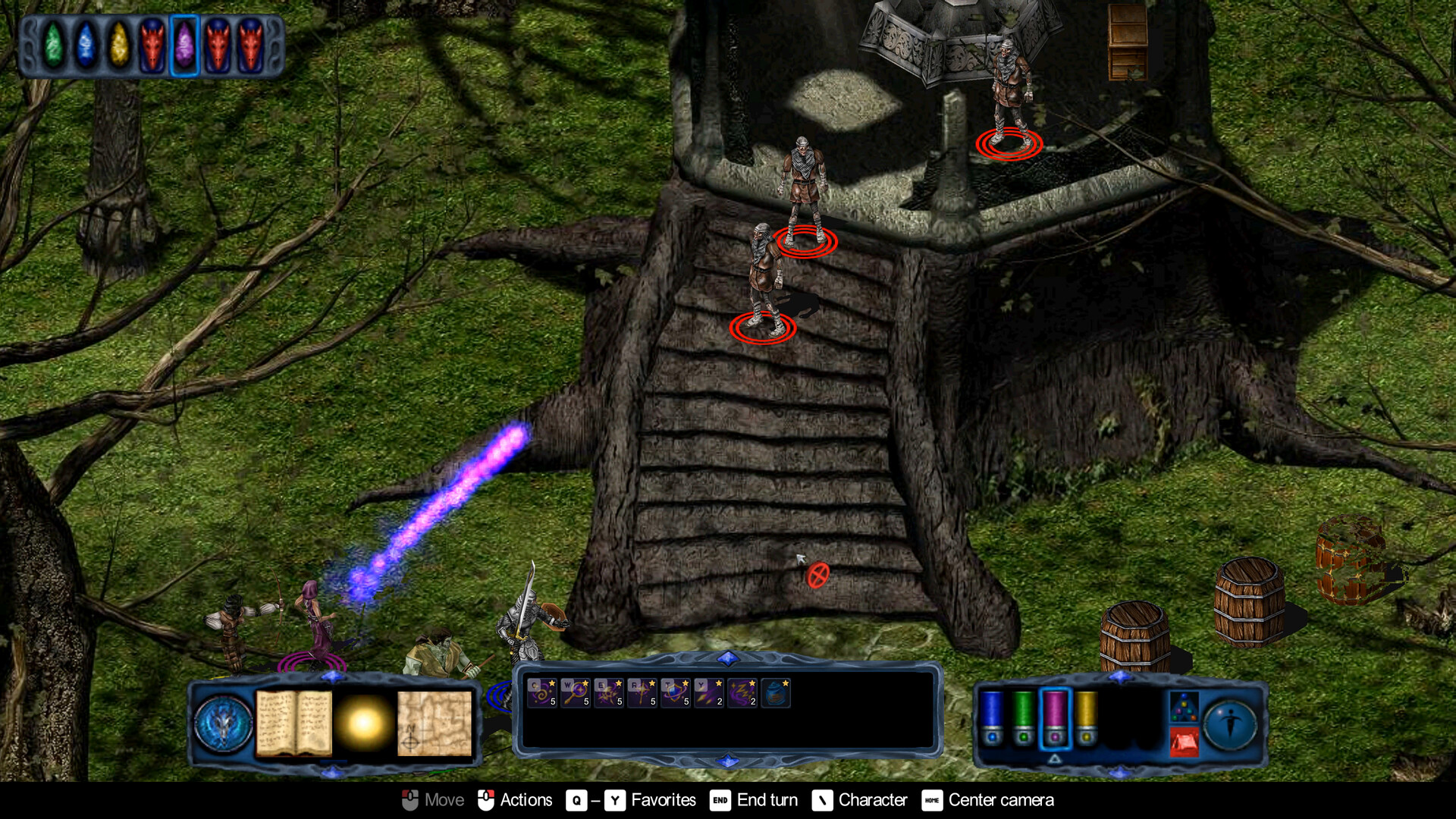
What the Restoration of Ruins of Myth Drannor Actually Changes
Stripped of the romance, here is what the $19.99 buys, per SNEG’s own store listing:
- Widescreen up to 4K, with sharper visuals on modern displays — the original’s fixed, low-resolution presentation is gone.
- Bug fixes for numerous issues from the 2001 release. Given this game’s specific history, this bullet is doing more work than any other on the list.
- Improved UI: a new action bar and added tooltips, addressing one of the original’s most consistent review complaints — a cumbersome interface.
- Full controller support and reworked camera controls.
- Adjustable combat animation speed, plus an optional turn timer if you want the deliberate combat to move with more pressure.
- Optional Legacy mode, which preserves the original gameplay and visuals for returning players who want it the old way.
- Steam Achievements, Cloud saves and Deck support on the Steam version; the GOG version is there for the DRM-free crowd, as usual.
What is not on the list matters as much. The 2001 release supported online multiplayer for up to six players; the 2026 release is single-player only. SNEG has not dressed that up, and neither will we — if your memories of this game are multiplayer memories, this edition will not recreate them. What it recreates is the campaign, all six party slots of it, running on hardware made this decade.
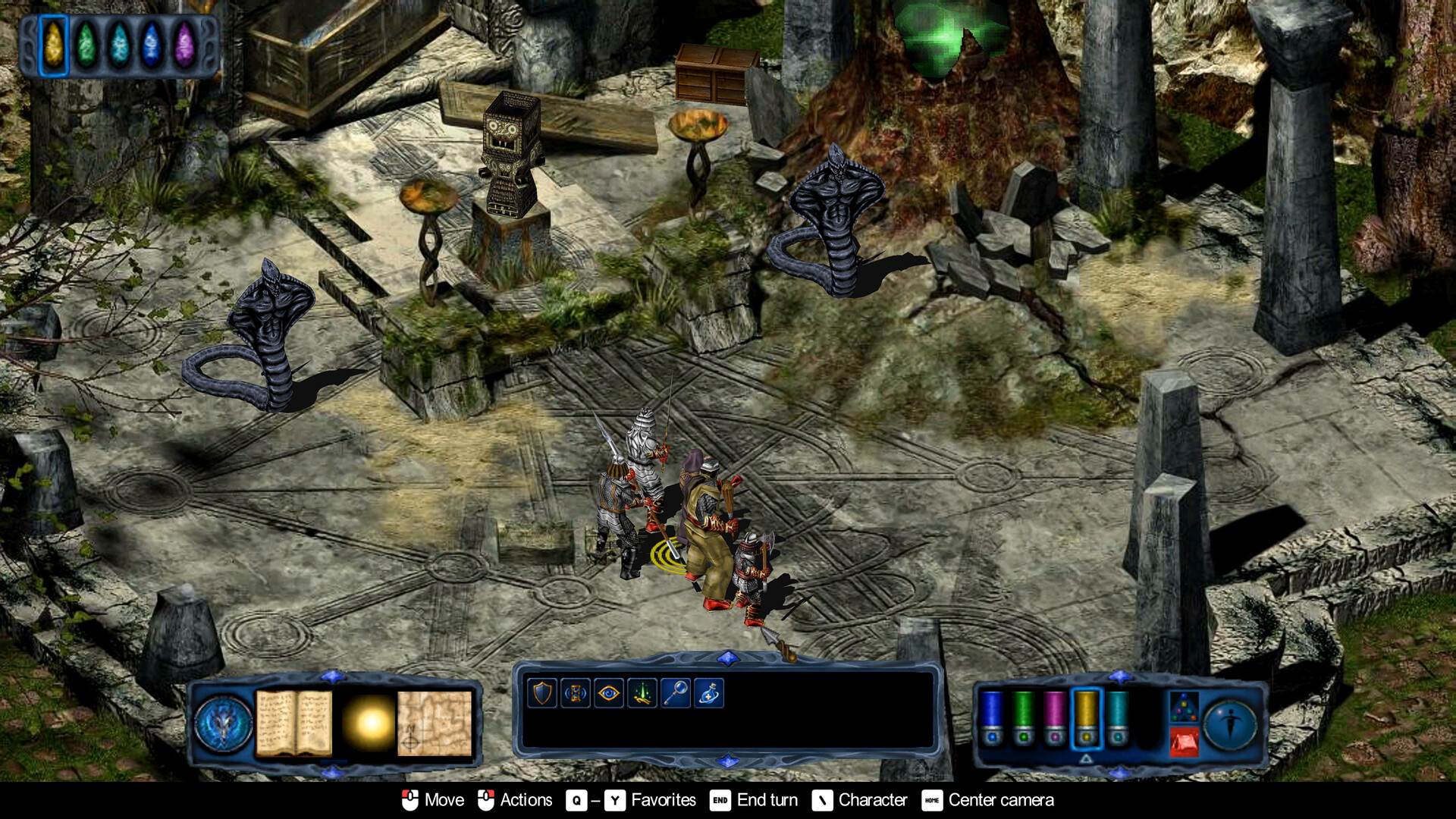
Should You Buy a Game Reviewers Warned You About in 2001?
Depends what you are buying it for, and June Park honesty rules apply. If you want a lost masterpiece, adjust your expectations before you adjust your wallet: this was a divisive, repetitive, interface-challenged dungeon crawl in 2001, and a restoration — however careful — restores the game that exists, not the one the box art promised. The combat is slow. The dungeons are long. The 3rd Edition rules are implemented with more enthusiasm than elegance. All of that was true then and remains true now.
But that was never really the offer. The offer is this: a historically significant D&D game — the first to carry the 3rd Edition rules to PC, the last echo of the Gold Box lineage — that was effectively extinct as a commercial product, rebuilt from its own retail discs by a small publisher that specializes in exactly this kind of rescue, and sold for under twenty dollars with the bugs that made it infamous finally addressed. SNEG has form here, including last year’s work bringing back The Temple of Elemental Evil; this is a catalogue being rebuilt one awkward orphan at a time.
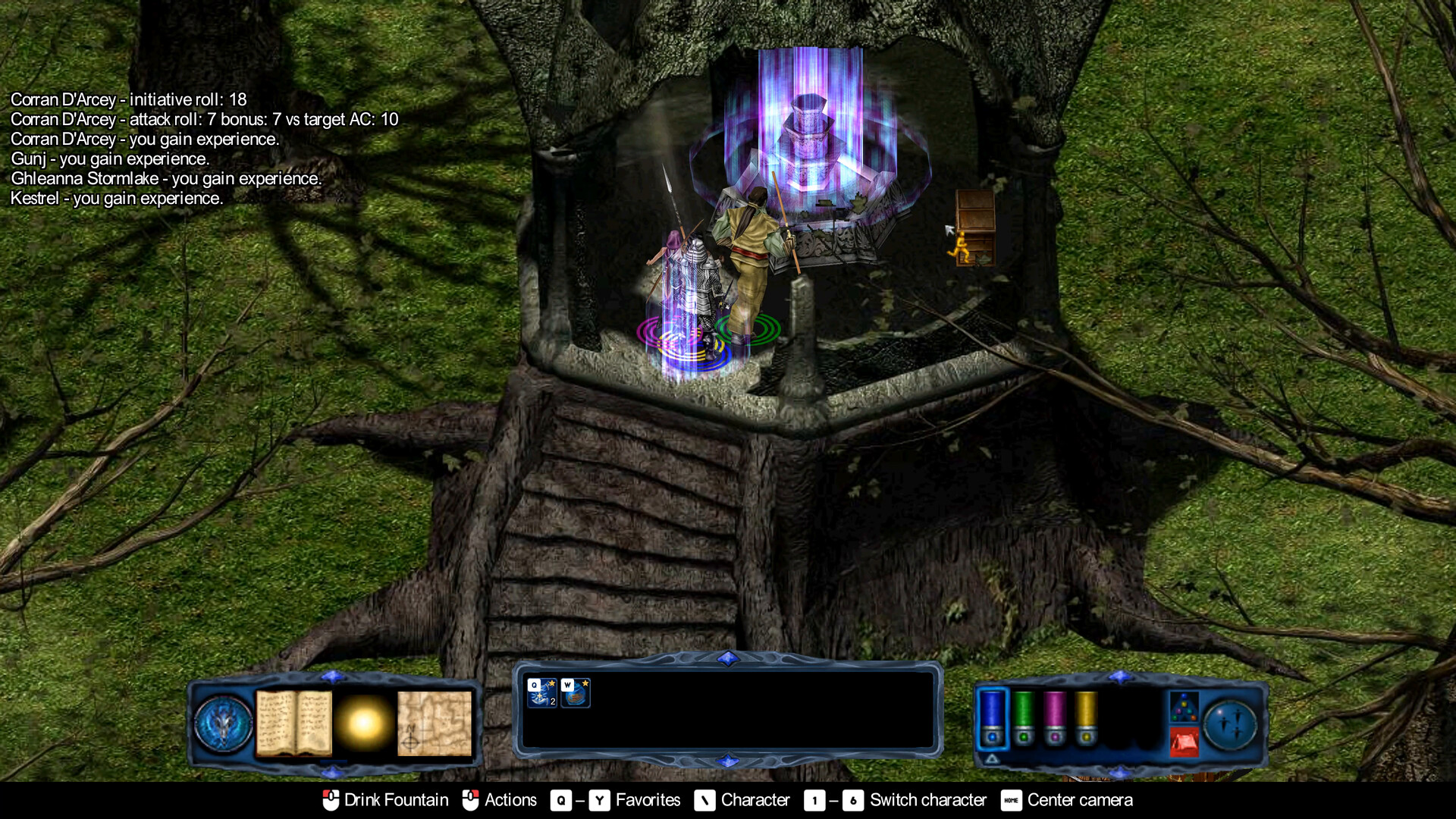
For D&D historians, Gold Box veterans, and anyone who keeps a list of games that deserve to be playable rather than merely remembered, $17.99 until November 20 is an easy call. For everyone else, it is a fair price for a genuinely strange artifact — a game that once endangered your operating system, now safely house-trained, on Steam Deck. Preservation rarely looks this unglamorous, and it rarely matters more. Ruins of Myth Drannor is back. This time, uninstalling it is perfectly safe.