
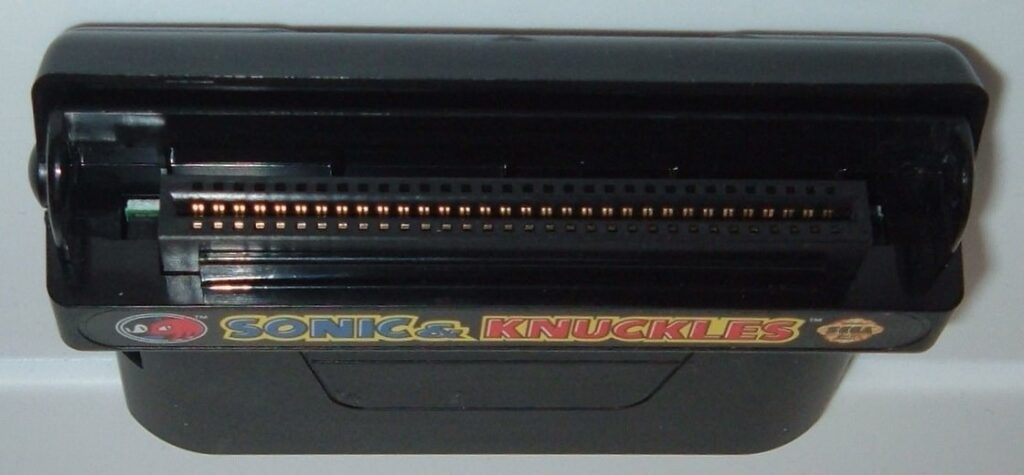
Of all the remakes and remasters that never happened, the Sonic 3 & Knuckles remaster still stings the most, because the people who wanted to make it had already proved — three times — that nobody on Earth could do it better. In October 2014, for the twentieth anniversary of Sonic & Knuckles, Christian Whitehead and Simon Thomley revealed that they had built a proof of concept for a full remaster of Sonic the Hedgehog 3 & Knuckles using their Retro Engine: widescreen, rebuilt, running on modern devices. They had shown it to Sega at E3 that summer. Sega said nothing. The remaster never came.
The remaster kings
To grasp why fans took the news so personally, remember what Whitehead and Thomley had already done. Working with Sega, the pair — Whitehead the Australian programmer behind the Retro Engine, Thomley of the studio Headcannon — had produced the celebrated mobile and console remasters of Sonic CD in 2011 and Sonic the Hedgehog and Sonic 2 in 2013. These were not emulations. Each game was rebuilt from the ground up in a modern engine: true widescreen, silky performance, restored content and thoughtful extras, including — in Sonic 2’s case — the long-lost Hidden Palace Zone, finished at last. The remasters were widely considered the definitive versions of three classic games. There was exactly one 16-bit Sonic platformer left on the list, and it happened to be the biggest: the two-cartridge epic of Sonic 3 and its lock-on partner.
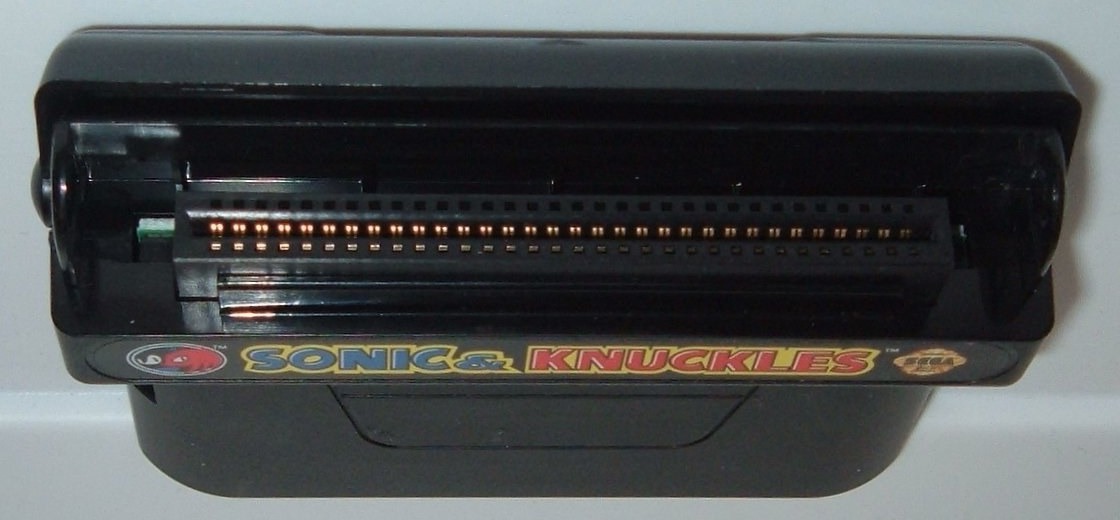
Sonic 3 & Knuckles had always been one game wearing two boxes — a single adventure split by cartridge capacity in 1994 and reunited by the lock-on slot, letting Knuckles into Sonic 3 and Sonic & Tails into his own campaign. A remaster would have healed the split properly, presenting the whole saga as one widescreen whole. That was the pitch.
The anniversary timing sharpened the disappointment. Sonic & Knuckles turned twenty in October 2014 in a year when the industry was learning to monetise memory at industrial scale — remasters were becoming a pillar of every publisher’s calendar, and Sega itself was cheerfully reissuing its back catalogue in every format going. Against that backdrop, the absence of the one remaster fans actually petitioned for became conspicuous, and the proof of concept’s footage — Angel Island in widescreen, the special stages gleaming — circulated as evidence of a parallel 2014 in which somebody at Sega had simply said yes.
One proof of concept: the Sonic 3 & Knuckles remaster
What Whitehead and Thomley built — a single proof of concept, by their own description — was shown publicly in October 2014, timed to the anniversary. It demonstrated the title screen, Angel Island Zone, the special stages and the bonus stages running in the Retro Engine, and a companion concept video explored “Blue Spheres 2”, a possible evolution of the beloved special stage. The pair had presented the work to Sega in person at E3 2014. Then: silence. No announcement, no rejection, no game. In interviews afterwards the developers were diplomatic and a little wistful; asked what might be standing in the way, Thomley conceded that long-rumoured music licensing complications were “a distinct possibility” — a remark that has attached itself to the project ever since, though Sega has never confirmed any reason at all.
What it would have meant
It is worth spelling out what was actually lost, because a remaster can sound like a coat of paint. On the evidence of the team’s previous work, a Retro Engine Sonic 3 & Knuckles would have been the first official release of the complete game as a single, seamless work — no lock-on menu, no split campaign — running in true widescreen, so that a generation raised on the 4:3 original could finally see around corners the level designers never expected to be visible. The earlier remasters suggest the extras would have been chosen by people who knew the games intimately: when Whitehead’s Sonic CD added a playable character and his Sonic 2 resurrected a cut level two decades after its deletion, they established a house style of restoration as archaeology. Sonic 3’s own cupboards were full of mysteries — prototype differences, unused music credits, the notorious Carnival Night barrel that had defeated a generation of children — and nobody was better placed to curate them.
And then there is the music, which hangs over the whole affair. A substantial part of Sonic 3’s soundtrack has spent thirty years at the centre of the most famous uncredited collaboration in game music, with Michael Jackson’s involvement reported, denied, half-confirmed and litigated by rumour ever since. Whoever owns exactly which notes has never been publicly clarified, and it remains — as Thomley’s careful phrasing acknowledged — a plausible, unproven explanation for why the one classic Sonic game that needed the remaster most is the one that kept not getting it.
The two halves of the lost game had their own odd biography. Sonic the Hedgehog 3 launched in February 1994 — Sega of America famously made a festival of its release date — with Sonic & Knuckles following that October, the lock-on cartridge arriving like a second volume of a novel sold in two parts. Players who owned both experienced the complete saga; players who owned one owned a fragment with a conspicuously unfinished ending. The architecture was ingenious and faintly absurd, and it meant that for thirty years the definitive Sonic 3 existed only as a hardware handshake between two cartridges. A remaster would not merely have polished the game. It would have abolished the handshake — and, in doing so, finally published the novel whole.
Whitehead’s route to that desk is its own commentary on how talent moved through the Sonic world. He emerged from the fan-games community, where his Retro Engine had powered ambitious amateur projects long before Sega came calling — the publisher, to its credit, hired the fan rather than suing him, and the official remasters that followed were better for his years of unpaid apprenticeship. Thomley’s Headcannon carried the same heritage. That is why the 2014 pitch mattered symbolically beyond its footage: it was the fan community, having rebuilt Sonic’s past better than anyone, formally offering to rebuild the rest of it. The offer stood. The answer never arrived — and the community, characteristically, went and made Sonic Mania instead.
The campaign, and the long wait
Fans responded the way fans do: they organised. A petition site, sonic3remastered.com, gathered thousands of signatures — more than seven thousand by early 2015 — under the banner #BringBackSonic3, and Thomley publicly endorsed the campaign in February 2015 while carefully noting the decision was Sega’s alone. It changed nothing at the time. The Retro Engine versions of the first two games quietly disappeared from sale in later years as Sega consolidated its classic catalogue, and the third game remained officially frozen in its 1994 form — emulated, recompiled, but never remade.
There is a postscript, and it is a good one. Whitehead, Thomley and their collaborators went on to make Sonic Mania in 2017 — an entirely new game built with the same tools, taste and personnel, and one of the best-reviewed Sonic titles ever released. And in 2022, Sonic Origins finally brought a widescreen Sonic 3 & Knuckles to modern machines, with Headcannon contributing to the package — not the full standalone remaster pitched in 2014, but proof that the door was never locked, only closed. The proof of concept remains what it was: a few minutes of footage showing the definitive edition of a masterpiece, built by the only team anyone would have chosen, waiting on a desk in 2014 for a yes that never came. Retro gaming is full of lost games. This one was lost in plain sight.