
At a glance: Sonic the Hedgehog Pocket Adventure · Neo Geo Pocket Color · Dimps / Sega, 1999 · Platformer · Score: 9.0/10
In December 1999, something quietly historic happened: Sonic the Hedgehog starred in a game for somebody else’s console. Sega, deep in its Dreamcast-era détente with former rivals, licensed its mascot to SNK’s Neo Geo Pocket Color, and the resulting game — developed by Dimps, a studio founded by former SNK staff — is far better than a licensing footnote has any right to be. Pocket Adventure is a compact celebration of everything 2D Sonic had been, built by people who plainly loved it.
The structure is a remix in the best sense. Across Neo South Island’s zones, you will recognise the layouts and set pieces of Sonic the Hedgehog 2 — the loops and corkscrews of the opening zone owe everything to Emerald Hill and Chemical Plant’s speedways — blended with elements and music drawn from Sonic 3 and Sonic & Knuckles. It is not a port of any single game; it is a greatest-hits arrangement, tuned for a smaller screen and shorter sessions. Dr Eggman (Robotnik, in period dress) is kidnapping animals and building a Death Egg successor, and Sonic runs, spins and spin-dashes through six zones to stop him.
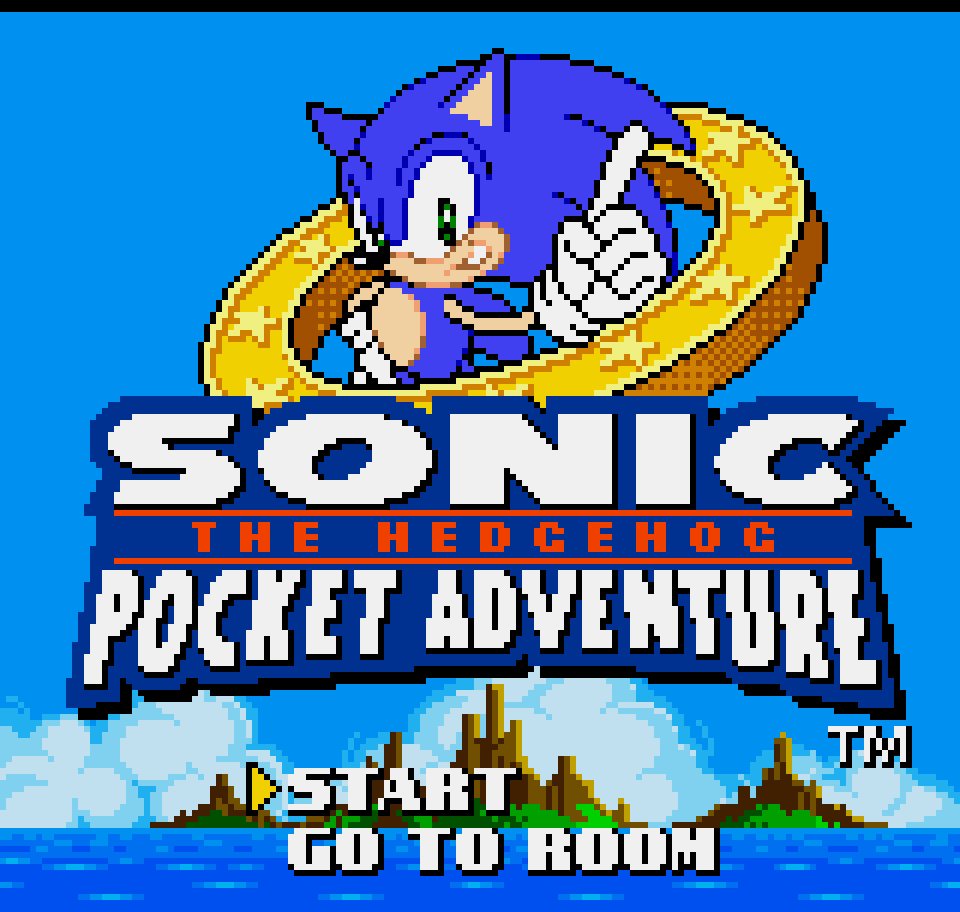
Speed, preserved
The essential question for any pocket Sonic is whether the speed survives, and it does. Dimps nailed the physics that matter: momentum builds naturally, hills throw you, the spin dash charges with the right weight, and the level design trusts you with velocity rather than punishing it. The smaller screen is the one real compromise — you see less of what is ahead, and a couple of enemy placements feel unkind at full tilt — but zoomed-out sprite work and sensible layouts keep deaths mostly honest. The NGPC’s stick, surprisingly, makes a fine D-pad substitute here, its positive clicks suiting quick direction changes.
Presentation is a small miracle. Sonic’s sprite animates with real flair, the zones are colourful in a way that showed up the Game Boy Color’s library instantly, and the soundtrack remixes classic Masato Nakamura themes into pocket chiptune with their energy intact. Special stages — half-pipe ring chases in the Sonic 2 tradition — guard the Chaos Emeralds, and beating the game with the set complete is the proper finish. Knuckles shows up for a boss duel, and a hidden final confrontation rewards the thorough.
A greatest-hits arrangement of the Mega Drive classics, tuned for a smaller screen — and the speed, incredibly, survives intact.
More than the campaign
Dimps packed the cartridge with extras that extend it well past the afternoon the main game takes. Time Attack mode times every act and saves your best, the puzzle mode hides collectible puzzle pieces throughout the zones that assemble into artwork, and a two-player link mode lets two cartridge owners race head-to-head — a genuinely rare treat in handheld Sonic. There is even a sound test for the faithful. For a licensed guest appearance, the effort is lavish.

Quibbles are minor. Veterans will clear the zones quickly — this is a friendlier game than Sonic 2 — and the screen crunch causes the occasional leap of faith. The boss fights, mostly remixed classics, will not surprise anyone who has fought them before, though fighting them well on this hardware is pleasure enough. And yes, it remains faintly surreal to see Sega’s logo boot on an SNK machine; history has only made it more charming.

The Dimps connection
The studio credit is the key to the whole game. Dimps was founded in 2000 — Pocket Adventure was developed on the cusp of that founding by staff who would formally become Dimps, many of them SNK veterans who had left to build something new. Sonic was their calling card, and they played it perfectly: Pocket Adventure’s engine, feel and structure became the template for Sonic Advance the following year, and through Advance and Rush, for a decade of handheld Sonic that many fans rate above the home games of the same years. Playing it now is like reading a great band’s demo tape and hearing the hits already fully formed.
It also stands as a marker of a brief, fascinating industry moment: Sega in 1999, its Dreamcast fighting for life, licensing its mascot to a partner’s handheld and sharing technology through the Dreamcast link era. That openness produced strange fruit — a Sonic game with SNK’s name on the box, reviewed warmly everywhere — and foreshadowed the post-2001 world where Sonic belonged to every platform. As a game it is excellent; as an artefact it is priceless; as both together, it is one of the NGPC’s essential cartridges.
The multiplayer deserves its footnote in Sonic history. Two-player link races were a series rarity in 1999 — the home games had their split-screen modes, but handheld Sonic had never let two owners compete head-to-head — and Pocket Adventure’s versus races, run through the standard link cable, are fast, stable and genuinely contested. It is the kind of feature that only exists because SNK’s ecosystem assumed linked play as a default, and it quietly expanded what a Sonic game was allowed to be.
And a word for the puzzle mode, the cartridge’s slow-burn pleasure: pieces hidden across the zones assemble into a gallery of Sonic artwork, turning replays into treasure hunts and giving the game’s back half a collector’s purpose beyond the Emeralds. It is a small system, elegantly judged — enough to reward the thorough, never enough to punish the swift — and typical of a cartridge that seems to have been built by people determined that no corner of it would be perfunctory.
Completion, for the record, is a meatier project than the credits suggest: all seven Chaos Emeralds through the half-pipe special stages, the puzzle-piece gallery completed zone by zone, time-attack medals on every act, and a hidden final boss waiting behind the full Emerald set. The cartridge keeps its secrets the old way — by rewarding the players who go back — and its save file will hold your progress with the quiet reliability that defines the whole system’s design.
So the surreal box — Sega’s mascot, SNK’s machine — turns out to contain the least surreal thing in the world: a superb platform game, made by masters, at exactly the moment two great companies briefly held hands. History remembers the handshake. Players should remember the game.
Verdict
Pocket Adventure matters historically — the first step in Sonic’s multi-platform future, made while Sega still sold consoles — but it endures because it is simply an excellent 2D platformer. Dimps would go on to define handheld Sonic for a decade with the Advance and Rush games, and you can see the whole future of that work in embryo here. On the NGPC it stands as proof of the machine’s best quality: given the chance, great developers did great work on it. This was the chance, taken.