
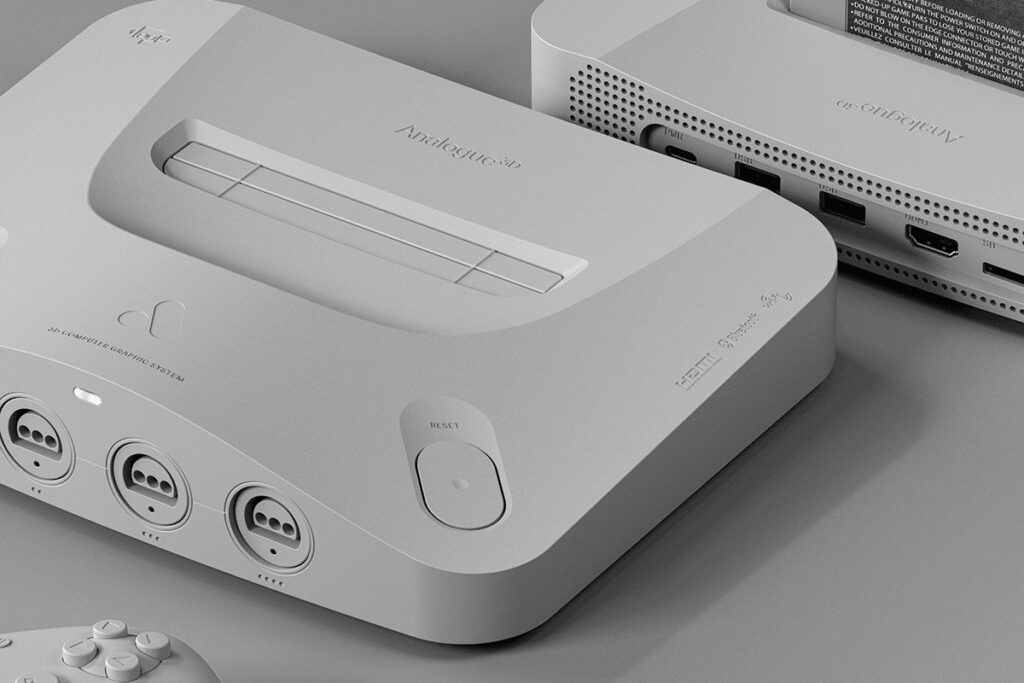
Review: Analogue 3D — Score: 9.0/10. My Nintendo 64 problem was never the games. It was everything between the games and me: a console that outputs a signal modern televisions actively resent, a drawer of ageing cables and adapters, an upscaler setup that needed ten minutes of negotiation before anyone could play, and a little voice asking whether tonight was finally the night a thirty-year-old power supply gave up. The Analogue 3D — Analogue’s FPGA recreation of the Nintendo 64, priced at $249.99 at launch — solved that whole stack of woes in a single afternoon, and after extended time living with it, I am confident calling it the new benchmark for how a classic console should be remade.
What FPGA actually buys you
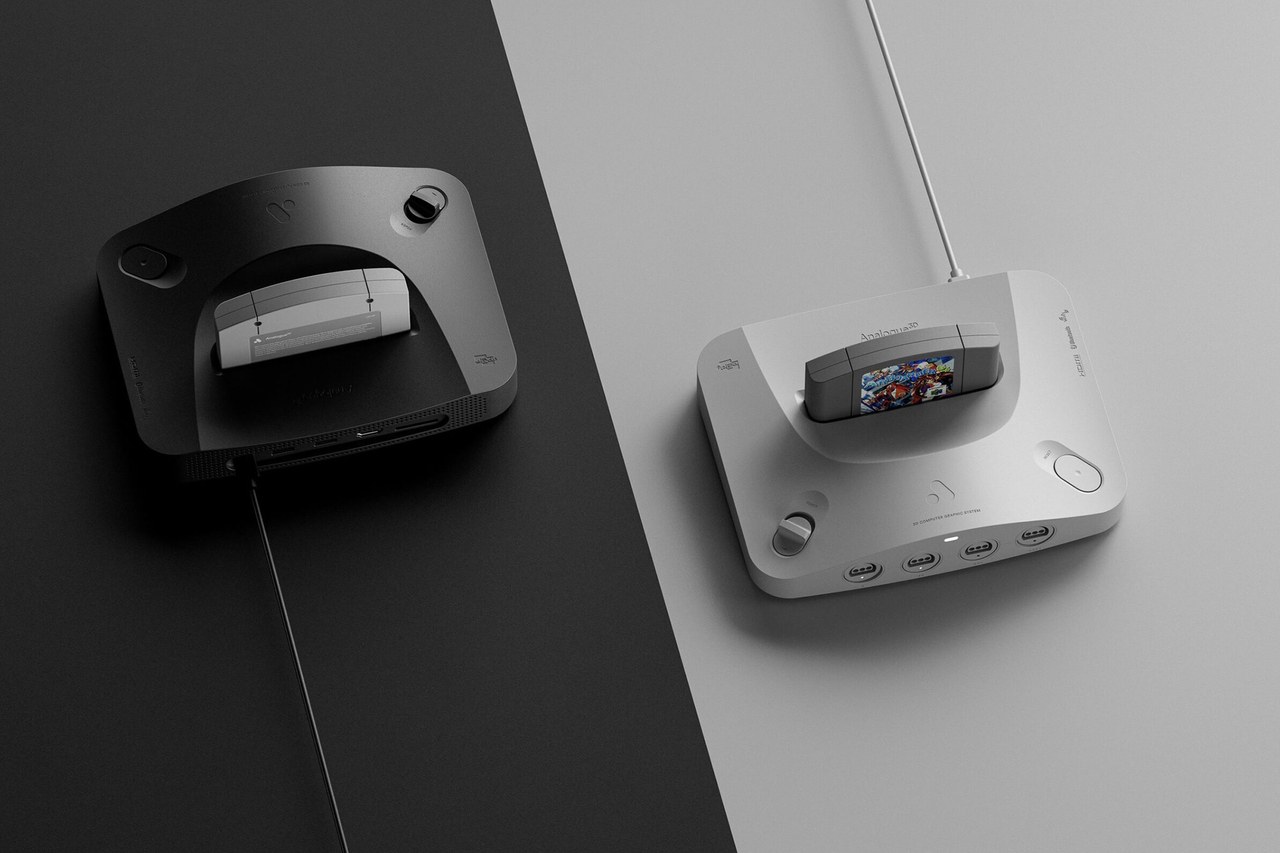
Software emulation asks a general-purpose computer to impersonate old hardware and hopes the timing works out. An FPGA is a chip configured at the circuit level to be the hardware, and the difference is felt before it is seen: input response is immediate, oddball cartridges behave, and the long tail of Nintendo 64 weirdness — the games that glitch, stutter or simply refuse under emulation — largely evaporates. Analogue claims compatibility with the entire original library across all regions, and in testing across a personal collection of more than forty cartridges, nothing contradicted that claim. Every cart that worked in a real N64 worked here, including Expansion Pak titles, because the extra memory behaviour is built in rather than bolted on.
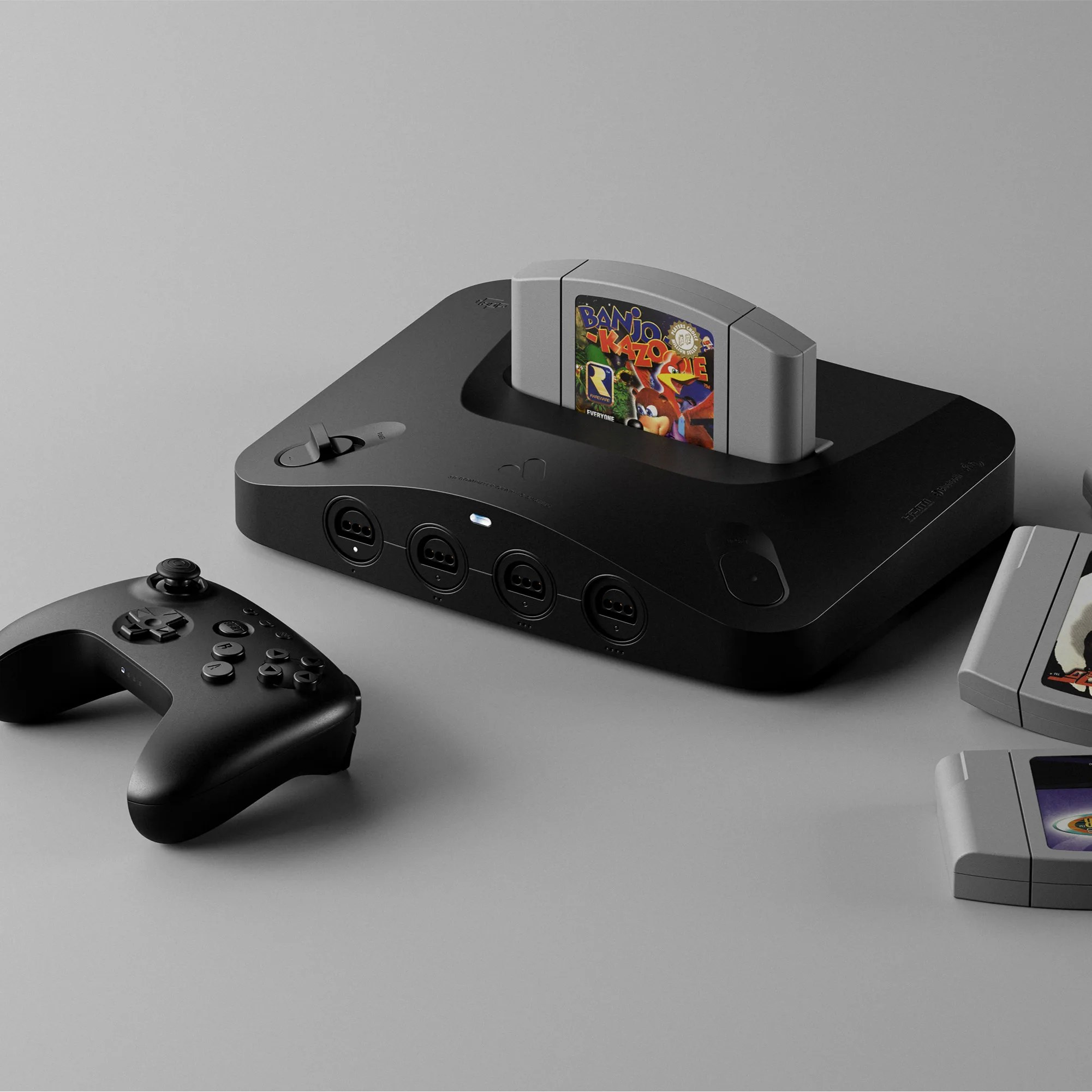
The machine itself is a handsome, grown-up echo of the 1996 original: the silhouette is recognisably Nintendo 64, refined into something that looks at home beside modern equipment rather than apologising for existing. Four original controller ports sit up front — your childhood pads, Rumble Paks and Controller Paks all welcome — joined by USB ports, Bluetooth and Wi-Fi for modern controllers and firmware updates, an SD card slot, and a single HDMI cable doing all the talking to your television. Power arrives over USB-C. That is the entire setup. After years of scaler chains, ‘plug in cartridge, switch on, play’ feels almost illicit.
The picture: 4K output, honest expectations
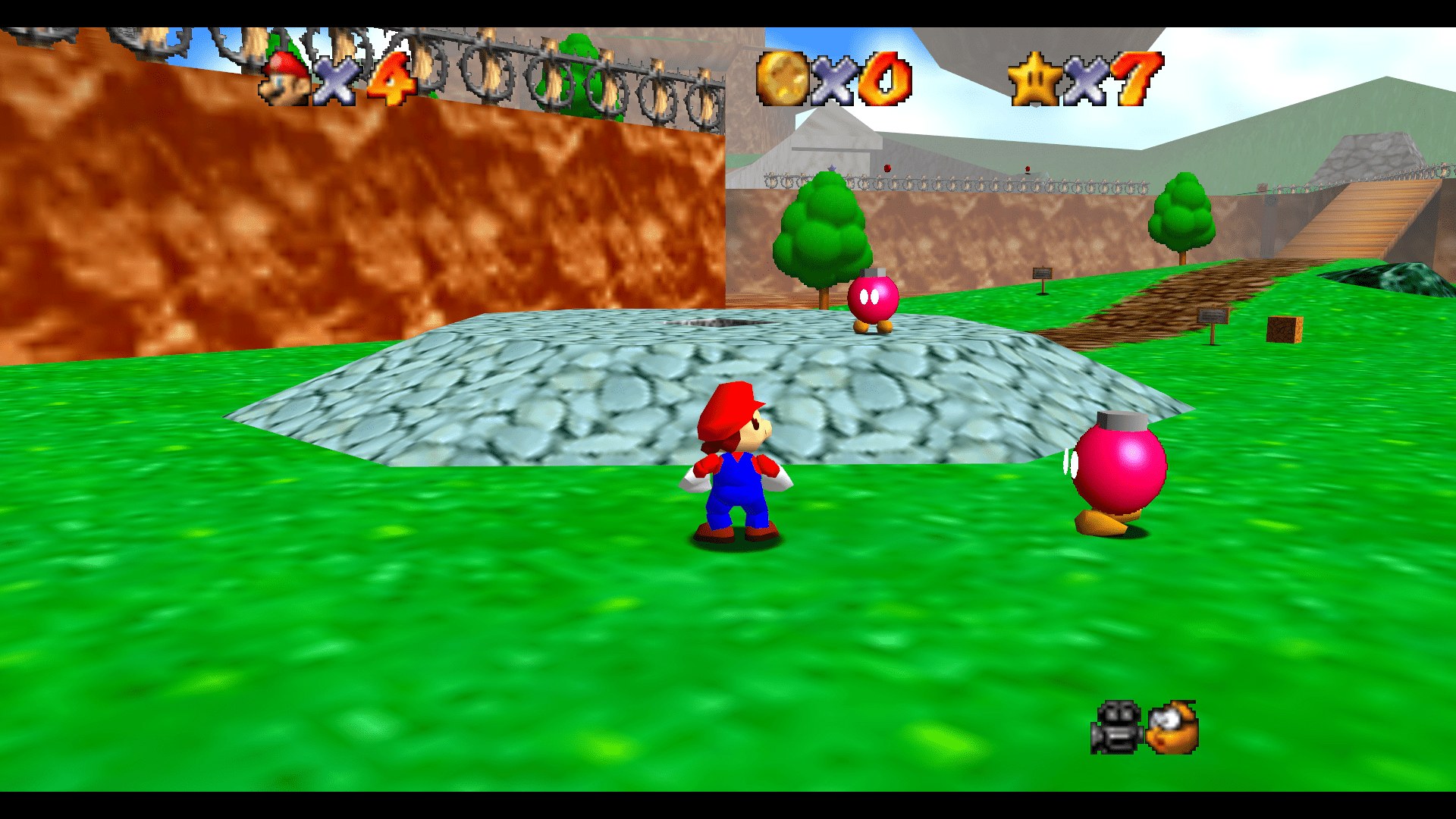
Let us be precise about the headline claim, because precision is this machine’s whole philosophy. The Analogue 3D outputs a genuine 4K HDMI signal; it does not magically re-render 1996 games at native 4K detail, and anyone expecting new textures will be disappointed by physics. What it does instead is present the original image — rendered internally with the console’s quirks intact, optionally with the hardware’s infamous blur filter removed, horizontal resolution doubled on supported titles, colour kept in its full 32-bit depth — and scale that image cleanly to your panel, with variable refresh support to keep frame pacing honest.
The secret weapon is the suite of Original Display Modes, available on 4K displays, which recreate the character of period screens: the softness, the phosphor behaviour, the way these games were actually composed to be seen. Nintendo 64 art was designed to be blended by a CRT, and a raw, razor-sharp presentation can look paradoxically worse — every dither pattern exposed, every texture seam on show. The display modes restore the intended illusion while keeping the stability and size of a modern screen. Switching between a clean presentation and a CRT-flavoured one, game by game, is the kind of luxury original hardware could never offer. Optional overclocking, applied per title, can also smooth out notorious frame-rate dips — used carefully, it makes demanding games substantially more playable; used carelessly, some titles run too fast, and the machine sensibly leaves that choice to you.
Living with it: the woes, itemised and ended
My original setup’s sins, in order of irritation: composite mush on a 4K panel; an upscaler that needed its own power brick, remote and prayer; analogue sticks too worn for precision play; and a general sense that a retro night required an AV technician. The Analogue 3D answers them in sequence. The picture is stable, sharp where sharpness helps and soft where softness is honest. The scaler chain is gone — one box, one cable. Modern controllers pair over Bluetooth, including Analogue’s partner 8BitDo 64 pad, for anyone whose original sticks have ground themselves to dust, while purists keep the original ports. Firmware updates arrive over Wi-Fi, and the 3DOS interface stays out of the way, as an operating system on a cartridge console should.
Caveats, because a review without them is an advert: the matching controller is a separate purchase, which stings at this price. The system is built for physical cartridges — it is not a ROM-playing emulation box, and flash-cart behaviour has varied across firmware, so collectors who live on a single flash cart should check current compatibility before selling their original hardware. Stock has been scarce and pricing has wobbled upward since launch. And faithfulness cuts both ways: a game that was blurry and foggy in 1997 is, at heart, still showing you 1997 — the Analogue 3D polishes the window, it does not repaint the view.
Verdict
Every retro remake asks to be judged against the problem it claims to solve. The Analogue 3D’s problem was mine, precisely: a beloved library becoming steadily harder to enjoy on the televisions we actually own. It solves it with hardware accuracy instead of software approximation, total cartridge compatibility, display modes that respect how these games were meant to look, and a setup so simple it disappears. At $249.99 it is a premium purchase aimed squarely at people who still own the cartridges — but for that audience, it does not merely raise the bar for retro console remakes. It makes the old arrangement of scalers, adapters and compromises look like what it always was: a workaround, waiting for this.
Score: 9.0/10 — Essential for cartridge owners with a 4K TV; the definitive way to play Nintendo 64 games on modern displays.
Who should skip it — and who should not wait
Honesty about audience is where this machine earns or loses its recommendation, so let us draw the lines clearly. Skip it if your Nintendo 64 library lives on a flash cart or as files — this is a physical-media console by design and by philosophy. Skip it if you play happily through Nintendo’s own subscription library and value convenience and online play over cartridge ritual. Skip it, above all, if you do not own cartridges: building a collection at today’s prices to feed a $250 console is a hobby decision, not a hardware one, and it should be made with open eyes and a full wallet.
Do not wait if the opposite describes you. If your shelves already hold the grey plastic, if your original console is one power-supply failure away from retirement, if you have priced an HDMI modification, a high-end upscaler and a set of replacement sticks and noticed the total quietly approaching this machine’s asking price — then the Analogue 3D is not the extravagant option. It is the consolidation of four purchases into one box with a warranty, and it performs each of those jobs at or near the standard of the dedicated alternative. Add the display modes, which no chain of original hardware and scalers replicates as elegantly, and the case closes itself.
What lingers, after the specifications fade, is a feeling no emulator session has ever quite produced: the small ceremony of the cartridge. Slot in, click, power — and a game you have owned for three decades appears on a television its designers never imagined, looking the way your memory always insisted it did. Analogue’s achievement is not that it improved the Nintendo 64. It is that it removed everything that had accumulated between the Nintendo 64 and the present day, and let the machine speak for itself. For those of us who have been waiting twenty years for exactly that, the woes are over.